JD Vance faces tough questions; public skeptical of adminis
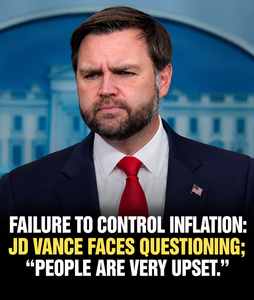
WASHINGTON — Vice President JD Vance faced pointed questions this week about President Donald Trump’s Iran conflict and persistent inflation, as both issues remain central to the administration’s agenda.
The exchange came during a live All-In podcast interview with host Jason Calacanis at the All-In Summit, where Vance was asked directly about frustrations among Americans who supported Trump.
Calacanis said voters had expected Trump to avoid another Middle Eastern war and bring inflation under control, arguing that neither promise had been fully delivered so far.
Vance did not dispute that Americans are frustrated, but defended the administration’s decision to use military force, saying avoiding foreign entanglements does not mean America can never fight.
He argued that Iran’s attacks on commercial shipping could trigger a wider global energy crisis if the United States abandoned its military presence and stopped protecting regional assets.
Vance also maintained that the administration had significantly damaged Iran’s nuclear program and military capabilities, while emphasizing continued efforts to keep oil and gas moving through international markets.
The vice president’s defense comes months into a conflict that began February 28. Trump initially said the fighting would last four to six weeks, but hostilities have continued beyond that timeframe.
Vance has recently used different language from Trump when describing the conflict. At a September 3 briefing, he said he would not necessarily call the ongoing fighting a war.
He also said he could not promise when gasoline prices would return to $3 per gallon, despite earlier administration expectations that fuel costs could decline around Labor Day.
The energy dispute has become closely connected to inflation because disruptions around the Strait of Hormuz have affected oil markets, shipping routes and expectations for fuel prices.
Recent inflation data show the problem remains unresolved. Consumer prices increased 3.4% over the year through August, while prices rose 0.4% during August itself.
The Federal Reserve has responded to persistent inflation concerns by raising its benchmark interest-rate target by a quarter percentage point, bringing the range to 3.75% to 4%.


Fed Chair Kevin Warsh said inflation remains a significant problem even as the broader economy has strengthened, reinforcing the administration’s difficulty in claiming that price pressures are fully contained.
Vance nevertheless argued that Trump has made substantial progress compared with the previous administration, while acknowledging that inflation remains higher than he would prefer.
His response reflected the administration’s broader economic argument: officials emphasize improvements since taking office while attributing much of the remaining pressure to conditions inherited from the previous administration.
Critics, however, continue to focus on current prices rather than earlier inflation peaks, meaning households still face higher costs even if annual inflation has declined from previous highs.
The Iran conflict has complicated that economic message because higher energy costs can feed into transportation, production and household expenses, potentially making inflation harder to reduce.
Vance has also linked continued military action to protecting commercial shipping, arguing that allowing Iran to disrupt energy routes could create broader economic consequences far beyond the Middle East.
Trump has separately said he expects the Iran conflict to enter a different phase after the November midterm elections, while Vance has acknowledged that the timing remains uncertain.
The latest exchange therefore highlights a continuing challenge for the administration: defending its foreign-policy decisions while addressing concerns about prices, energy costs and the unfinished fight against
Comments (0)
Loading comments...
May You Like
Russian Drone Strikes Kyiv Bridge as German Chancellor Arrives in Ukraine
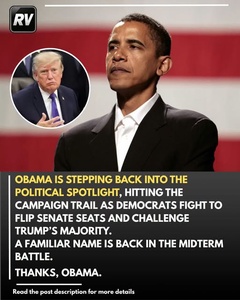
Obama Steps Back Into the Political Spotlight as Democrats Target Trump’s
Barack Obama Draws Attention With New Literary Podcast