JD Vance Reignites Debate Over Jobs and Immigration in Trump Administration
WASHINGTON — September 15, 2026 — Vice President JD Vance is intensifying the debate over immigration and American jobs, arguing that President Donald Trump’s policies are putting U.S. workers first.
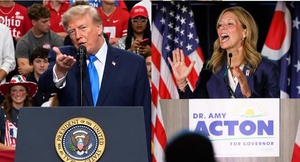
Speaking at the Republican midterm convention in Dallas, Vance claimed that the Trump administration had created one million jobs and that all recent job growth had gone to American citizens.


Vance connected those employment gains directly to Trump’s immigration policies, presenting tighter border enforcement and reduced migration as central parts of the administration’s economic strategy.
He argued that American workers should benefit first from economic growth, while criticizing the previous administration for policies he said allowed employers to rely too heavily on foreign labor.
However, independent fact-checkers have challenged Vance’s characterization of the employment data. Foreign-born workers are not synonymous with undocumented immigrants, and the available statistics include legal immigrants, temporary workers and other groups.
The distinction matters because Vance has repeatedly described foreign-born employment figures as evidence that illegal immigration displaced American workers, a conclusion the underlying data does not independently establish.


The administration nevertheless points to stronger employment numbers as evidence that its economic approach is working. The Labor Department said the economy added 162,000 jobs in August and surpassed one million private-sector jobs during Trump’s second term.
Manufacturing and construction have also become important political symbols for Trump and Vance, who argue that tariffs, investment incentives and immigration restrictions are encouraging companies to create more jobs domestically.
In Michigan, Vance previously said companies seeking new workers should first train and hire Americans rather than relying on foreign labor. He also defended tariffs against companies that continue hiring overseas workers.
That philosophy represents a major shift from the traditional Republican emphasis on expanding the labor supply through immigration, particularly for industries experiencing worker shortages.


The Trump administration has simultaneously moved toward tighter restrictions on several categories of foreign workers and immigrants, creating uncertainty for companies that depend on international talent.
One recent proposal would eliminate the 60-day grace period allowing H-1B and several other visa holders to remain in the United States after losing their jobs. The proposal still requires public comment before becoming final.
Supporters say tighter rules could encourage companies to recruit and train Americans, while critics warn that abrupt restrictions could make it harder for businesses to retain highly skilled workers.
The technology industry is particularly exposed because American companies rely heavily on foreign-born engineers, researchers and specialists, including workers holding H-1B visas.
Another new immigration policy has triggered legal challenges. Twenty-two states and the District of Columbia are suing the administration over changes allowing immigration officials greater discretion when evaluating whether applicants for green cards could become a “public charge.”


Meanwhile, immigration arrests have surged. Reuters reported that ICE arrests reached nearly 51,000 in August, although deportations have not increased at the same pace because many detainees have pending claims or legal protections.
The administration says stronger enforcement is necessary to restore control of the border and protect American workers from unfair competition.
Critics counter that immigration restrictions can create labor shortages, increase costs for businesses and reduce economic growth, particularly in industries already struggling to find qualified employees.
The disagreement therefore extends beyond border security. It is increasingly becoming a debate over what kind of American economy Trump and Vance want to build.
Vance argues that reducing immigration and prioritizing American workers will encourage companies to invest domestically, raise wages and rebuild industries that have moved production overseas.


Opponents argue that the economy cannot simply replace foreign workers with American workers overnight, especially in technology, agriculture, healthcare, construction and specialized manufacturing.
The administration's challenge will be demonstrating that restrictive immigration policies can produce sustained wage growth and employment without creating damaging shortages or undermining industries that depend on international talent.
For Vance, however, the message is becoming increasingly clear: economic growth should benefit American citizens first, and immigration policy should serve that goal.
As the 2026 midterm elections approach, jobs and immigration are likely to remain tightly connected political issues, with the Trump administration presenting its policies as a fundamental change in how America approaches workers, borders and economic opportunity.
Comments (0)
Loading comments...
May You Like
Shocking news from Ohio: an unexpected development ahead of Trump's rally

Russian Drone Strikes Kyiv Bridge as German Chancellor Arrives in Ukraine