
" JENSEN HUANG COMES BACK AND TRUMP'S SECRET $100 BILLION AI PROJECT!"
Trump’s Intervention Brings Jensen Huang Back to NVIDIA as Federal Investigations Raise National Security Questions
WASHINGTON — November 24, 2026 — Jensen Huang has returned as chief executive of NVIDIA following direct intervention by President Donald Trump, reversing his resignation less than two weeks earlier amid allegations involving personal misconduct, foreign intelligence concerns and possible violations of American technology export restrictions.
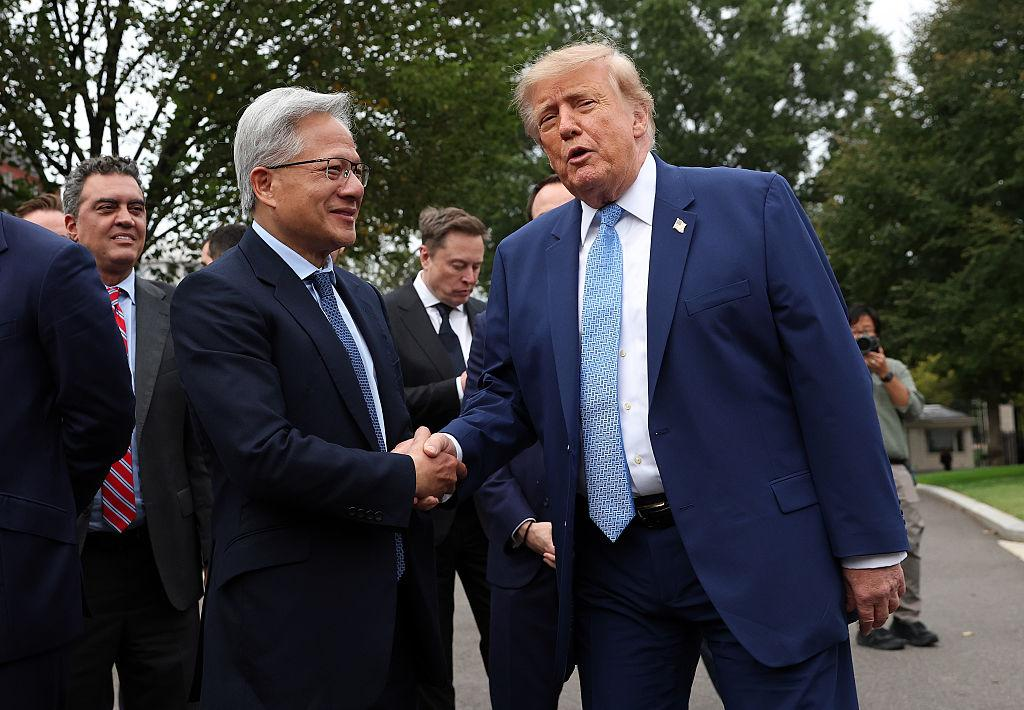
The reinstatement, announced Monday, November 23, followed communications between the White House and NVIDIA's board of directors. Vice President JD Vance and senior administration officials also participated in efforts to bring Huang back to the company.
An official Securities and Exchange Commission filing confirms that NVIDIA's board reinstated Huang on November 22 as president, chief executive and a member of the board, effective immediately.
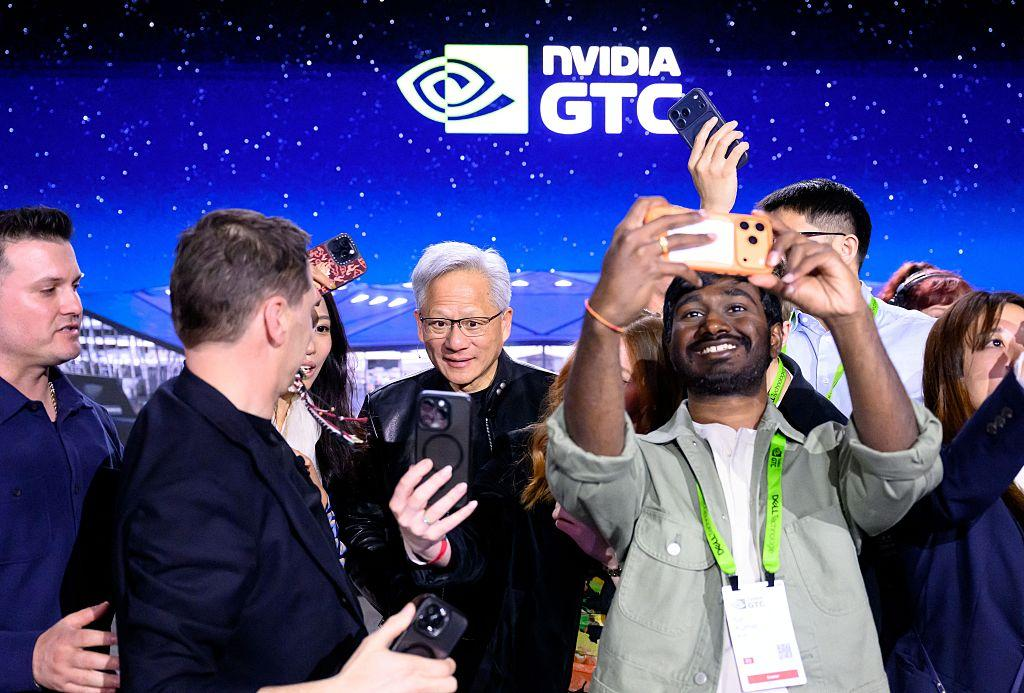
Huang's resignation on November 12 marked an unusual leadership crisis for a company that had become central to the global development of artificial intelligence.
The circumstances surrounding his departure included reports of extramarital relationships, one involving a businesswoman suspected by American intelligence officials of connections to Chinese intelligence.
Huang acknowledged personal misconduct and apologized. The controversy, however, extended beyond his private life because of NVIDIA's position within the international competition over advanced semiconductor technology.
Five days after Huang resigned, NVIDIA's board publicly rejected the possibility of reinstating him. Chairman Harvey Jones indicated that the company intended to proceed without its co-founder as chief executive.
That position changed the following weekend.
The reversal placed NVIDIA's board under scrutiny from investors, lawmakers and legal specialists, particularly because several investigations associated with the original controversy remained unresolved.
In interviews following the reinstatement, Trump acknowledged that he had communicated his preference to NVIDIA's directors. He also said federal officials had examined the national security concerns surrounding Huang and had found no reason to prevent his return.
The administration's position reflected concerns about both the technology sector and American competitiveness against China. Huang's departure had occurred during a period of falling technology valuations and growing uncertainty about artificial intelligence investments.
Trump had also discussed Huang with Chinese President Xi Jinping during their recent meetings in China, according to the president's public remarks.
The involvement of the White House transformed what might ordinarily have remained a corporate governance decision into a national political and economic issue.
The financial scale of NVIDIA's involvement in artificial intelligence development extends far beyond its immediate stock market performance.
In September 2025, NVIDIA and OpenAI announced a letter of intent outlining plans to deploy at least 10 gigawatts of AI computing infrastructure. Under the proposed partnership, NVIDIA expressed its intention to invest up to $100 billion in OpenAI as successive stages of the project were deployed.
The initiative illustrated the enormous capital requirements associated with developing advanced artificial intelligence systems. Large-scale AI infrastructure requires specialized processors, data centers, electricity generation, cooling systems and extensive networking capabilities.
The $100 billion figure represents a previously announced commercial investment plan, rather than a newly disclosed agreement between Trump and Huang.
No publicly released document associated with Huang's reinstatement establishes that the president authorized a secret $100 billion government project or imposed a 30-day deadline on the executive.
Nevertheless, investments of this magnitude help explain why changes in NVIDIA's leadership can have consequences extending across financial markets, energy infrastructure and American industrial policy.
The official announcement of Huang's reinstatement contained an important detail concerning the role of the federal government.
The board voted unanimously to reinstate him. Colette Kress, who had temporarily assumed the chief executive position following Huang's resignation, returned to her established responsibilities as chief financial officer.
However, the announcement also confirmed that an independent investigation into allegations of foreign intelligence targeting would continue.
That provision is significant because the decision to restore Huang's executive authority did not terminate the company's examination of the circumstances surrounding the original controversy.
NVIDIA has established additional oversight arrangements addressing national security and compliance with technology export restrictions.
The contents of communications between government officials and NVIDIA's directors have not been released in full.
The national security concerns surrounding Huang emerged from reports involving Alice Huang, an unrelated Chinese businesswoman alleged to have connections to Chinese intelligence.
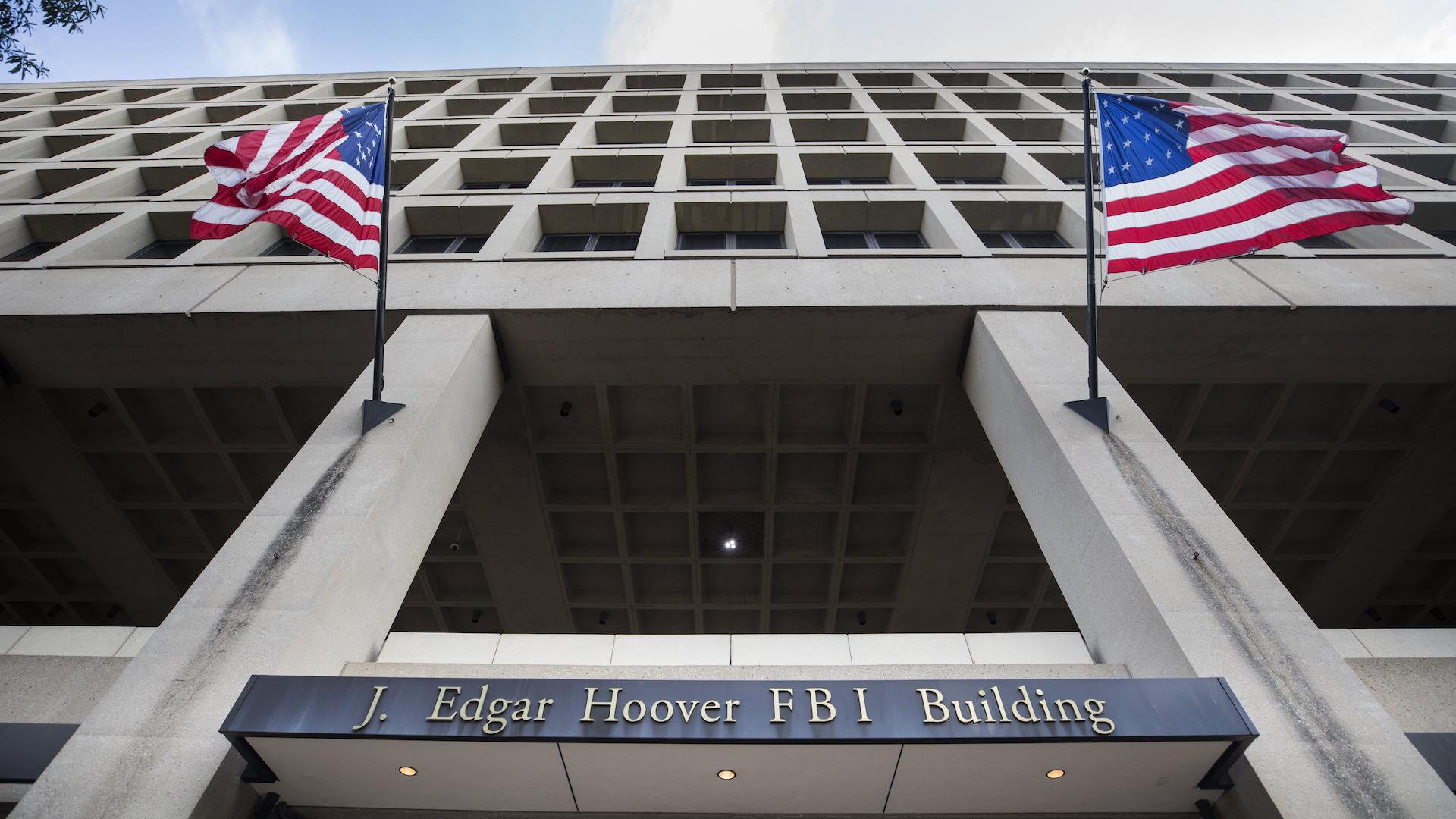
On November 9, Trump acknowledged that the Federal Bureau of Investigation was examining the matter. Three days later, Attorney General Todd Blanche also addressed the existence of an FBI investigation involving the businesswoman.
According to Reuters, American intelligence agencies examined the extent of her alleged connections to China's Ministry of State Security and whether information had been transmitted to Beijing.
The Chinese government denied the espionage allegations.
The Justice Department has stated that it had no evidence establishing wrongdoing by NVIDIA or Jensen Huang. Reuters reported that the current status of certain federal investigations remained unclear following the executive's reinstatement.
The distinction between investigating a suspected foreign intelligence operation and establishing criminal conduct by an individual is important. A person targeted by intelligence gathering is not necessarily a willing participant in that activity.
The involvement of federal investigators has generated broader questions about whether sensitive corporate information could be connected to cybersecurity incidents affecting American government institutions.
However, the publicly described investigation involving Huang concerns suspected foreign intelligence activities and possible access to restricted semiconductor technology. That is distinct from an investigation into unauthorized access to an FBI computer system.
A connection between the two would require independently established evidence, such as communications, digital forensic findings or official statements identifying a common operation.
NVIDIA's publicly released board statements do not identify Huang as a participant in an attack on government computer networks. They also do not establish that he possesses stolen FBI records or has used sensitive information as leverage during negotiations with the administration.
The company's November 8 announcement identified Huang as a potential target of foreign intelligence activity. At that time, directors said they had no reason to believe that American national security or NVIDIA's proprietary information had been compromised.
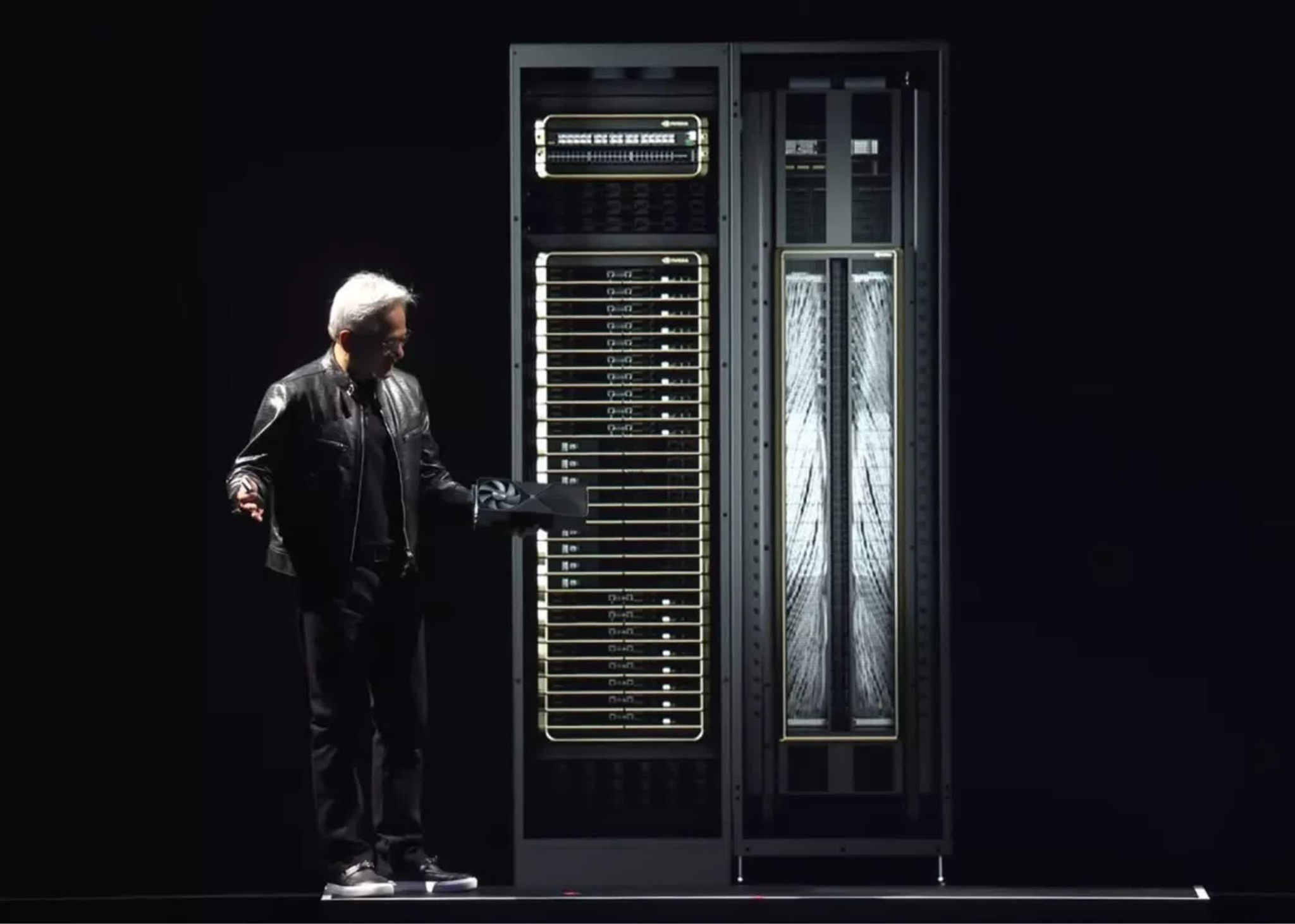
Modern artificial intelligence systems depend heavily on specialized computing hardware capable of processing large quantities of information simultaneously.
NVIDIA's processors are used in commercial AI applications, scientific research, industrial automation and increasingly sophisticated computing systems. Access to advanced hardware can influence how rapidly organizations develop and deploy new AI technologies.
The commercial value of semiconductor intellectual property extends beyond the physical chips themselves. Engineering designs, manufacturing arrangements, technical documentation, software architecture and future product development plans may all have substantial strategic significance.
Protecting such information is therefore both a corporate responsibility and a national security concern.
American export restrictions seek to control access to certain advanced computing technologies, particularly where officials believe those technologies could contribute to foreign military or intelligence capabilities.
The effectiveness of such restrictions depends partly on whether companies can accurately identify customers and understand where their products will ultimately be used.
These issues provide the broader context for federal scrutiny of NVIDIA's international business relationships.
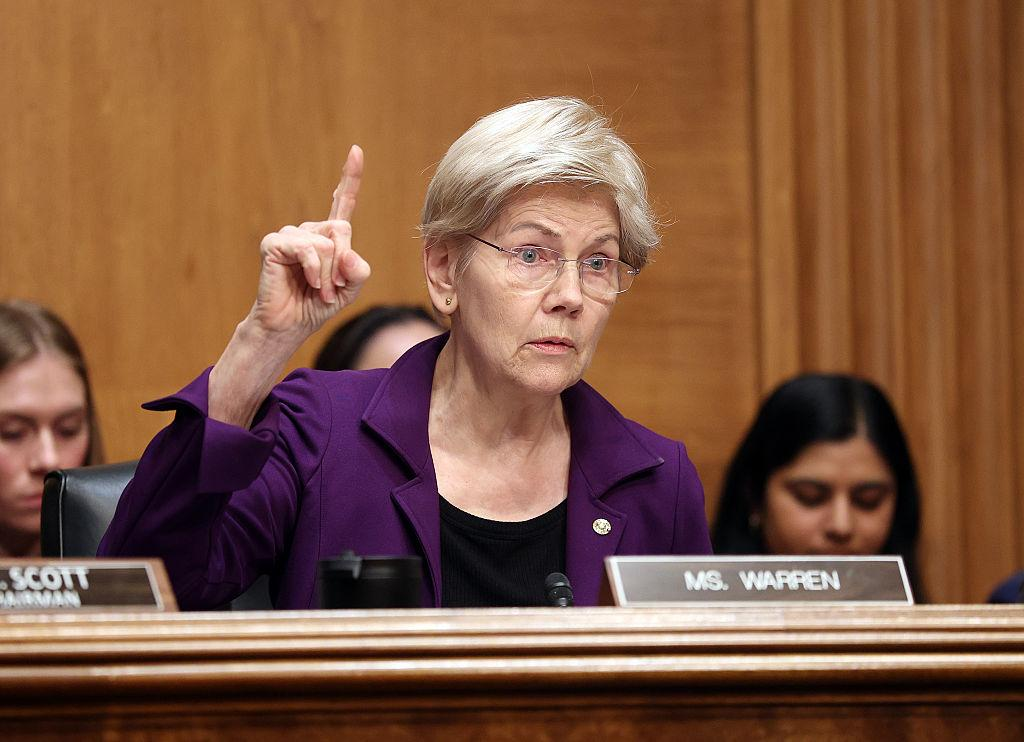
Senators Elizabeth Warren and Chris Coons requested that several federal departments and the White House preserve records concerning NVIDIA chip exports and reported foreign intelligence activities targeting Huang.
The letter cited reporting that Megaspeed, a Singapore-based computing company associated with the allegations, had purchased more than $4.8 billion worth of advanced NVIDIA chips since June 2024.
The senators also referred to reports of a Justice Department investigation into whether Megaspeed had diverted restricted technology to China.
The letter requested the preservation of communications, policy documents and other materials that could help lawmakers determine what administration officials knew about the reported intelligence operation and potential export violations.
The reported inquiry has attracted attention because of NVIDIA's extensive relationships with businesses investing in artificial intelligence infrastructure.
Large technology companies increasingly participate in complex commercial arrangements involving hardware sales, investment commitments and financing. These arrangements can create questions about how revenue is recognized, how much financial risk companies assume and whether investors receive sufficient information.
The strategic argument advanced by Trump's administration extends beyond semiconductor manufacturing.
Reuters reported that administration officials regarded Huang as an important supporter of American open-weight artificial intelligence models. These systems allow developers to access and adapt model parameters, providing alternatives to proprietary AI services.
The development of such systems has implications for software companies, researchers and businesses seeking more control over their computing infrastructure.
American policymakers are also considering how domestic AI developers can compete with Chinese technology companies while maintaining security protections and encouraging innovation.
Supporters of Huang's return argue that his experience and industry relationships could help advance those objectives.
The debate reflects a difficult policy question: how the government should support companies considered essential to American technological competitiveness while maintaining credible regulatory and national security safeguards.
According to the Los Angeles Times, Huang is scheduled to participate in closed-door interviews with three House committees on December 1. A public appearance before the Senate Banking Committee is scheduled for December 3.
Those proceedings could provide lawmakers with an opportunity to question Huang about matters extending beyond NVIDIA's commercial performance.
Potential subjects include export compliance, corporate information security, the independence of internal investigations and communications between company executives and federal officials.
Huang's reinstatement also raises questions about the responsibilities of NVIDIA's board.
Corporate directors must consider the interests of shareholders while overseeing management, regulatory compliance and significant business risks. Presidential support does not necessarily eliminate those obligations.
Reuters reported that an investor filed a derivative lawsuit on November 11 alleging failures in corporate oversight. NVIDIA also faces potential investor class-action litigation.
The allegations will require separate legal assessment. A lawsuit does not establish liability, and the company's directors retain the opportunity to defend their decisions.
For NVIDIA's board, the challenge is to demonstrate that its decision-making process adequately considered the information available at the time, including national security concerns and the potential consequences for investors.
The continuation of the independent internal investigation could become particularly important in evaluating how directors addressed those responsibilities.
The next phase of the controversy may depend less on public appearances and more on documents, testimony and regulatory findings.
Congressional investigators have already requested the preservation of records connected to communications between NVIDIA and senior administration officials. Such material could help establish the chronology of government involvement and the reasoning behind particular export policy decisions.
Huang's return raises several questions that formal proceedings may address. Among them are whether the relevant government agencies possessed consistent information, how national security assessments were communicated to NVIDIA and what safeguards the company introduced following the allegations.
The December hearings could also clarify which investigations remain active and whether additional corporate disclosures are necessary.
The extent of those disclosures will depend partly on legal restrictions, confidentiality requirements and the sensitivity of intelligence information.
Huang's reinstatement resolved NVIDIA's immediate leadership uncertainty and produced a substantial recovery in the company's market value.
Trump has presented Huang's return as a decision intended to protect American economic and technological interests. NVIDIA has expressed confidence in its founder's ability to resume leadership. Congressional lawmakers and regulatory authorities, however, continue to examine separate issues involving corporate governance, export compliance and national security.
The most consequential distinction is between the commercial decision to reinstate an executive and the evidentiary findings of an investigation.
The announced $100 billion AI infrastructure initiative provides context for the financial interests surrounding NVIDIA, while the December congressional hearings represent the next opportunity for public accountability.
Whether those proceedings produce new information about sensitive semiconductor technology, foreign intelligence activities or the administration's involvement remains an open question.
For now, Huang is back in charge of one of the world's most influential technology companies. The investigations that surrounded his departure have not all reached a publicly announced conclusion.
Comments (0)
Loading comments...
May You Like

ELON MUSK’S $18 BILLION SPACEX STOCK GIFT FOR EVERY AMERICAN CHILD

AMERICA’S NEW-GENERATION AIRCRAFT CARRIERS — MILITARY MIGHT BUILT AT THE EXPENSE OF THE PEOPLE

IRAN THREATENS SHIPS OVER HORMUZ PASSAGE AFTER CLAIMING A MINE STRIKE














