
Jimmy Kimmel Tells Trump
Jimmy Kimmel Tells Trump to “Quit Already” After Republicans’ Midterm Setback — But Could the President Actually Resign?
WASHINGTON, D.C. — The political fallout from America's 2026 midterm elections has reached late-night television, where comedian Jimmy Kimmel is drawing attention for a sharply worded message aimed at President Donald Trump.
A widely circulated Variety-branded graphic reports that Kimmel called on Trump to resign following Republican electoral losses, delivering a pointed remark: "Quit already ... Nobody wants you."
The headline captures a familiar collision between American politics and entertainment, but it also raises a much larger question about what an electoral setback means for a sitting president.
Midterm elections can dramatically change the balance of power in Washington. They can weaken a president's legislative position, empower political opponents, and trigger difficult conversations within the president's own party.
What they cannot do, however, is automatically remove the president from office.
Kimmel's reported remarks are best understood as political commentary rather than an announcement of any constitutional action against Trump.

A Late-Night Host Takes Aim at the White House
Jimmy Kimmel has long used his television platform to criticize Trump.
His monologues frequently combine political news, satire, and direct commentary about the president's conduct.
The image circulating online places Kimmel and Trump side by side, visually emphasizing their longstanding public disagreement.
Its headline suggests that the comedian interpreted Republican losses in the midterms as a reason for Trump to leave office.
The phrase "Quit already" is particularly confrontational.
Rather than calling for a policy change or a different political strategy, it challenges the president's continued leadership.
Yet a late-night host's demand for resignation carries no legal authority.
It is an expression of opinion, however strongly worded.
Why the Midterm Elections Matter
Midterm elections occur halfway through a presidential term.
They determine all seats in the House of Representatives and approximately one-third of the Senate, along with numerous state and local offices.
The results can substantially alter the president's relationship with Congress.
If the opposition party gains congressional power, the administration may face greater resistance to its legislative proposals.
Congressional committees may also conduct more aggressive oversight of executive branch decisions.
That can create a challenging environment for the White House.
But midterm results are not a direct vote on whether a president should remain in office.
The presidential term continues unless a constitutionally recognized event brings it to an end.
A Political Defeat Is Not a Constitutional Removal
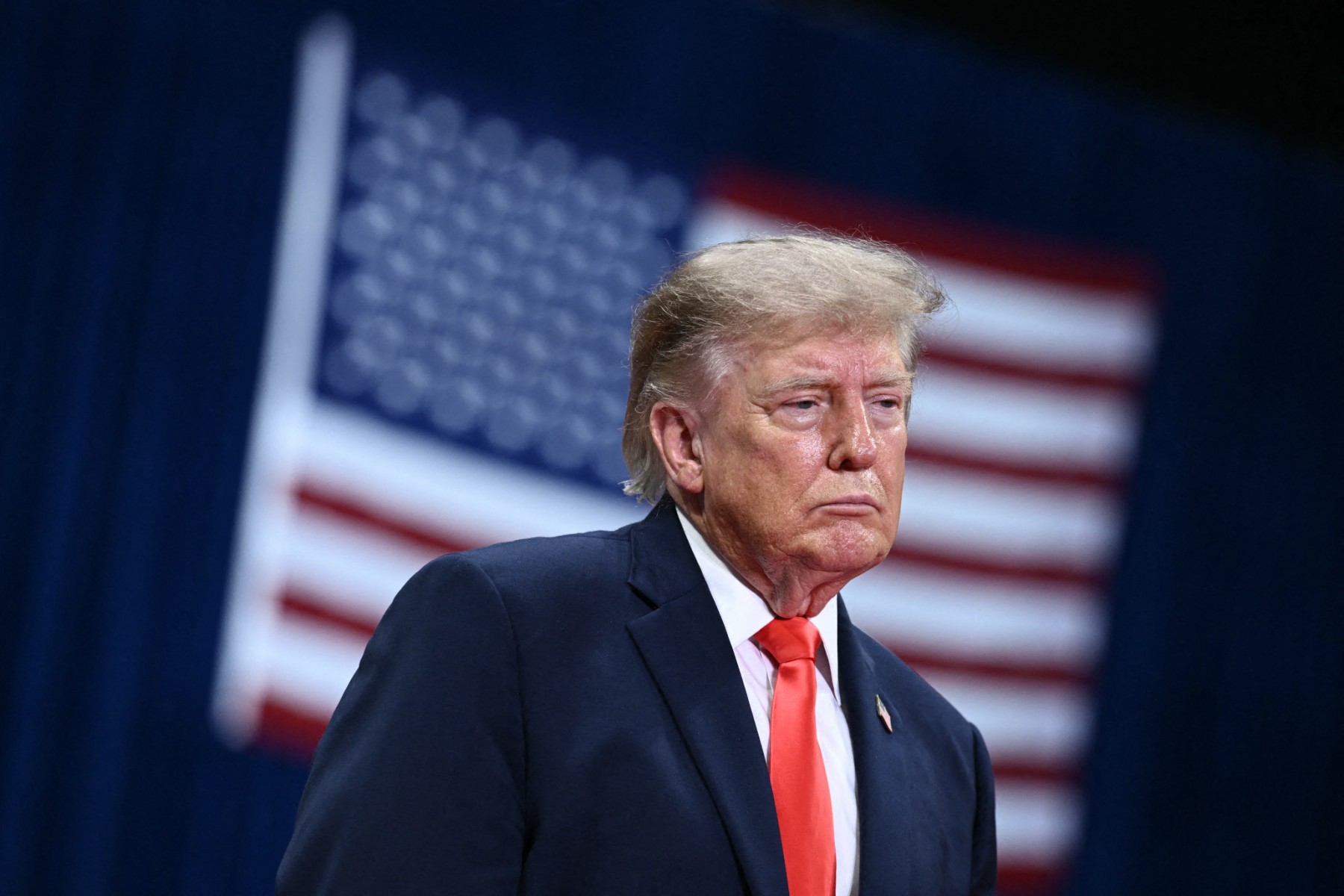
One of the most important distinctions in this controversy concerns the difference between electoral accountability and presidential succession.
American voters elect the president separately from members of Congress.
A president does not have to resign because the governing party loses congressional seats.
Historically, presidents have frequently experienced difficult midterm results and continued serving.
Some later negotiated major legislation with opposition-controlled chambers.
Others faced years of political gridlock.
The consequences depended on the political environment and the choices made by elected leaders.
Kimmel's reported demand reflects dissatisfaction with Trump, not a legal requirement created by the election.
Why Kimmel’s Words Are Politically Significant
Late-night television occupies an unusual place in American public life.
Programs built around entertainment can also influence political discussion.
Hosts often present news through humor, exaggeration, and criticism.
Their audiences may include viewers who do not regularly follow congressional proceedings or detailed policy debates.
A forceful monologue can therefore spread far beyond the original broadcast.
Clips may circulate on social media, where individual phrases become headlines.
That visibility gives entertainers a role in shaping political conversation.
It does not make them representatives of the entire electorate.
What Does “Nobody Wants You” Really Mean?
The phrase attributed to Kimmel is sweeping.
Taken literally, it suggests that Trump has lost all public support.
That would not be a reasonable conclusion from an election result alone.
American voters hold a wide range of political views.
Even when a party performs poorly in an election, millions of voters may continue supporting its leaders and policies.
An electoral setback can indicate dissatisfaction without proving unanimous rejection.
Kimmel's phrase is therefore better understood as rhetorical criticism than as a measurable statement about public opinion.
Assessing Trump's actual popularity would require reliable polling and election data.
Trump’s Relationship With Late-Night Television
Trump has frequently clashed with television personalities who criticize him.
Late-night hosts have made his speeches, policies, and public statements recurring subjects of satire.
Trump and his allies have sometimes accused entertainers and news organizations of displaying political bias.
Critics of Trump argue that satire and political commentary are legitimate forms of public scrutiny.
These disagreements reflect a broader debate about the relationship between entertainment, journalism, and political advocacy.
A comedian is not required to remain politically neutral.
But viewers should distinguish opinion and satire from independently verified reporting.
That distinction is especially important when short clips circulate without their full context.
The Republican Party Faces Its Own Questions
The midterm results create strategic challenges for Republicans beyond the immediate debate over Trump.
Party leaders must assess which issues influenced voters.
They may examine economic concerns, immigration policy, candidate selection, and public perceptions of the administration.
Lawmakers representing competitive districts may face different pressures from those representing strongly Republican areas.
Some may favor closer alignment with the president.
Others may seek a more independent political identity.
These decisions can affect legislative negotiations and the party's preparations for future elections.
But internal disagreement does not automatically mean that Republicans will call for Trump's resignation.
Democrats See a New Opening
Democratic leaders may view Republican electoral setbacks as an opportunity to challenge the administration's agenda.
They can emphasize policy disagreements and seek greater oversight of federal agencies.
Depending on congressional control, they may also gain influence over committee leadership and legislative priorities.
However, gaining political leverage does not mean the opposition can compel the president to resign.
Congress has specific constitutional powers, including impeachment.
Those powers involve formal procedures and demanding legal or political thresholds.
A comedian's criticism may contribute to public debate, but it does not substitute for those processes.
Could Trump Voluntarily Resign?
The Constitution allows a president to resign.
Richard Nixon became the first and only U.S. president to resign from office in 1974, amid the Watergate scandal.
A resignation would trigger presidential succession.
Vice President JD Vance would assume the presidency if Trump resigned during his current term.
But voluntary resignation is fundamentally different from an electoral defeat.
It requires a decision by the president.
There is no basis in the image for concluding that Trump has made such a decision.
Nor does the image establish that his administration is preparing for a transfer of power.
What About Impeachment?
The House of Representatives has the constitutional authority to impeach a president.
Impeachment requires approval by a simple majority of the House.
A Senate trial follows if the House adopts articles of impeachment.
Removal requires conviction by two-thirds of senators present.
These procedures are separate from ordinary elections.
An opposition party gaining seats does not automatically satisfy the constitutional requirements for removing a president.
Even a congressional majority favoring impeachment may lack the Senate votes necessary for conviction.
The distinction is crucial when public commentary suggests that an electoral setback should end a presidency.
The Economic Pressure on the Administration
Beyond the controversy involving Kimmel, the White House faces important economic questions.
Household affordability, employment, housing costs, and federal spending remain central concerns for many voters.
Trump has emphasized tariffs, domestic manufacturing, and economic nationalism.
Supporters argue that these policies can strengthen American industries and improve the country's negotiating position.
Critics warn that some trade restrictions may increase costs for consumers and businesses.
The administration's ability to respond to economic concerns may influence public opinion during the remainder of Trump's term.
Political messaging alone cannot resolve those challenges.
Immigration Remains a Defining Issue
Immigration enforcement is another major component of Trump's political identity.
His administration has prioritized stronger border security and measures intended to reduce unauthorized immigration.
Supporters view those efforts as necessary for national sovereignty and the enforcement of federal law.
Critics have raised concerns about due process, humanitarian consequences, and the legality of certain enforcement actions.
Congressional oversight could bring renewed attention to these issues.
Policy disagreements may become more intense if the White House and Congress pursue competing priorities.
The outcome will depend on legislation, executive action, judicial review, and political negotiation.
Why Public Opinion Matters More Than a Monologue
A television monologue can generate headlines.
But it cannot provide a complete picture of national public opinion.
Polls can offer estimates of presidential approval, although their results depend on sampling, methodology, and timing.
Election outcomes provide another form of evidence.
However, congressional elections involve individual candidates, local issues, and state-specific political conditions.
They are not identical to a national presidential referendum.
Understanding Trump's political standing requires examining several sources of information rather than relying on one entertainer's assessment.
The Role of Satire in a Democracy
Political satire has a long history in the United States.
Comedians, cartoonists, and performers have criticized presidents from both major parties.
Their work can challenge authority, expose contradictions, and encourage public discussion.
It can also rely on exaggeration and selective presentation.
The First Amendment protects a broad range of political expression, including harsh criticism of government officials.
That protection is especially important when public figures disagree sharply.
Kimmel's reported demand for Trump to resign falls within the tradition of political commentary.
Whether viewers find it persuasive is a separate question.
Why Trump Remains Politically Influential
Even when facing criticism, Trump retains substantial influence within the Republican Party.
His political identity is closely connected to issues such as immigration, trade, national sovereignty, and opposition to established political institutions.
Supporters may regard attacks from entertainment figures as further evidence that powerful cultural institutions oppose him.
Critics may interpret the same attacks as signs of growing dissatisfaction.
These contrasting reactions illustrate the country's political polarization.
A single television segment is unlikely to settle those disagreements.
Its significance lies primarily in how it contributes to the broader conversation.
Could the White House Change Strategy?
Presidents sometimes respond to difficult election results by adjusting their political approach.
They may reorganize staff responsibilities, emphasize different policies, or seek more cooperation with congressional leaders.
Others choose confrontation and attempt to mobilize supporters against political opponents.
Trump has frequently favored direct public criticism of adversaries.
But the image does not establish how he intends to respond to Kimmel's reported comments.
Any claim that the White House is preparing a specific response would require additional evidence.
The administration's actual policy decisions will be more consequential than a single exchange of political rhetoric.
The Road Toward 2028
The next presidential election will occur in 2028.
Trump's second term is scheduled to end in January 2029.
The Twenty-Second Amendment generally prevents a person from being elected president more than twice.
That means Republicans will need to consider future leadership as the next election approaches.
Democrats will also evaluate potential candidates and campaign messages.
The midterm results will influence those discussions.
But the transition toward a new election cycle does not require Trump to leave office early.
His constitutional term remains separate from the political fortunes of his party.
The Limits of Celebrity Political Influence
Celebrities can attract attention to political issues.
Their statements may encourage supporters, frustrate opponents, or motivate public discussion.
But fame does not confer governmental authority.
Kimmel cannot remove Trump from office.
Likewise, criticism from television personalities does not determine the outcome of congressional votes or constitutional proceedings.
The power of celebrity commentary lies in persuasion and visibility.
Its effectiveness depends on whether audiences find the arguments credible.
That influence should not be confused with formal political power.
What the Viral Image Leaves Out
The graphic presents a short quotation and a dramatic political conclusion.
It does not provide the full transcript of Kimmel's remarks.
It also does not establish the specific election results he was discussing or whether the quotation was shortened.
Those details matter.
A complete monologue could reveal additional context, jokes, or references that change how the statement should be interpreted.
The image is therefore a useful starting point for examining the controversy, but it is not a substitute for the original broadcast.
Accurate reporting should distinguish the headline's wording from the full statement.
What Happens Next?
The most important consequences of the midterm elections will unfold through Congress and the White House.
Lawmakers will determine legislative priorities and oversight agendas.
The administration will decide how to pursue its remaining policy objectives.
Both parties will assess public opinion and prepare for future elections.
Kimmel and other commentators will likely continue examining those developments.
Their criticism may influence public debate.
But the actual direction of the presidency will depend on constitutional institutions and political decisions.
A Sharp Demand, but No Immediate Constitutional Consequence
The reported statement from Kimmel is direct and confrontational.
It suggests that Trump should treat Republican electoral losses as a reason to leave office.
Yet the American constitutional system does not require presidents to resign after disappointing midterm elections.
The president may choose to change course, negotiate with Congress, or continue pursuing existing policies.
Resignation remains a voluntary act unless the presidency ends through another constitutional mechanism.
The image does not establish that Trump is considering that option.
It records a political demand, not a presidential decision.
The Bigger Question Behind Kimmel’s Attack
The controversy illustrates the growing overlap between entertainment and political debate.
Kimmel's reported remarks reflect one prominent critic's frustration with Trump.
The midterm elections provide the political backdrop.
But the most consequential questions concern how the administration responds to electoral pressure and how Congress exercises its authority.
Can Trump advance his agenda in a changing political environment?
Will lawmakers pursue compromise or confrontation?
How will voters evaluate the administration's economic and domestic policies over the next two years?
Those questions cannot be answered by a late-night monologue.
For now, Kimmel's reported call for resignation is another highly visible moment in America's continuing political argument.
It may generate headlines, provoke responses, and reinforce existing divisions.
But it does not change the constitutional fact that Trump's presidency continues unless he resigns, is removed through the required process, or his term ends.
The political message may be explosive.
The legal reality is considerably more straightforward.
Comments (0)
Loading comments...
May You Like

CAIRO INFERNO — CAR CARRYING SENIOR U.S. OFFICIAL SLAMS INTO FUEL TANKER, 31 DEAD, 21 INJURED!

TRUMP NAMES PICKAXE TARGET AS NETANYAHU PUSHES FOR MORE IRAN STRIKES

FCC CLEARS SPACEX FOR ONE MILLION AI SATELLITES AS ASTRONOMERS SOUND ALARM

Latest Posts







Popular Posts




