
Katie Zacharia Leaves White House Press Secretary Role After Just Five Days — Her Final Message to Trump Draws Attention
President Donald Trump’s newest press secretary has left her position after just five days, following a brief first press briefing, mounting questions about her legal qualifications and a series of difficult media appearances. Her departure leaves the White House without its chief spokesperson at a critical moment ahead of the November midterm elections.
WASHINGTON, October 17, 2026 — Katie Zacharia’s sudden departure as White House press secretary has brought an unusually short and turbulent chapter in the Trump administration’s communications operation to an end. Appointed by President Donald Trump on October 9, Zacharia began her official duties on Monday, held her first and only White House briefing the following day, and was reported to have been dismissed on Friday, October 16. Her five-day tenure followed intense scrutiny of her professional background and criticism of her performance before reporters.
The departure unfolded rapidly. Earlier on Friday, Trump told reporters that he had encouraged Zacharia to reconsider whether she wanted to remain in the position. He said the job was difficult and questioned whether the pressure was worth it for her. Two White House officials subsequently told Reuters that she had been let go and was transitioning out of the role. The Associated Press also reported that she was leaving, although public descriptions of the personnel decision varied. No successor had been announced, and Trump said he was in no hurry to appoint one.

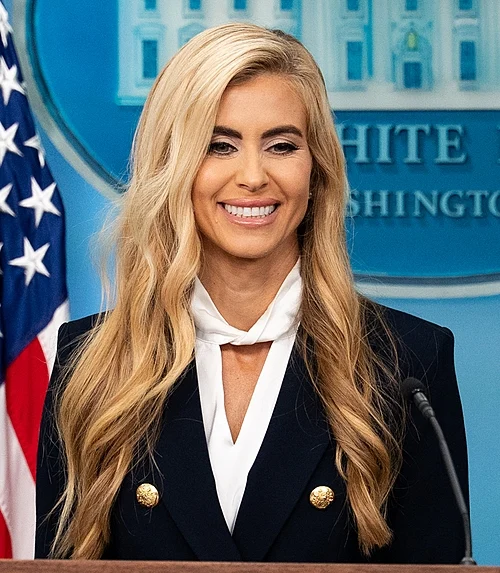
Zacharia during her first White House press briefing on October 13, 2026. Photograph: verify the original image credit before publication.
The first signs of trouble appeared during her debut briefing on Tuesday. The session lasted approximately 14 minutes, and Zacharia answered questions from only three media outlets: Breitbart, Fox News and the Daily Mail. Her opening remarks focused heavily on praising Trump and his administration, while the limited question-and-answer period offered few opportunities to address the wider range of issues normally raised at White House briefings. The format and delivery drew criticism from commentators, with some questioning whether she had been adequately prepared for the demands of the role.
Zacharia later defended the short briefing, saying she had not received a full briefing from staff and wanted to leave enough time for Trump to speak with reporters before departing on a trip. That explanation offered context for the limited session, although it did not resolve wider questions about her readiness for the position. Trump initially praised the performance, calling it excellent, and the White House had selected her in part because he wanted a spokesperson who could communicate his achievements more forcefully.
The issue that ultimately overshadowed the briefing, however, was Zacharia’s professional background. Trump had described her as an attorney when announcing the appointment, and she had previously referred to herself as a lawyer while appearing as a commentator on conservative media outlets. But reporting by Reuters and other news organizations found no record that she had been admitted to practice law in any U.S. state or in Washington, D.C.

Zacharia during a television interview. The image is illustrative; confirm the original programme, date and source before publication.
The controversy escalated on Thursday, when Zacharia confirmed in a Fox News interview that she had not passed the California bar exam and had never retaken it. She graduated from Pepperdine University’s law school in 2011 and said she had intended to move to China after marrying her husband, whose work was based there. She characterized the exam result as relatively inconsequential to her plans at the time.
The distinction between a law degree and a professional license is central to the dispute. Graduating from law school does not, by itself, authorize someone to practice law in the United States; admission to a state bar or another appropriate licensing jurisdiction is generally required. Zacharia maintained that she had undertaken international transactional legal work with appropriate credentials, but the publicly available reporting did not establish that she held a U.S. license. Her statements therefore raised questions about how the descriptions of her professional background had been understood by employers, viewers and the public
The scrutiny also extended to her previous work in China and her role as general counsel for Fix California, a political advocacy organization. Watchdog groups called for scrutiny of whether she had represented herself as a licensed attorney in circumstances where that status mattered. Such complaints are requests for review, however, not findings that she violated the law. The public evidence available so far does not establish that every role she held required a U.S. law license or that she committed a legal violation.
Trump’s comments on Friday added a new dimension to the story. Although he had initially defended Zacharia’s performance, he said he had told her to consider whether she wanted to continue enduring difficult media coverage. He framed the conversation in personal terms, saying he wanted her to be happy and did not believe the job was easy. Reuters reported that two officials said she had been let go, while AP described her as departing from the position. The precise internal sequence leading to the decision has not been publicly established, and the reporting does not confirm that one single incident was the definitive trigger.

Donald Trump speaks to reporters outside the White House. Illustrative image of the setting in which he discussed Zacharia’s future; verify the original date and photo credit.
Perhaps the most striking part of the episode came after the departure was reported. In a social media post late Friday, Zacharia praised Trump as “a kind, wonderful, gracious, thoughtful, enthusiastic, and hardworking man” and said it had been an honor to work for him. Her message did not publicly accuse the White House of mistreating her or explain the circumstances of her exit. Instead, it presented a positive account of the president and her brief period in his administration.
The post quickly became part of the broader discussion because it appeared so soon after the end of her appointment. Yet it does not resolve what happened behind closed doors. It establishes what Zacharia chose to say publicly, not the full details of any conversation between her and Trump. The president’s remarks, meanwhile, show that he openly encouraged her to reconsider the position, but do not reveal every factor that contributed to the personnel decision.
The loss of a press secretary creates an immediate communications challenge for the administration. The position is responsible for presenting policy decisions, responding to journalists and managing the daily flow of information from the White House. Zacharia’s departure comes just over two weeks before the November 3 midterm elections, when Trump is campaigning for Republican candidates and seeking to promote his administration’s record. The White House must now decide who will take on that role while political scrutiny remains high.
Her five-day tenure has already drawn comparisons with the rapid staff turnover of Trump’s first administration. Anthony Scaramucci, who served as White House communications director for 10 days in 2017, remarked on social media that records were made to be broken, while adding that he took no pleasure in another person’s difficulties. His position was different from Zacharia’s, but the comparison reflects how unusual the duration of her appointment was. Reuters described her stint as the shortest believed tenure of any White House press secretary.
The wider lesson concerns more than the fate of one communications official. A press secretary needs to understand the administration’s priorities, communicate them clearly and answer questions under intense scrutiny. A brief first appearance is not necessarily enough to determine someone’s effectiveness, but uncertainty surrounding professional credentials can undermine credibility before the person has established a record in office. Zacharia’s appointment quickly became a test of the White House’s hiring and vetting process as well as its ability to manage a communications crisis.
For now, the central facts are clear: Zacharia served for five days, conducted one short briefing, acknowledged that she did not pass the bar exam, faced growing criticism over her background and left the role after Trump publicly advised her to reconsider. Her final social media message praised the president, but did not explain the specific circumstances surrounding her departure.
What remains unanswered is who will replace her, whether the administration will change its vetting procedures and how it intends to rebuild its communications operation ahead of the midterm elections. The episode has left the White House with a staffing decision to make and a reminder that, in a highly visible role, credibility and preparation can become defining issues almost overnight.
Comments (0)
Loading comments...
May You Like

WEYMOUTH HORROR—80-MPH WIND GUSTS, FIRE TRUCK FLIPS, 3 FIREFIGHTERS CRITICAL!

MINNESOTA NIGHTMARE—UNDERGROUND GAS LEAK, HUNDREDS OF HOMES AT RISK, $300M DAMAGE!

WWE BRONSON REED DEAD AT 38, STIMULANTS DETECTED, $11M INSURANCE PAYOUT FROZEN!









Popular Posts




