
KUSHNER’S UKRAINE SECURITY PLAN TRIGGERS BATTLE OVER POSSIBLE U.S. TROOP ROLE
WASHINGTON — NOV 20, 2026 — A discussion about security guarantees for Ukraine has raised questions about the possible role of the United States as American and European envoys work toward a negotiated end to Russia’s war.
U.S. envoy Jared Kushner addressed the issue after talks with Ukrainian President Volodymyr Zelenskyy and European leaders in Berlin, where participants discussed Ukraine’s future security and the next stage of negotiations.
The talks have brought renewed attention to what any American commitment could require, how it would be approved and whether it would involve military personnel in Ukraine.
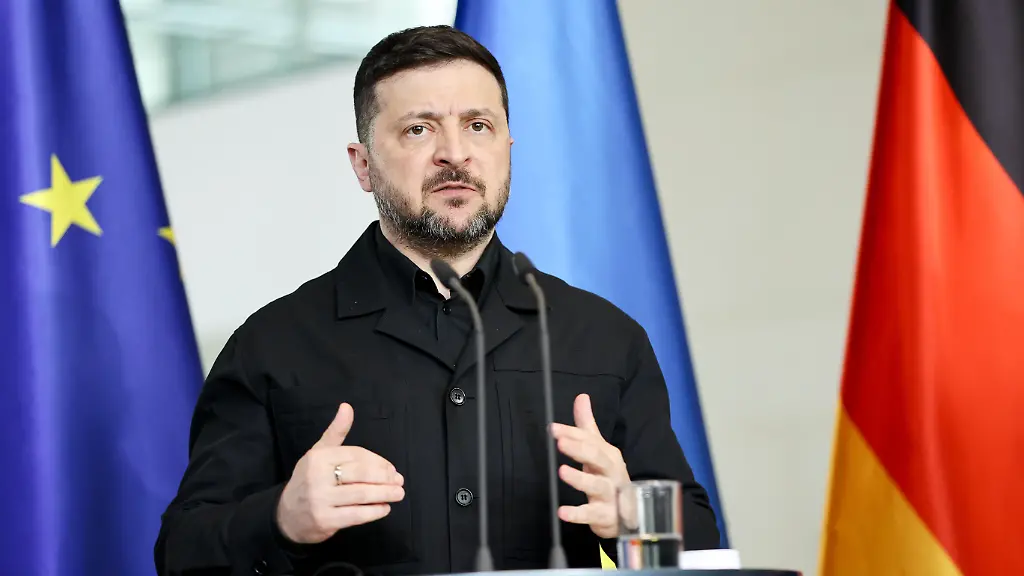
Russia launched its full-scale invasion of Ukraine in February 2022, and the fighting has continued despite repeated diplomatic initiatives and discussions over a ceasefire.
Ukraine has sought strong security commitments from partners, arguing that a temporary halt in fighting would not be sufficient if Russia retains the ability to attack again.
European governments have supported further military aid for Kyiv and developed proposals for a possible multinational force, while seeking an American role in a wider security package.
At their Berlin meeting on Nov 19, the leaders of Ukraine, Germany, France and Britain called for robust and legally binding guarantees to take effect after a ceasefire.
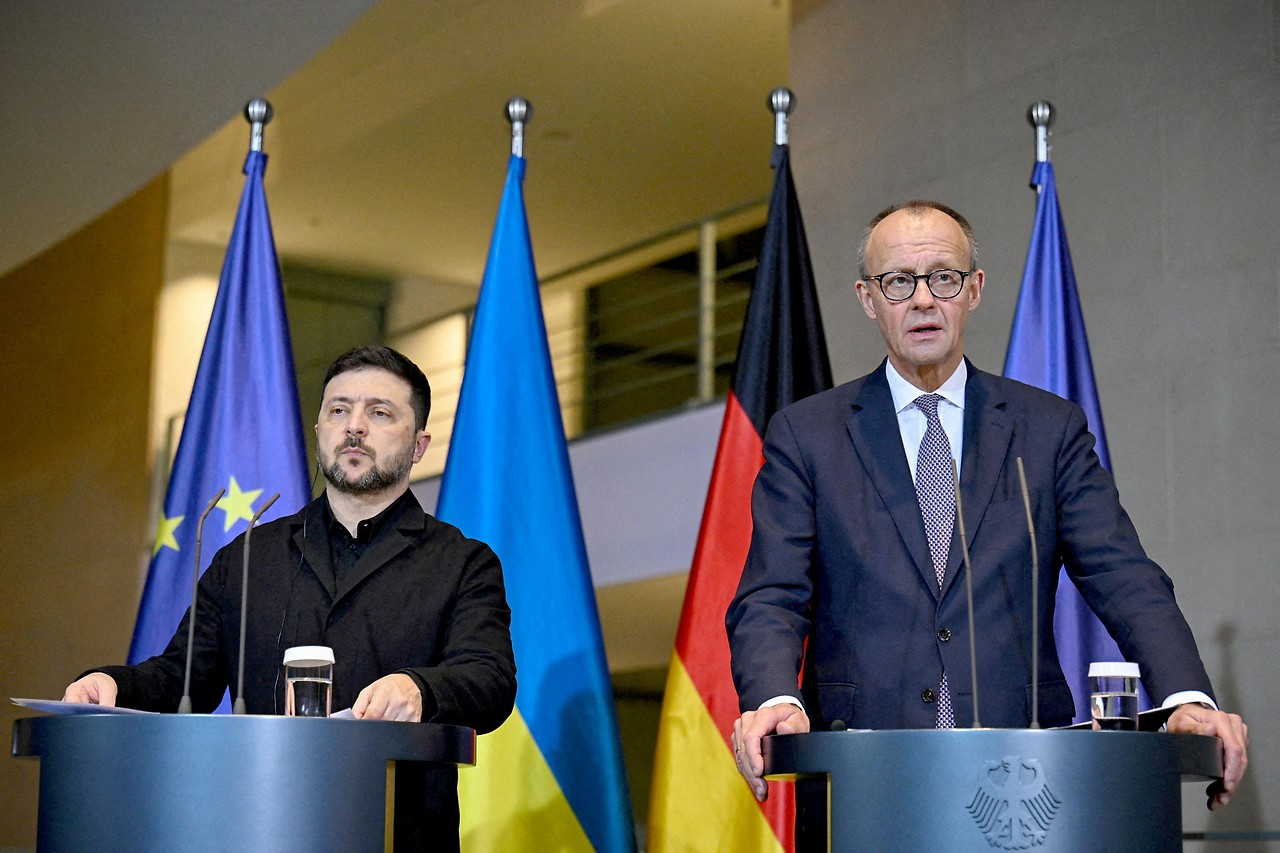
Their statement described several possible components, including sustained assistance for Ukraine’s armed forces, a proposed U.S.-led monitoring mechanism and a European-led multinational force supported by the United States.
It also contemplated a legally binding commitment, subject to national procedures, to take measures to restore peace and security if Russia launched another armed attack.
Those proposals are not a finalized deployment order, and the statement did not specify a commitment to station American ground troops in Ukraine as part of the European-led force.
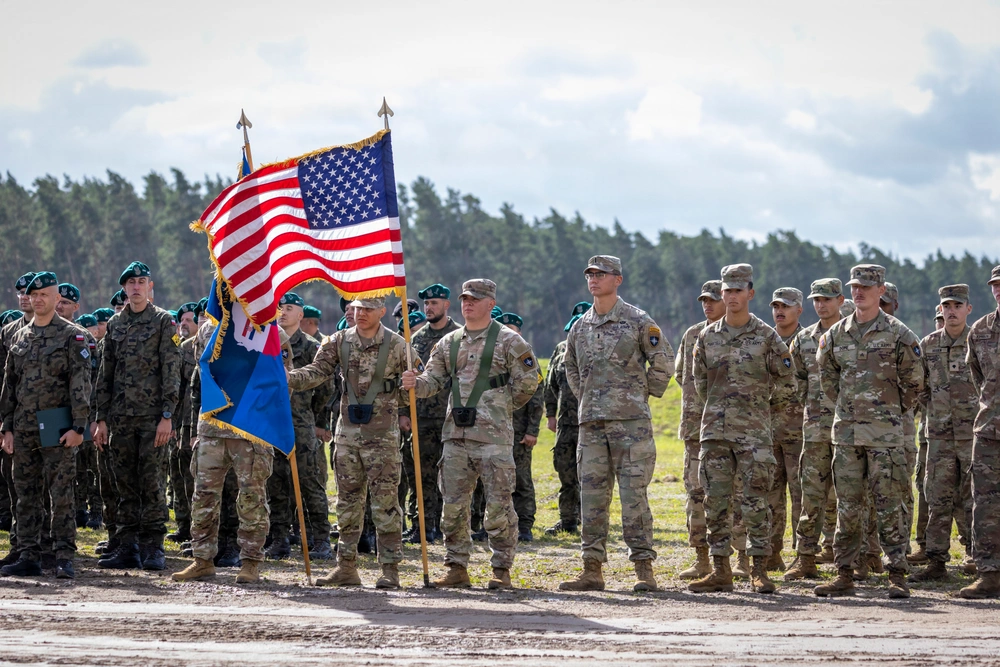
The question of American involvement carries consequences for Congress because lawmakers influence military funding and oversight, while the approval process for a future agreement would depend on its legal form.
Some earlier discussions of a potential guarantee contemplated congressional approval, but the administration has not publicly presented a final instrument defining what lawmakers would be asked to approve.
U.S. officials have previously said American troops would not serve as peacekeepers in Ukraine, although past statements do not settle the terms of any future agreement.
Zelenskyy has described NATO membership as the strongest guarantee for Ukraine and has raised questions about whether partners understand a NATO-style commitment in the same way.
Speaking in Berlin, Kushner said Trump was open to a security guarantee resembling NATO’s Article 5 if it served U.S. interests and formed part of a broader package.
Article 5 concerns collective defense among NATO members, but the alliance explains that each member determines the action it considers necessary, which may or may not involve armed force.
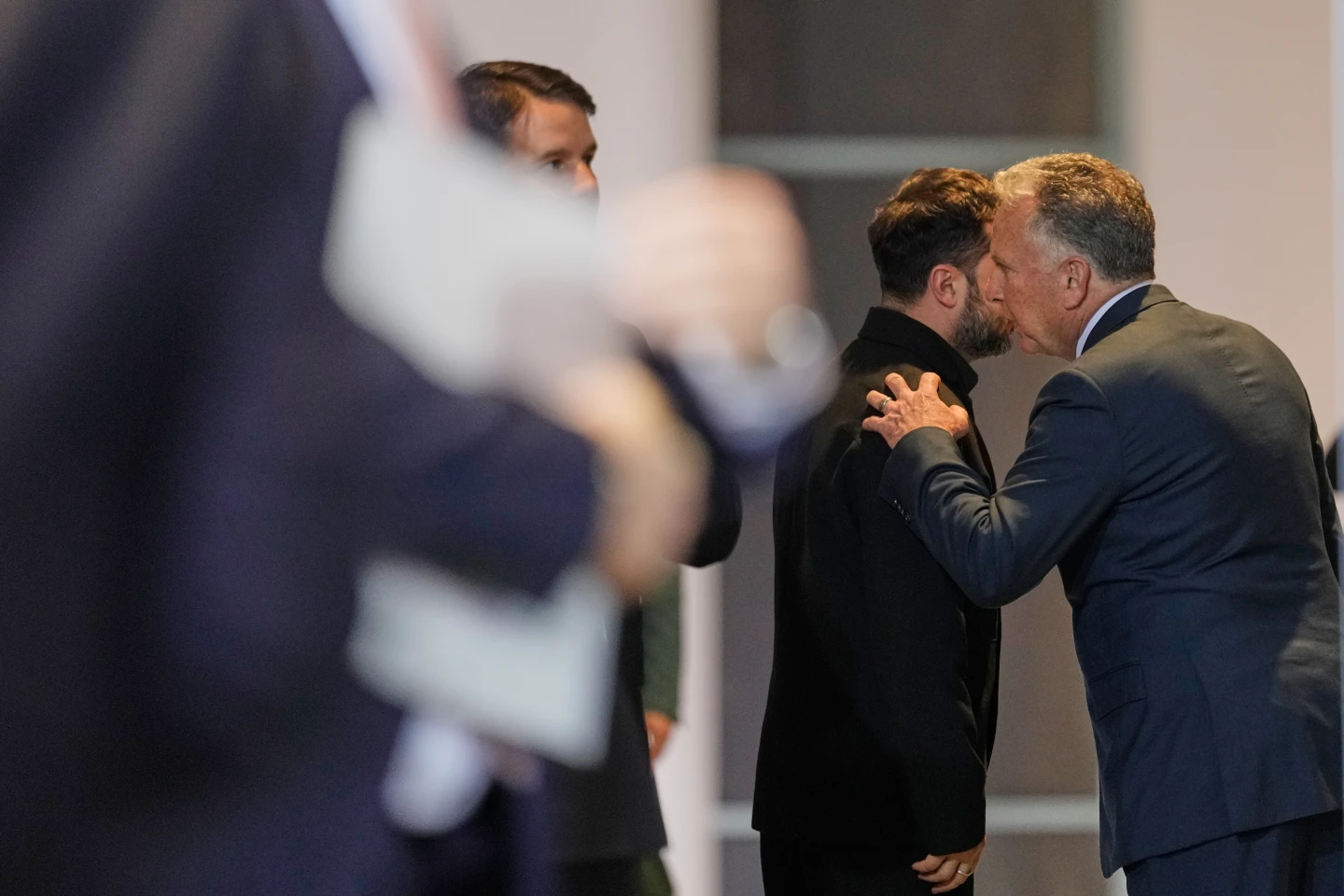
A separate guarantee modeled on that article would depend on its own wording, signatories and approval process, and would not automatically give Ukraine membership in NATO.
No public agreement announced at the Berlin meeting requires U.S. troops to fight in Ukraine, and Kushner did not announce that American ground forces were being deployed there.
Nor does the available reporting establish the specific congressional confrontation described in the claim, leaving lawmakers’ positions on an eventual text to be assessed when one exists.
The plan now under discussion is a possible postwar security package with a European-led force and potential U.S. support, while the terms of any American guarantee and troop role remain unsettled.
Comments (0)
Loading comments...
May You Like


ELON MUSK’S $18 BILLION SPACEX STOCK GIFT FOR EVERY AMERICAN CHILD

IOWA ENVIRONMENTAL DISASTER: 5-TON WASTE BLAST DISPLACES 3,000 FAMILIES!








Popular Posts





