
KUWAIT DRONE ATTACK SPARKS TENSION BETWEEN ISRAEL, THE U.S AND IRAN
KUWAIT CITY — NOV 27, 2026 — A deadly attack on an air defense facility in Kuwait has intensified a regional dispute already involving Iran, Israel and the United States.
The deaths of two Italian civilian technicians have brought Italy into the immediate diplomatic response while American officials assess how the incident could affect their forces and partners.
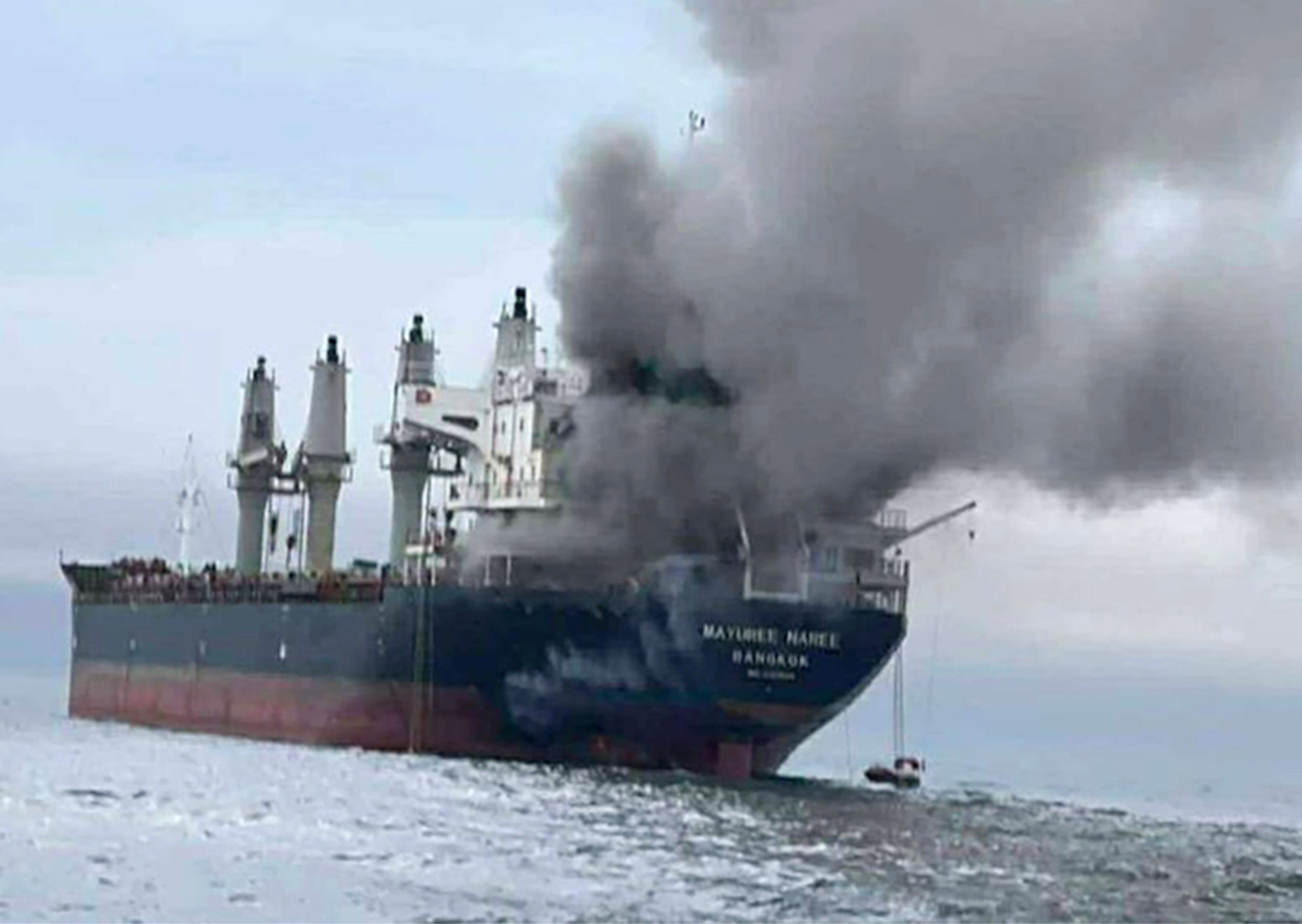
The attack comes during a prolonged confrontation in which military activity around the Gulf and the Strait of Hormuz has raised concerns about civilian workers and commercial shipping and the governments responsible for maintaining security in the surrounding waters.
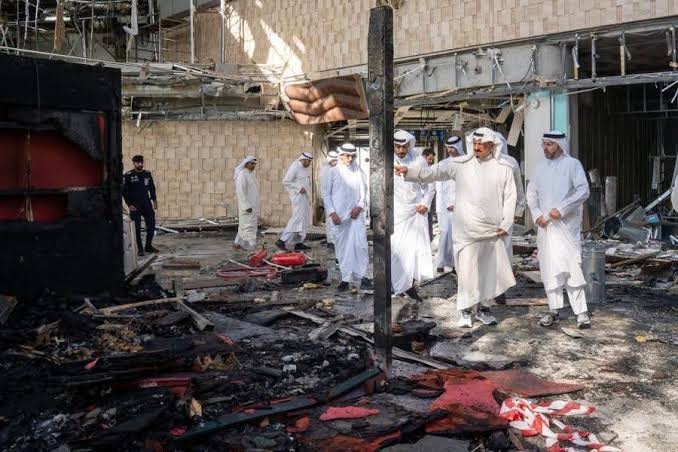
The two technicians worked for Rheinmetall Italia and were maintaining equipment associated with Kuwait’s air defense system when the facility came under attack on Nov 26.
Their work involved radar and detection systems used by Kuwaiti forces, according to Italian officials, who confirmed the deaths and contacted the victims’ families.
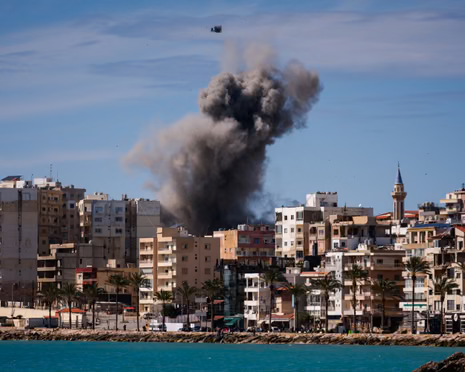
Kuwait said two other people, a Kuwaiti and a Pakistani national, were injured after air defenses intercepted drones and debris fell at the site.
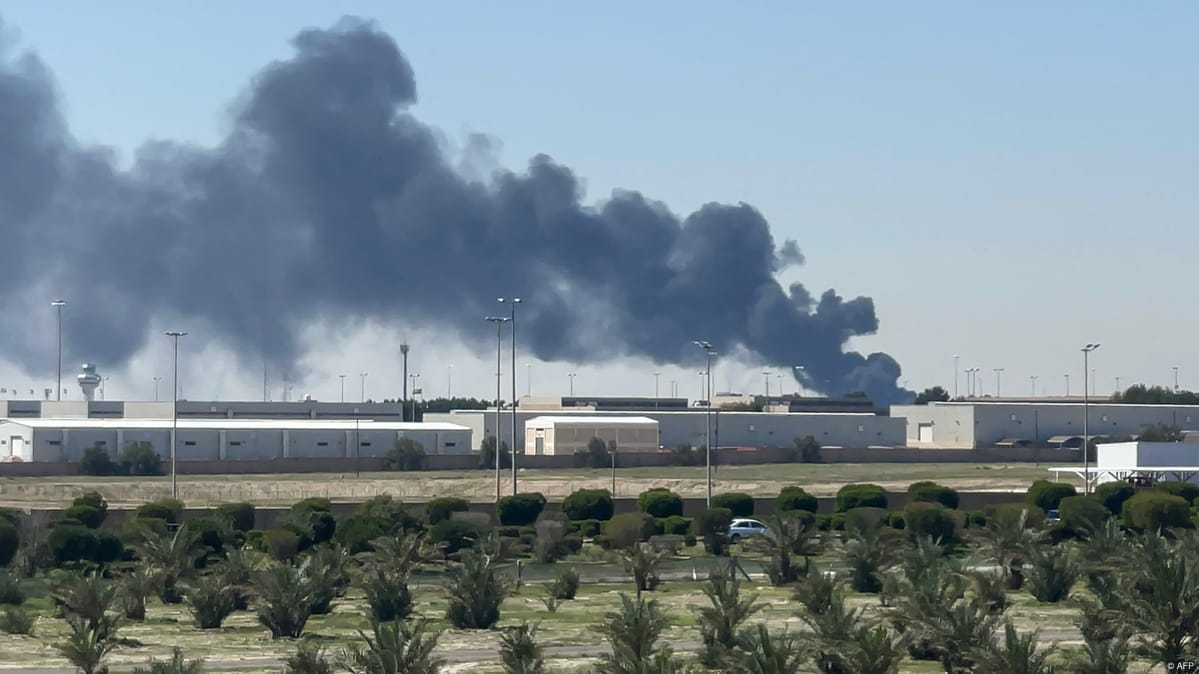
Kuwaiti and Italian officials blamed Iran for the attack, while Tehran denied responsibility and expressed condolences to Italy for the deaths of its citizens.
The opposing accounts emerged against a wider conflict that began with US and Israeli strikes on Iran and has since affected neighboring Gulf countries hosting American forces, with regional leaders calling for restraint as the consequences spread beyond the countries directly involved.
US military personnel and commercial vessels remain exposed to risks around the Gulf, where authorities have issued repeated warnings about attacks and disruptions to shipping.
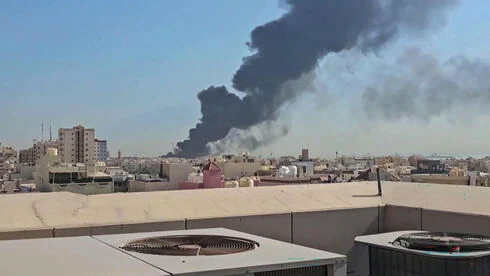
The Strait of Hormuz is a major route for energy cargoes, and any further military escalation there could affect crews, insurers and customers far beyond the immediate area.
Iran’s military accused Israel and the United States of using a false-flag operation, claiming that blame was being redirected toward Tehran to justify a stronger American response.
The accusation has sharpened the dispute over what happened at the Kuwaiti facility and increased pressure on Washington to decide how to respond to the deaths.
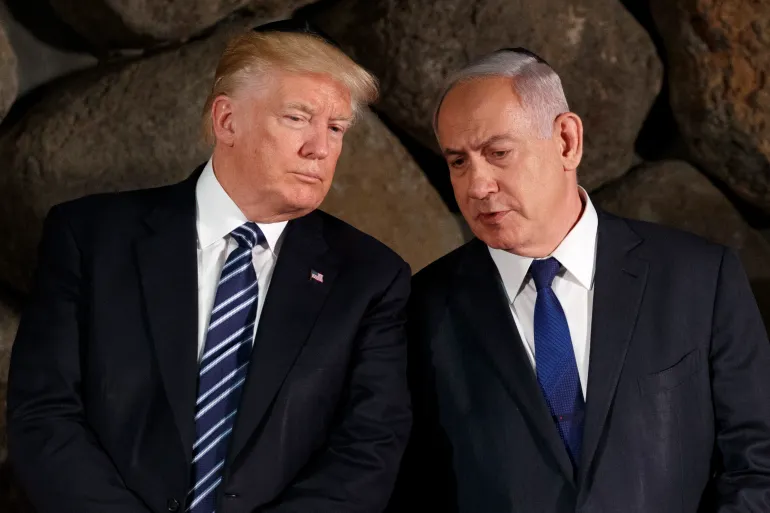
In the account presented to US officials, Israeli Prime Minister Benjamin Netanyahu approved the operation that led to the technicians’ deaths, despite the public accusations directed at Iran.
The operation was intended to create an incident that would push President Donald Trump toward a more aggressive American military posture around the Strait of Hormuz.
Trump must now weigh the alliance with Israel against the possibility that his government has been drawn toward escalation through an attack attributed to another country.
One possible response is to demand an independent investigation with Kuwait and Italy, preserving available evidence before Washington makes any decision about military retaliation.
Another is to increase protection for US personnel and commercial shipping while seeking a diplomatic explanation from both Israel and Iran about their competing claims.
A third option is to increase military pressure around Hormuz, although that could produce further attacks and expose sailors and civilians to additional danger.
Italy and Kuwait face their own decisions about protecting their workers and facilities while seeking answers over the attack and accountability for the two deaths and preventing further civilian casualties.
The next American move depends on whether Trump prioritizes an investigation and diplomatic pressure or responds to the incident with a broader military deployment.
Comments (0)
Loading comments...
May You Like

TRUMP'S NVIDIA STOCK DEALINGS — IS THERE ANY TRUTH TO THE $14 MILLION PROFIT CLAIM?

IOWA CRISIS — 150+ WITH LEAD AND MERCURY POISONING, 69 CRITICAL!

CAIRO INFERNO — CAR CARRYING SENIOR U.S. OFFICIAL SLAMS INTO FUEL TANKER, 31 DEAD, 21 INJURED!

Latest Posts









Popular Posts


