Lower-cost beef imports have arrived. Are you buying U.S. meat
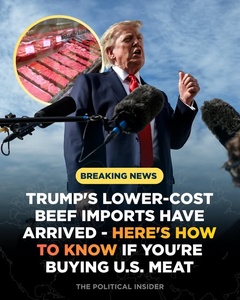
WASHINGTON — The first shipments of beef covered by President Donald Trump’s temporary import initiative began entering the United States in September, as officials seek to ease record-high meat prices.
A New Beef Import Push
The policy took effect September 1 and allows an additional 300,000 metric tons of lean beef trimmings into the United States through expanded tariff-rate quota access over three months.
Trump’s administration says the move is intended to increase supplies and reduce costs for consumers facing record beef prices, with imported products expected to enter at more favorable tariff rates.
The additional quota is divided into three 100,000-ton tranches, with the first covering September, the second October, and the final tranche beginning later in October.
The imported product is not primarily premium steak. Instead, it consists of lean beef trimmings, which processors can combine with fattier domestic beef to produce ground beef.
Trump has said the imported beef should be sold at 25% below the prevailing import price, although that target does not automatically mean supermarket prices will fall by 25%.
Where Is The Beef Coming From?
Trump identified Argentina and Brazil as sources of the imported beef, while the broader arrangement allows eligible foreign suppliers to use the expanded quota.
Argentina’s beef shipments to the United States had already surged during 2026, with exports to the American market accounting for a growing share of Argentina’s overall beef shipments.
Brazil is also a major global beef exporter, although its access to the American market has been affected by the broader tariff environment surrounding Brazilian goods.
The policy comes as the U.S. cattle herd remains near its lowest level in roughly 75 years, contributing to tighter supplies and historically high retail beef prices.
Drought, wildfires and restrictions affecting Mexican livestock imports have added pressure to domestic supplies, while USDA forecasts indicate U.S. beef production could decline about 4% from 2025 levels.
Why Ranchers Are Worried
American cattle producers have criticized the import expansion, arguing that cheaper foreign beef could put downward pressure on cattle prices and weaken incentives to rebuild the domestic herd.
Several Republican lawmakers representing cattle-producing states have also questioned the strategy, highlighting tension between short-term consumer affordability and longer-term concerns about domestic ranching.
Economists have cautioned that cheaper imported beef does not necessarily translate directly into substantially cheaper supermarket prices because processors, distributors and retailers determine how savings reach consumers.
The quantity is substantial but remains limited relative to total American beef consumption. The White House describes the measure as a temporary response to shortages affecting the ground-beef supply chain.
How Can Shoppers Tell If Beef Is American?
Food-safety requirements still apply to imported meat. Beef entering the United States must meet federal inspection standards, and the tariff change does not remove USDA oversight.
Consumers should remember that “USDA Prime,” “Choice” and “Select” are quality grades, not country-of-origin designations, so those labels alone do not prove the beef is American.
Country-of-origin information can be more complicated for ground beef because current federal rules do not require the same production-step information for ground meat as they do for certain muscle cuts.
On September 4, Trump signed an order addressing country-of-origin labeling, but Reuters reported that it stopped short of restoring mandatory labeling and indicated congressional action could still be necessary.
For shoppers, the practical approach is to read package information carefully rather than assume meat labeled “packed” or “processed” in America necessarily came from American cattle.
The beef debate therefore reflects a broader policy dilemma: the administration is pursuing immediate relief from high food prices while ranchers seek conditions that support rebuilding America’s domestic cattle supply.
Comments (0)
Loading comments...
May You Like

Obama Steps Back Into the Political Spotlight as Democrats Target Trump’s Senate Majority
Obama Steps Back Into the Political Spotlight as Democrats Target Trump’s