
LOWE'S HOME IMPROVEMENT STORE CARD SKIMMING—20,000 BANK ACCOUNTS COMPROMISED, $15 MILLION GONE!
Lowe’s Card-Skimming Arrest Raises Questions About Nationwide Fraud Network, Stolen Banking Data and Missing Suspect
TAMPA, Florida — November 24, 2026 — A credit card skimming investigation at a Lowe's Home Improvement store in Hillsborough County has raised concerns about the security of everyday financial transactions after authorities arrested a man they believe is associated with a nationwide criminal enterprise.
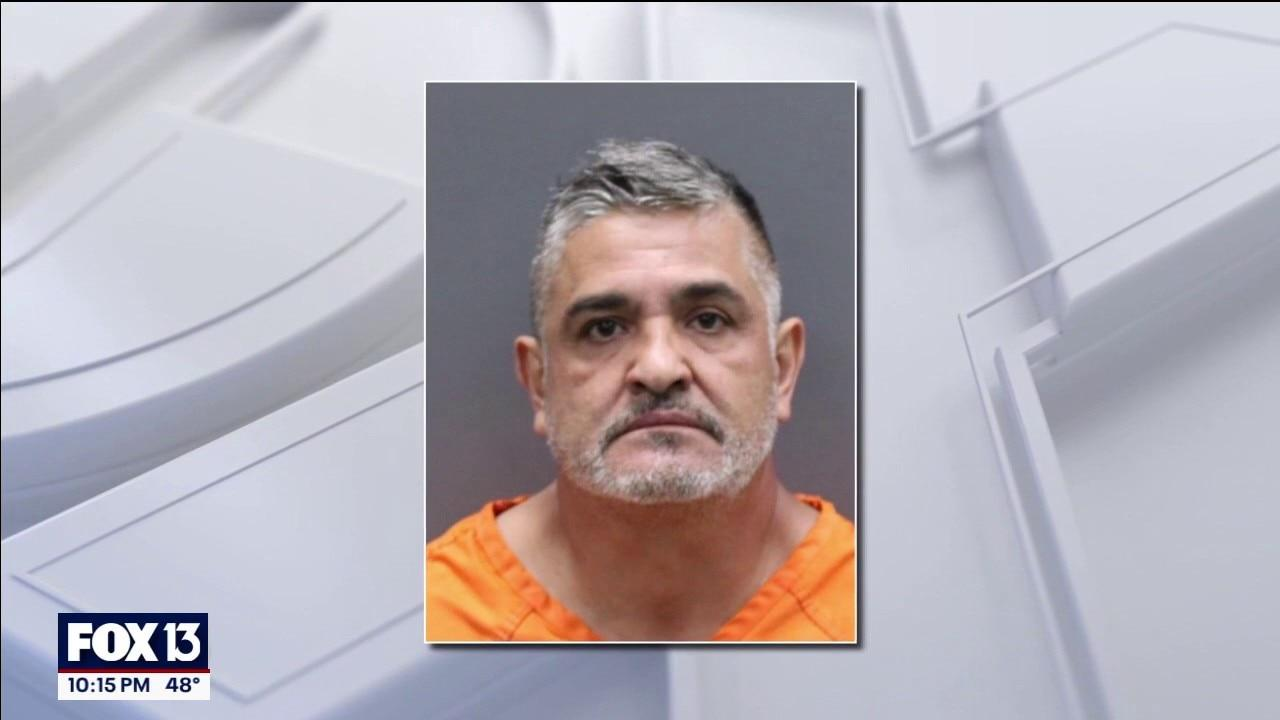
The Hillsborough County Sheriff's Office, known as HCSO, identified the arrested suspect as Nicolaie Vladescu, 45, who provided a residential address in Seattle, Washington. Deputies arrested him on November 19 following the discovery of an unauthorized electronic device attached to a payment terminal inside the retailer.
A second suspect remains unidentified, prompting investigators to release surveillance footage and request assistance from the public.
According to reporting on an arrest affidavit, investigators identified 73 payment cards allegedly recorded by the device during approximately three hours of exposure. The discovery has raised questions about whether the incident was isolated or connected to a substantially larger fraud operation.

For customers visiting the Lowe's store at 6275 West Waters Avenue, November 19 appeared to be an ordinary shopping day. Transactions continued as customers purchased household supplies, construction materials and other merchandise.
Behind those routine purchases, however, authorities allege that an unauthorized electronic device was collecting sensitive payment information.
The discovery came after a customer experienced difficulty completing a transaction. According to reporting on the arrest affidavit, store employees examining the payment terminal discovered the suspicious device.
The incident immediately raised concerns because customers had continued using the machine before the discovery.
Unlike conventional theft, payment card skimming may leave customers unaware that their financial information has been exposed. A transaction can appear to proceed normally, and the customer may leave the store without any indication that something unusual has occurred.
The consequences may become apparent only when unauthorized financial activity appears on an account.
The Hillsborough County Sheriff's Office subsequently released surveillance footage showing two men near a self-checkout terminal.
Investigators allege that the recordings document their involvement in installing the unauthorized device. The footage became an important part of the investigation after employees discovered the equipment and reviewed activity surrounding the affected terminal.
Authorities later encountered the men when they allegedly returned to the store. Loss-prevention personnel alerted law enforcement, resulting in Vladescu's arrest.
The second individual escaped arrest and remains the subject of a public identification appeal.
The recordings have since circulated across local television stations and social media platforms, attracting attention from consumers concerned about the security of payment machines at major American retailers.
For investigators, identifying the second individual could help establish whether additional people participated in the operation and whether other businesses were targeted.
One of the most significant details to emerge from reporting on the investigation concerns the period during which the unauthorized device remained inside the store.
Local 10 News reported that the payment terminal remained compromised for approximately three hours before the equipment was discovered.
Separate reporting based on the criminal affidavit said investigators had identified 73 payment cards whose information was allegedly recorded during that period.
The figure illustrates how a single affected payment terminal at a busy retail location can potentially expose dozens of customers within a relatively short period.
Determining the actual financial consequences will require examination of banking records and information from affected cardholders.
Investigators must also distinguish between the number of payment cards involved, the number of individual customers affected and the amount of money ultimately lost.
Those figures may differ considerably.
The financial consequences of the alleged skimming operation remain one of the most important unresolved aspects of the case.
Claims of $15 million in missing funds and 20,000 compromised bank accounts would suggest a criminal operation substantially larger than the activity documented at the Tampa store.
However, one of the felony charges associated with Vladescu's arrest involves fraudulent use of personal information under a classification covering more than $100,000 or at least 30 victims.
That classification is significant because it indicates the seriousness of the allegations. It does not, by itself, establish that investigators have traced a particular amount of stolen money.
Determining where any proceeds went would require financial evidence connecting unauthorized transactions to their recipients.
Bank records, transaction histories and other legally obtained evidence could help establish whether compromised payment information was subsequently used to obtain money or merchandise.
Until that analysis is completed, the total financial impact of the Tampa incident remains unresolved.
The Hillsborough County Sheriff's Office identified Vladescu as a 45-year-old man associated with what authorities described as a known nationwide criminal enterprise.
His reported Seattle address has raised questions about the geographical reach of the investigation, given that the arrest occurred approximately 2,500 miles away in Florida.
Public records list four felony allegations, involving unauthorized skimming equipment and fraudulent use of payment or personal information.
Vladescu is presumed innocent unless proven guilty. The allegations against him will be subject to examination through the judicial process, where prosecutors must establish the elements of the charged offenses.
Although authorities have made one arrest, the second individual appearing in the surveillance footage remains unidentified in the latest public reporting.
His identity could become important in determining the relationships between the suspected participants.
Investigators may seek to establish whether the two men had previously traveled together, whether they were associated with other reported incidents and whether their activities extended beyond the Tampa area.
Such findings could help authorities determine whether the incident involved a limited operation or formed part of a more extensive criminal organization.
The sheriff's office has requested information from anyone who recognizes the second individual shown in its released footage.

Payment card skimming involves the unauthorized collection of information associated with a credit or debit card. Criminals may attempt to exploit that information to conduct fraudulent financial transactions.
For affected consumers, the consequences can extend beyond the immediate loss of money.
Unauthorized transactions may interfere with household expenses, available credit or access to funds needed for everyday purchases. Customers may also have to replace payment cards, update recurring payments and spend time resolving disputes with financial institutions.
Debit card fraud can be particularly disruptive because unauthorized transactions may temporarily reduce the money available in a customer's checking account.
Older Americans and households relying on fixed monthly incomes may experience additional difficulties if essential funds become temporarily unavailable.
The Tampa investigation illustrates why the security of payment infrastructure remains important even at familiar, established retail businesses.
The sheriff's description of Vladescu's alleged nationwide criminal connections has generated questions about whether similar activity may have occurred at other retail locations.
However, establishing links between separate incidents requires more than identifying comparable types of financial fraud.
Investigators would need corroborating evidence demonstrating connections among suspects, affected businesses and financial transactions.
A nationwide criminal investigation could involve cooperation between local police departments, financial institutions and federal law enforcement agencies.
Such cooperation may help authorities recognize related incidents that initially appeared to be isolated.
One challenge in understanding payment card fraud involves distinguishing between compromised information and completed financial theft.
A compromised card is one whose information may have been obtained without the cardholder's permission. An unauthorized transaction occurs when someone uses payment information to conduct financial activity without authorization.
Banks and payment networks use security systems intended to identify unusual account activity. Transactions may be declined, and customers may receive requests to verify purchases.
The distinction is especially relevant to the Lowe's case because investigators have reportedly identified dozens of potentially affected payment cards. The extent to which that information was subsequently misused remains a separate question.
A complete financial assessment would need to establish both the exposure of payment information and the resulting losses.
 Banks and credit card companies could play an important role in determining the consequences of the alleged operation.
Financial institutions maintain transaction records that may reveal whether customers used their cards at a particular business before experiencing unauthorized account activity.
Investigators can compare legally obtained records to identify possible relationships between compromised transactions and subsequent suspicious purchases or withdrawals.
Such analysis can also help distinguish fraud connected to the Tampa incident from unrelated financial crimes.
The process may take time because customers do not necessarily discover unauthorized transactions immediately.
Some financial institutions may identify suspicious activity before customers notice it, while other cases may become apparent only during a later account review.
These circumstances help explain why financial exposure and confirmed losses may be reported at different stages of an investigation.
The discovery of an unauthorized device at Lowe's also raises broader questions about the responsibilities of businesses operating thousands of payment terminals across the United States.
Retailers must balance customer convenience with the need to maintain secure payment systems.
Routine equipment inspections, employee training and procedures for responding to suspicious transactions can contribute to preventing financial fraud.
In the Tampa incident, store personnel played a significant role in identifying the suspected equipment and alerting authorities.
That intervention appears to have prevented the device from remaining attached for a longer period.
For the retailer, the incident highlights the continuing importance of physical security alongside digital protections.
Consumers who believe their payment information may have been compromised can review their bank and credit card accounts for unfamiliar transactions.
Customers can contact their financial institutions using official applications, websites or the telephone number printed on their payment cards.
Banks may recommend temporarily locking an affected card, replacing it or initiating a dispute concerning unauthorized transactions.
Keeping purchase receipts and transaction records can also help customers establish when and where their cards were used.
Federal protections concerning unauthorized credit and debit card transactions vary depending on the type of account and how quickly the customer reports the incident.
Prompt reporting therefore remains an important part of limiting potential financial harm.
The most consequential statement released by the Hillsborough County Sheriff's Office concerns its description of Vladescu's alleged connection to a nationwide criminal enterprise.
That assessment suggests authorities are considering information extending beyond the immediate circumstances of the Lowe's arrest.
Nevertheless, the public record currently provides limited information concerning the organization itself.
The investigation may become broader if authorities identify connections with other criminal cases.
For now, the discovery of the device, the surveillance recordings, the reported exposure of 73 payment cards and the arrest of one suspect represent the principal documented elements of the case.
The unidentified second suspect remains one of the most important outstanding questions.
The Lowe's incident demonstrates how an ordinary shopping trip can become the starting point of a complex financial investigation.
For investigators, the next challenge involves identifying the remaining suspect, establishing the extent of any unauthorized transactions and determining whether additional incidents are connected to the alleged enterprise.
For affected customers, the immediate concern is whether their payment information remains secure and whether unauthorized activity has appeared in their accounts.
The surveillance footage provides investigators with an important record of the suspected activity inside the Tampa store. Financial documentation may ultimately provide answers about the destination and value of any stolen funds.
As of November 24, the total amount of money lost remains unresolved. The investigation's broader significance will depend on whether authorities can establish connections between the Florida incident and other financial crimes across the United States.
Comments (0)
Loading comments...
May You Like

IOWA NIGHTMARE: SECOND ARMY BLAST, 10,000 EVACUATED, 201+ HOSPITALIZED!

10,000 CIA AND U.S. SPY RECORDS LEAKED—3 INTELLIGENCE AGENCIES ORDER EMERGENCY REVIEWS!

AMERICA’S NEW-GENERATION AIRCRAFT CARRIERS — MILITARY MIGHT BUILT AT THE EXPENSE OF THE PEOPLE












