
LOWE'S SKIMMER CASE SPREADS TO 50 STORES! WHO USED THE MISSING SUSPECT'S ID?
Lowe's Card-Skimmer Arrest Raises Questions About Nationwide Fraud Network and Identified Second Suspect
TAMPA, Florida — November 23, 2026 — A suspected credit-card skimming operation at a Lowe's home improvement store has led to one arrest and a search for a second man, raising concerns about payment security and the possible reach of a criminal network that investigators say operates nationally.
The Hillsborough County Sheriff's Office identified the arrested suspect as Nicolaie Vladescu, 45, who provided a Seattle address.
Deputies responded to the store at 6275 West Waters Avenue shortly after 8 p.m. on November 19, after a suspicious device was discovered attached to a payment terminal.
Investigators said two men returned to retrieve the device but were spotted by store loss-prevention personnel.
Surveillance footage has become a central part of the investigation, showing how the device was allegedly installed and how one man appeared to conceal the other's actions.
The case has also raised a broader question: whether the Tampa incident was isolated or part of a larger operation involving additional locations. 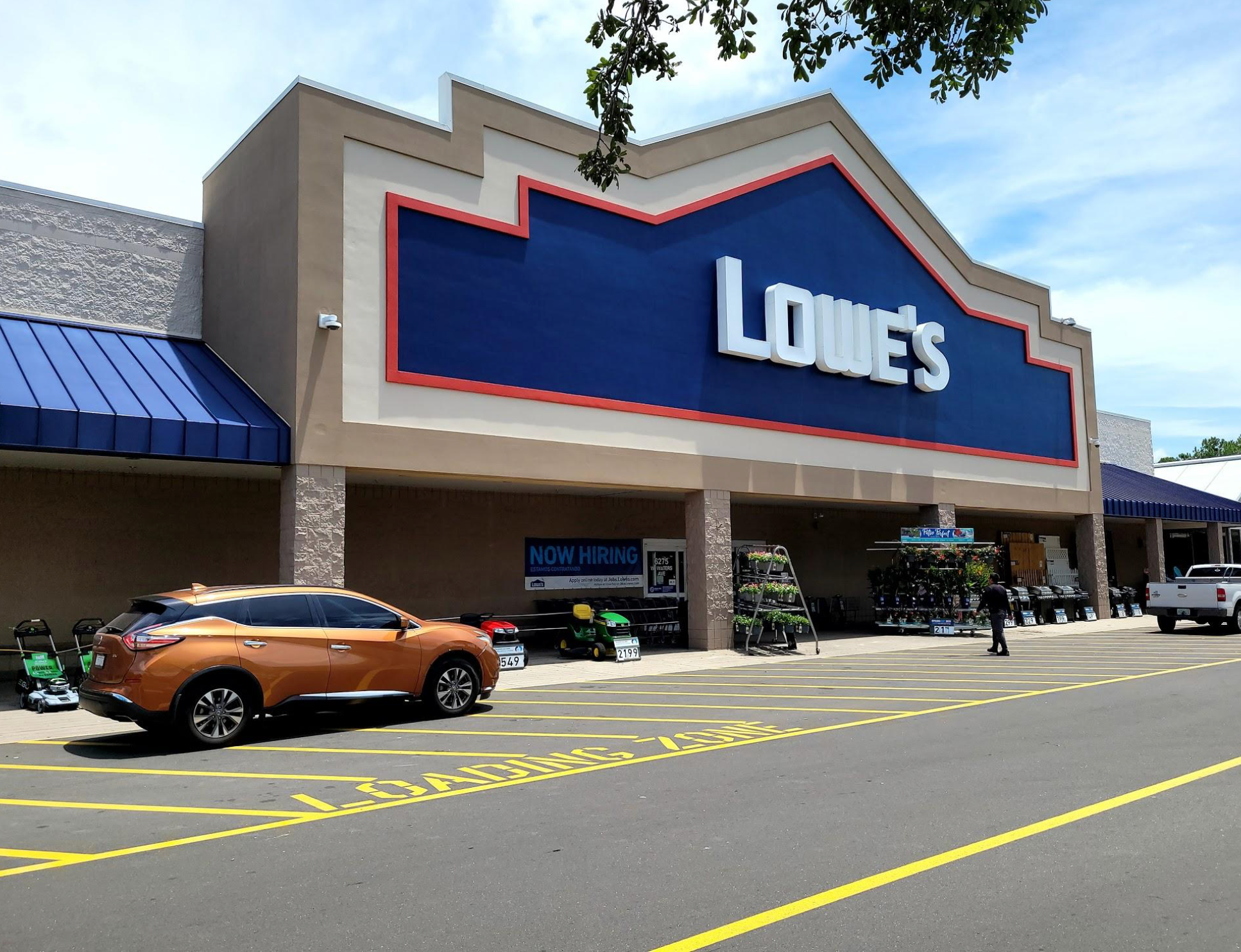
The case began with a payment terminal inside a Lowe's store in the Tampa area.
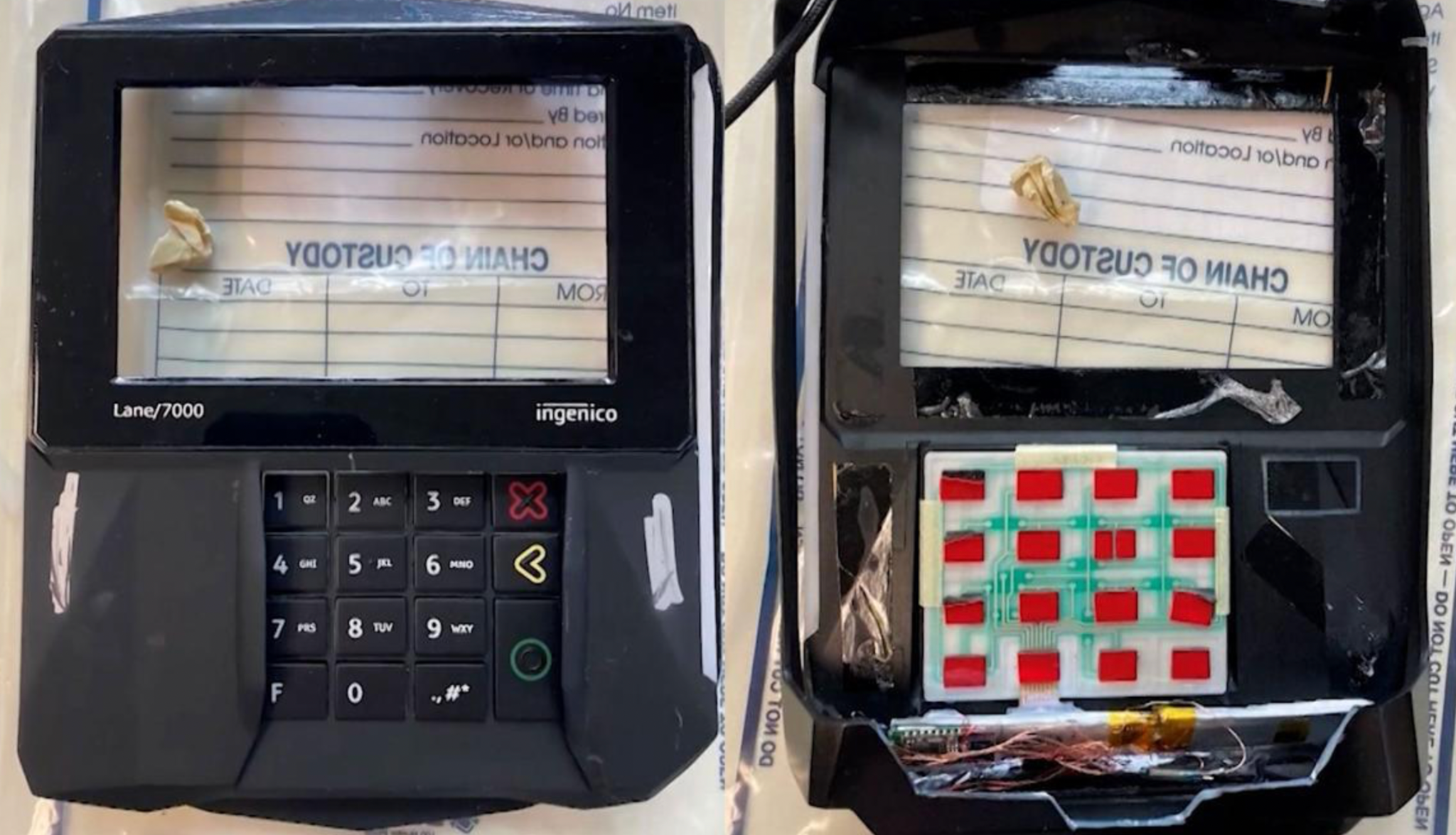
According to the sheriff's office, a card-skimming device had been attached to the machine.
Such devices are designed to capture payment-card information without the cardholder's knowledge.
The discovery prompted a law-enforcement response.
Deputies arrived shortly after 8 p.m. on Thursday, November 19.
Store loss-prevention personnel had noticed two men who allegedly returned to collect the device.
The employees' observations helped police identify a suspect before he could leave.
Investigators arrested Vladescu at the location.
The incident immediately became more than a routine report of suspicious equipment because investigators alleged that the arrested man was associated with a nationwide criminal enterprise.
Surveillance video provided investigators with important evidence.
According to reporting based on the sheriff's office account, two men appeared together at a self-checkout register.
One man allegedly attached the skimming device to the card reader.
The second held a cardboard moving box in a position that appeared to conceal the installation from nearby observers.
The footage offered investigators a way to reconstruct the suspects' actions.
It also provided images of the second individual.
However, a recording of someone near a payment terminal does not establish every element of a criminal charge.
Investigators must determine who installed the device, whether it functioned and what information it may have collected.
The sheriff's office has publicly sought assistance identifying the second man.
Deputies identified the arrested suspect as 45-year-old Nicolaie Vladescu.
He reportedly gave authorities a residential address in Seattle, Washington.
The sheriff's office said he was connected to a known nationwide criminal enterprise.
That description suggested investigators had information extending beyond the immediate Tampa incident.
However, officials did not disclose the name of the alleged organization or explain the evidence linking Vladescu to its activities.
The arrest led to several felony charges involving skimming equipment and personal information.
The allegations must be tested through the legal process.
An arrest is not a conviction.
The investigation remains active as authorities seek to identify the second man and determine the extent of any financial harm.
Local reporting identified four felony allegations against Vladescu.
They include possession of a skimming device and fraudulent use of a payment-card skimmer.
He also faces allegations involving fraudulent use of personal information.
One charge concerns personal information involving more than $100,000 or 30 or more victims under the relevant statutory category.
That legal description requires careful interpretation.
It does not independently establish that investigators have confirmed $100,000 in losses or identified 30 victims from the Lowe's terminal.
The charging language identifies the nature of the allegation.
The actual number of affected customers and the amount of any confirmed losses have not been publicly established.
Those details may emerge through court proceedings or further investigative disclosures.

The unidentified second man is a central focus of the case.
Investigators believe he accompanied Vladescu during the activity involving the payment terminal.
Surveillance footage reportedly shows him holding a moving box while the other man worked near the card reader.
Authorities have not publicly identified him.
Nor have they announced an arrest in connection with his alleged involvement.
The sheriff's office has asked anyone who recognizes him to contact investigators.
His identity could help authorities understand whether the two men operated together regularly.
It could also clarify whether the Tampa incident involved additional people or locations.
But those questions remain investigative possibilities rather than established findings.
The available evidence does not show that the second man assumed Vladescu's identity or used it after the arrest.
The sheriff's office's description of Vladescu as part of a nationwide criminal enterprise is one of the case's most significant details.
It suggests investigators believe the suspect's alleged activity extends beyond one store.
Card-skimming operations can involve multiple participants performing different tasks.
Some may install devices.
Others may retrieve them or attempt to use stolen payment information.
Nor have they announced a confirmed list of affected retail locations.
That figure would require additional investigative findings.
The claim that 50 Lowe's locations were linked to the case would substantially expand its reported scale.
A confirmed multi-store investigation could involve different police jurisdictions, retail security teams and financial institutions.
Investigators might need to compare surveillance footage, payment-terminal records and suspected devices recovered from separate locations.
But the reports currently available identify one specific Lowe's store at 6275 West Waters Avenue.
No official list of 50 affected locations has been released.
The sheriff's office did not identify 50 stores in its public account.
The difference matters for customers.
A suspected nationwide criminal network does not automatically mean that every store in a particular chain has been targeted.
Customers should not be told that their cards were compromised solely because they shopped at Lowe's.
Another element of the circulating story concerns a car allegedly discovered at an airport.
Such a finding could be important in a criminal investigation if it were supported by police records.
A vehicle might contain travel documents, payment equipment or other evidence.
Investigators could also examine ownership and rental records.
Card skimming is a form of payment fraud involving devices that capture information from cards used at terminals or automated teller machines.
Some devices are designed to collect information from magnetic stripes.
Others may be fitted over or inside payment equipment.
The captured information can potentially be used to facilitate unauthorized transactions.
The U.S. Secret Service has warned that criminals can install certain skimming devices quickly.
Their appearance may make them difficult for ordinary shoppers to recognize.
Investigators often rely on store inspections, surveillance footage and financial records to detect such activity.
Self-checkout terminals allow customers to complete purchases without a cashier handling each transaction.
They are common in large retail stores.
The technology provides convenience, but it also creates a need for security monitoring.
Payment devices must remain protected against tampering.
The alleged activity illustrates why physical access to payment equipment matters.
The reported case concerns a device attached to a card reader.
Loss-prevention personnel played an important role in the arrest.
Their observations helped deputies respond while a suspect was still at the store.
Retail loss-prevention teams investigate theft, fraud and other security incidents.
They may review surveillance footage and examine suspicious activity around payment terminals.
In this case, the employees' actions helped preserve a potential opportunity for investigators to identify the people associated with the device.
The incident also illustrates the value of cooperation between retail security and local law enforcement.
That timing remains important for assessing possible customer exposure.
The duration of the device's presence is one of the most important unanswered questions.
If investigators determine when it was installed, they may be able to identify transactions processed during that period.
That information could help establish whether particular cards were exposed.
Surveillance footage may provide a timeline.
Payment-terminal records and forensic examination could offer additional evidence.
It would therefore be premature to claim that every customer using the store's self-checkout registers during a particular week or month was affected.
The investigation must first establish the relevant exposure window.
The discovery of a skimming device raises concerns about customer payment information.
Investigators must examine its condition and capabilities.
They may also need to determine whether stored information can be recovered.
Banks could examine transaction patterns for evidence of unauthorized use.
A transaction at the store can appear normal.
If information has been captured, unauthorized activity could occur later.
That delay can make it difficult to connect a fraudulent charge to a particular location.
Investigators may need to compare the transaction histories of multiple victims.
Financial institutions may also identify patterns involving cards previously used at the same terminal.
These techniques can help establish whether a skimming device caused actual losses.
The Tampa incident occurred amid broader concern about card-skimming crimes in the United States.
The Secret Service has warned that criminals target automated teller machines and point-of-sale terminals.
In August 2026, CBS News reported on Secret Service operations examining payment devices at hundreds of retail locations in Los Angeles.
The report described the financial risks posed by skimming equipment.
Those investigations demonstrate that the problem extends beyond any single retailer.
Nor do they show that 50 Lowe's stores were affected.
The broader trend provides context for why local investigators treat a recovered skimmer seriously.
A single device can be part of a larger criminal operation, but the extent of that operation must be demonstrated through evidence.
If investigators suspect activity in several states, coordination becomes important.
Local police may need to exchange surveillance images and descriptions of recovered devices.
Financial institutions could provide records relevant to suspected fraudulent transactions.
Retail security teams may examine whether similar incidents occurred at other stores.
Federal agencies can become involved when criminal activity crosses state lines.
The evidence must still connect particular incidents to the same suspects or organization.
That leaves the geographic extent of the alleged operation unresolved.
The investigation involves two separate identity issues.
The first is the identity of the second man recorded at the Lowe's payment terminal.
The sheriff's office has asked the public to help identify him.
The second concerns allegations of fraudulent use of personal information.
Such charges may involve misuse of identifying data, depending on the facts established in court.
They have reported his arrest.
Identifying the second man could help investigators reconstruct the alleged activity at the store.
They may seek information about how the two men met and whether they had previously worked together.
Investigators could also examine whether the second man had access to additional payment devices.
Travel records or financial evidence might become relevant if supported by the investigation.
The second man's identity remains unknown.
The surveillance footage provides a starting point rather than a complete account of his activities.
Those questions would require specific evidence beyond the existing reports.
The U.S. Secret Service recommends that cardholders contact their card issuer promptly if they suspect skimming.
Consumers can request a replacement card and monitor account activity.
The agency also recommends using contactless payment or a chip transaction instead of a magnetic-stripe swipe when available.
The Federal Trade Commission advises consumers to review statements and report unauthorized charges immediately.
These precautions apply broadly to payment-card fraud.
Prompt reporting can help limit losses and support an investigation.
Credit cards generally provide strong protections against unauthorized charges.
Debit-card protections can depend on how quickly the customer reports suspicious activity.
The FTC emphasizes that reporting delays may increase a consumer's potential financial responsibility.
That makes regular account monitoring important.
Customers should review transactions rather than waiting for a monthly statement if they suspect fraud.
Banks may also offer transaction alerts.
Those alerts can help customers notice unfamiliar charges.
The rules are relevant to any suspected skimming incident, including the Tampa investigation.
Investigators must preserve evidence that could establish how the device was used.
The recovered equipment may be examined for stored information and technical characteristics.
Surveillance footage can help establish when individuals approached the terminal.
Witness accounts may provide additional context.
Financial records could become relevant if unauthorized transactions are identified.
Together, those materials can help prosecutors evaluate the allegations.
But each piece of evidence has limits.
A video may show physical activity without revealing what data was collected.
A device may demonstrate the ability to capture information without establishing that it actually did so.
A reliable conclusion requires investigators to connect the evidence to specific conduct.
That process remains ongoing.
Lowe's publicly describes the use of security cameras and other monitoring technologies in its stores.
Its privacy statement explains that cameras may operate near checkout areas and other locations.
The company says these systems support safety, security and investigations.
That general policy provides context for how surveillance footage can become available during a retail fraud investigation.
Nor does it show that the company identified a nationwide compromise of payment terminals.
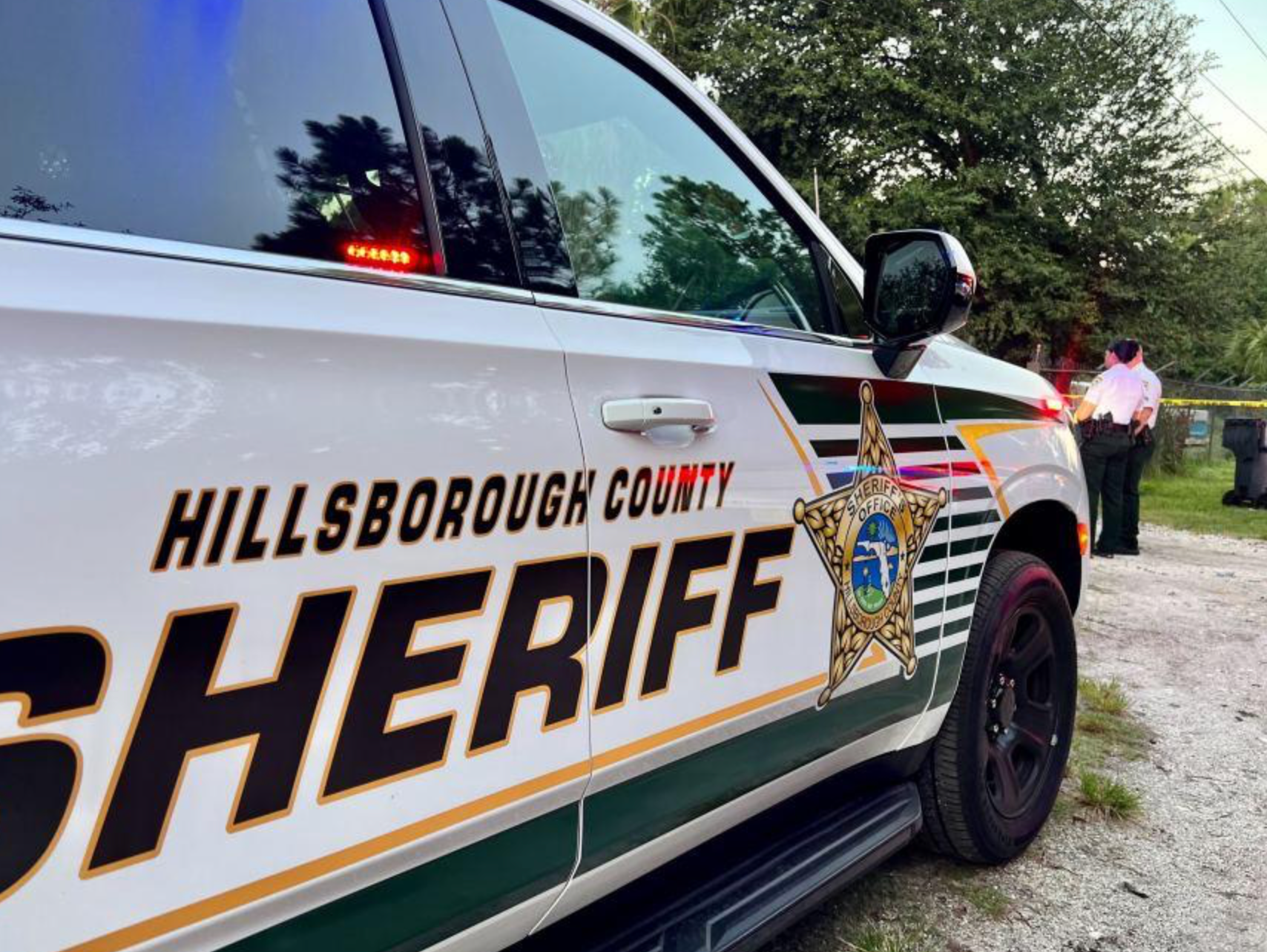
The publicly reported arrest involved local store loss-prevention personnel and the Hillsborough County Sheriff's Office.
The case illustrates how physical retail security can intersect with financial fraud investigations.
Vladescu faces multiple felony allegations.
Prosecutors will need to establish the elements of the charges through admissible evidence.
The defense will have an opportunity to challenge that evidence.
Potentially relevant materials include surveillance footage, the recovered device and any forensic findings.
The allegations involving personal information may also require evidence concerning how data was obtained or used.
Several issues remain central to the investigation.
The sheriff's office has described a nationwide criminal enterprise without publishing a detailed account of its structure or activities.
These gaps are significant because they determine the difference between an isolated skimming incident and a wider coordinated operation.
Anyone concerned about possible fraud can review recent transactions and contact their card issuer if unfamiliar charges appear.
The Secret Service and FTC provide guidance on reporting suspected skimming and unauthorized transactions.
The most important immediate distinction is between a discovered device and a confirmed theft of customer information.
The first has been reported in Tampa.
The second remains a question for investigators.
The Hillsborough County Sheriff's Office continues seeking information about the unidentified second man.
Authorities may also examine whether the Tampa incident connects to other suspected skimming activity.
Any confirmed connection would require evidence linking the individuals, devices or transactions.
Further court proceedings may provide details about the allegations against Vladescu.
Financial institutions could also become involved if compromised card information is identified.
For Lowe's customers, the central issue is whether investigators establish a specific exposure period and identify affected transactions.
For law enforcement, the broader question is whether the arrest provides evidence of a larger organized operation.
Those findings will determine the case's eventual scope.
That question remains open as investigators continue examining the case.
Comments (0)
Loading comments...
May You Like

IOWA MILITARY EMERGENCY: 51 TONS OF UNSTABLE SUSPECTED BIOWEAPON WASTE FOUND AFTER 5-TON BLAST!

PENTAGON'S DECLASSIFIED UFO FILES — THE MYSTERY OF AN UNDERGROUND STORAGE PROJECT!

IOWA NIGHTMARE: SECOND ARMY BLAST, 10,000 EVACUATED, 201+ HOSPITALIZED!












