
MASSIVE ELECTION SHOCKER
Trump, Iran and the Midterm Fallout: Could a New Strike Follow the Republican Defeat?
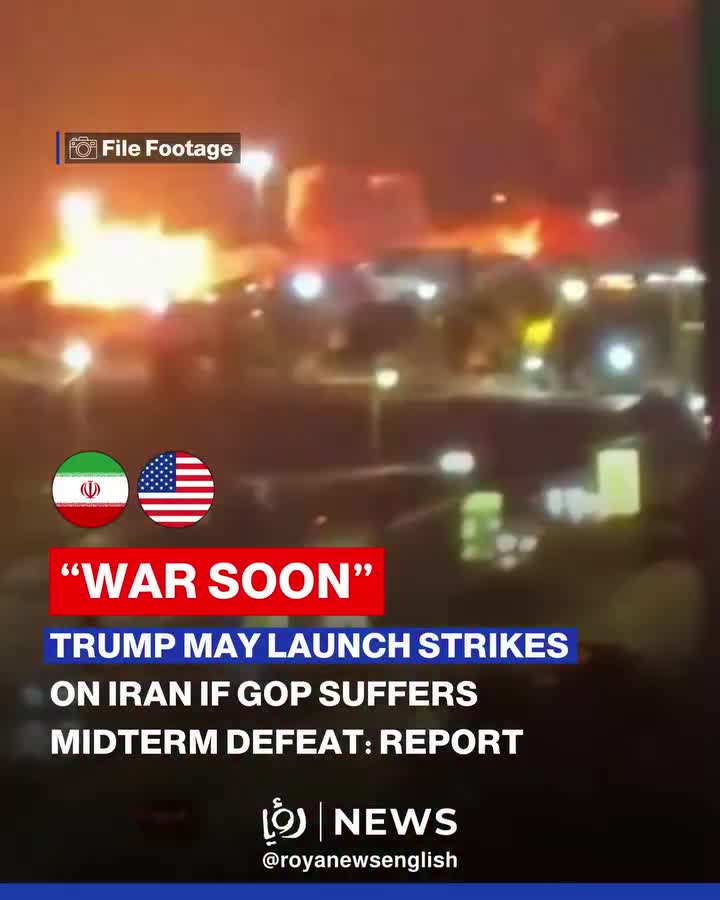
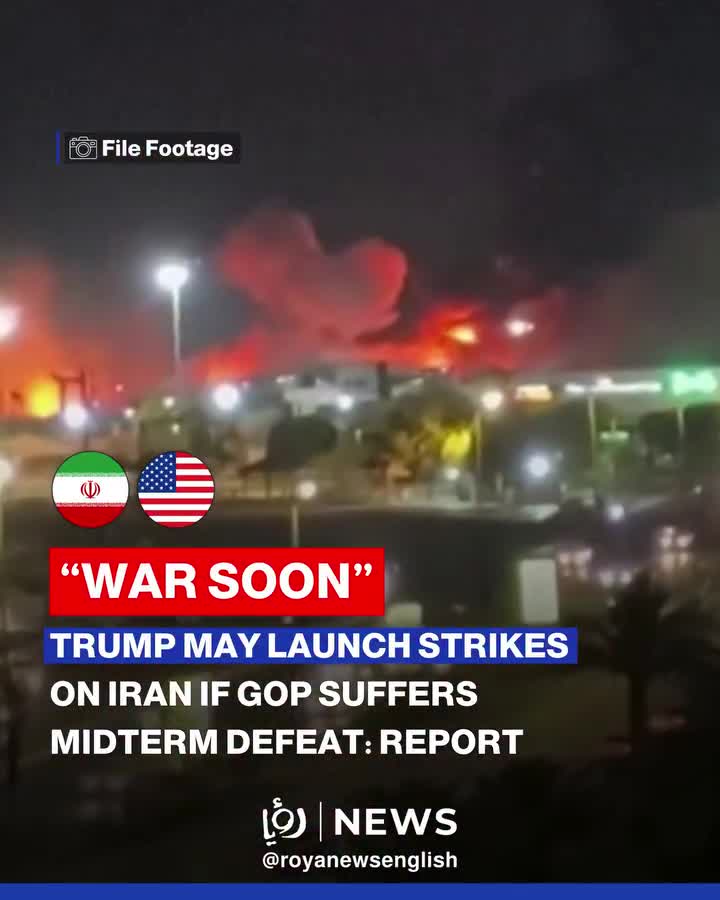
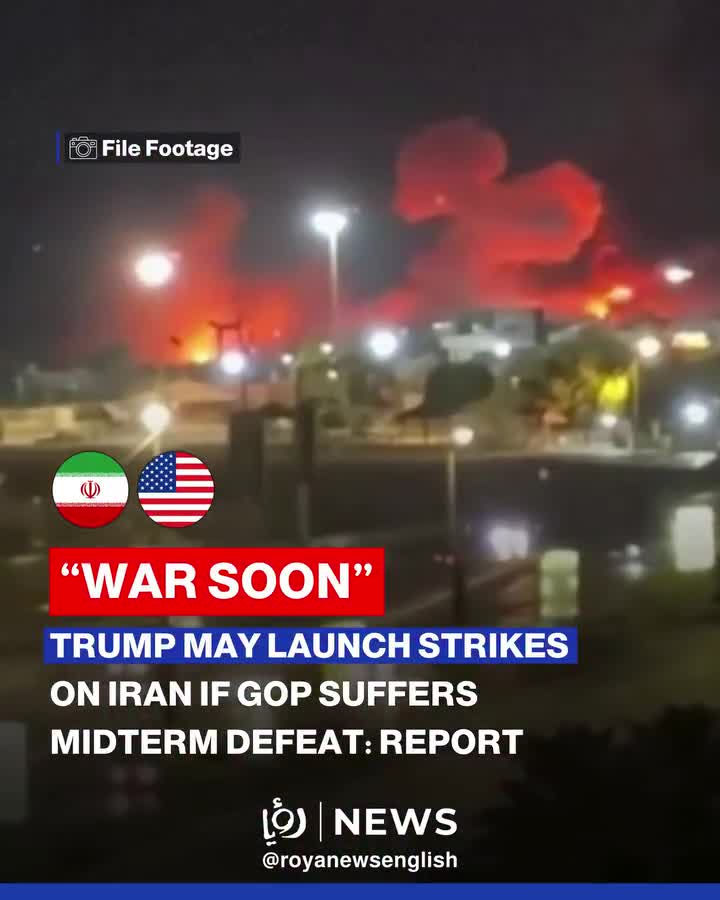
A viral video portraying a nighttime blast alongside the warning “War Soon” has renewed attention on the possibility of a major U.S. military escalation against Iran. The clip claims President Donald Trump might authorize strikes after a Republican setback in the midterm elections. The underlying reporting warrants serious attention, but the video’s dramatic imagery is not proof that a new operation has been ordered.
The central claim traces to reporting published just before the November 3, 2026, U.S. midterm elections. One American official suggested that Trump could be more inclined to pursue a bold military move if Republican candidates suffered heavy losses. The official's assessment was a prediction about presidential behavior, not an announcement of government policy.
A White House official rejected the idea that election results would determine Trump's decisions on Iran. That competing account is essential: the public reporting described disagreement and uncertainty inside and around the administration, rather than a settled plan to attack in response to an electoral defeat.
The November 3 elections have now taken place. On November 4, Trump acknowledged that the continuing Iran war had contributed to the Republican Party's poor performance. His comments connected the conflict to domestic political costs, but they did not establish that new attacks had been authorized as retaliation for the election outcome.
The renewed anxiety is rooted in a conflict that has already strained U.S. relationships across the Middle East. A new major campaign could put American service members, Iranian civilians, neighboring states, international shipping, and vital energy installations at greater risk.
The viral footage shows fire and smoke over buildings at night. Without verified information about the recording's location, date, and origin, those images should be understood as illustrative material rather than evidence of a specific American strike. Visual drama can make speculation look like an event that has already happened.
In late October, officials and regional diplomats described substantial contingency planning for possible renewed strikes. Military readiness and operational planning, however, are not equivalent to a presidential order. Governments prepare options that may never be used, particularly in periods of heightened confrontation.
Earlier reporting indicated that some Trump advisers wanted to contain military escalation ahead of the elections, partly because of concern that an unpopular war and higher energy prices could hurt Republican candidates. A separate debate concerned whether harsher pressure might make Tehran more willing to negotiate.
At the same time, other advisers were skeptical that a nuclear agreement could be reached under existing conditions. Differences over diplomacy, economic sanctions, and the use of force created a complicated decision environment even before Americans went to the polls.
Qatar has played a central mediating role, holding lengthy talks with Iranian officials and conveying messages to Washington. Diplomatic efforts have focused on reciprocal concessions and ways to reopen more direct negotiations without triggering another round of large-scale attacks.
The negotiations face difficult sequencing problems. Washington has sought credible limitations on Iran's nuclear activities, while Iranian officials have demanded relief from the naval blockade, access to frozen financial resources, and the ability to export oil before deeper talks resume.
The Strait of Hormuz remains one of the conflict's most sensitive pressure points. Shipping disruptions or attacks around the narrow waterway could rapidly affect insurance costs, oil prices, and business confidence far beyond the region. Even a limited clash can create international economic consequences.
U.S. partners across the Gulf have also been anxious about retaliation. A large-scale strike on Iran could be followed by attacks against energy facilities, commercial ports, or military installations elsewhere. That prospect helps explain why several regional governments have encouraged negotiations instead of further escalation.
Israel's security concerns add another dimension. Israeli leaders have pressed for strong measures against Iranian military and nuclear capabilities, while other regional governments have warned that expanding the war could destabilize neighboring countries already under economic and security strain.
For American voters, the conflict intersects with everyday concerns. Rising fuel prices, economic uncertainty, military expenditures, and the possibility of new deployments can influence how citizens assess the administration's priorities, even when the main battlefield is thousands of miles away.
The midterm result has sharpened that accountability debate. Democrats have argued that the administration's approach to Iran has raised costs and prolonged instability. Trump and his supporters maintain that firm military and economic pressure is necessary to prevent a more dangerous Iran.
A major new campaign would also bring questions for Congress. Lawmakers may demand clearer information about the objectives, legal basis, likely costs, possible duration, and benchmarks for success. Such scrutiny is particularly important when a conflict has already stretched across many months.
The available reporting does not establish that the president plans to start a new campaign because he is angry about the election. What it does establish is that officials have discussed military options, regional governments have prepared for the possibility, and political developments have intensified scrutiny of the White House.
The most important signals to watch are official orders, independently verified deployments, confirmed diplomatic developments, and statements from governments directly involved. Social media headlines and unidentified footage should not be treated as substitutes for such evidence.
For now, the significance of the viral clip lies less in its warning of an imminent strike than in the unresolved question it highlights: will Washington double down on military pressure after the elections, or will the costs of the war strengthen the case for a negotiated agreement?
Comments (0)
Loading comments...
May You Like

FCC CLEARS SPACEX FOR ONE MILLION AI SATELLITES AS ASTRONOMERS SOUND ALARM

NYC EMERGENCY—MILLIONS FACE EVACUATION RISKS, MACY'S GIANT BALLOONS REMOVED FOR SAFETY!

BANGCHAK REFINERY DISASTER IN THAILAND—120,000 BARRELS A DAY SHUT DOWN, U.S. OIL PRICES SURGE 10%!

Latest Posts








Popular Posts



