
MEDICARE SCAM WARNING: FAKE CARD CALLS PUT SENIORS’ PERSONAL INFORMATION AT RISK
WASHINGTON — NOV 19, 2026 — Medicare beneficiaries are being urged to guard their personal information as callers use offers of payments and replacement cards to seek sensitive details.
The warnings come as people navigate legitimate changes and announcements about their health coverage, making it especially important to distinguish official communication from an unexpected approach.
For someone who has already shared a Medicare number, the central question is how to report the exposure and spot any resulting misuse before it disrupts care.

A Medicare number identifies a beneficiary within the federal health insurance program and can be valuable to criminals seeking to submit claims for services or equipment.
The Federal Trade Commission says impostors may claim to represent Medicare and ask for personal details to issue a new card, verify coverage or provide additional benefits.
Some callers offer free medical equipment, while others use pressure about supposedly expiring coverage to persuade people to act before checking whether the story is true.
Caller identification is not reliable proof of identity because scammers can manipulate the number or name displayed on a recipient’s phone, according to the FTC.
One detail requires context: the government announced a genuine one-time $90 Medicare Part B premium rebate for certain eligible beneficiaries in October 2026.
According to the Centers for Medicare and Medicaid Services, the payment was to be sent automatically by direct deposit or Treasury check, without an application.
Not every Medicare beneficiary qualified, and people who want to check payment status can contact Social Security directly at 1-800-772-1213 using a number they verify independently.
An unsolicited caller who demands a Medicare number or banking details to release that rebate is using a warning sign of an impersonation scam.
Medicare says it may contact beneficiaries in limited circumstances, such as returning a call or following up on a request, so the safest response to uncertainty is to call Medicare directly using a trusted number found independently on its official website.
Genuine Medicare replacement cards can be ordered through a secure Medicare account or by calling the agency, and recipients do not have to pay a stranger to activate one.
Stolen details can be used to bill Medicare for items or services a person never received, potentially creating problems with claims and access to necessary care.
A Wisconsin woman said callers impersonating Medicare and medical offices persuaded her to cooperate, and she obtained a new number before unwanted medical supplies began arriving.
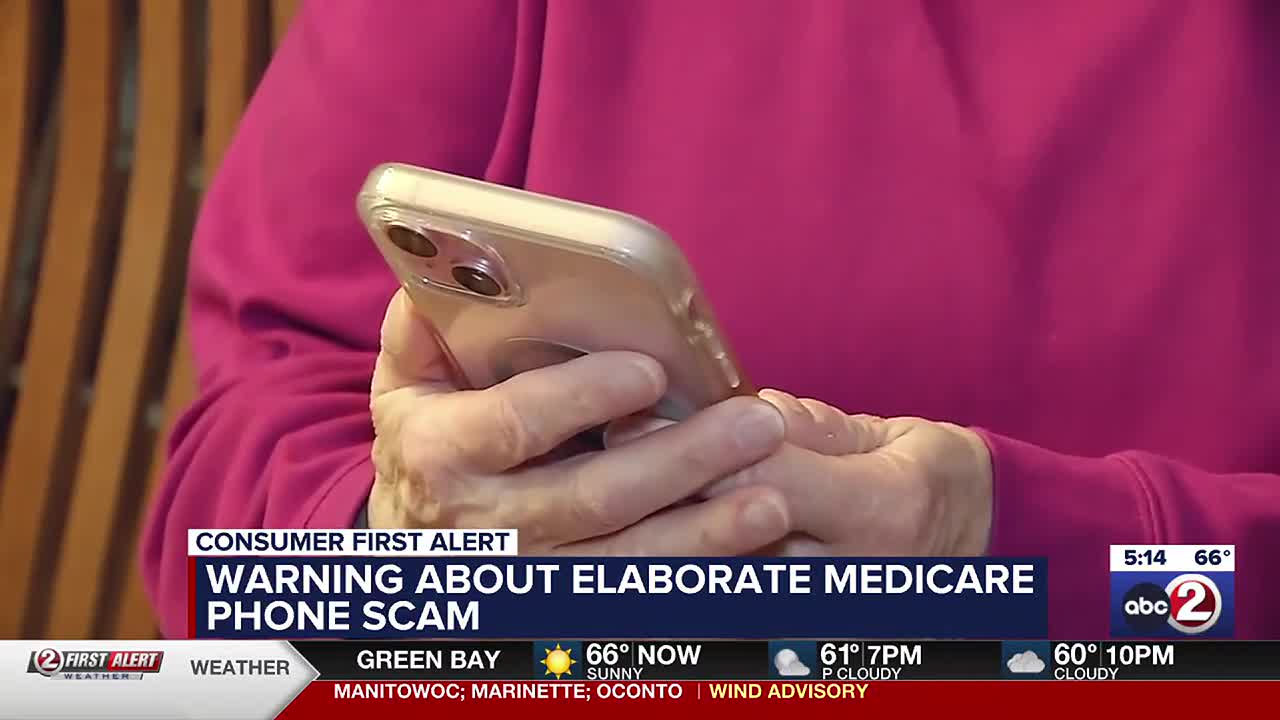
For anyone who shared a number with a suspicious caller, the first step is to call 1-800-MEDICARE, or 1-800-633-4227, and explain exactly what information was disclosed.
Ask Medicare whether a new number is warranted, since ordering another physical card is not necessarily the same as changing the underlying Medicare number.
Review Medicare Summary Notices or the secure Medicare account for unfamiliar services, and contact the health plan directly if coverage is through Medicare Advantage or a drug plan, noting the provider name, date and charge for any item that appears unfamiliar.
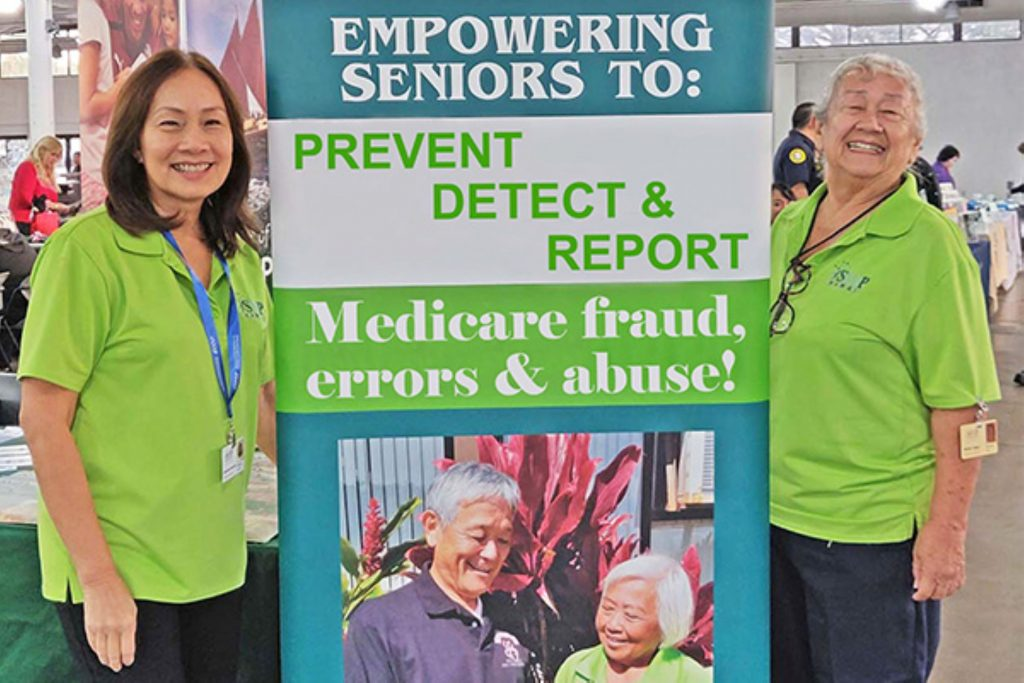
Report suspected medical identity theft at IdentityTheft.gov and ask the local Senior Medicare Patrol for free help at 1-877-808-2468, especially when checking suspicious claims.
If bank or credit card details were also shared, contact the financial institution immediately, and keep notes about the call and any unfamiliar charges for the investigation while continuing to monitor future statements for activity that may appear later.
Comments (0)
Loading comments...
May You Like

PACIFICA PIER IN CALIFORNIA COLLAPSE REVEALS MASSIVE CRACK BENEATH THE OCEANs!

BANGCHAK REFINERY IN THAILAND SHUT DOWN, U.S. OIL PRICES JUMP 10%!

ELON MUSK’S $18 BILLION SPACEX STOCK GIFT FOR EVERY AMERICAN CHILD









Popular Posts



