
Medvedev’s Chilling Message to Trump Raises New Alarm Over Zelensky
Medvedev’s Chilling Message to Trump Raises New Alarm Over Zelensky
A senior Russian security figure has urged the US president to “take care” of Ukraine’s leader in language widely interpreted as a call for his elimination. The extraordinary rhetoric comes amid worsening friction between Washington, Moscow and Kyiv.
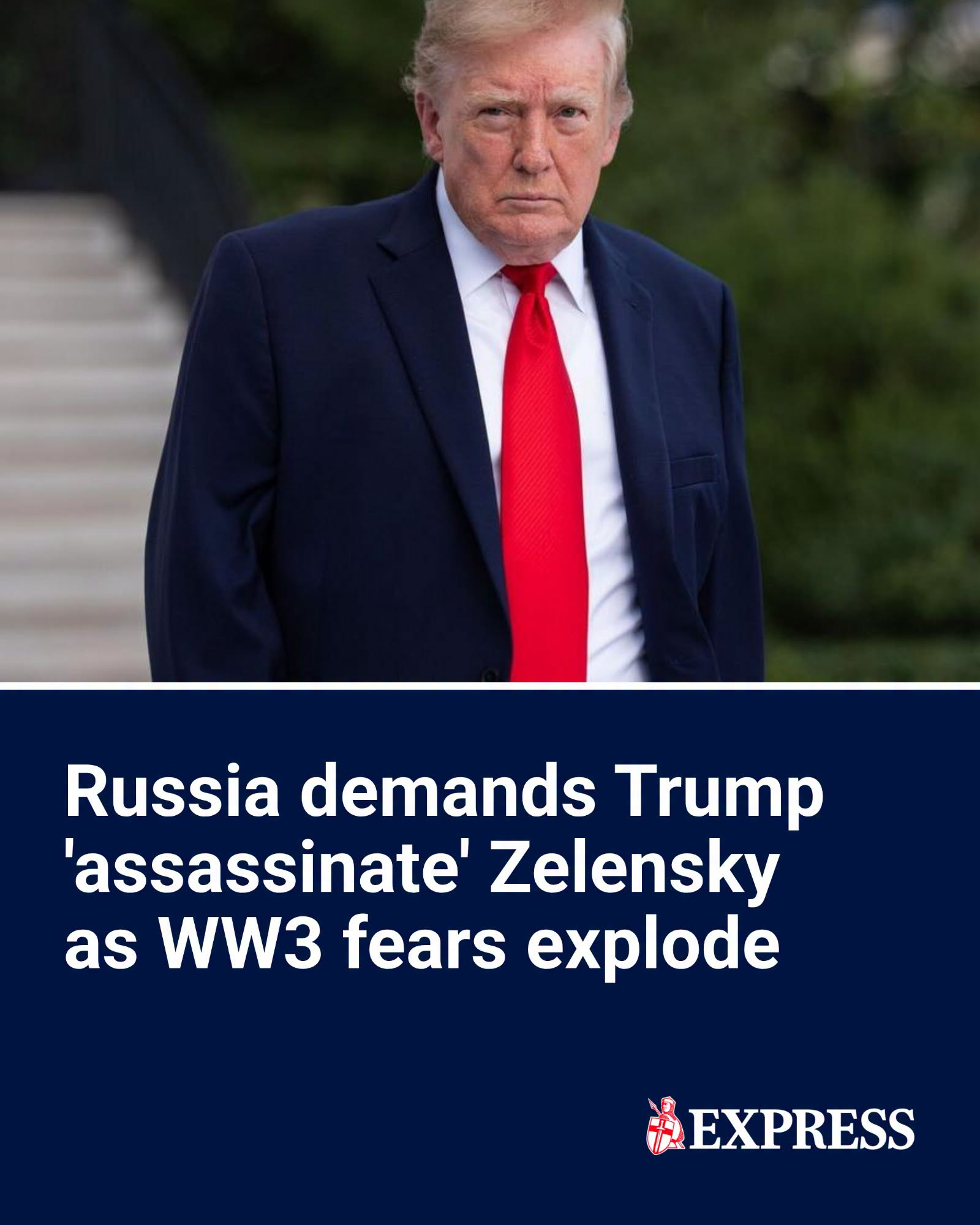
A provocative statement by former Russian president Dmitry Medvedev has intensified an already tense debate over the war in Ukraine and the future of US-Russia relations. In a post published on a Russian messaging platform, Medvedev addressed Donald Trump and suggested that the US president should call in senior national-security officials to deal with Ukrainian President Volodymyr Zelensky.
Medvedev wrote that “American history itself offers a solution,” then referred to summoning the US secretary of war and the CIA director to “take care” of what he called an “unfortunate little problem.” He added that the “how, where, and by what means” would be irrelevant.
Although Medvedev did not use the word “assassinate” in the quoted passage, the reference to intelligence and military officials, coupled with his dismissal of the method as irrelevant, was widely interpreted by news outlets as an implied call for Zelensky to be killed or forcibly removed.
The distinction matters. The remarks were made publicly by Medvedev, a prominent Russian political figure, but the reporting reviewed does not establish that they constitute a formal order from the Russian government or that Trump has acted on the suggestion.
Who made the statement?
Medvedev served as Russia’s president from 2008 to 2012 and as prime minister from 2012 to 2020. He is now deputy chairman of Russia’s Security Council and remains a senior figure in the country’s political establishment.
In recent years, Medvedev has become known for especially confrontational statements about Ukraine and Western governments. His posts frequently use personal insults and warnings about possible escalation, making him a prominent voice in Russia’s hard-line political discourse.
His position gives his comments political weight, but it is still important to distinguish his own rhetoric from a verified operational decision by the Kremlin. A public threat or suggestion is not, on its own, evidence that an assassination plan exists or has been authorized.
Why Zelensky became the target
In his post, Medvedev accused Zelensky of undermining Trump’s interests, frustrating American officials and demanding money and weapons while resisting pressure to accept Russia’s terms. He also repeated allegations about corruption and Ukraine’s intentions that were not substantiated in the post.
These accusations reflect Moscow’s longstanding effort to portray Kyiv’s leadership as an obstacle to ending the war. Ukraine, by contrast, has argued that any settlement must protect its sovereignty and security and cannot simply reward Russia for its invasion.
The rhetoric also comes at a sensitive moment in US-Ukraine relations. Trump has publicly questioned Zelensky’s leadership and said Ukraine may need a different president or negotiator to reach a deal with Russia.
On October 19, Trump said that perhaps someone else should negotiate on Ukraine’s behalf. Earlier in the month, he had said Ukraine should “get a new president,” blaming Zelensky for failing to end the war. Those remarks added to concerns in Kyiv and among European allies about the direction of US policy.

A dangerous moment in diplomacy
Medvedev’s language lands in a period when Washington, Moscow and Kyiv are struggling to find common ground on how the war might end. Disputes over attacks on energy infrastructure, sanctions, weapons and the terms of a possible settlement have strained relations.
Ukraine has continued to argue that it needs credible security guarantees to prevent another invasion. Russia has demanded concessions from Kyiv, while the United States has pushed for a negotiated end to the fighting. Those goals remain far apart.
Public calls to remove or harm a head of state can make diplomacy harder by encouraging a climate of intimidation. They can also deepen mistrust, especially when they come from figures who occupy senior roles in a country’s security establishment.
At the same time, inflammatory rhetoric should not be treated as proof that a wider war is inevitable. The phrase “World War III” is often used in headlines to convey alarm, but assessing the risk of a broader conflict requires evidence about military decisions, alliances, capabilities and diplomatic channels—not just a single provocative post.
What does this mean for Trump?
Medvedev’s appeal places Trump in an uncomfortable rhetorical position: it publicly suggests that American institutions could be used against the elected leader of a country that has received US support. There is no evidence in the reports reviewed that Trump accepted or acted on the proposal.
The White House’s policy choices remain more consequential than a response to one online statement. Decisions about intelligence-sharing, military assistance, sanctions and negotiations will shape Ukraine’s security far more directly than a viral exchange.
Trump’s recent criticism of Zelensky has already raised concerns among some Ukrainian and European officials. But criticism of a foreign leader, even when severe, is not the same as endorsing violence against that leader. The two should not be conflated without evidence.

How likely is a wider war?
The headline’s reference to fears of a third world war reflects the anxiety surrounding the conflict, but it should not be mistaken for a forecast. Medvedev’s statement alone does not establish that the United States, Russia or NATO is preparing for direct military confrontation.
The risk of escalation is real in any conflict involving nuclear-armed states. Miscalculation, attacks on sensitive infrastructure or a breakdown in communication could create serious dangers. That is precisely why officials and analysts distinguish between hostile rhetoric and verifiable changes in military posture.
For now, the most defensible reading is that Medvedev made an extreme public suggestion amid deteriorating political relations. Whether it has any practical consequences depends on decisions by governments and security institutions, none of which can be inferred from the quote alone.
What to watch next
Observers will be looking for any official response from the White House, clarification from Russian authorities and signs of whether the statement changes diplomatic contacts. They will also watch for concrete developments in military aid, intelligence cooperation, sanctions and negotiations.
For Ukraine, the central questions remain whether its partners will continue supporting its defense and whether any proposed settlement can protect the country from future attacks. For Washington and Moscow, the challenge is to prevent increasingly hostile language from closing off the remaining paths to diplomacy.
Medvedev’s words are alarming because they invoke the machinery of state power against a foreign leader. But careful reporting must preserve the difference between an inflammatory public statement, a government policy and an actual operational plan. So far, the public reports reviewed support the first description—not proof of the latter two.
Comments (0)
Loading comments...
May You Like

EAST COAST STORM CRISIS—5 MILLION AT RISK OF BLACKOUTS, WATER, AND HEATING FAILURES!

WWE BRONSON REED DEAD AT 38, STIMULANTS DETECTED, $10M INSURANCE PAYOUT FROZEN!

WWE BRONSON REED—INSPIRED—SUDDEN COLLAPSE, MYSTERIOUS STIMULANTS, DEAD AT 38!









Popular Posts



