
Michelle Obama Said ‘Every Weekend Was a Nightmare’
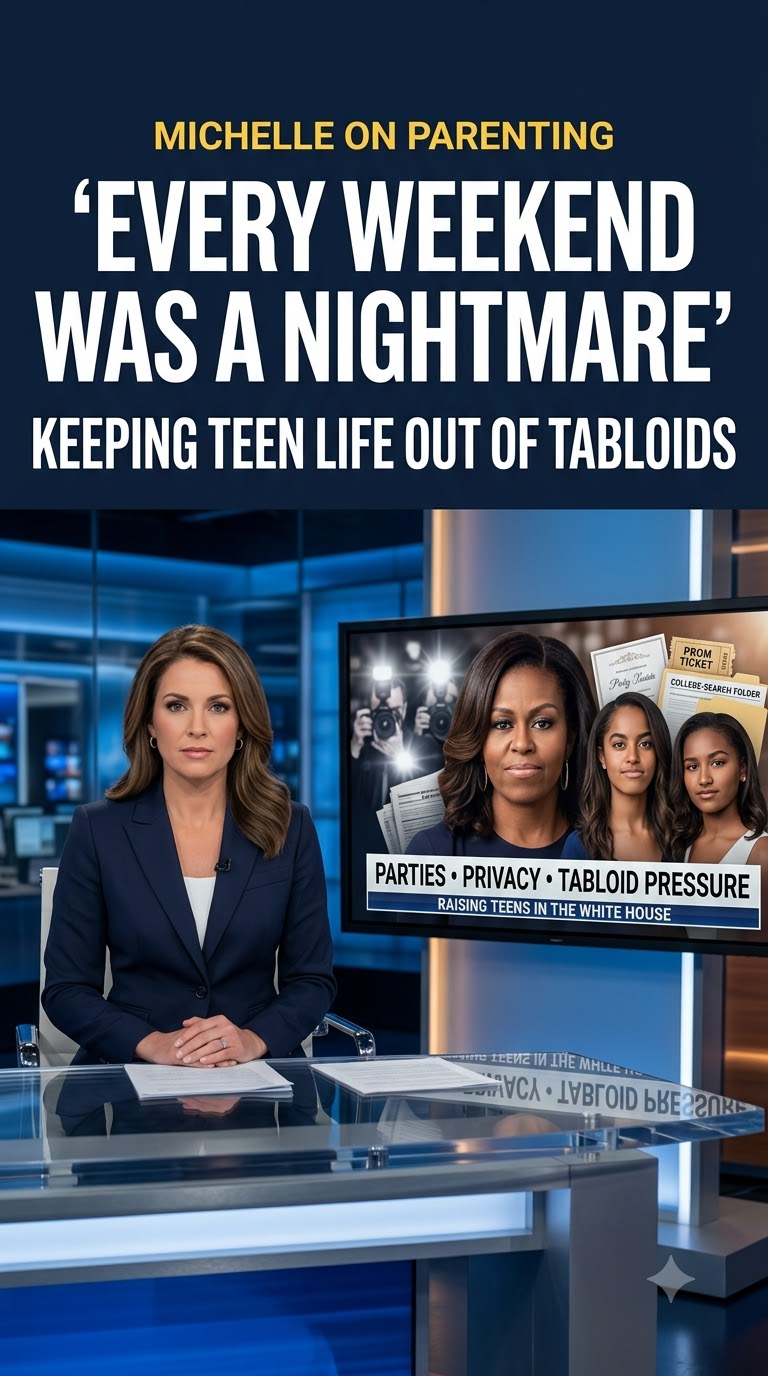
Michelle Obama has often spoken about the challenge of raising children in the most public home in America. But one of her bluntest descriptions came years after the family left the White House.
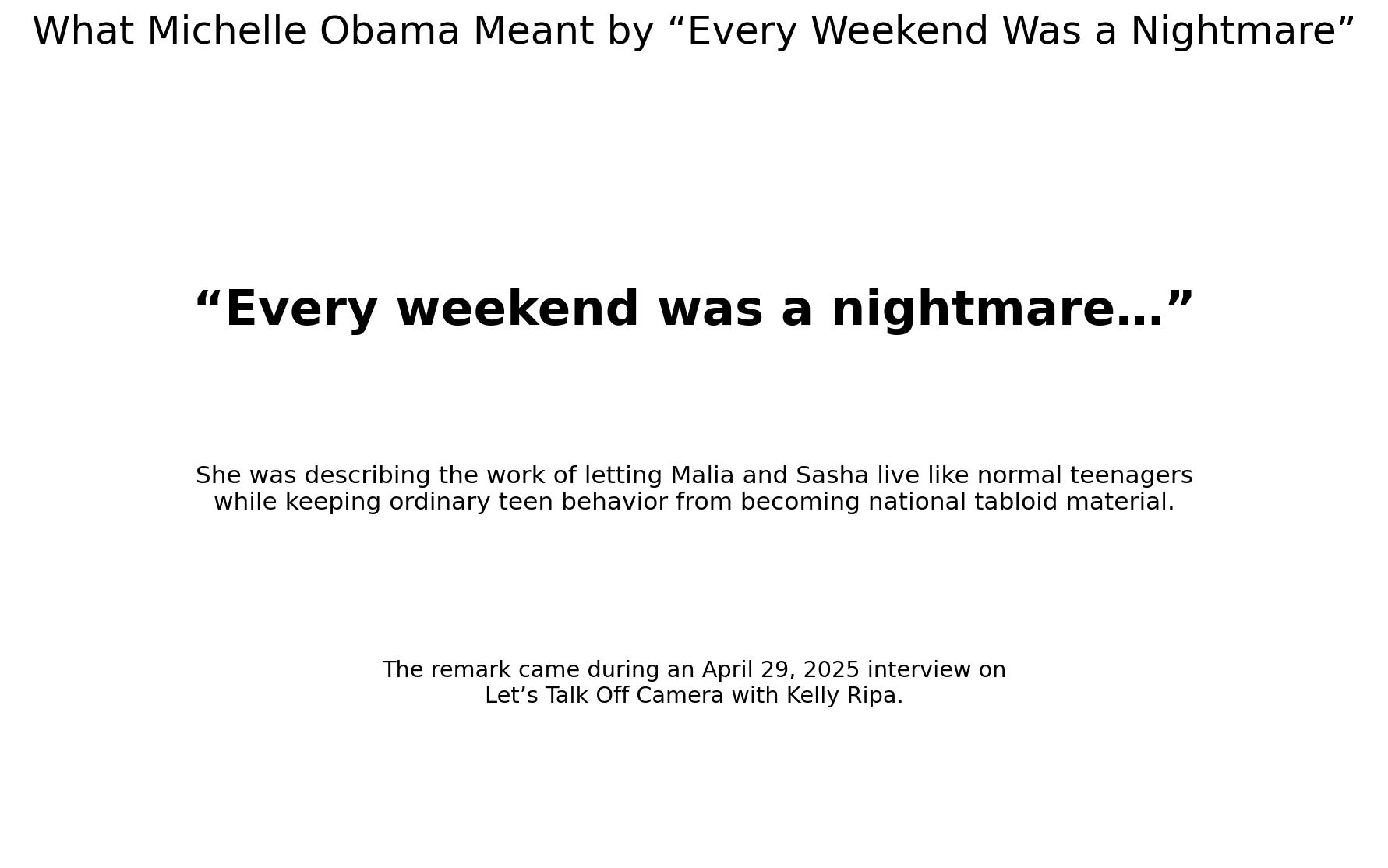
Looking back on Malia and Sasha’s teenage years, Michelle said “every weekend was a nightmare.”
The reason was not that her daughters were unusually difficult.
It was almost the opposite.
She and Barack Obama were trying to let them do the same things other teenagers did while knowing that one photograph, one party or one ordinary mistake could become national news.
The Teen Years Changed the Parenting Problem
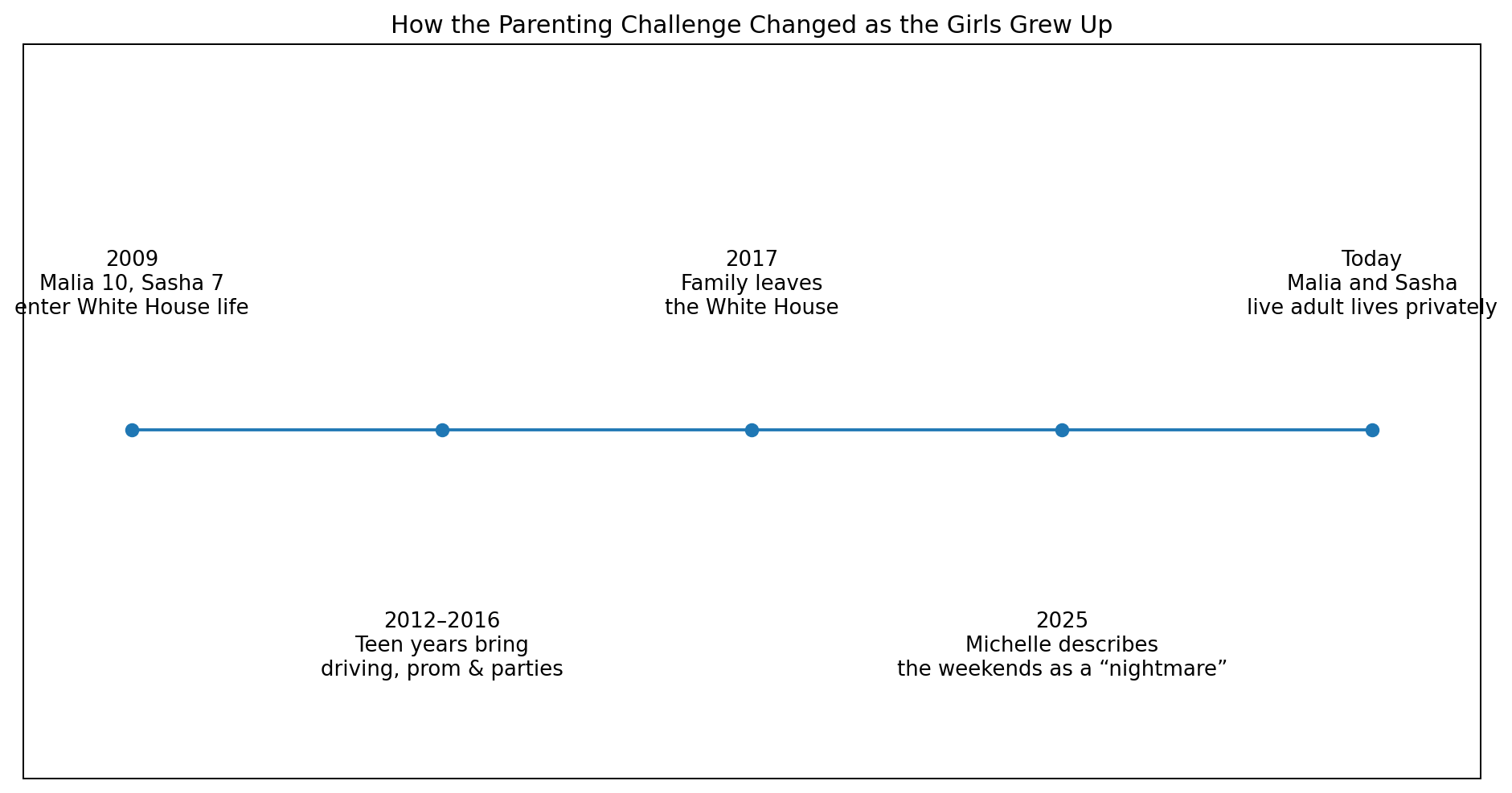
When Barack Obama became president, Malia was 10 and Sasha was 7.
Michelle has said the earliest White House years were easier in one important sense: the girls were still young.
As they became teenagers, the list of ordinary experiences expanded.
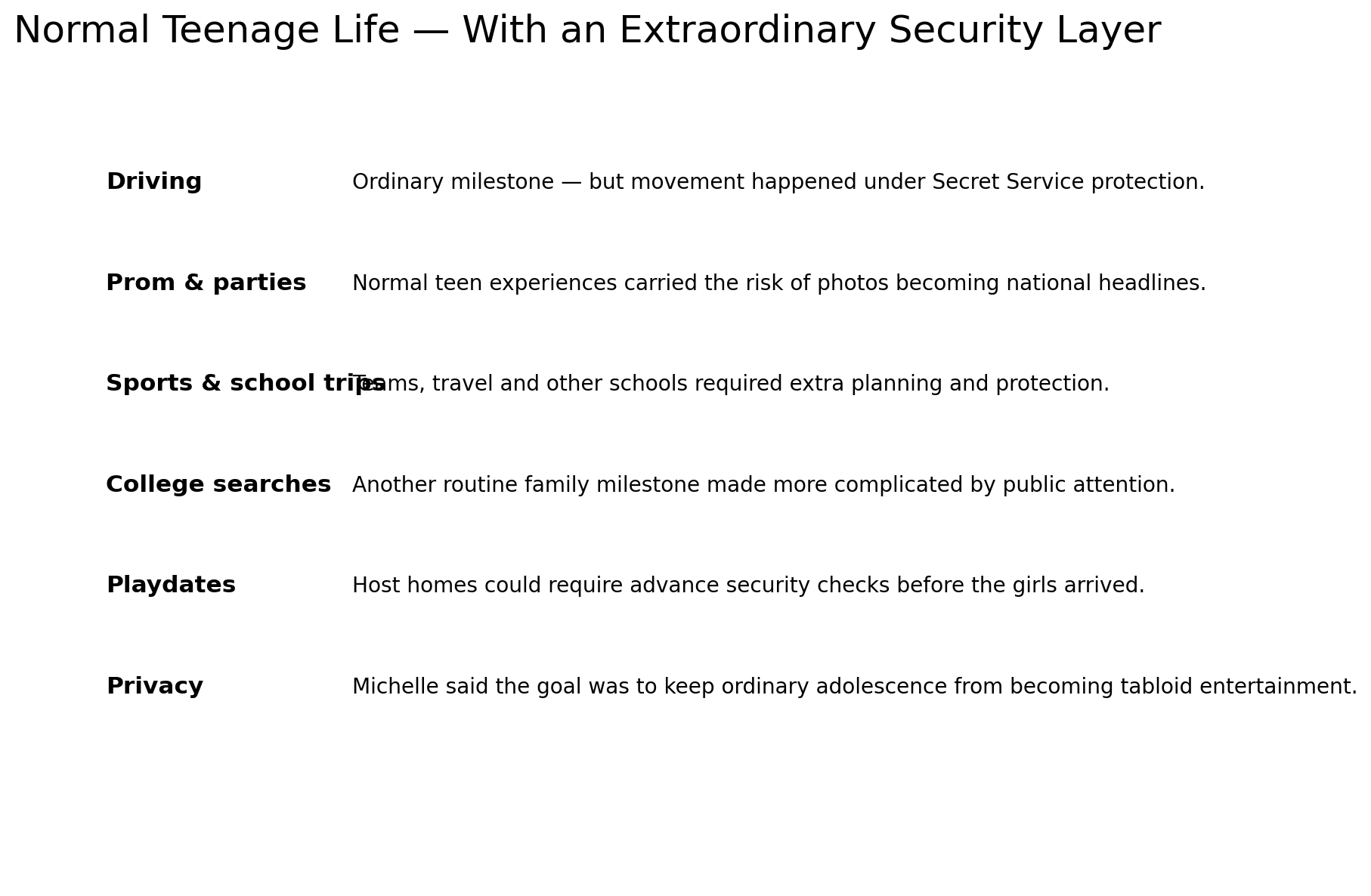
They learned to drive. They went to prom. They played on teams, traveled to other schools, looked at colleges and went to parties.
Those milestones are routine for millions of families.
For the daughters of a sitting president, each one came with security planning and the possibility of intense public attention.
Michelle Was Trying to Protect Normal Mistakes From Becoming Headlines
In her 2025 conversation with Kelly Ripa, Michelle described her daughters doing things many teenagers experiment with, including drinking and smoking.
Her point was not to portray them as reckless.
She was explaining why ordinary adolescence became so difficult to manage under constant scrutiny.
A teenager at a party might be a private family issue in most homes.
For the Obamas, the same moment could become a photograph, a gossip item or a political talking point.
That was the pressure behind her comment that weekends could feel like a nightmare.
The Goal Was Normalcy, Not Isolation
One option would have been to keep Malia and Sasha away from parties, sports, school activities and friends.
Michelle has made clear that was not the parenting approach she wanted.
She wanted the girls to develop independence, relationships and experiences outside the White House.
That meant accepting some risk.
The family could control security arrangements, but it could not control every camera, every phone or every person who might recognize the president’s daughters in public.
Even a Playdate Could Become a Security Operation
Michelle has described how complicated supposedly simple childhood activities became because of Secret Service protection.
If one of the girls was invited to a friend’s home, an advance team could need to inspect the location and ask questions about security risks, including whether there were guns or drugs in the house.
That process was necessary for protection.
It was also the opposite of spontaneous childhood.
Michelle said the family had to work especially hard to make life feel ordinary because security requirements constantly reminded the girls that their situation was anything but ordinary.
Privacy Became Harder as Phones and Social Media Spread
Malia and Sasha’s adolescence also unfolded during a period when smartphones and social media were becoming central to teenage life.
That made privacy more difficult to protect.
A moment no professional photographer witnessed could still be captured by another student, a party guest or a stranger with a phone.
For presidential children, the audience for that image could quickly become enormous.
Michelle’s concern was not only about traditional political reporters.
It was about a media environment in which private teenage moments could move instantly from one phone to a national entertainment site.
The White House Could Protect Them Physically — Not From Every Headline
The Secret Service could control physical access and manage security risks.
It could not guarantee privacy.
That created two separate jobs for the Obama parents.
One was keeping their daughters safe.
The other was trying to protect enough personal space for them to grow up without every experiment or mistake being permanently attached to the Obama name.
Michelle’s later comments suggest she viewed the second job as one of the most exhausting parts of raising teenagers in public life.
Barack and Michelle Tried to Keep the Presidency in Perspective
Michelle has repeatedly said she did not want her daughters to believe the presidency made their lives more important than everyone else’s.
The message inside the family was that the White House was their father’s job, not their personal achievement.
That approach was meant to limit entitlement while also helping the girls understand why their lives suddenly involved motorcades, security teams and constant attention.
It was a difficult balance.
They were expected to behave like ordinary young people while living in circumstances that were never ordinary.
Family Helped Keep the White House From Becoming the Whole World
Michelle has credited extended family with helping stabilize life during the presidency.
Her mother, Marian Robinson, lived at the White House for much of Barack Obama’s presidency and became a steady presence for Malia and Sasha.
Michelle’s brother, sister-in-law and other relatives also remained important parts of family life.
That support mattered because it gave the girls relationships that existed outside presidential politics.
In Michelle’s telling, home was defined less by the building than by the people inside it.
Leaving the White House Did Not End the Attention
When Barack Obama’s presidency ended in January 2017, the family no longer lived at 1600 Pennsylvania Avenue.
But the public recognition did not disappear.
Malia and Sasha entered adulthood with a surname almost everyone recognized.
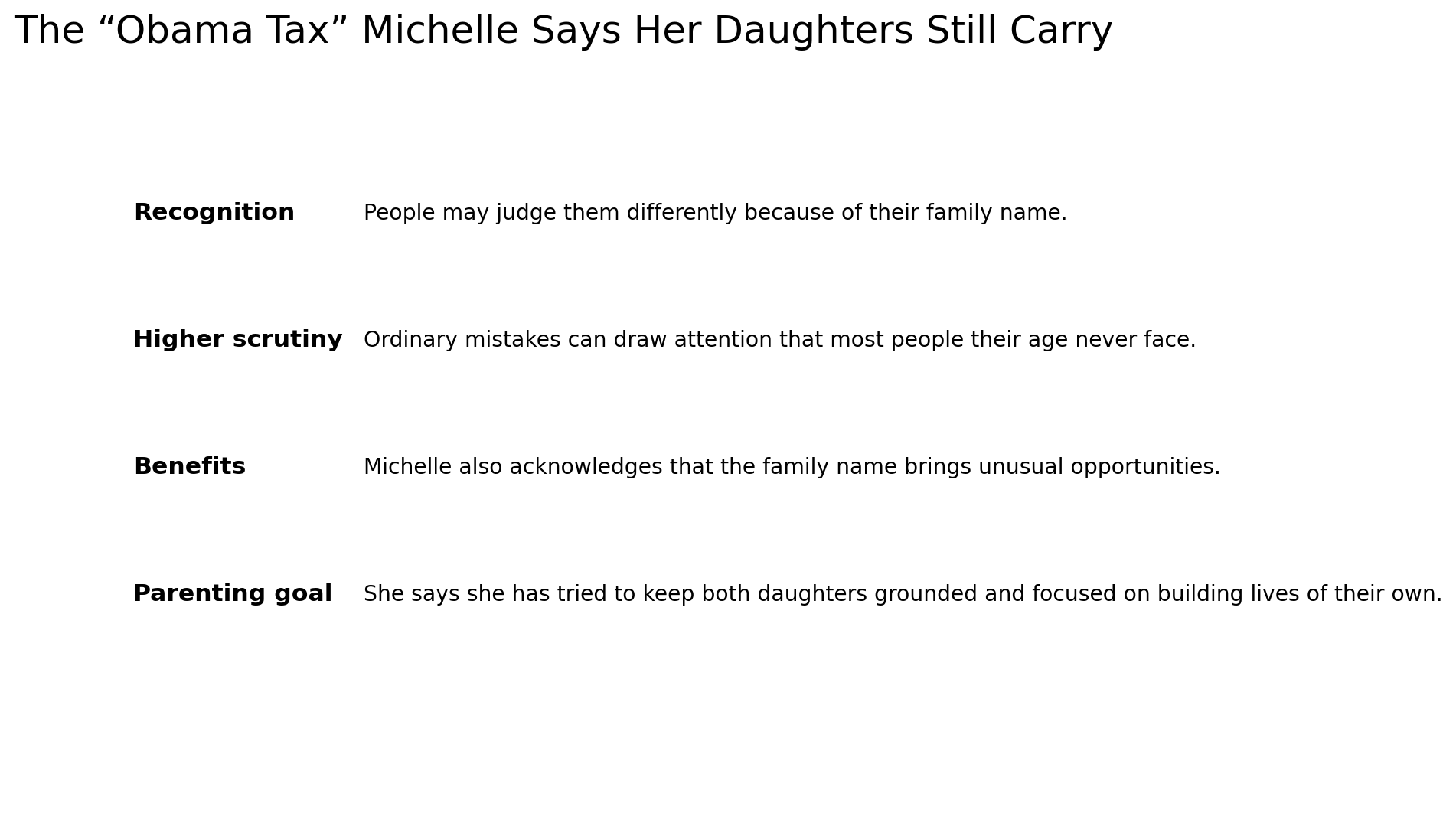
Michelle has jokingly called that continuing burden the “Obama tax.”
She has said it comes with both pressure and advantages.
The challenge now is different from the teenage years, but the underlying issue is similar: how to build an individual life when strangers already feel they know something about you.
Malia and Sasha Have Chosen Relatively Private Adult Lives
As adults, both daughters have generally avoided turning their family name into a constant public brand.
Malia has pursued work in film and has used the professional name Malia Ann on creative projects.
Sasha has also kept a comparatively low public profile.
Their parents still appear with them occasionally, but neither daughter lives as a routine political surrogate.
That relative privacy fits the parenting philosophy Michelle has described for years: the goal was to raise children who could eventually build lives that were their own.
Why the ‘Nightmare’ Quote Resonated
The phrase “every weekend was a nightmare” sounds dramatic because it is.
But the context makes it less sensational and more relatable.
Michelle was describing a familiar parenting problem — teenagers need room to make mistakes — under conditions almost no other parents face.
Most families worry about where their children are going, who they are with and whether they are making good decisions.
The Obamas had all of those concerns plus security teams, photographers, gossip sites and political scrutiny.
The Story Was Really About Letting Teenagers Be Teenagers
The most revealing part of Michelle’s account is not the reference to parties or smoking.
It is the amount of work the family put into making those experiences possible without allowing them to define the girls publicly.
She did not describe the teenage years as a period when Malia and Sasha had to become miniature political figures.
She described the opposite.
They needed prom, sports, school trips, friends, college searches and the freedom to grow up.
The nightmare, as Michelle told it, was trying to preserve that normal teenage life when almost nothing about the family’s circumstances was normal.
Comments (0)
Loading comments...
May You Like

Russian Drone Strikes Kyiv Bridge as German Chancellor Arrives in Ukraine

South Korea–Ukraine Rift Deepens Over North Korean POW Transfer as PURL Draws New Scrutiny

Russian Drone Strikes Kyiv Bridge as German Chancellor Arrives in Ukraine












