
MINNESOTA NIGHTMARE—UNDERGROUND GAS LEAK, HUNDREDS OF HOMES AT RISK, $300M DAMAGE!
Minnesota Thanksgiving Explosion Raises Concerns Over Neighborhood Safety, Property Damage and Winter Recovery Before Christmas
OWATONNA, Minnesota — November 28, 2026 — A powerful residential explosion in southern Minnesota has left a neighborhood confronting extensive property damage and uncertainty just weeks before Christmas, as investigators examine the circumstances behind an incident that destroyed a home, damaged nearby buildings and temporarily disrupted electrical services.
The explosion occurred on Thanksgiving afternoon in Owatonna, sending debris across neighboring properties and prompting an extensive emergency response involving firefighters, police officers and utility personnel. Residents reported hearing the blast from considerable distances, raising immediate concerns about the safety of surrounding homes.
According to Minnesota Public Radio and FOX 9, the explosion occurred along 20th Street Northwest, where emergency crews discovered that a residential property had been completely destroyed. The Minnesota State Fire Marshal's Office is investigating the cause.
With winter approaching, attention has turned toward the condition of neighboring properties, the reliability of residential utilities and the financial consequences facing homeowners. The incident has also highlighted the challenges Minnesota families could encounter when unexpected property damage interrupts their preparations for the Christmas season.
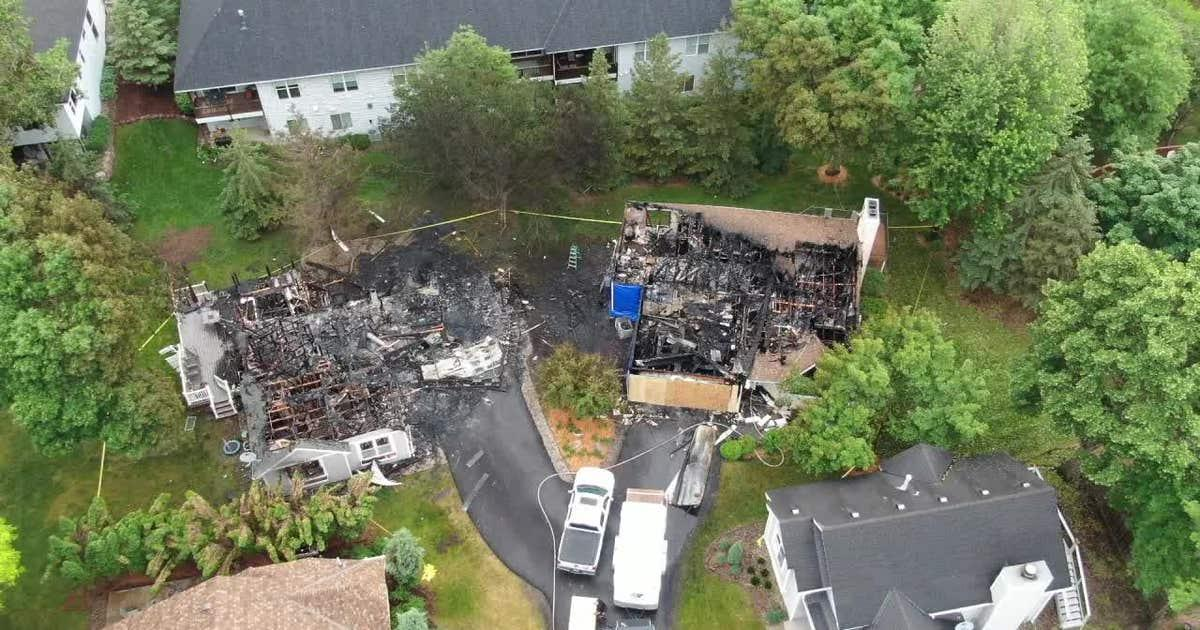
For many Minnesota households, Thanksgiving represents the beginning of a season centered on family gatherings, winter preparations and Christmas celebrations. In Owatonna, that familiar atmosphere changed abruptly on Thursday afternoon when a powerful blast attracted the attention of residents throughout the surrounding area.
Emergency personnel received reports of the explosion shortly after 4:30 p.m. Firefighters and police officers arriving at the neighborhood encountered widespread debris around the destroyed residence, while damage to nearby buildings created additional concerns requiring assessment.
The force of the explosion was sufficient to attract attention well beyond the properties immediately surrounding the incident. Regional television station KTTC reported accounts from individuals who heard the blast from nearly 12 miles away, illustrating how far the sound traveled.
For investigators, establishing the actual boundaries of the damage will require a detailed assessment of surrounding properties rather than relying exclusively on residents' accounts of the explosion's intensity.
Among the residents affected by the Thanksgiving explosion was Shwan Gaines, who lives next to the destroyed property. According to reporting by WCCO, Gaines was away from home when his security system recorded the incident and sent notifications to his phone. The recording showed debris being scattered across his yard.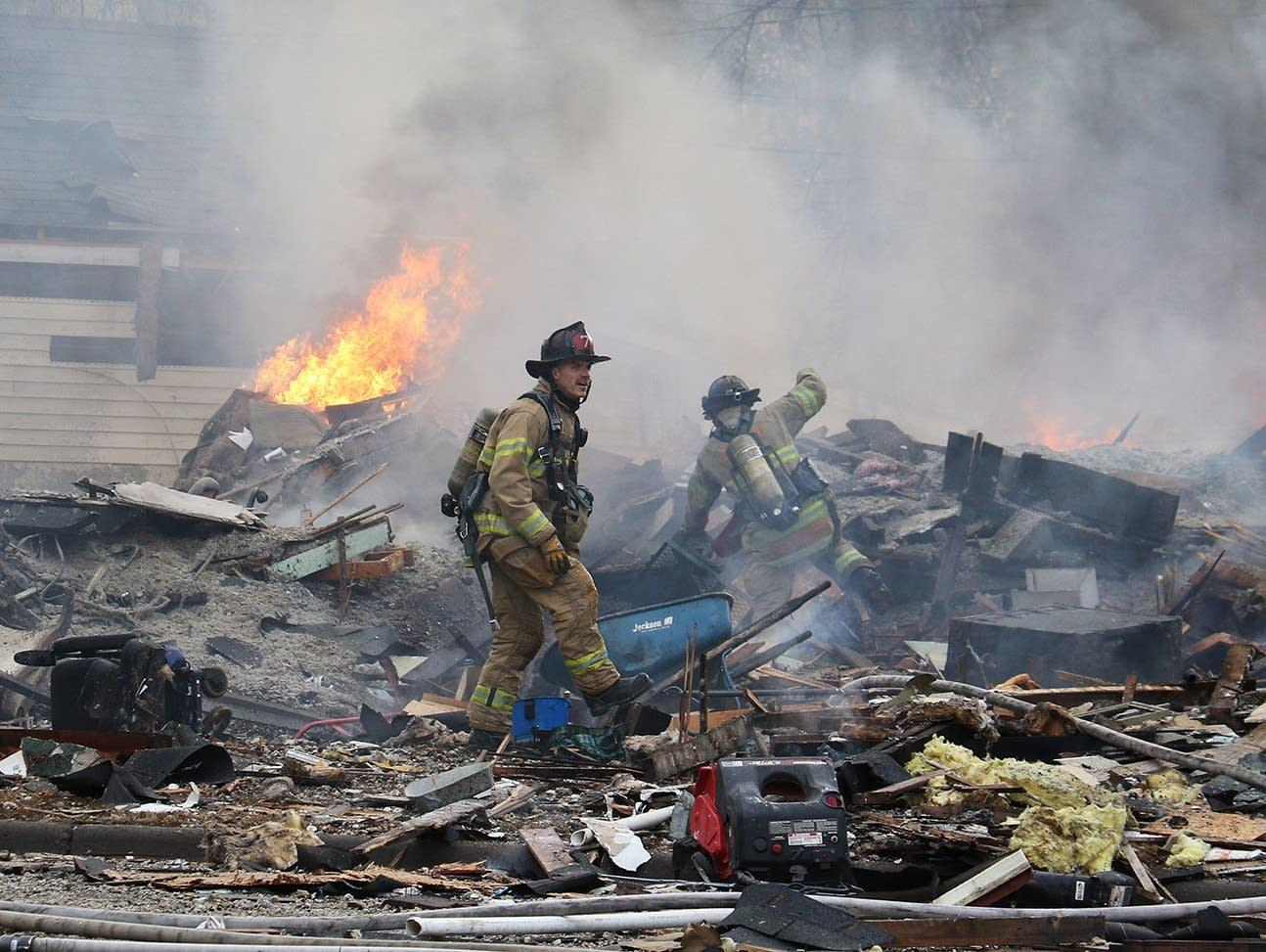
Gaines contacted his neighbor after discovering what had happened and learned that the homeowner had been elsewhere in the city. Another resident, Tim Willett, reported feeling the explosion from approximately five blocks away.
For households situated immediately beside the destroyed residence, the consequences may involve more than damage visible from the street. Windows, exterior walls, roofing materials and other building components may require inspection to determine whether repairs are necessary.
A property can remain standing after a nearby explosion while sustaining damage that affects its ability to provide safe accommodation. During Minnesota's winter months, even relatively minor damage to windows, doors or insulation can create additional difficulties by allowing cold air to enter residential buildings.
The weeks leading up to Christmas could therefore become an important period for property inspections, insurance assessments and repairs.
The properties requiring the most immediate attention are those directly adjacent to the destroyed residence. Local authorities have confirmed varying degrees of damage to neighboring homes, making professional inspections important in determining whether individual buildings remain suitable for occupancy.
A second category involves properties with damaged exterior structures. Broken windows, compromised roofing and damaged doors may expose homes to rain, snow and freezing temperatures. If repairs are delayed, moisture could enter buildings and contribute to additional deterioration.
Homes with damaged electrical connections represent another potential concern. Electrical equipment affected by debris or structural damage may require professional examination before normal service can safely resume.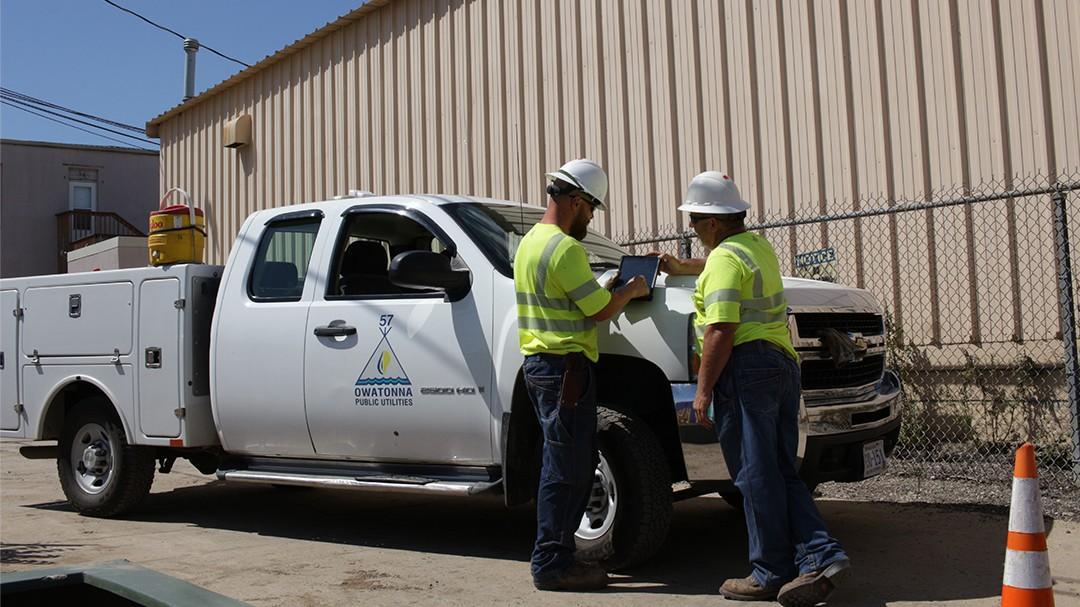
Finally, investigators may need to examine properties connected to any utility infrastructure identified as relevant to the original explosion. Such assessments would depend on the findings of the ongoing investigation rather than an assumption that surrounding homes share the same underlying hazard.
The Thanksgiving explosion temporarily interrupted electricity in the surrounding neighborhood, highlighting the relationship between electrical infrastructure and residential heating during Minnesota's colder months.
Many modern natural gas furnaces require electricity to operate their thermostats, circulation fans and electronic controls. Consequently, an interruption to electrical service can also prevent households from maintaining normal indoor temperatures.
For homes using electric heating systems, the relationship is even more direct. A prolonged power failure could leave residents without their primary source of warmth unless alternative arrangements are available.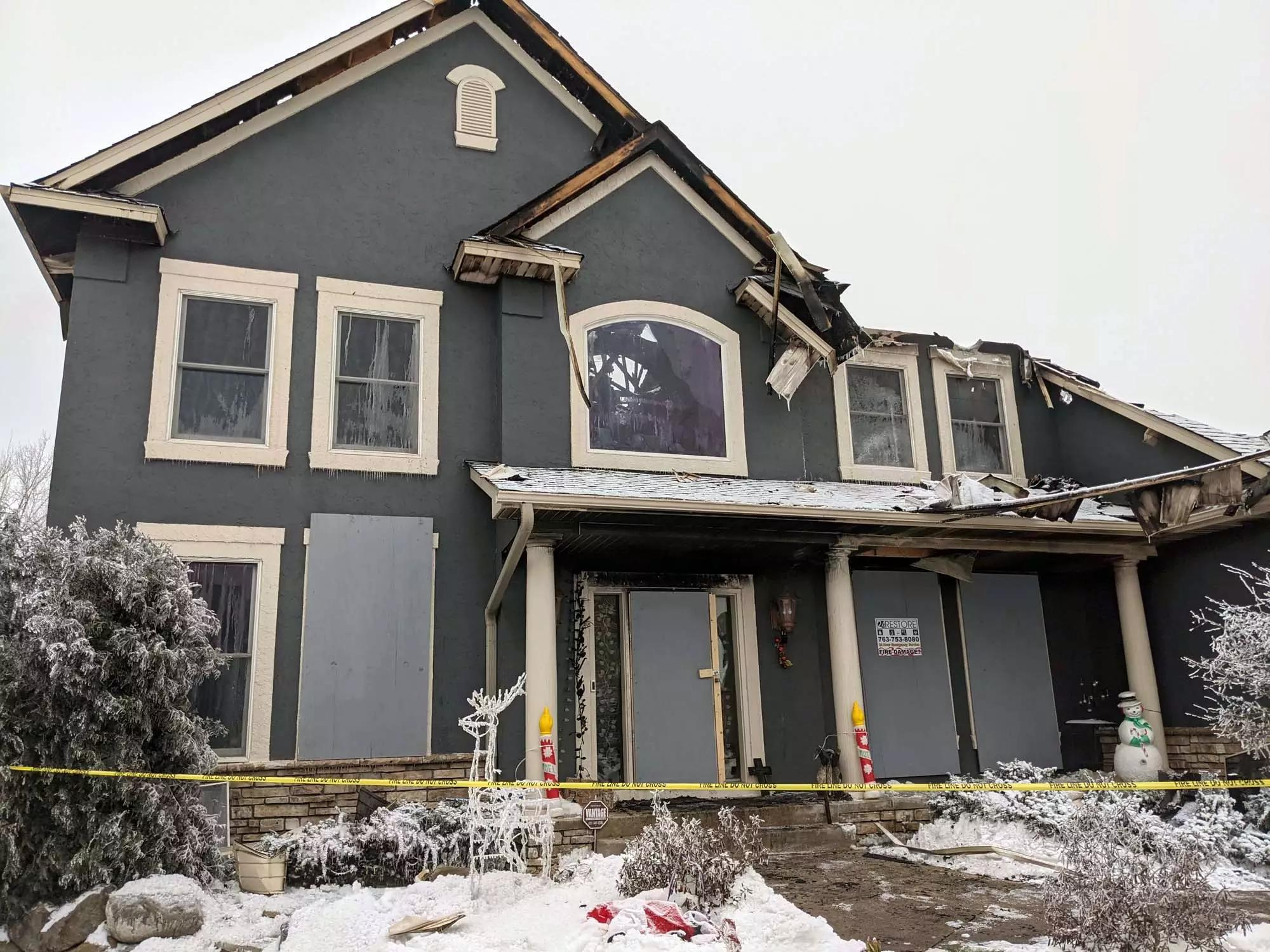
Utility companies responding to incidents involving residential destruction must determine whether affected infrastructure can safely return to service. Restoring electricity without first addressing damaged equipment could introduce additional hazards.
Owatonna Public Utilities participated in the emergency response, working alongside local and regional public safety agencies. Reports confirmed that the neighborhood experienced a temporary outage rather than an established long-term interruption affecting hundreds of households.
Nevertheless, the incident demonstrates why maintaining reliable electrical and heating infrastructure becomes especially important during the weeks preceding Christmas.
Minnesota's winter climate introduces challenges that distinguish residential disaster recovery from similar incidents occurring during warmer seasons. Damaged buildings may become increasingly difficult to protect when temperatures fall below freezing.
Properties with compromised heating systems could experience frozen water pipes, potentially creating additional damage unrelated to the original explosion. Water escaping from damaged plumbing can affect walls, flooring, furniture and electrical equipment.
Broken windows and damaged exterior walls may also increase heating expenses while repairs remain incomplete. Households attempting to maintain comfortable indoor conditions could face higher energy consumption at a time when unexpected property expenses are already placing pressure on their budgets.
Families unable to remain safely inside their homes may need temporary accommodation. Finding suitable arrangements can become more complicated when households include children, older relatives or pets.
One of the most important questions following a destructive residential incident concerns whether the original hazard has been eliminated or remains present elsewhere.
The Minnesota State Fire Marshal's investigation will seek to establish the source of the explosion. Depending on its findings, authorities may determine that the incident originated from an isolated problem within the destroyed residence or involved circumstances requiring additional examination.
An isolated equipment failure would present different implications from a problem involving infrastructure serving multiple properties. Investigators must establish which explanation, if either, is supported by physical evidence.
For neighboring residents, that assessment provides important reassurance while leaving open the separate questions of property damage, insurance coverage and the cause of the original explosion.
Rebuilding a destroyed residence involves expenses extending far beyond replacing its visible structure. Property owners may need to arrange debris removal, professional design services, building permits, utility connections and the replacement of household belongings.
Depending on the extent of destruction, construction could require several months. During that period, affected households may need alternative accommodation while continuing to meet existing financial commitments.
Neighboring homeowners may encounter different categories of expenses. Some properties could require window replacement or exterior repairs, while others may need more extensive assessments involving structural components and utility equipment.
Determining which expenses are covered by insurance will depend on the circumstances of the incident and the terms of individual policies. Deductibles, coverage limits and provisions governing additional living expenses can significantly influence the amount a household ultimately pays.
The financial consequences may also extend to possessions that are difficult to replace, including family photographs, personal documents and belongings accumulated over many years.
For affected residents, reconstruction is therefore both a financial process and a practical challenge involving the gradual restoration of everyday life.
The suggested financial loss of $300 million would represent an exceptionally large residential disaster, particularly when compared with Minnesota's historical statewide fire statistics.
According to the Minnesota State Fire Marshal's 2024 report, the state recorded 4,754 residential structure fires that year, producing approximately $192.3 million in reported property and contents losses. Fires involving one- and two-family homes accounted for approximately $134.1 million of that total.
A $300 million loss from the Owatonna explosion would therefore exceed the combined reported residential fire losses across Minnesota during that entire year by more than $107 million.
Although different incidents may involve different methods of calculating economic damage, the comparison provides important perspective on the magnitude of the proposed figure.
A comprehensive assessment of the Thanksgiving explosion would need to include the destroyed residence, damage to neighboring properties, affected utilities, emergency response expenses and any additional losses directly attributable to the incident.
No official financial assessment reviewed for this report establishes that the Owatonna disaster caused $300 million in damage.
The actual cost will become clearer as insurers, property owners and relevant authorities complete their individual assessments.
Investigating a residential explosion presents particular difficulties because the event itself may destroy much of the physical evidence necessary to establish its cause.
Specialists must examine remaining building materials, utility records, household equipment and available recordings. Witness accounts can provide additional information about conditions before the incident and the damage observed afterward.
The Minnesota State Fire Marshal's findings could eventually provide information relevant to insurance assessments, possible legal responsibility and recommendations intended to prevent similar emergencies.
Until that investigation concludes, assigning responsibility to a particular utility company, contractor or equipment manufacturer would go beyond the available evidence.
The most important official findings provide a clearer understanding of the Thanksgiving disaster and its immediate consequences.
One residential property was destroyed. Nearby homes sustained varying levels of damage, debris was scattered across adjacent yards, and electricity was temporarily interrupted.
Despite the extensive destruction, authorities reported that nobody was injured. The homeowner was safe, and city officials subsequently announced that there was no continuing danger to the public.
The properties most likely to require further attention are those immediately surrounding the destroyed residence, particularly buildings with visible damage or concerns involving essential utilities.
Any expansion of the affected area would depend on new evidence identified by investigators or building inspectors.
For the homeowner whose residence was destroyed, Christmas 2026 is likely to be substantially different from previous holiday seasons. The loss of a home can disrupt family traditions, accommodation arrangements and financial plans during a period ordinarily associated with celebration.
Neighboring households may also spend the coming weeks arranging repairs, communicating with insurers and determining whether their properties require additional work before winter conditions become more severe.
The wider Owatonna community, meanwhile, faces questions about the cause of the explosion and whether its circumstances reveal lessons that could improve residential safety.
The State Fire Marshal's investigation remains central to answering those questions. Its findings could determine whether the Thanksgiving disaster resulted from an isolated residential incident or circumstances requiring additional preventive measures.
For now, the absence of injuries and the city's confirmation that there is no ongoing public danger provide important reassurance. The longer-term consequences will depend on the extent of property damage, the cost of reconstruction and the conclusions reached by investigators.
Comments (0)
Loading comments...
May You Like

EAST COAST CATASTROPHE — $20 BILLION AT STAKE, 5 MILLION AT RISK OF LOSING POWER, WATER AND HEAT!

FLORIDA AIRBNB NIGHTMARE — 50 TEENS, 7 SHOOTING VICTIMS LINKED TO “SHOTS AT THE DOOR”!

WEYMOUTH HORROR — FIRE TRUCK BRAKES TO SAVE DOG, ONE FIREFIGHTER DEAD, TWO CRITICAL!
Latest Posts









Popular Posts



