
NETANYAHU WANTS TRUMP TO STRIKE IRAN AGAIN — A DANGEROUS TEST FOR THE US–ISRAEL ALLIANCE
NETANYAHU WANTS TRUMP TO STRIKE IRAN AGAIN — A DANGEROUS TEST FOR THE US–ISRAEL ALLIANCE
The possibility of renewed military strikes against Iran is putting the relationship between President Donald Trump and Israeli Prime Minister Benjamin Netanyahu under renewed scrutiny. According to the headline in the image, officials told the Associated Press that Netanyahu is pressing the Trump administration to carry out additional attacks.
The reported push raises a consequential question: will Trump follow Israel's preferred military strategy, or will he prioritize diplomacy and avoid reopening a conflict that could spread across the Middle East?
For both leaders, the stakes extend beyond the battlefield. Any decision to resume strikes could affect nuclear negotiations, regional security, shipping through the Strait of Hormuz and the prospects for a lasting ceasefire.
NETANYAHU IS PUSHING FOR ACTION AFTER THE US MIDTERMS

According to officials cited by the Associated Press, Netanyahu is pressing for a new wave of strikes after the November 3 US midterm elections. One official said Israeli officials were working with senior figures in the Trump administration to encourage a swift but extensive air campaign.
Netanyahu also raised the possibility of further strikes during a phone call with Trump over the weekend. However, the president did not commit to taking military action, according to a person briefed on the conversation. The White House did not directly answer questions about their discussion, and the Israeli government had not publicly commented on the reported request.
The timing is politically sensitive. Netanyahu and his right-wing allies lost their parliamentary majority in Israel's recent election, leaving his government in a weaker position. A renewed conflict could reshape Israel's domestic political debate, although there is no proof that political calculations are the sole reason for his reported push for further strikes.
For Trump, the decision is more complicated. He must weigh Israel's security concerns against the risk of a broader war, the impact on American forces and the possibility that further attacks could derail negotiations.
LIMITED US STRIKES HAVE ALREADY RAISED THE STAKES

The situation has moved beyond hypothetical threats. On November 2, a US official confirmed that American forces had carried out limited defensive strikes against Iranian targets near the Strait of Hormuz after Iranian forces reportedly used surface-to-air missiles against US assets. Iranian state television reported explosions on Qeshm Island.
The official described the action as limited rather than a return to full-scale hostilities. Nevertheless, it came after Trump had said the United States would not launch new strikes before the midterm elections, adding to uncertainty over Washington's next move.
The United States also has thousands of troops deployed in the region to support its naval blockade of Iranian ports, while additional military assets have been moving toward the Middle East. That presence gives Washington options—but also increases the potential consequences of a confrontation.
The key question now is whether these limited strikes remain an isolated defensive action or become the beginning of a much wider campaign.
DIPLOMACY IS STILL ALIVE — AND REGIONAL ALLIES ARE WARNING TRUMP
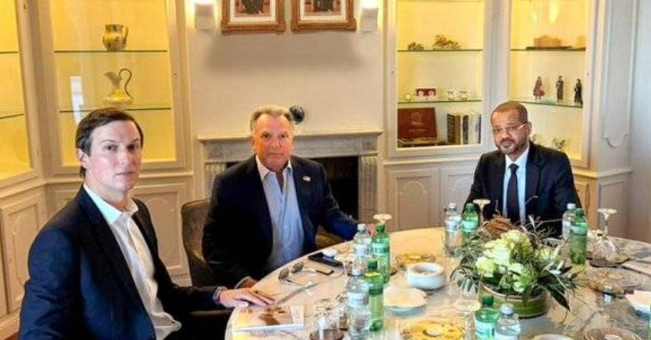
Even as Netanyahu reportedly presses for more attacks, diplomatic efforts are continuing. Qatari mediators have held talks with Iranian officials and are working toward a framework under which Iran would stop attacks in the Strait of Hormuz in exchange for the United States lifting its blockade of Iranian ports. Further discussions were expected during the week.
Iran has also proposed reopening the strait and resuming nuclear negotiations if Washington meets its demands, including sanctions relief and a ceasefire arrangement extending to Lebanon.
Some US allies in the Middle East are warning that renewed large-scale strikes could destabilize the region, provoke Iranian retaliation and draw Iran-aligned groups into the confrontation. That could threaten shipping routes in the Strait of Hormuz and the Red Sea, making the conflict more difficult to contain.
Vice President JD Vance has expressed cautious optimism about reaching a negotiated settlement. Trump, meanwhile, has not publicly committed to Netanyahu's reported request for another wave of attacks.
THE DECISION THAT COULD CHANGE THE COURSE OF THE WAR
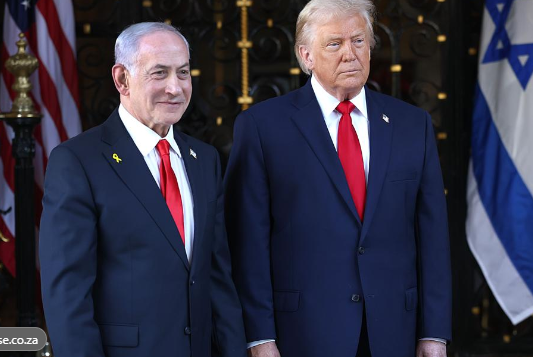
Trump now faces a difficult choice. Approving a new wave of strikes could satisfy Netanyahu's demand for stronger military action, but it could also derail negotiations and trigger retaliation against US forces or regional partners.
Giving diplomacy more time could preserve the possibility of a deal, but it would require Washington to judge whether Iran is prepared to make verifiable concessions on nuclear issues and maritime security.
Netanyahu's reported appeal also comes at a vulnerable moment for his government after the loss of its parliamentary majority. That political context is relevant, but it does not establish that domestic politics alone explains his position on Iran.
The bottom line: Netanyahu is reportedly pushing for renewed strikes, but Trump has not committed to launching a broader campaign. Limited US strikes have already occurred, while negotiations remain active. The next decision could determine whether the conflict moves toward a negotiated settlement—or a dangerous new phase of military escalation.
Comments (0)
Loading comments...
May You Like

STORM WARNING: MILLIONS FACE EVACUATION, MACY'S GIANT BALLOONS GROUNDED!

KUWAIT DRONE ATTACK SPARKS TENSION BETWEEN ISRAEL, THE U.S AND IRAN

IOWA ENVIRONMENTAL DISASTER: 5-TON WASTE BLAST DISPLACES 3,000 FAMILIES!

Latest Posts









Popular Posts



