
NETANYAHU’S REPORTED IRAN STRIKE PUSH IGNITES SHOWDOWN OVER TRUMP’S DELAY
WASHINGTON — NOV 21, 2026 — President Donald Trump and Israeli Prime Minister Benjamin Netanyahu face a consequential decision over Iran as their governments weigh military pressure against the risks of another regional escalation.
Their discussions come after months of conflict and intermittent diplomatic efforts, with American troops, Israeli security officials and governments across the Gulf closely watching the direction of the alliance.
Although Washington and Jerusalem share concerns about Iran’s capabilities, the timing and scope of any further operation have become central questions for officials managing the relationship.
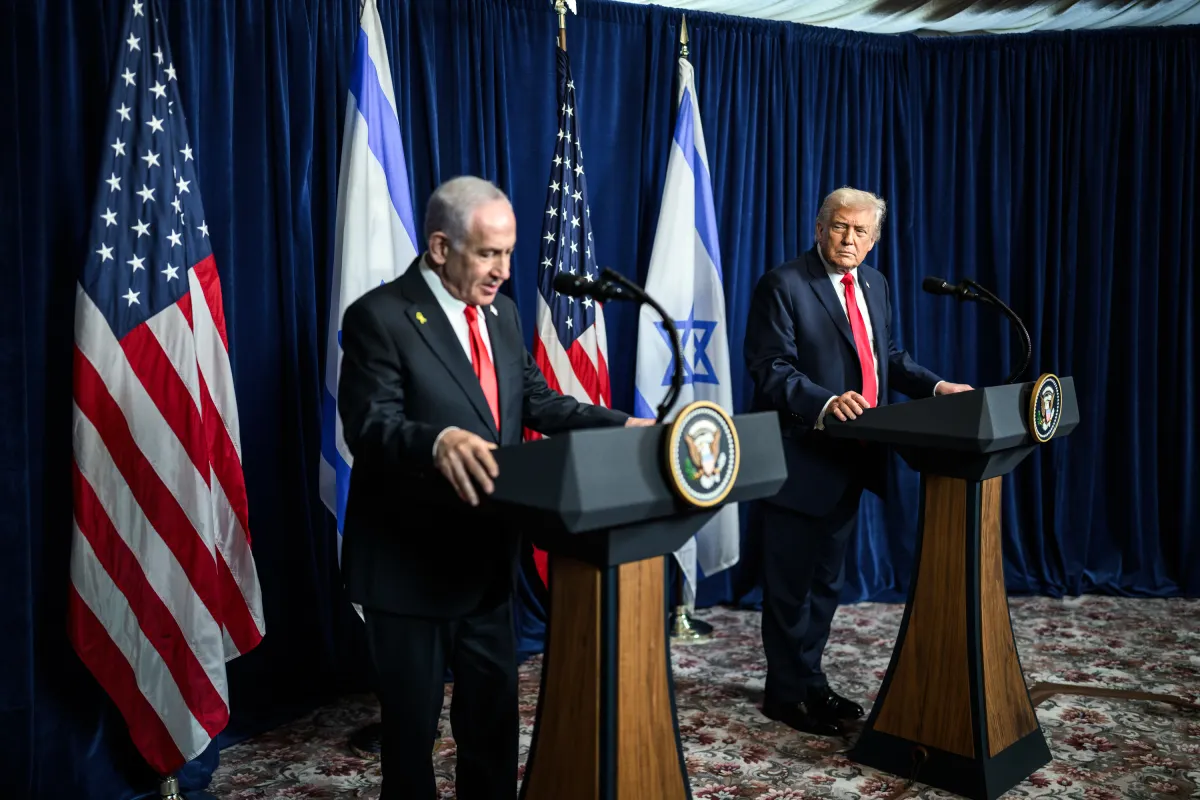
The United States and Israel launched a joint campaign against Iran in February, beginning a conflict that has disrupted regional security and placed American forces and installations under continuing pressure.
Both governments have said they want to prevent Iran from obtaining a nuclear weapon, while Tehran maintains that its nuclear program is intended for peaceful purposes.
Israel has also raised concerns about Iranian missiles and other military capabilities, arguing that a weakened adversary could rebuild if the pressure on its government eases.
Regional governments have reasons to fear renewed fighting because an Iranian response could threaten military bases, commercial shipping and energy infrastructure far beyond Israel’s borders.
The Strait of Hormuz remains a critical route for global energy trade, making any escalation there a concern for governments and consumers well outside the immediate conflict.
Qatar has served as a mediator in indirect contacts involving Washington and Tehran, and American envoys have continued discussions with Qatari officials about the prospects for negotiations.
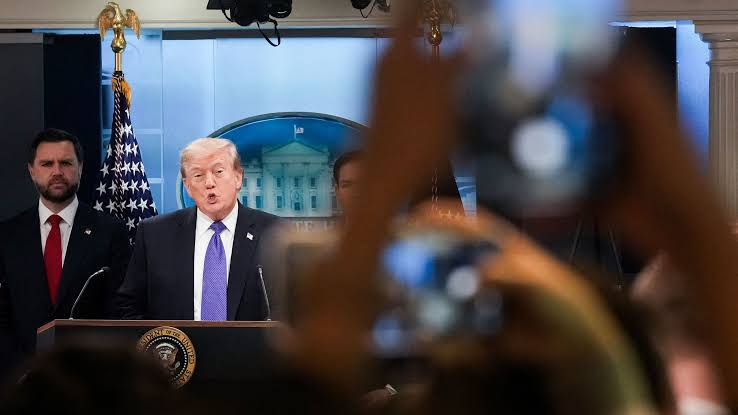
Trump has alternated between emphasizing diplomacy and warning that military force remains available, leaving allies uncertain about the conditions under which he might authorize a wider campaign.
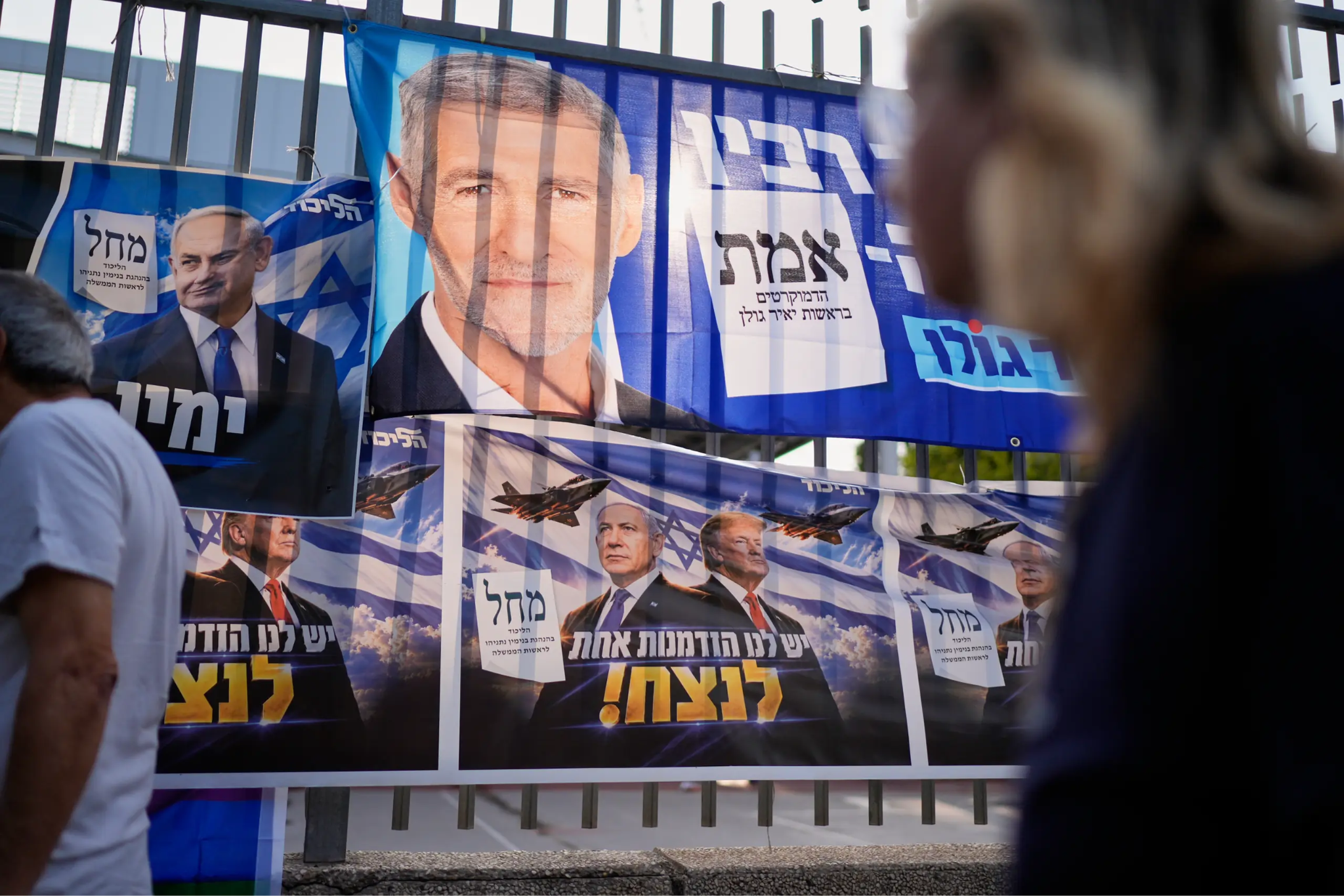
An earlier report said Netanyahu sought a joint attack before Israel’s October election but did not receive Trump’s approval, while the Israeli prime minister’s office denied the account.
More recently, sources briefed on a visit to Washington said Mossad chief Roman Gofman argued for joint strikes during meetings with American officials about Iranian capabilities.
Regional officials have described a parallel diplomatic effort by other American partners to prevent a return to a broader war, reflecting disagreements among allies over the consequences of action.
Those disagreements are unfolding amid recent exchanges of fire, including Iranian attacks targeting American assets in Bahrain and an American strike on Iran’s Qeshm Island on November 17.
American officials described the Qeshm strike as self-defense, making it an already completed limited operation rather than the proposed wider joint campaign under discussion.
Reports in recent days indicate that Netanyahu has continued pressing for coordinated action, while Trump has sought assessments of possible Iranian retaliation and has not publicly committed to a new campaign.
At a November 20 news conference, Trump said Iran wanted an agreement but had not offered terms acceptable to him, leaving open both further negotiations and military options.
In a possible next step, American and Israeli officials could seek an urgent joint assessment before either government decides whether the intelligence supports a broader operation.
That review could clarify whether the allies agree on the threat, the likely response from Iran and the consequences for troops and neighboring countries hosting American forces.
For now, the United States has already carried out the recent limited strike, but who would initiate the next major campaign remains undecided publicly as Trump weighs Netanyahu’s request.
Comments (0)
Loading comments...
May You Like

AMERICA'S LUCAS DRONE — A POTENTIAL GAME CHANGER IN THE SOUTH CHINA SEA?

FIVE-STAR LUXURY RESORT FOR SENIORS — UPSCALE RETIREMENT LIVING WITHOUT THE PRICE TAG?

PUTIN RAISES LUKOIL DEAL WITH TRUMP’S ENVOYS AS UKRAINE PEACE TALKS CONTINUE













