New Epstein Files Fight Intensifies as Massie and Khanna Push for Another House Vote
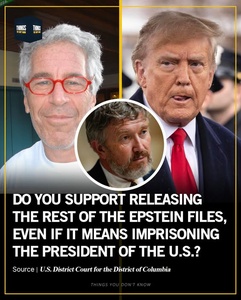
A bipartisan effort to force additional Jeffrey Epstein records into public view is gaining momentum in Congress, but viral claims suggesting disclosure could automatically lead to President Donald Trump’s imprisonment are not supported by current court findings.
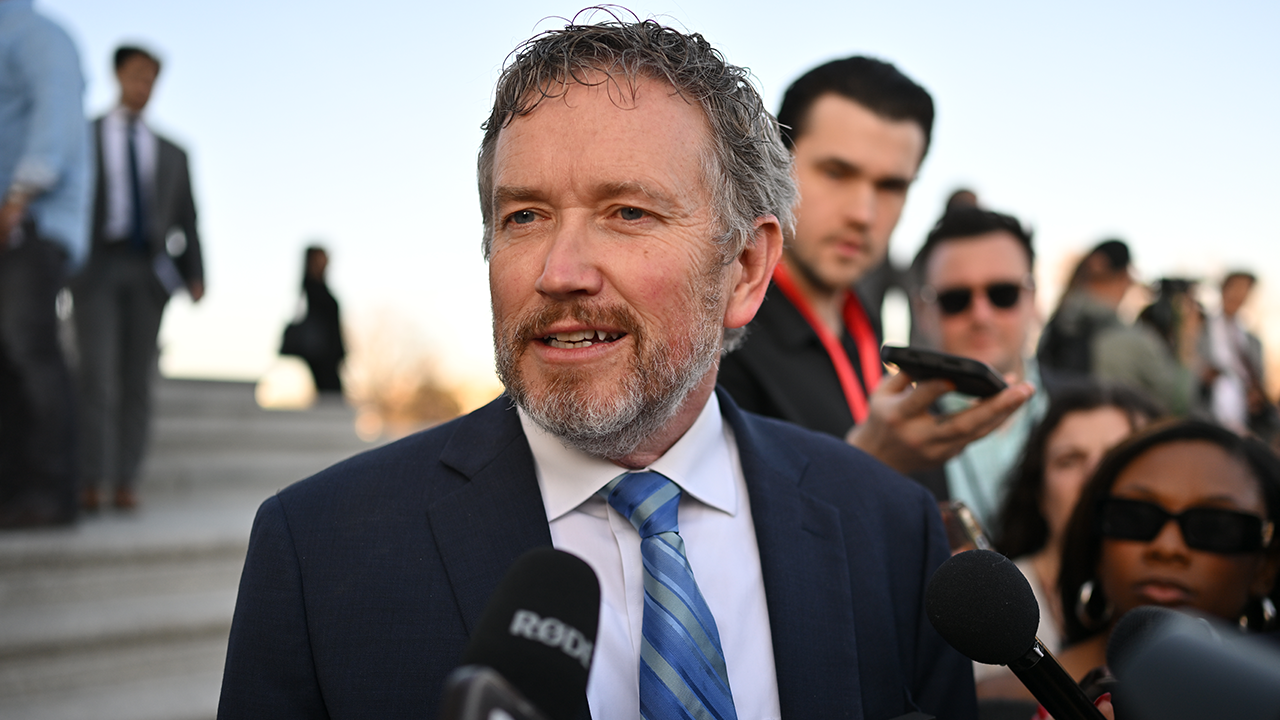

The congressional fight over unreleased Jeffrey Epstein records has intensified again, with Republican Rep. Thomas Massie and Democratic Rep. Ro Khanna saying they have enough support to force another House vote.
Their effort centers on the Epstein Files Transparency Act II, legislation designed to strengthen enforcement of last year’s disclosure law and make it easier to challenge Justice Department withholding in court.
Massie argues the Justice Department has not fully complied with the original Epstein Files Transparency Act, despite the department’s January release of nearly 3.5 million pages, thousands of videos and roughly 180,000 images.
The Justice Department says the materials came from multiple Epstein and Ghislaine Maxwell investigations, FBI records, inquiries into Epstein’s death and other related federal case files.
DOJ maintains that documents still withheld generally fall into categories such as duplicates, legally privileged material, protected victim information, violent imagery or records unrelated to the Epstein and Maxwell investigations.
Massie disputes that explanation and says significant records remain inaccessible, including investigative material that he believes could provide additional information about people who may have assisted or participated in Epstein’s crimes.
On August 31, Massie took the unusually dramatic step of naming 14 people on the House floor whom he described as Epstein co-conspirators deserving investigation and possible prosecution.
Those statements were allegations by Massie, not criminal judgments. Several people he named have denied wrongdoing, and appearing in Epstein-related records does not by itself establish participation in a crime.
The second transparency bill would allow Epstein victims, members of Congress, state attorneys general and certain prosecutors to sue the attorney general over records they believe were unlawfully withheld or redacted.
It would also permit state and local prosecutors to obtain unredacted materials needed for investigations and would give victims broader access to federal records concerning themselves and the abuse they experienced.
A separate court battle has already produced significant scrutiny of Justice Department redactions. In Phang v. Blanche, a federal judge ordered DOJ to justify several disputed redactions and document-production decisions.
The court required the government either to release specified records or explain why names, FBI interview notes and other information could legally remain withheld under the transparency statute.
In its September 16 order, the court accepted some government explanations protecting victim identities but found that DOJ had not adequately documented the basis for several other disputed name redactions.
The judge therefore required additional confidential evidence supporting those redactions, while continuing to examine whether the government had complied with the law’s requirements for document review and disclosure.
That ruling is important because the viral graphic cites the U.S. District Court for the District of Columbia, but the court has not ruled that Trump committed an Epstein-related crime.
Nor has that court ordered President Trump imprisoned, found him criminally liable in the Epstein matter or concluded that releasing additional documents would necessarily expose him to prosecution.
DOJ has acknowledged that material submitted to the FBI includes claims involving Trump, while warning that its mass production contains public submissions that may be false, fabricated or otherwise unverified.
The department specifically says some allegations involving Trump are false and unfounded. That is the Justice Department’s stated position, not an independent judicial determination resolving every document in the archive.
Massie and Khanna’s present campaign is therefore about compelling additional disclosure and creating stronger enforcement mechanisms, rather than advancing a congressional finding that the president should be imprisoned.
The most accurate reading of the viral post is that another major Epstein disclosure fight is underway, while its suggestion that releasing the remaining files could mean Trump’s imprisonment is speculative and unsupported by current court rulings.
Comments (0)
Loading comments...
May You Like
gfnhgmnghnmfgnbvvvvvvvvv

Jack Smith Defends His Integrity as Trump Investigations Face Renewed Political Firestorm

Obama Steps Back Into the Political Spotlight as Democrats Target Trump’s