
NEWSOM’S LIFE-WITHOUT-PAROLE PLAN SPARKS FURIOUS FIGHT AMONG VICTIMS’ FAMILIES
SACRAMENTO, CALIF — NOV 21, 2026 — Governor Gavin Newsom’s approach to capital punishment has placed California at the center of a dispute over criminal sentences, executive authority and the experiences of murder victims’ families.
The debate reaches across courtrooms, prisons and communities where people disagree about what punishment should mean after a jury has returned its verdict and years of appeals have followed.
Newsom’s final months in office have brought renewed attention to a system that remains legal in California but has operated under restrictions for much of the past two decades.
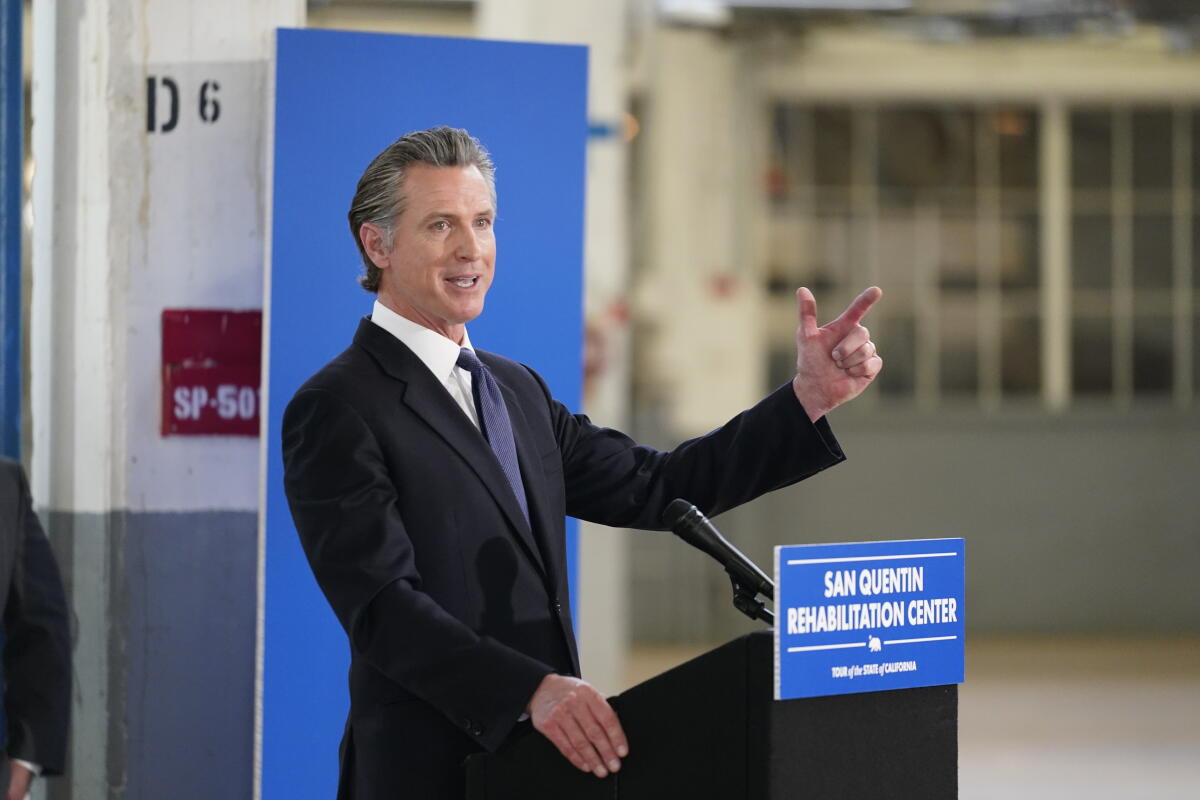
California last carried out an execution in January 2006, years before Newsom took office, and legal disputes over execution procedures contributed to the long interruption.
In 2019, Newsom imposed a moratorium that halted executions during his governorship, although the temporary reprieves did not erase death sentences or repeal the state’s capital punishment law.
Voters rejected an initiative to abolish the death penalty in 2016 and approved a separate measure intended to accelerate capital cases, underscoring the political divisions surrounding the issue.
Some families of murder victims say the sentence handed down in court represented an important promise after years of investigations, trials and emotionally difficult appeals.
Sandy Friend, whose 8-year-old son was murdered, has criticized the governor’s broad approach in California and argued that each case represents a family living with a lasting loss.
Other relatives support clemency, including Jess Nichol, the sister of murder victim Polly Klaas, who has said an execution is not necessary for her recovery.
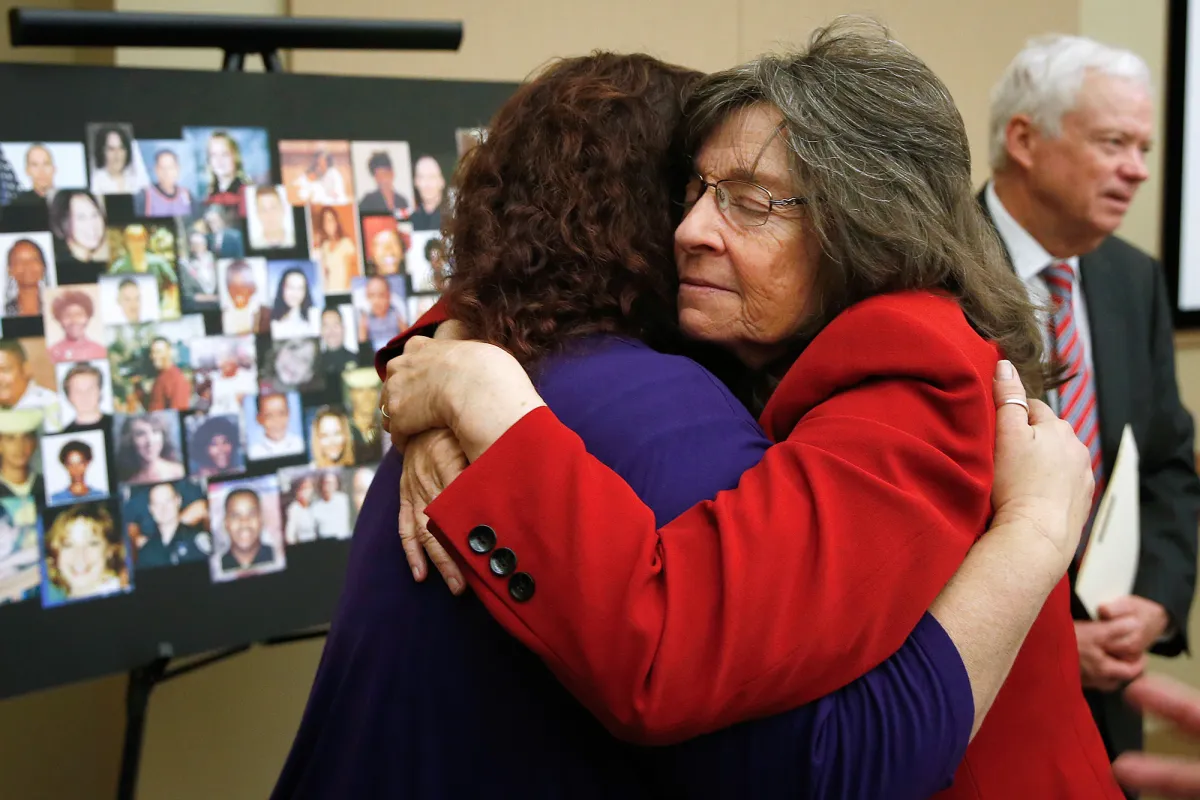
The governor’s proposal would replace the existing death sentences of 548 people with life imprisonment without the possibility of parole, rather than immediately releasing any of them.
His office says those receiving commutations would be excluded from the state parole board’s new commutation and resentencing review process because they would already have received clemency.
That exclusion concerns a particular administrative process, and it should not be confused with a guarantee that no future governor or court could ever alter an individual sentence.
The proposal has not abolished California’s death penalty, so prosecutors may still seek capital sentences in eligible future cases while the current moratorium remains in effect.
Prosecutors from 29 counties and relatives of victims have asked the California Supreme Court to stop the proposed action, arguing that families were denied required notice and meaningful participation.
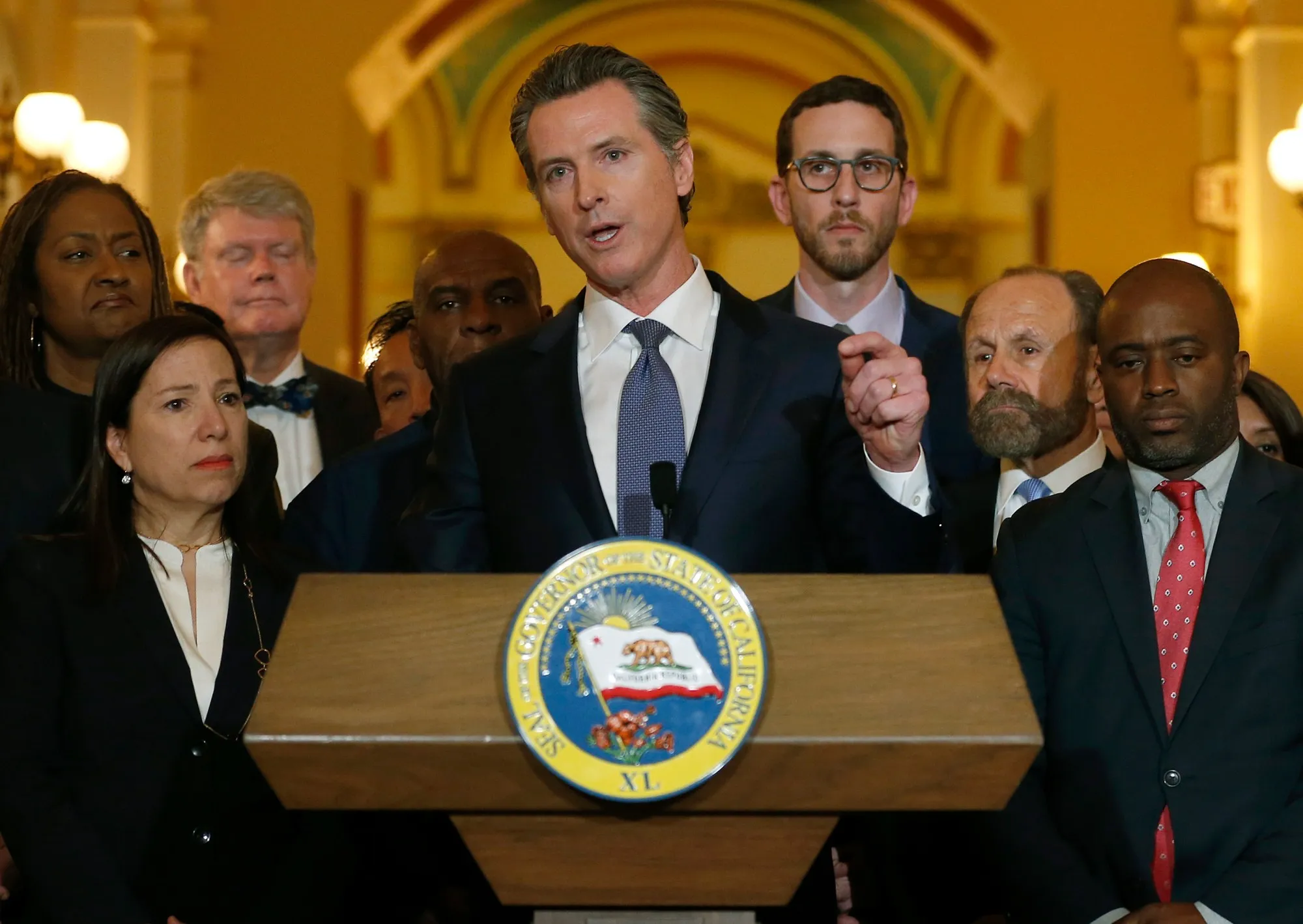
Newsom has argued that the notice provision cited by opponents applies when a prisoner requests clemency, not when the governor initiates it without an application.
The governor has asked the state Supreme Court to recommend clemency in 382 cases involving people convicted of more than one felony, as required by the state constitution.
The state’s Habeas Corpus Resource Center says the governor has not formally commuted any of the sentences, and the court has asked for further written submissions in the challenge.
In a possible next phase, the justices could weigh the competing arguments about notice alongside the governor’s requests for recommendations in the cases requiring their review.
 Newsom explained in his November 5 letter that he considers government executions incompatible with his understanding of justice and the values he believes California should uphold.
He also cited the risks of wrongful convictions, unequal application and a system he described as incapable of being administered fairly, despite decades of attempted reforms.
His stated reason is therefore a longstanding moral and practical opposition to capital punishment, while the final outcome depends on legal proceedings and completion of the clemency process.
Comments (0)
Loading comments...
May You Like

TRUMP'S NVIDIA STOCK DEALINGS — IS THERE ANY TRUTH TO THE $14 MILLION PROFIT CLAIM?

IOWA MILITARY EMERGENCY: 51 TONS OF UNSTABLE SUSPECTED BIOWEAPON WASTE FOUND AFTER 5-TON BLAST!

IOWA NIGHTMARE: SECOND ARMY BLAST, 10,000 EVACUATED, 201+ HOSPITALIZED!












