
NICKI MINAJ BOOED
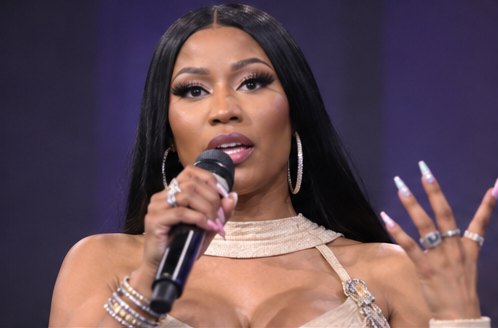
Nicki Minaj Song Abruptly Cut After Crowd Boos at Obama Rally — Is Her Support for Trump Changing How Fans See Her?
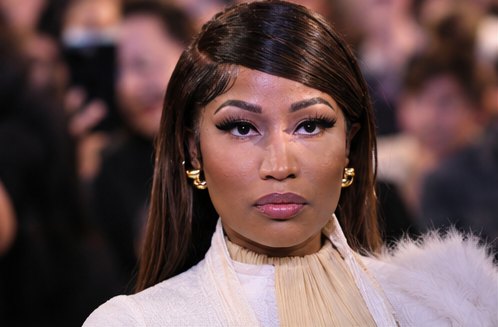
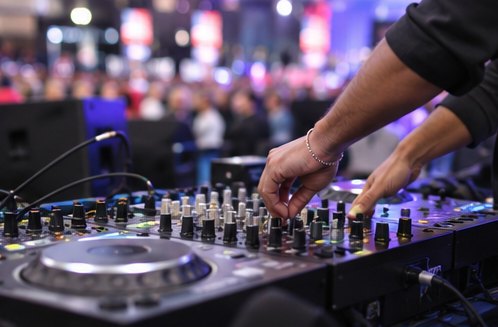
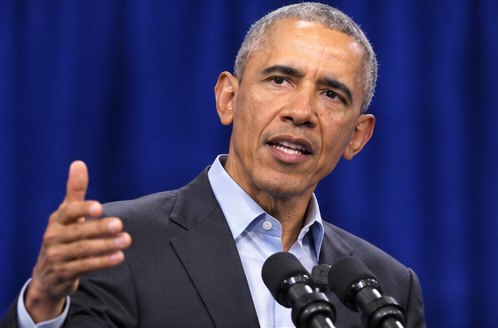
A brief interruption in a campaign rally playlist has become a flash point in the relationship between celebrity culture and American politics. A Nicki Minaj song was met with boos at an event featuring former President Barack Obama, prompting the DJ to switch tracks and sending a video of the moment across social media.
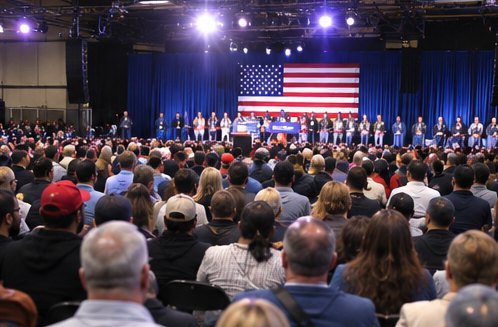
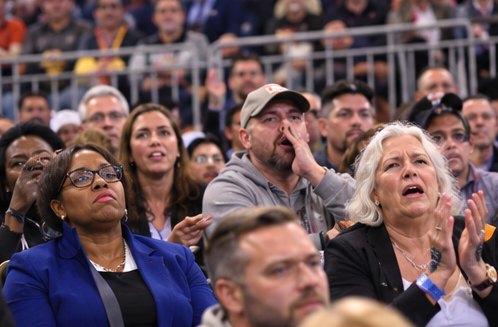
The incident unfolded on October 24, 2026, as Democrats were campaigning ahead of the November midterm elections. According to reports and clips shared online, the music was playing before Obama appeared. The atmosphere shifted when members of the audience recognized a track by Minaj, whose increasingly visible support for President Donald Trump had already drawn criticism.
In the recording, at least one audience member can be heard demanding that the song be turned off. Another person suggests playing a different artist. The DJ changes the music, turning what would normally have been an unremarkable selection into an unexpected political moment.
The encounter did not take place at a Trump rally, despite the way some online descriptions might lead readers to imagine it. It happened at an event associated with Obama and Democratic candidates. That context matters: the audience was assembled to support politicians from the party opposing the president Minaj has publicly praised.
Minaj's political evolution has become an increasingly visible part of her public identity. In January 2026, she appeared alongside Trump at a Washington event highlighting the administration's Trump Accounts initiative. Speaking onstage, she expressed enthusiastic support for the president and said criticism would not change her position.
Her endorsement was more than a passing comment. She has continued to speak favorably about Trump and has urged young people to participate in the midterm elections by supporting Republican candidates. For listeners accustomed to treating her songs as entertainment rather than political messages, that advocacy may change how they interpret her public appearances.
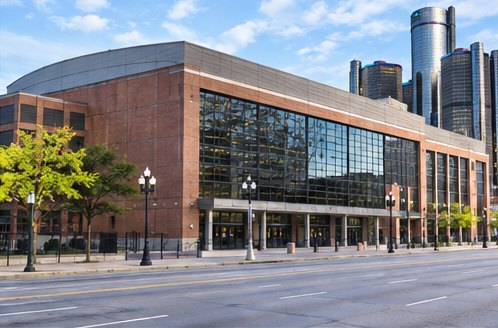
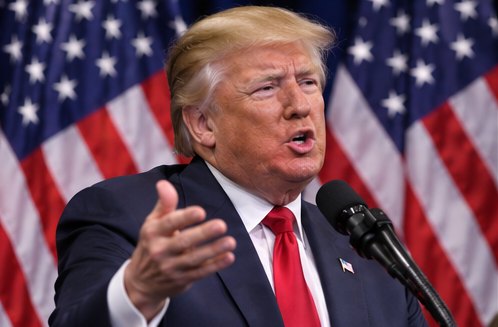
The contrast became even sharper during the campaign weekend. On October 25, Minaj appeared with Trump at a Republican event in Michigan, where she spoke to the audience and encouraged support for Republican candidates. Her presence reinforced the perception that she was taking an active role in partisan politics.
The crowd's response at the Obama event was immediate enough to become a headline, but the available footage shows only one setting and one short period of time. It does not establish that all attendees booed, that all of Minaj's fans have rejected her, or that her commercial popularity has collapsed.
Some social media users applauded the decision to cut the song, arguing that a Democratic gathering was an awkward venue for music by a prominent Trump supporter. Others questioned the DJ's choice in the first place. Such reactions reveal how music playlists at political events can be read as expressions of political identity, even when the selection was not intended as a statement.
For a performer with a long career and a passionate fan community, the stakes extend beyond a single campaign rally. Public endorsements can win an artist admiration from one audience while creating distance with another. The same visibility that broadens a celebrity's influence can also intensify scrutiny of every subsequent public appearance.
That tension is not unique to Minaj. Musicians, actors, athletes and other public figures have long participated in election campaigns. What has changed is the speed with which a few seconds of crowd reaction can be recorded, reshared and interpreted as a verdict on an artist's entire reputation.
Online commentary can encourage sweeping judgments that the evidence cannot support. A clip of audience members objecting to a song may be genuine, but it cannot answer questions about nationwide public opinion, music streaming, concert attendance or future record sales. Those claims require separate and reliable evidence.
The DJ's rapid response also raises a practical question about campaign events. Organizers frequently use familiar songs to build energy and connect with audiences. Yet a popular track can carry associations that are politically uncomfortable in a highly partisan environment, particularly when its performer has become an active campaign surrogate.
Obama's event was intended to focus attention on Democratic candidates and the upcoming congressional elections. Instead, a piece of the pre-event soundtrack briefly competed with that message. It is a reminder that political gatherings are shaped not only by speeches and policy arguments but also by visual cues, staging and cultural references.
The timing magnified the incident. With the November election approaching, both major parties were working to motivate supporters and attract undecided voters. Public appearances by former presidents and celebrity endorsers were part of that larger effort to capture attention during the final days of the campaign.
Minaj has a right to express her political views, and listeners have a right to disagree with them. Neither a celebrity endorsement nor an audience's unfavorable reaction determines the merits of the political positions involved. But together they show the growing difficulty of keeping entertainment and partisan identity separate.
There is also a difference between criticizing an artist's politics and rejecting the artist's work. Some listeners continue to enjoy music made by performers whose views they oppose; others find those associations impossible to ignore. The rally incident illustrates the latter response in a particular political setting, without proving it is universal.
For observers of the 2026 midterms, the episode has become a vivid example of how cultural symbols migrate into electoral conflict. A song selected to fill time between speeches suddenly became a referendum, for some audience members, on the politics of the person who recorded it.
The longer-term effect on Minaj's public image remains uncertain. Her continued appearances with Trump may deepen support among politically aligned audiences while provoking additional criticism elsewhere. Whether that translates into measurable changes in her music career cannot be determined from a single clip.
What the footage does show is straightforward: a Nicki Minaj track played at a Democratic campaign event, some people in the crowd booed, and the music changed. The larger story is why that small incident drew attention—and what it reveals about an election season in which the boundary between popular culture and partisan politics has become increasingly thin.
Comments (0)
Loading comments...
May You Like

BANGCHAK REFINERY IN THAILAND SHUT DOWN, U.S. OIL PRICES JUMP 10%!

NYC EMERGENCY—MILLIONS FACE EVACUATION RISKS, MACY'S GIANT BALLOONS REMOVED FOR SAFETY!

Latest Posts







Popular Posts





