
Nicki Minaj’s Song Gets Booed at Obama Rally — Then She Takes the Stage With Trump
Nicki Minaj’s Song Gets Booed at Obama Rally — Then She Takes the Stage With Trump
A brief moment involving a campaign rally playlist has become one of the most talked-about celebrity stories of the 2026 midterm election season. When a DJ played a Nicki Minaj song before a Barack Obama campaign appearance, some people in the audience responded with boos, and the music was quickly changed.
Video circulated online after the October 24 event, showing the reaction as the song began. One attendee could be heard calling for the track to be turned off, while another suggested playing something different. The incident was short, but its political meaning spread far beyond the venue.
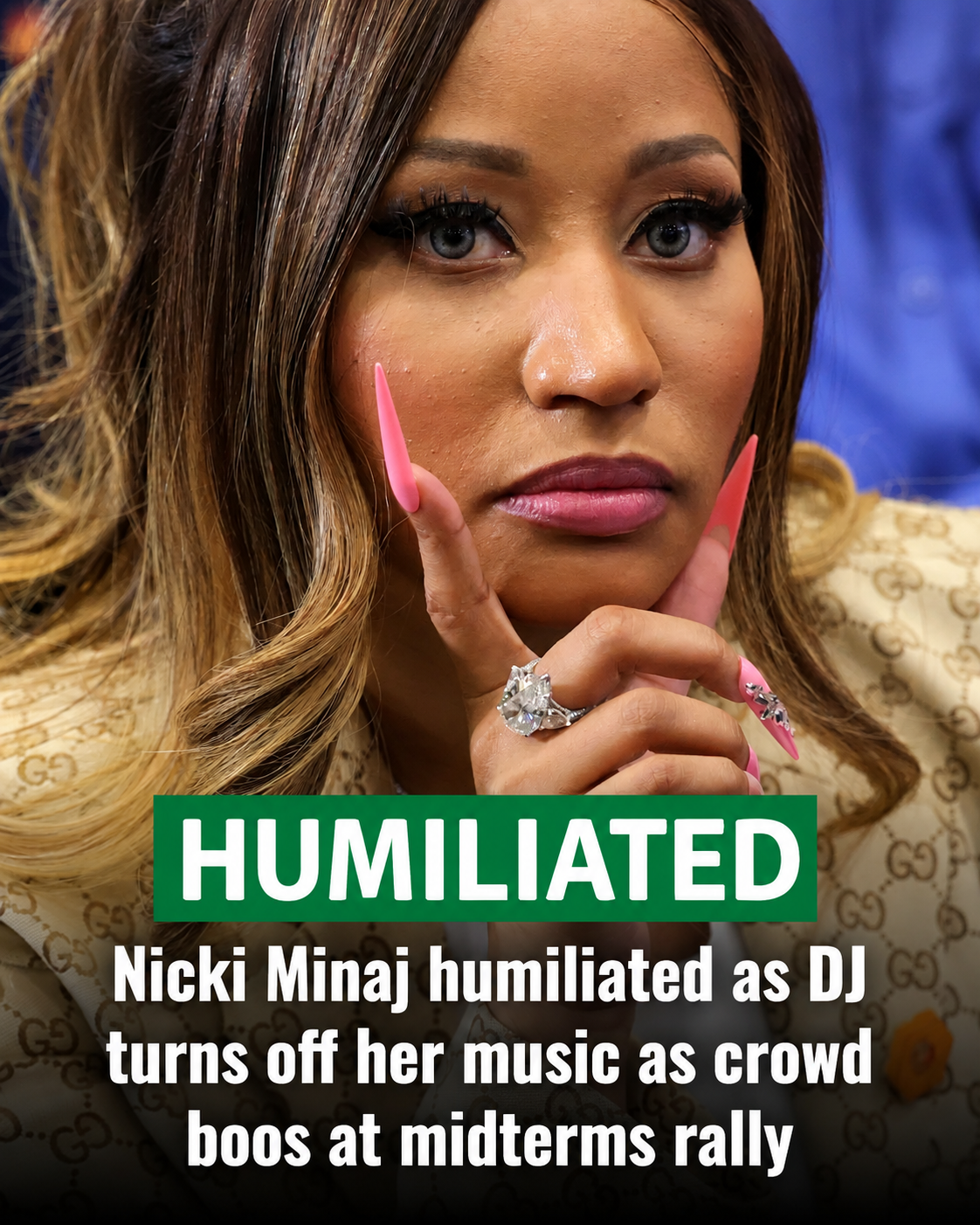
The reaction came against a backdrop of increasingly visible political activity by Minaj, who has expressed support for President Donald Trump and encouraged younger Americans to vote for Republicans in the November elections.
For some people attending a Democratic campaign event, hearing music by an artist publicly aligned with the opposing party apparently struck the wrong note. Yet the footage cannot establish what every person in the audience thought, or whether everyone who reacted shared the same motivation.
The episode also demonstrates how celebrity endorsements can reshape the public reception of an artist's work. A hit song that once brought different audiences together can suddenly become a political symbol when its performer enters a contentious election.
Obama was campaigning for Democratic candidates as the party sought to mobilize voters ahead of November 3. His appearances were intended to focus attention on the economy, the direction of the country, and the balance of power in Washington.
Instead, a few seconds of music before the former president took the stage created a viral sideshow. Clips of the interruption traveled rapidly through social media, where users interpreted the crowd's response as a judgment on Minaj's political choices.
Some commentators celebrated the boos, arguing that artists should expect consequences when they make high-profile political endorsements. Others questioned why a campaign DJ would play music by someone so publicly supportive of Trump in the first place.
There is a meaningful distinction between criticism and a broader claim that a performer's career has collapsed. A crowd's reaction at one political gathering cannot measure nationwide popularity, music sales, streaming audiences, or the views of all longtime fans.
The story took a striking turn the following day, October 25, when Minaj joined Trump at a Republican rally in Port Huron, Michigan. Her appearance made clear that her support was not limited to social-media comments or television interviews.
Onstage, Minaj encouraged the audience to support Republican candidates and praised Trump in enthusiastic terms. She led chants supporting the president and spoke about the future she hoped to see for American families.
Trump, in turn, welcomed Minaj and praised her in front of the rally crowd. Their appearance together underscored how both political parties are using recognizable public figures to attract attention in a closely watched election cycle.
Michigan has become an especially important political battleground. Campaign appearances by Trump and Obama have placed competing visions of the country's future directly before voters in a state where turnout and persuasion could matter enormously.
The contrast between the two events was unusually vivid. At a Democratic gathering, a song associated with Minaj was met with audible disapproval. At a Republican gathering, the artist herself received a warm welcome from supporters of the president.
That contrast illustrates the polarized environment facing entertainers who take political positions. A celebrity's message may energize one audience while alienating another, and the resulting backlash can become part of the campaign conversation.
Still, the larger questions facing voters are not about a playlist. Economic pressures, health care, immigration, government accountability, and the direction of national policy remain central to the stakes of the midterms.
Political strategists nevertheless understand the value of a memorable viral moment. Even when a story begins as a minor interruption, it can attract millions of views and draw attention to political alliances that might otherwise receive less coverage.
Minaj has every right to express her political preferences, just as audience members have the right to disagree with them. The challenge for public debate is separating a performer's political views from claims about the quality of their music or their entire fan base.
There is also a limit to what the circulating footage proves. Reports describe booing and a DJ switching tracks, but the clip alone does not establish that Minaj personally witnessed the incident or experienced humiliation at the event.
With Election Day approaching, the incident offers a snapshot of the unusually close relationship between pop culture and American politics. What began with a song being cut short ended with an unmistakable political contrast: Nicki Minaj standing alongside Donald Trump, while Democrats continued their own effort to rally voters.
Comments (0)
Loading comments...
May You Like

TRUMP'S BIGGEST THANKSGIVING “PARDON”? WHY IS HE BACKING NVIDIA'S JENSEN HUANG?

ANTISEMITIC THREAT CONCERNS IN NEW YORK — HAVE WE LEARNED NOTHING FROM HISTORY?

IOWA CRISIS — 150+ WITH LEAD AND MERCURY POISONING, 69 CRITICAL!













