
Nike Dropped From S&P 100 After Nearly 18 Years as Stock Slide Deepens
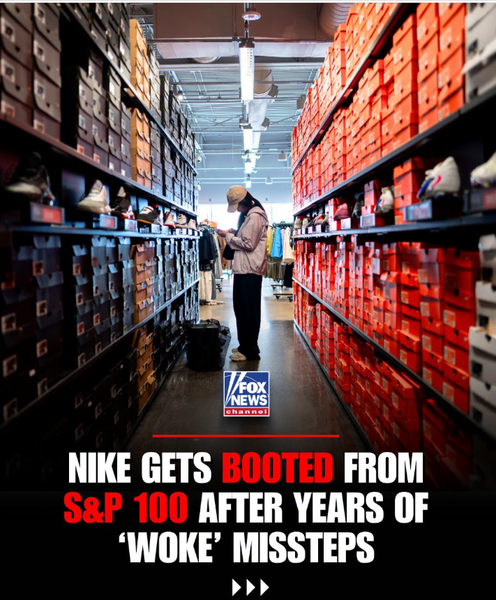
Sportswear giant to be replaced by four technology companies in quarterly rebalancing, but retains S&P 500 membership
By [Staff Writer] | September 11, 2026
Nike Inc. will be removed from the S&P 100 Index after nearly 18 years, S&P Dow Jones Indices announced, marking a symbolic end to the sportswear giant's tenure among the largest and most established U.S. companies.
The change, part of the index's quarterly rebalancing, will take effect before the market opens on September 21. Nike will be replaced by four technology companies: Dell Technologies, Palo Alto Networks, Arista Networks, and SanDisk. Honeywell Aerospace, Simon Property Group, and Colgate-Palmolive will also exit the index.
A Long Slide From the Top
Nike's removal is the culmination of a multiyear decline in its stock price and market capitalization. The company's market value has fallen to approximately $57 billion, down from a peak of roughly $280 billion in late 2021—a decline of more than 80%. The stock has lost nearly half its value over the past year and about 76% over five years.
At approximately $38 per share, Nike is trading at its lowest level in 12 years. The stock has declined more than 40% so far in 2026 and is heading toward a fifth consecutive annual decline. By contrast, both the S&P 100 and S&P 500 indexes have risen this year and are on track for their fourth consecutive year of gains.
Root Causes: Strategic Missteps and China Weakness
Analysts attribute Nike's decline to several factors. The company's aggressive shift toward a direct-to-consumer model under former CEO John Donahoe, which began in 2020, weakened its relationships with wholesale partners and opened shelf space for competitors. Brands such as Hoka and On have since made significant inroads in the running and performance categories.
Greater China has been a particular weak point. Nike's revenue in the region declined 11% in fiscal 2026 and has now fallen for eight consecutive quarters. Local brands including Anta and Li Ning have gained market share, while broader "guochao" (national trend) sentiment has reduced the premium younger Chinese consumers are willing to pay for Western brands.
Rebalancing Impact Limited, but Symbolic
While the removal from the S&P 100 does not affect Nike's business operations or its listing status, it will trigger mechanical selling by passive funds that track the index. The iShares S&P 100 ETF, which manages approximately $20 billion in assets, holds about $19 million in Nike stock and will need to adjust its holdings.
The broader impact is expected to be limited because Nike remains a constituent of the S&P 500, where index funds collectively hold far larger positions—including more than $700 million held by Vanguard's S&P 500 ETF alone.
"Nike's removal from the S&P 100 index is closely related to the continued shrinkage in the company's stock price and market value in recent years," noted analysts at nai500, adding that the adjustment's overall impact is limited because the scale of S&P 100-related funds is far smaller than S&P 500-related holdings.
Company Response
Nike's investor relations team moved to reassure executives ahead of the removal, emphasizing in an internal memo that the adjustment involves only the S&P 100 index and does not affect the company's business, strategy, operations, or listing status.
Wall Street Turns Bearish
The index removal comes amid a wave of negative analyst sentiment. Morgan Stanley resumed coverage of Nike with an Underweight rating and a $31 price target, implying approximately 20% downside from current levels. The firm cited a "more conservative revenue outlook, particularly in China, and a slower medium-term recovery than the Street embeds".
BMO Capital initiated coverage with an Underperform rating and a $30 price target, citing concerns over "slowing lifestyle demand, a reset in China distribution, and structurally lower margins".
What's Next for Nike
CEO Elliott Hill, who took over in October 2024, has implemented a "Win Now" turnaround strategy focused on rebuilding wholesale relationships, clearing inventory, and strengthening product innovation. Hill has pointed to progress in North America and running product sales but acknowledged on the company's fourth-quarter earnings call that the brand is not "living up to the potential".
The company has said it expects revenue to decline by low-to-mid single digits in the first half of fiscal 2027. Analysts will be watching the next two earnings cycles for signs that inventory cleanup and product resets are translating into improved financial performance.
For now, Nike's exit from the S&P 100 serves as a stark marker of how far the one-time Wall Street darling has fallen—and how aggressively capital has rotated toward technology and AI infrastructure plays. Every company that replaced Nike in the index came from the information technology sector, a shift that S&P Dow Jones Indices said ensures each index remains "more representative of its market capitalization range".
Comments (0)
Loading comments...
May You Like

Obama Steps Back Into the Political Spotlight as Democrats Target Trump’s Senate Majority

OBAMA STUNS ON INSTAGRAM: MESSAGE MARKING 34-YEAR MILESTONE SPARKS A BUZZ













