
NINE MONTHS PREGNANT DURING FORT HOOD ATTACK: SURVIVOR DENIED ACCESS TO EXECUTION
FORT HOOD, TEXAS — NOV 26, 2026 — The planned execution of the man convicted in the 2009 Fort Hood shooting has brought renewed attention to survivors, victims’ families and the military’s responsibilities to them.
Nearly 17 years after the attack at the Texas Army post, those affected are confronting decisions about a punishment scheduled to take place at the same installation and considering how the military has handled the aftermath of the attack.
The case has also returned to federal court, where a pending request could alter the schedule while people connected to the shooting await the next developments.
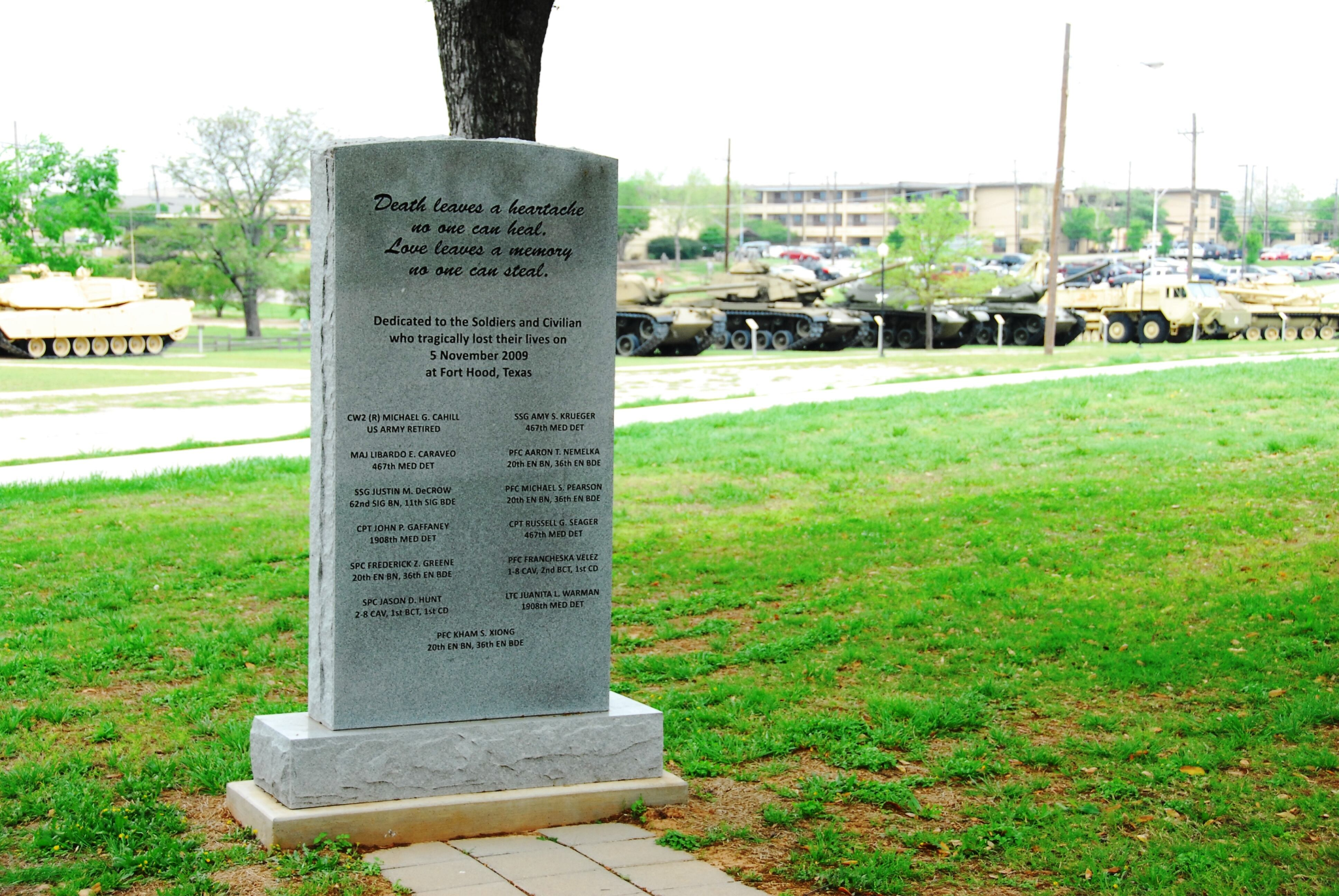
On Nov 5, 2009, Army psychiatrist Nidal Hasan opened fire at a soldier readiness processing center where personnel were preparing for deployment or returning from overseas service.
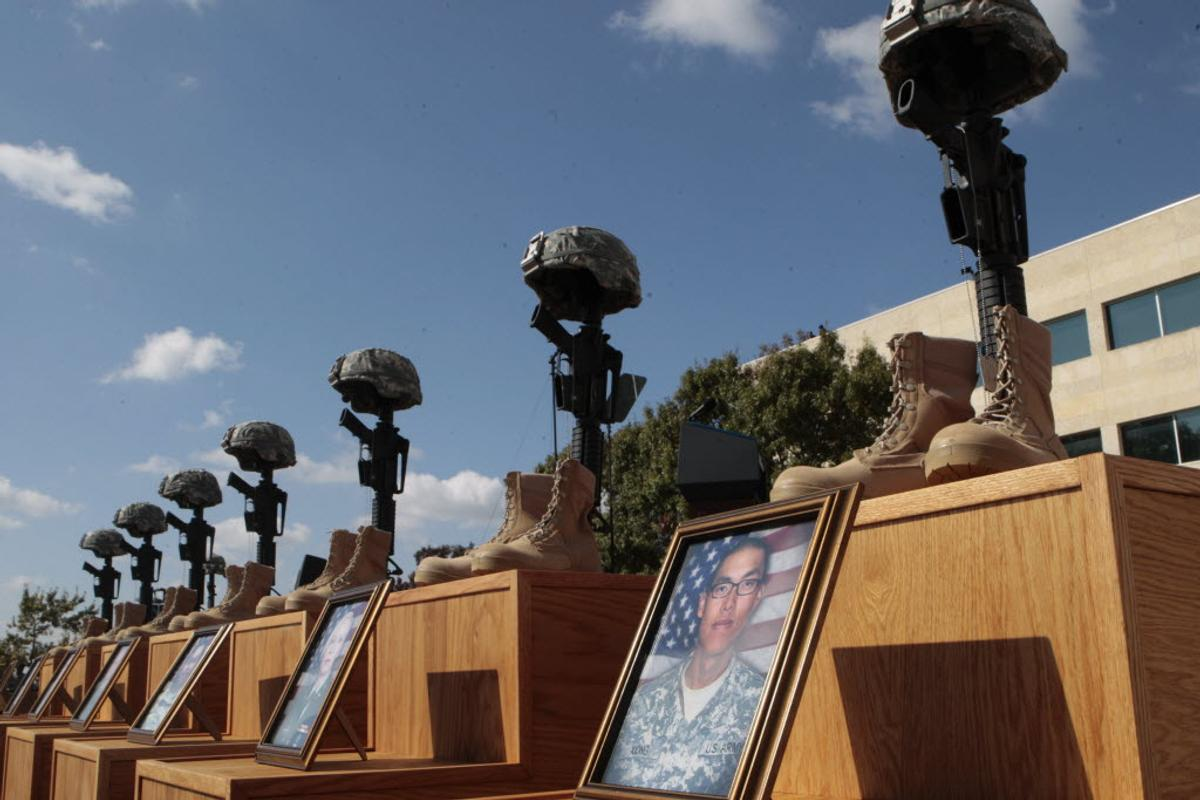
The attack killed 13 people, including 12 service members and one civilian, and left more than 30 people wounded, according to accounts of the shooting and subsequent proceedings.
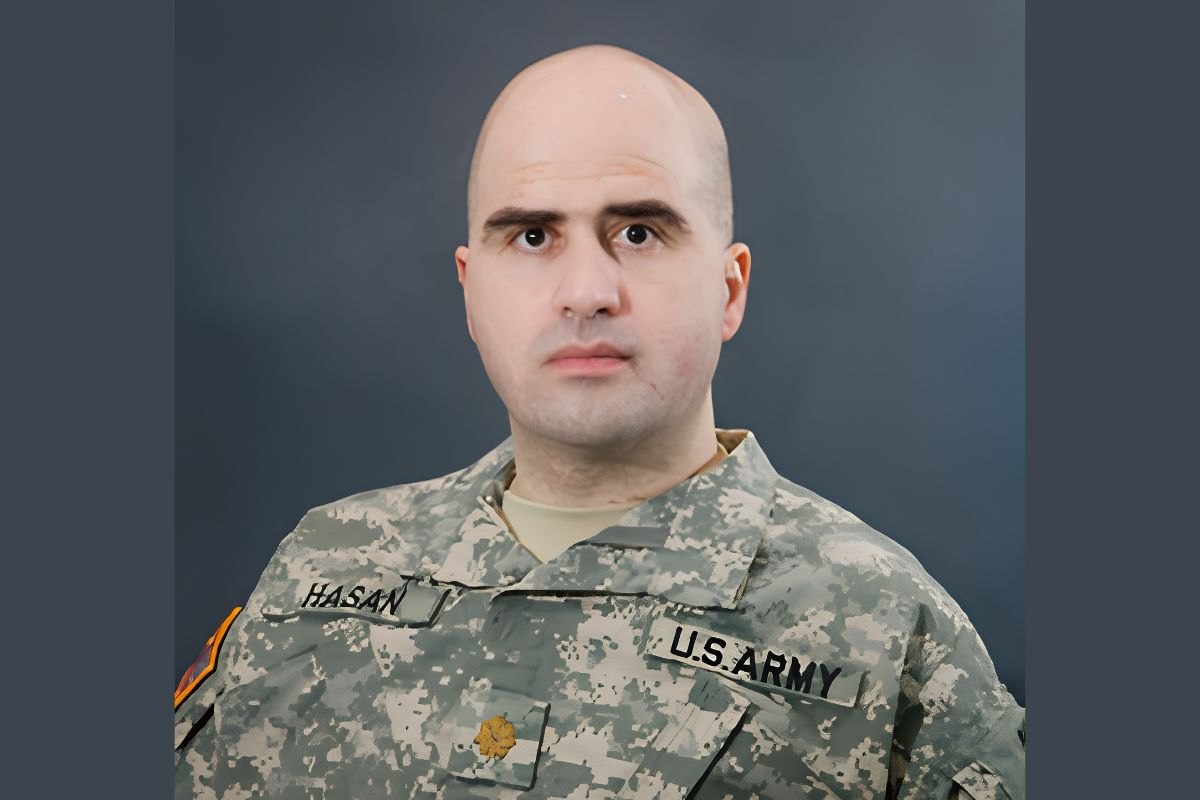
A military court convicted Hasan in 2013 of 13 counts of premeditated murder and 32 counts of attempted premeditated murder, and sentenced him to death.
After President Donald Trump approved the sentence, the Army set an execution by firing squad for 1 pm Central time on Dec 3 at Fort Hood.
If carried out, it would be the first US military execution since 1961 and the first military execution by firing squad since World War II.
Defense Secretary Pete Hegseth initially announced plans for a public livestream, but Trump later canceled the broadcast after the proposal drew criticism from several quarters.
The change left in place a more limited process for in-person attendance, with military rules addressing who may witness an execution and officials citing security and space constraints.
Some people who survived the attack say that being present would allow them to support other survivors and the families of those killed, as well as see the sentence carried out.
Retired Army Col Kathy Platoni helped care for wounded personnel after the shooting, while former Army Maj C Alan Hopewell testified at Hasan’s trial.
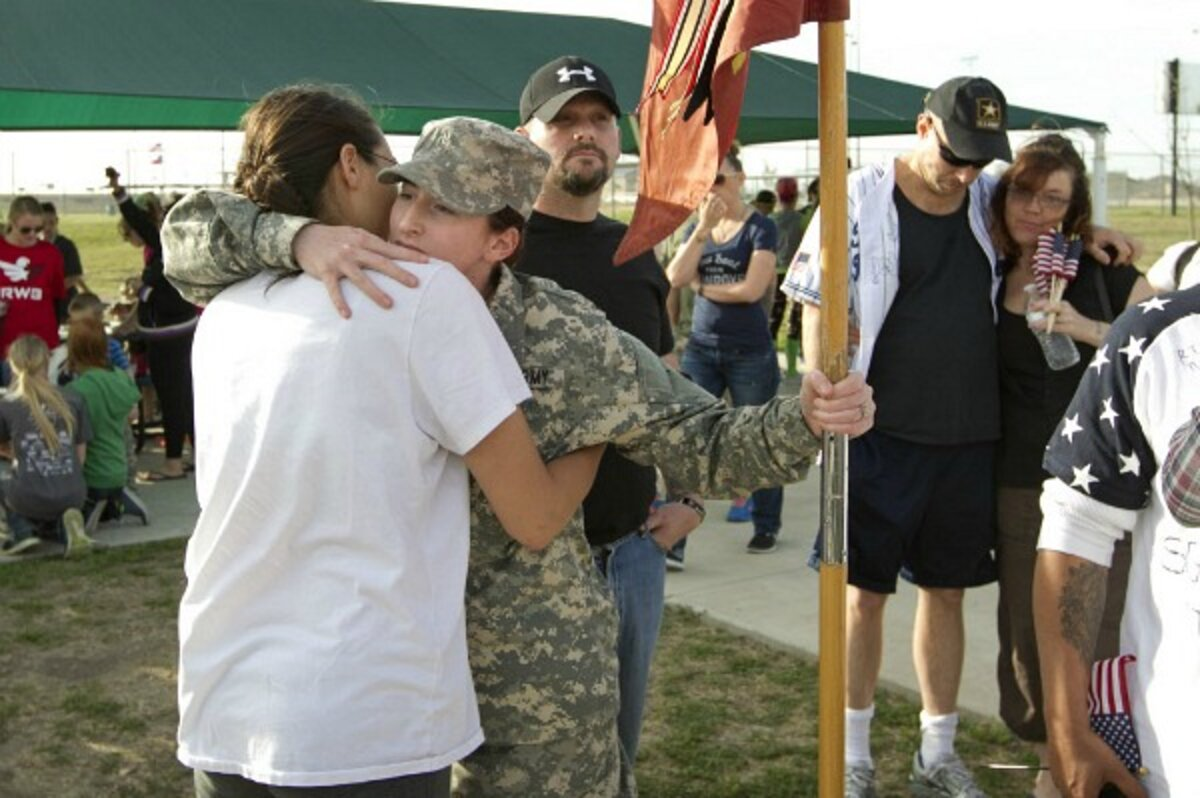
Julia Wilson, who worked at the processing center, was nine months pregnant at the time of the attack and has spoken publicly about its lasting effects.
The three say their experiences caused enduring emotional harm even though none was struck by gunfire, and they asked military officials for permission to attend the execution.
The Army rejected their requests on Nov 10 because it said they were not direct victims of the offenses for which Hasan was convicted, according to military officials.
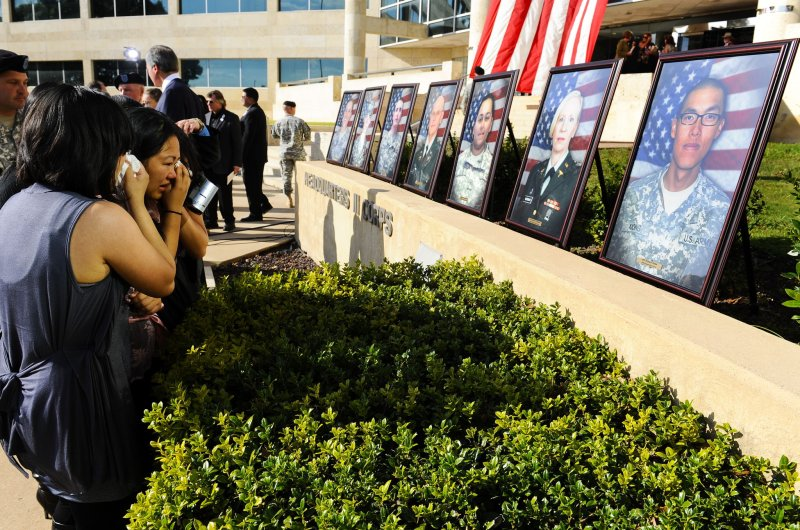
On Nov 24, the military denied their request for reconsideration, and a letter from the Fort Leavenworth commandant said there was no further appeal within that process.
The survivors dispute the Army’s interpretation, arguing that a broader military definition of victim includes people who suffered emotional harm as well as physical injury.
Platoni described the decision as a betrayal, and Hopewell said he wanted to attend in support of those who had been killed, injured or threatened.
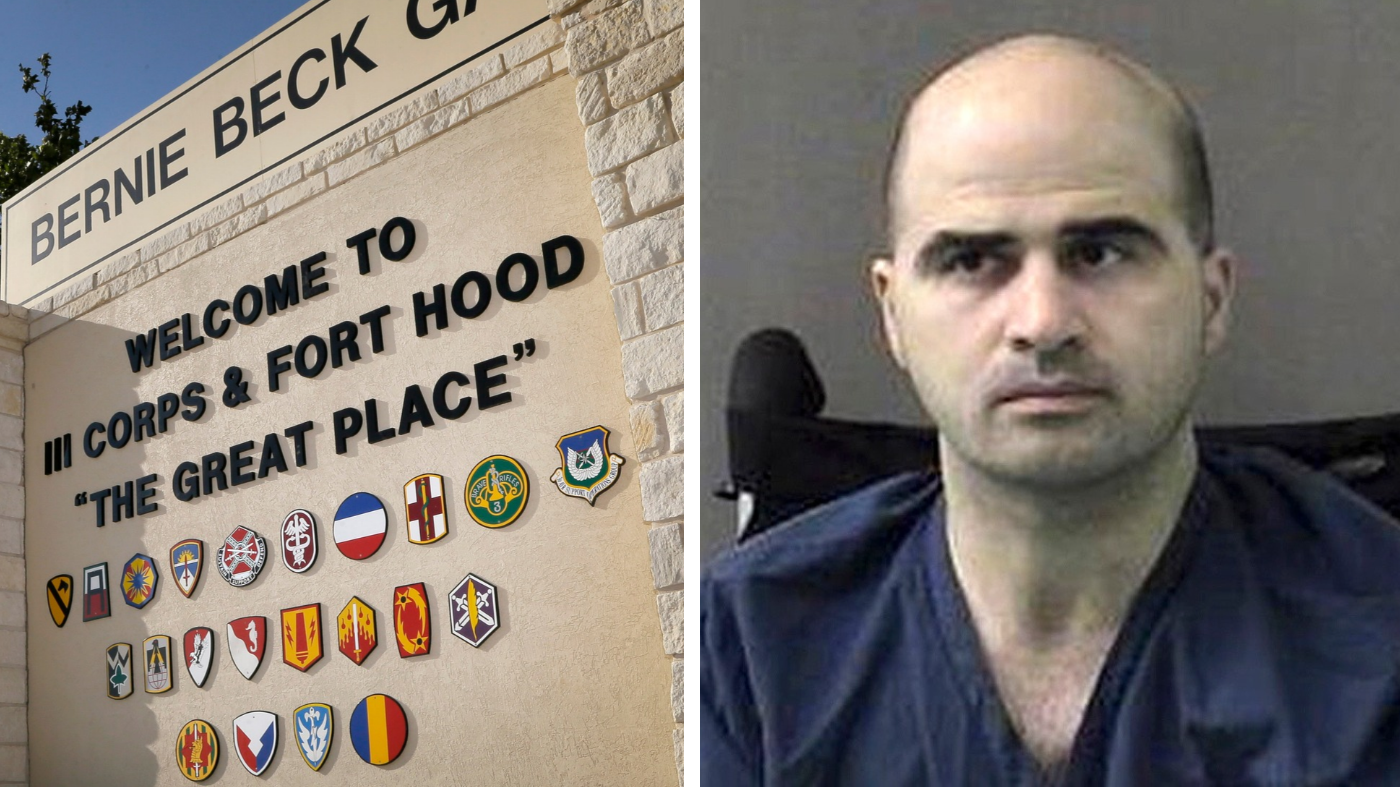
Separately, Hasan asked a federal judge in Kansas to stay the execution so he can prepare a habeas corpus petition challenging his conviction and sentence.
No decision on the stay was made at a Nov 25 hearing, and another hearing is scheduled for Nov 30, leaving the Dec 3 execution date subject to the court’s decision.
Comments (0)
Loading comments...
May You Like
IOWA MILITARY DISASTER: 5 TONS OF SUSPECTED BIOWEAPON WASTE LEAK—300+ HOSPITALIZED, 20 CRITICAL!

IOWA NIGHTMARE: SECOND ARMY BLAST, 10,000 EVACUATED, 201+ HOSPITALIZED!

IOWA MILITARY DISASTER: 5 TONS OF SUSPECTED BIOWEAPON WASTE LEAK—301+ HOSPITALIZED, 20 CRITICAL!










Popular Posts



