
NIPPON TANK DISASTER REFERRED FOR POSSIBLE CRIMINAL PROSECUTION AFTER ELEVEN DEATHS
LONGVIEW, WASH — NOV 21, 2026 — Families of workers killed at a Longview paper mill are seeking accountability after state investigators released findings about a disaster that devastated the community.
The investigation into Nippon Dynawave Packaging has placed the company’s safety decisions under scrutiny while relatives pursue answers through regulators, attorneys and the courts.
The state’s findings concern equipment at the mill, the company’s response to hazards and the steps officials say could have protected workers before the tank failure.

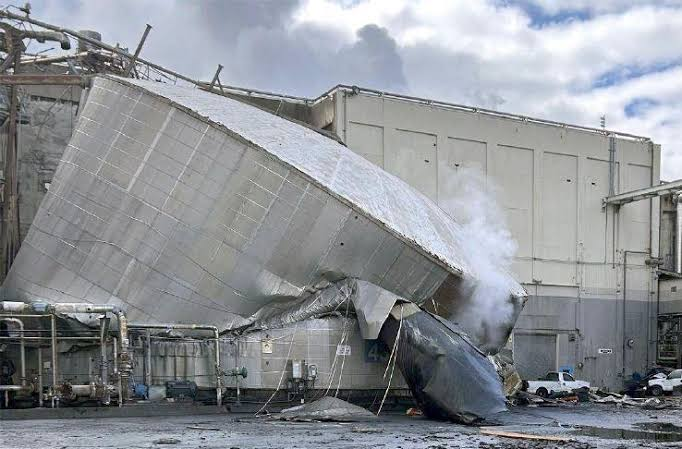
The disaster occurred on May 26 when a storage tank ruptured at the pulp and paper facility, killing 11 workers and injuring 12 other people, according to state officials.
The tank held white liquor, a highly caustic chemical mixture used to break down wood in the production of pulp for paper and packaging.
The failure released approximately 900,000 gallons of the hot liquid across the facility, damaging nearby buildings and complicating the work of emergency responders, where employees had gathered for morning meetings as their shifts changed.
In the months that followed, the Washington Department of Labor and Industries interviewed more than 70 witnesses and examined more than 40,000 documents.
The agency reviewed the failed tank, known as G Tank, along with other equipment and the company’s emergency response procedures at the Longview plant, including the condition of other tanks that contained hazardous liquids at the facility.
Federal investigators from the independent Chemical Safety Board also examined the failure and have said their separate investigation into its causes and contributing factors remains ongoing.
Families have filed wrongful-death lawsuits, while the company has asked a judge to dismiss the cases on the basis that workers’ compensation rules govern the claims.
The company said it has continued to engage with agencies investigating the disaster, and it has been dismantling the damaged tank while preserving materials for examination, according to public updates on its response to the incident.
State officials say penalties collected through the workplace safety system go into a supplemental pension fund that supports injured workers and families of those killed on the job.
The company has 15 working days after receiving its citations to appeal the state’s findings and penalties, and a referral for possible criminal prosecution is not itself a criminal charge.
The state announced 75 workplace safety violations and $9,177,127 in labor penalties, plus $961,000 in environmental penalties and cost recovery, for a combined $10,138,127.
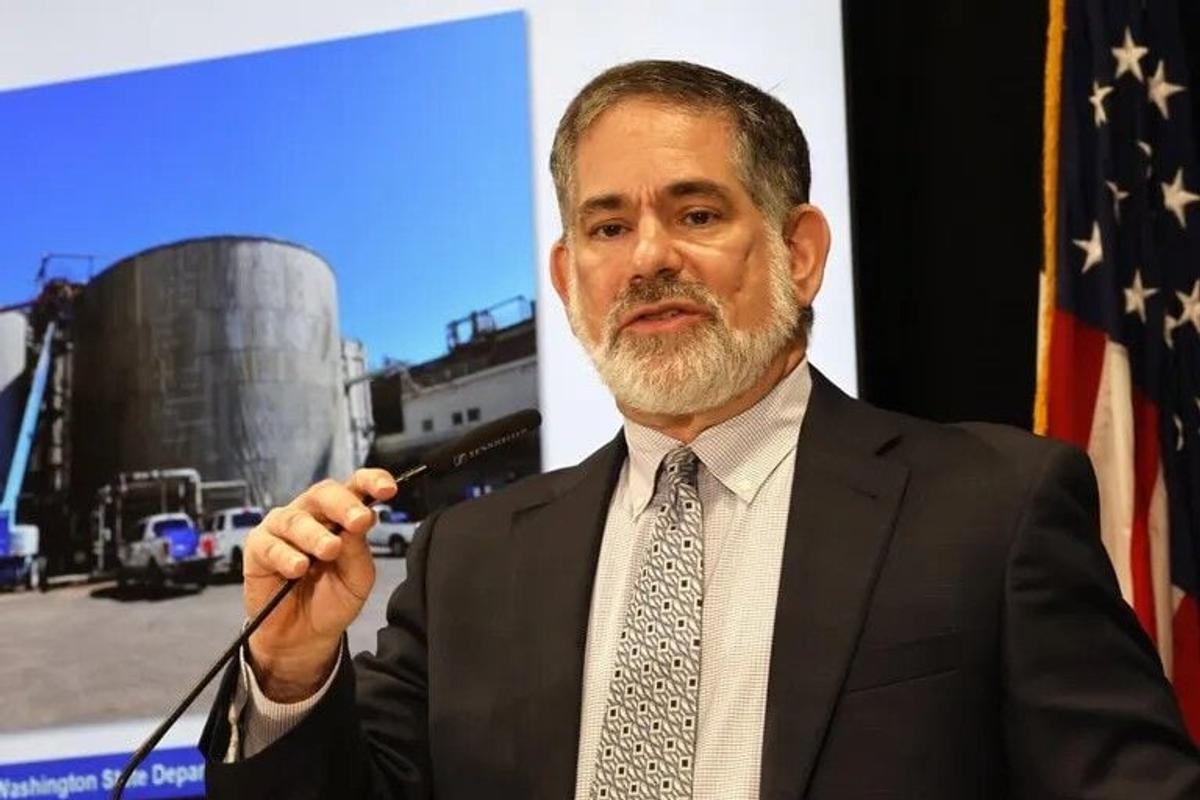
Investigators found that the company received 3 reports between August 2025 and February 2026 showing that corrosion had left sections of the tank below minimum safe thickness.
The state said the tank continued operating for 43 weeks after the first report without being repaired, removed from service or operated at a reduced level to lessen pressure.
Internal records show managers discussed options, and a separate company email obtained by reporters described repair decisions as constrained by budget and production.
The state also found that local leaders sought replacement bids and asked the parent company to include the tank in its capital budget, but the tank failed before it was replaced.
The available evidence therefore points to warnings and budget pressures surrounding delayed action, while the complete reason for each decision remains part of the continuing investigation.
For families, the state’s findings answer what was known and what was not done, while appeals, civil cases and a possible criminal review may determine further accountability.
Comments (0)
Loading comments...
May You Like

IRAN WARNS WASHINGTON — HOW SERIOUS IS THE THREAT TO U.S. MILITARY BASES?

TRUMP'S NVIDIA STOCK DEALINGS — IS THERE ANY TRUTH TO THE $14 MILLION PROFIT CLAIM?

PACIFICA PIER IN CALIFORNIA COLLAPSE REVEALS MASSIVE CRACK BENEATH THE OCEANs!












