
NVIDIA UNDER FIRE — CHINA CHIP SALES SPARK U.S. NATIONAL SECURITY CONCERNS!
NVIDIA UNDER FIRE IN WASHINGTON! DEMOCRATS ACCUSE JENSEN HUANG OF VIOLATING U.S. CHIP EXPORT LAWS — COULD THE TECHNOLOGY WAR WITH CHINA ESCALATE?
WASHINGTON, D.C. — NOVEMBER 25, 2026
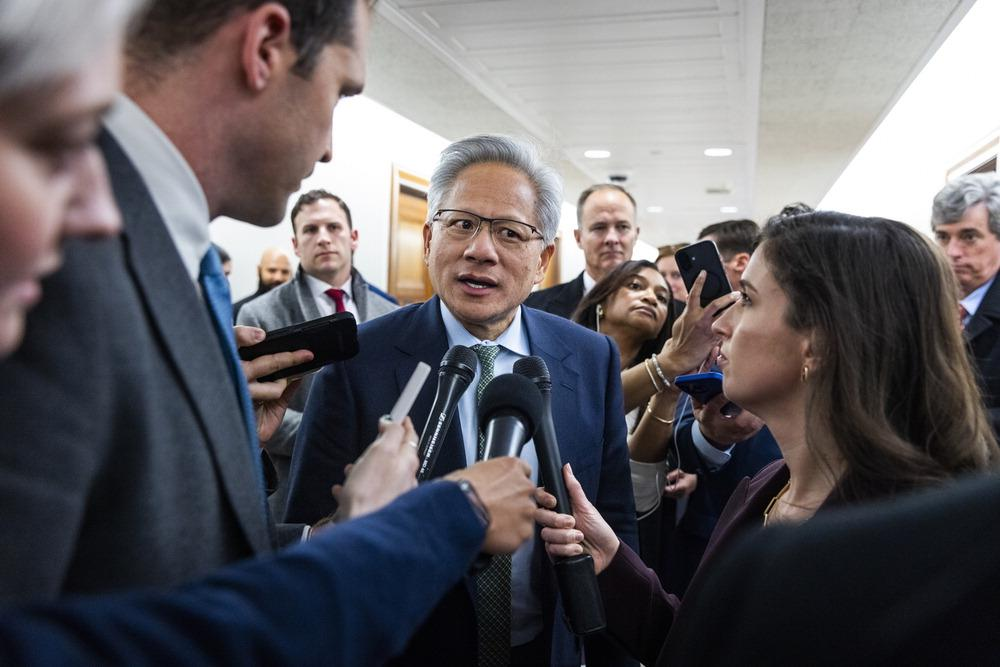
A political and technological controversy is intensifying in Washington after Senate Democratic leader Chuck Schumer accused Nvidia CEO Jensen Huang of violating U.S. export-control laws by shipping advanced artificial intelligence chips to China.
The accusations come just days after Nvidia reinstated Huang as chief executive following intervention from President Donald Trump.
Lawmakers from both parties are demanding answers about the company's export practices, raising questions about American national security and the global competition for artificial intelligence dominance.
The allegations have not been established through a court ruling.
Reuters+1
Could this controversy trigger an unprecedented tightening of America's technology restrictions against China?
1. Chuck Schumer Levels Serious Accusations Against Nvidia's CEO
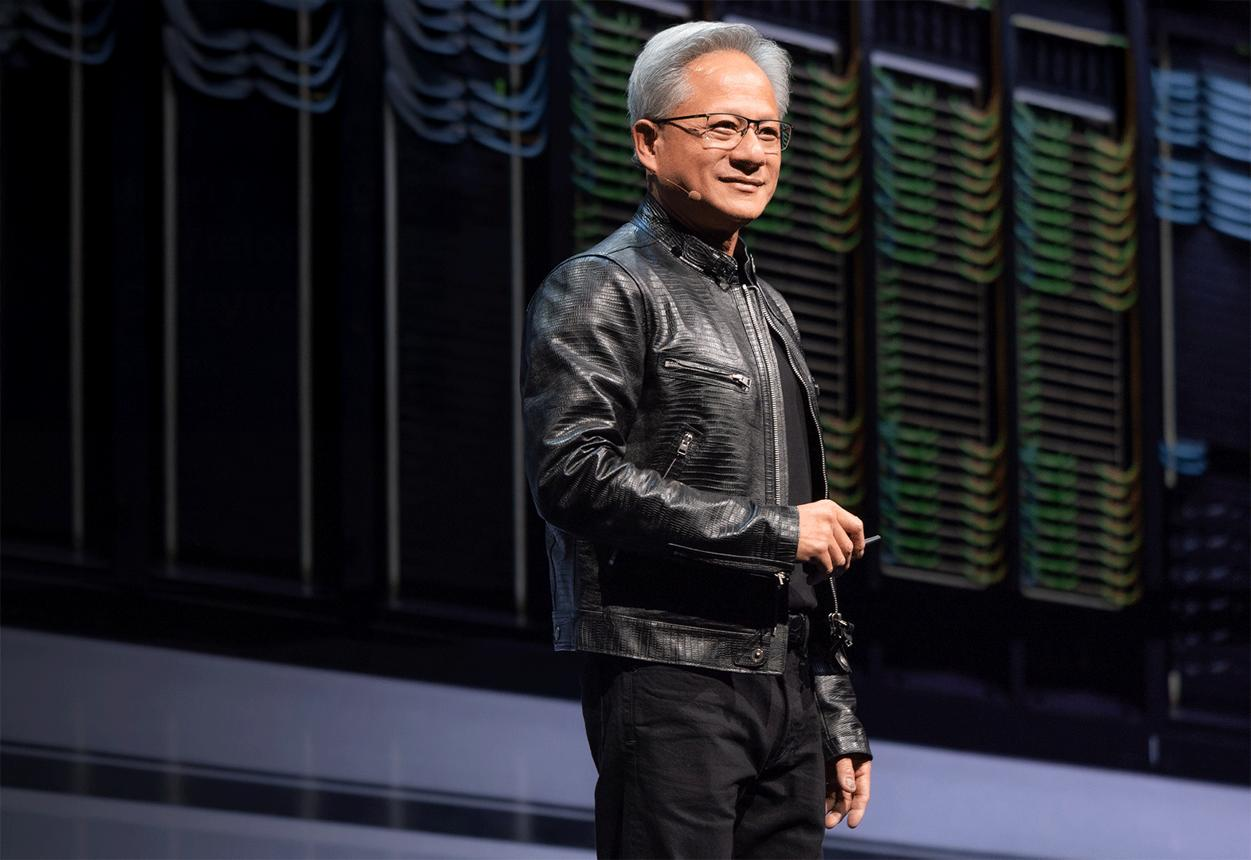
On November 24, Senate Democratic leader Chuck Schumer publicly accused Huang of violating federal restrictions governing advanced technology exports to China.
Schumer compared the alleged conduct to transferring strategically important American technology to the Soviet Union during the Cold War.
He also called for Congress to strengthen semiconductor export restrictions.
Nvidia did not immediately respond to the allegations reported by Reuters.
Investing.com
The dispute has intensified a broader debate over whether American technology companies can adequately balance their commercial interests with national security requirements.
2. Trump's Intervention Sparks Further Questions
President Donald Trump has acknowledged that he pressured Nvidia's board to bring Huang back as chief executive.
Nvidia reinstated Huang on November 23, following his resignation earlier this month.
The company's board concluded, after receiving input from senior government officials, that his return did not represent a national security risk.
However, Nvidia's internal investigation into foreign intelligence concerns remains ongoing.
scmp.com+1
Members of Congress are now seeking more information about the government's involvement and the basis for the board's decision.
3. Why Are Nvidia's Advanced Chips So Important?
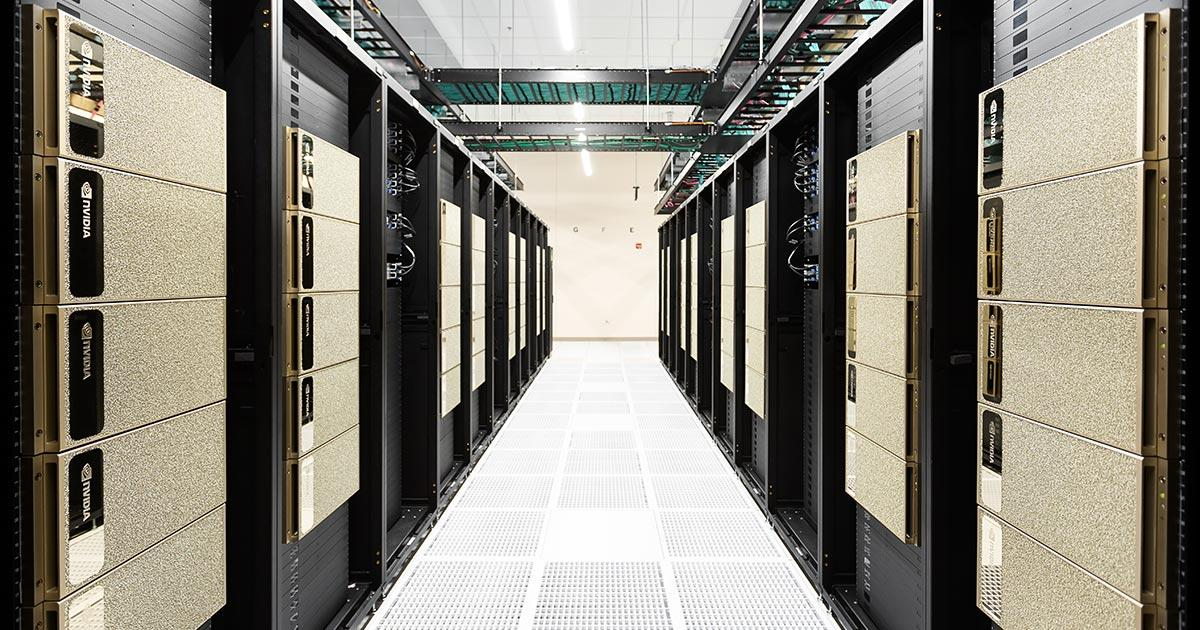
Nvidia's advanced processors are among the most important technologies powering the global artificial intelligence industry.
Their enormous computing capabilities allow researchers, companies and governments to process complex information at remarkable speeds.
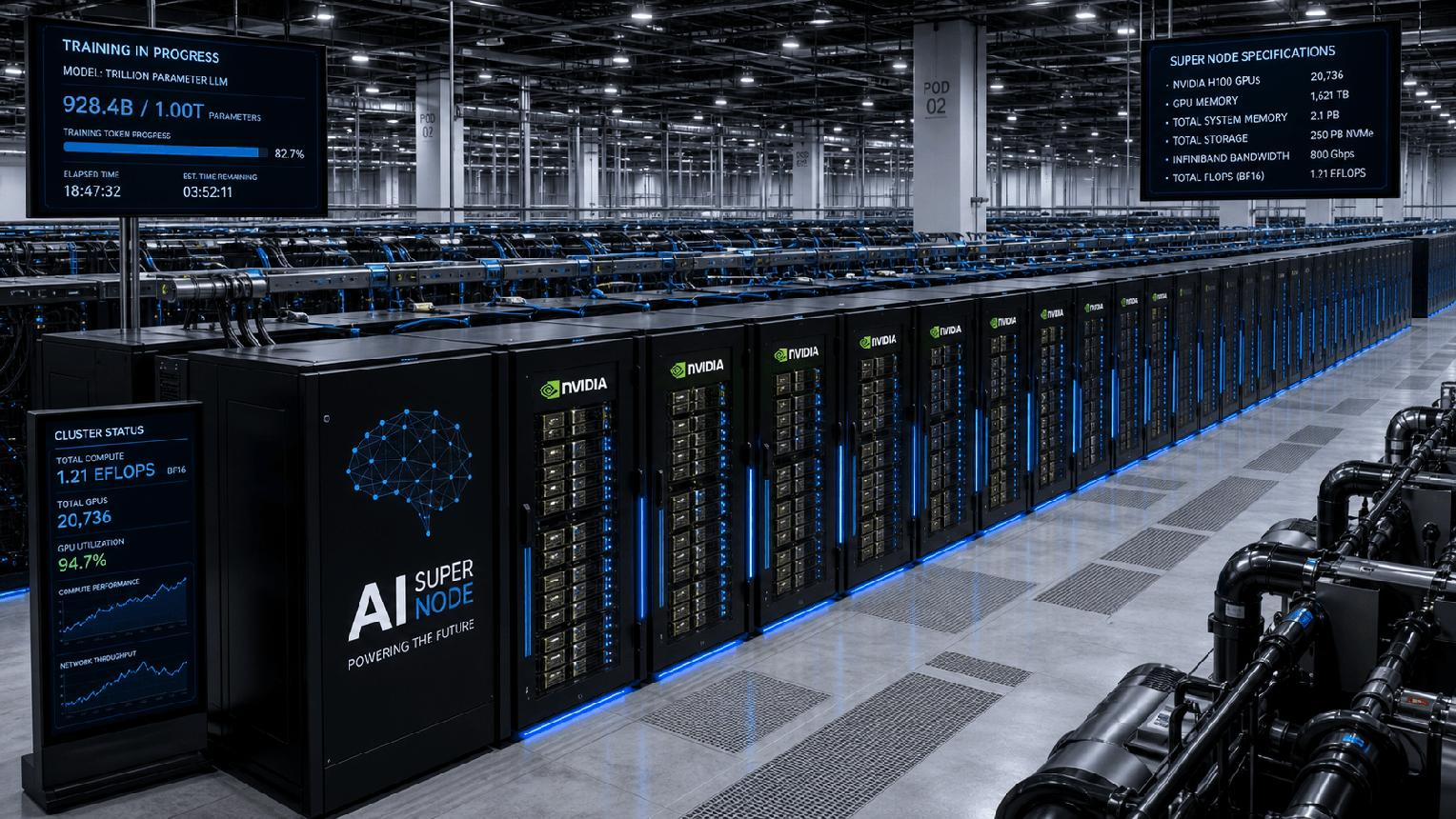
Artificial intelligence
Training sophisticated AI systems.

National defense
Supporting advanced computational and analytical capabilities.
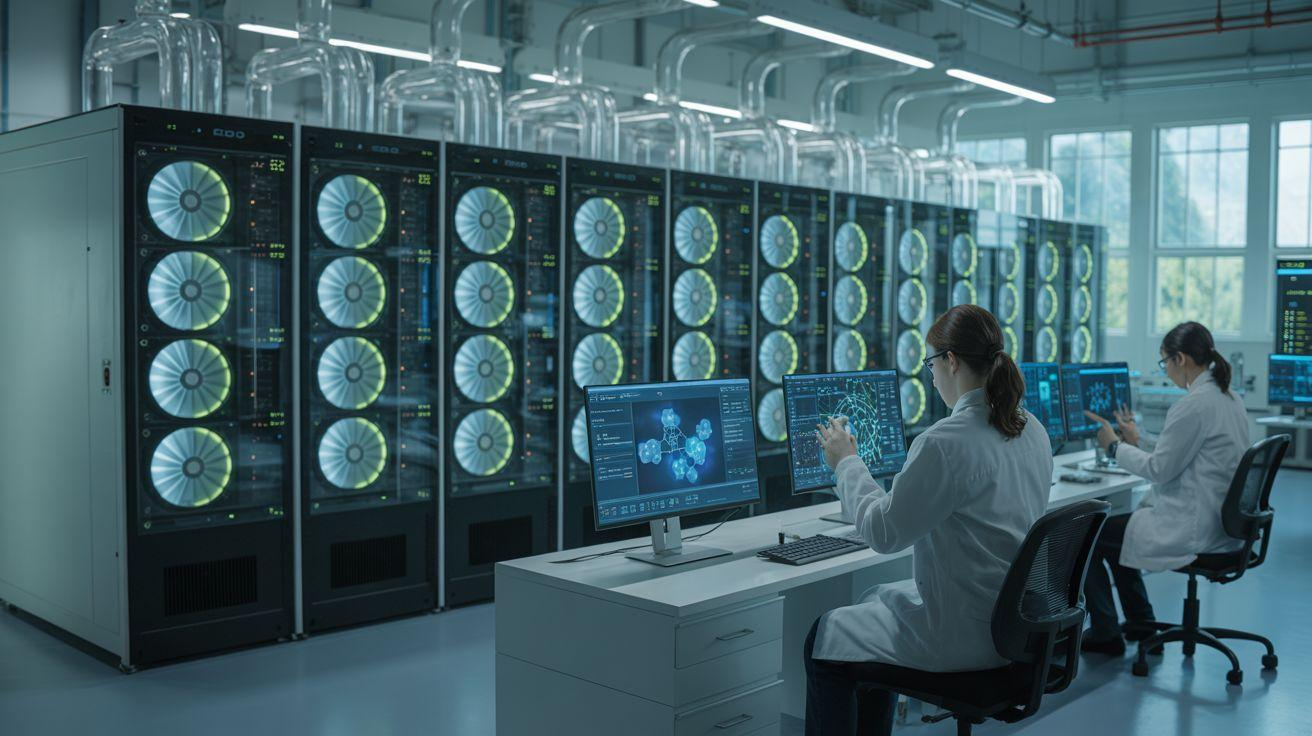
Scientific research
Accelerating simulations and medical discoveries.
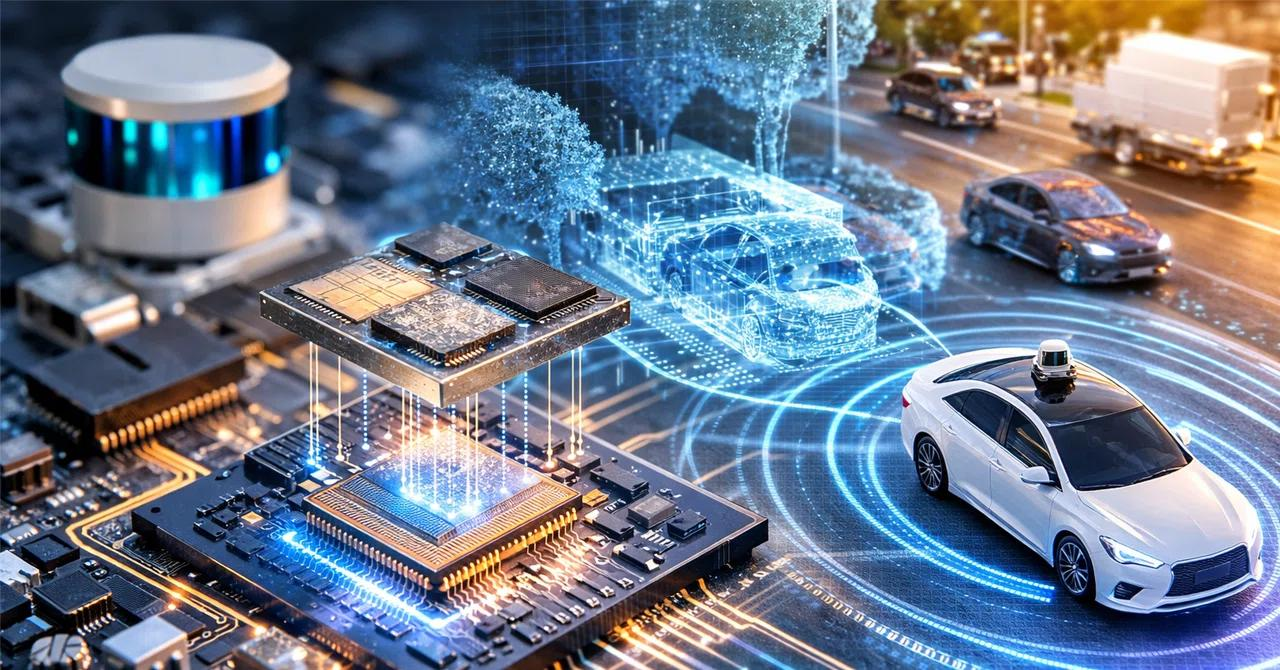
Industrial technology
Developing automation and next-generation products.
These technologies have both civilian and potential military applications, making access to advanced computing power an important strategic issue.
Washington's central concern is that restricted American technology could strengthen China's military and intelligence capabilities.
4. Republicans and Democrats Demand Answers
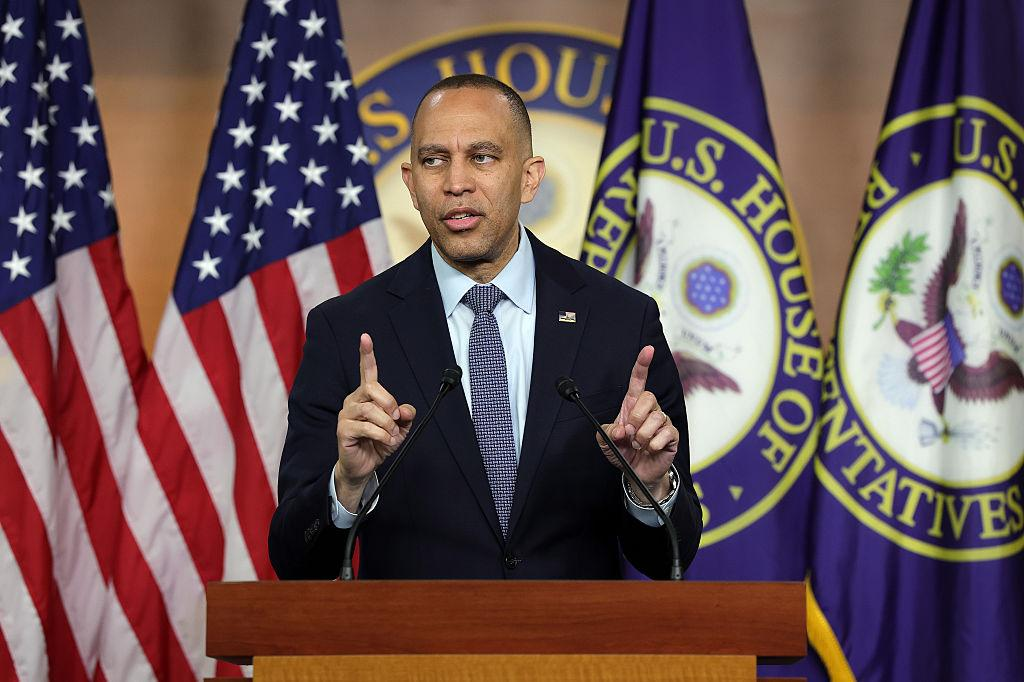
The controversy extends beyond the Democratic Party.
Several prominent Republican lawmakers have also expressed concerns about semiconductor export enforcement and Huang's reinstatement.
|
Lawmaker |
Position
Chuck Schumer (D)
Accuses Huang of export-control violations
Elizabeth Warren (D)
Demands stronger export safeguards and corporate accountability
Hakeem Jeffries (D)
Supports tighter AI technology restrictions
Tom Cotton (R)
Advocates stronger chip-tracking requirements
John Curtis (R)
Questions the circumstances surrounding Huang's reinstatement
Kevin Cramer (R)
Calls for additional export safeguards
Reuters+1
Although lawmakers differ on specific policy approaches, concerns about China's access to advanced American technology have created an area of bipartisan scrutiny.
5. The Megaspeed Investigation Raises Additional Concerns
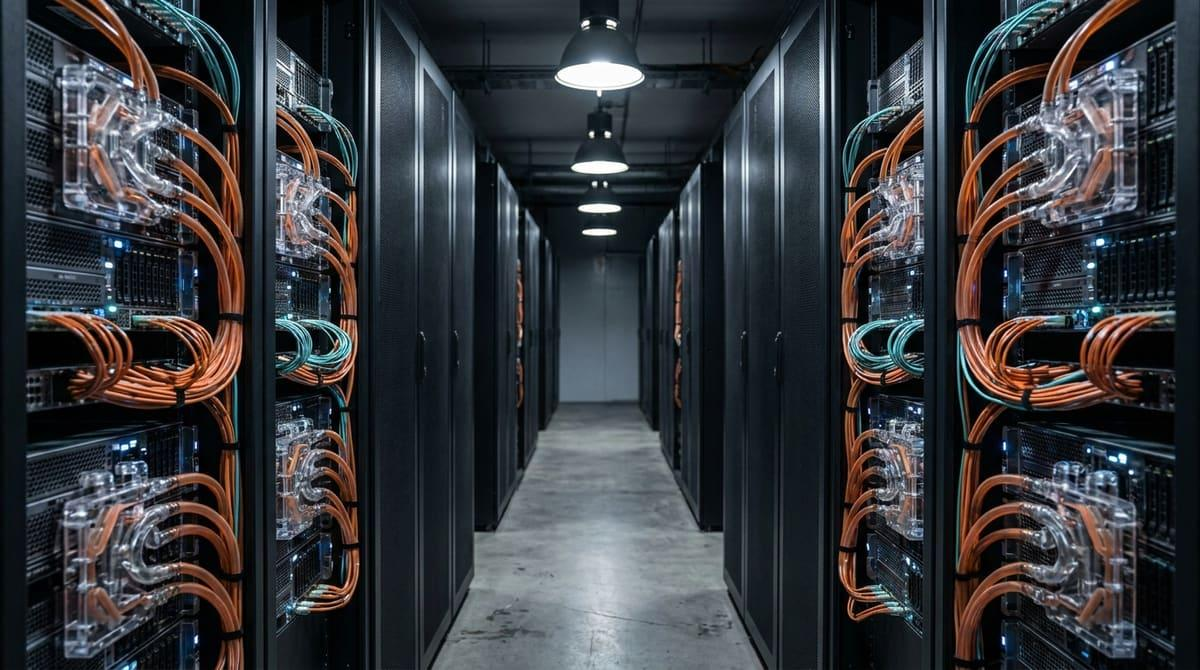
Another major focus of congressional scrutiny is Megaspeed, a Singapore-based company facing allegations that Nvidia chips were diverted to China.
The U.S. Department of Justice is investigating the suspected diversion.
Lawmakers want to determine whether Nvidia executives were aware of potential export-control violations and whether existing compliance measures were sufficient.
The controversy has also prompted questions about whether American export regulations adequately address overseas computing services.
Business Insider+1
However, the existence of an investigation does not establish criminal wrongdoing by Nvidia or its executives.
6. The Controversy Surrounding Jensen Huang's Resignation and Return
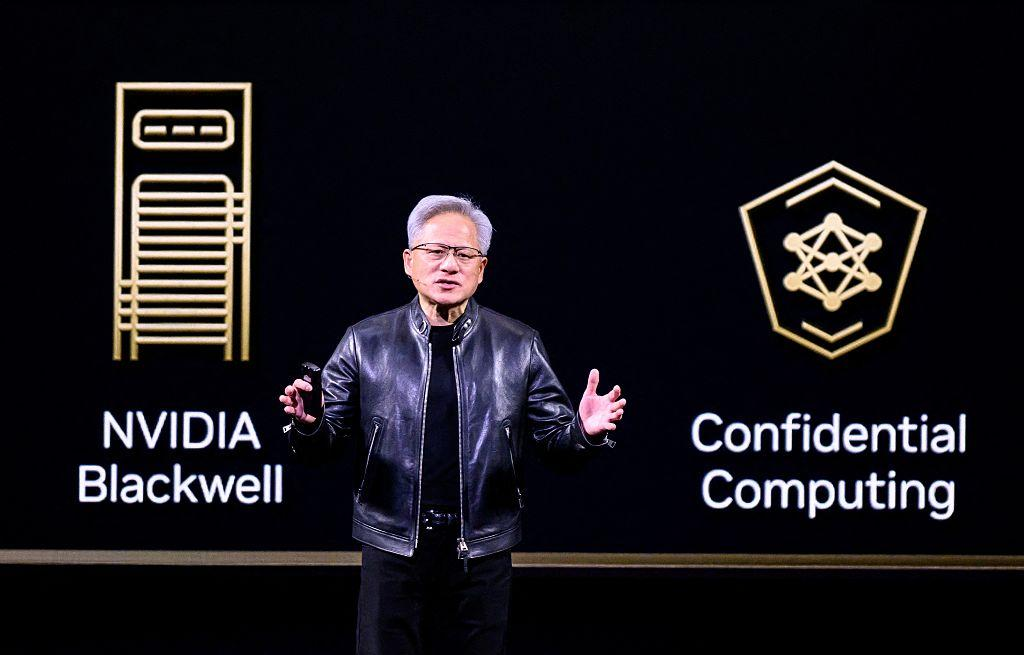
The semiconductor export controversy has become intertwined with separate allegations surrounding Huang's relationship with a woman suspected of working for Chinese intelligence.
These allegations have contributed to congressional questions about potential security vulnerabilities.
-
November 12, 2026
Huang resigns as Nvidia's chief executive following mounting controversy.
November 23, 2026
Nvidia reinstates Huang following discussions involving senior U.S. officials.
November 24, 2026
Chuck Schumer publicly alleges violations of federal export-control laws.
December 1, 2026 — Scheduled
Huang is expected to participate in a closed-door congressional interview.
December 3, 2026 — Scheduled
Huang is expected to testify publicly before the Senate Banking Committee.
Timeline based on reporting from Reuters and The Wall Street Journal.
Investing.com+2
The upcoming hearings could provide further information about the company's export compliance and the circumstances surrounding Huang's return.
7. Could Congress Impose Even Tougher Restrictions on China?
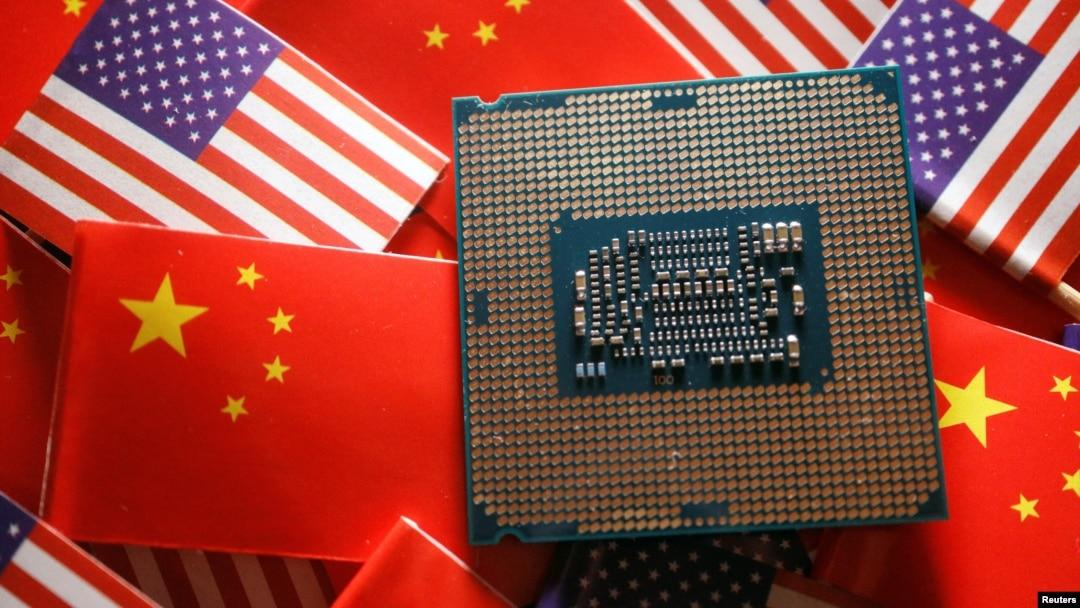
Congress is considering several legislative measures intended to strengthen America's semiconductor export controls.
|
Proposed legislation |
Main objective
Chip Security Act
Improve tracking and reporting of restricted advanced processors
MATCH Act
Encourage allied countries to strengthen restrictions on advanced chipmaking equipment
AI Overwatch Act
Increase congressional oversight of advanced AI chip exports
Reuters+1
Supporters argue that stronger safeguards could help prevent restricted technology from reaching prohibited customers.
However, additional regulations could also increase compliance expenses and restrict commercial opportunities for American technology companies.
These legislative measures should not be confused with restrictions that have already become law.
8. Could the Controversy Escalate the U.S.–China Technology Battle?
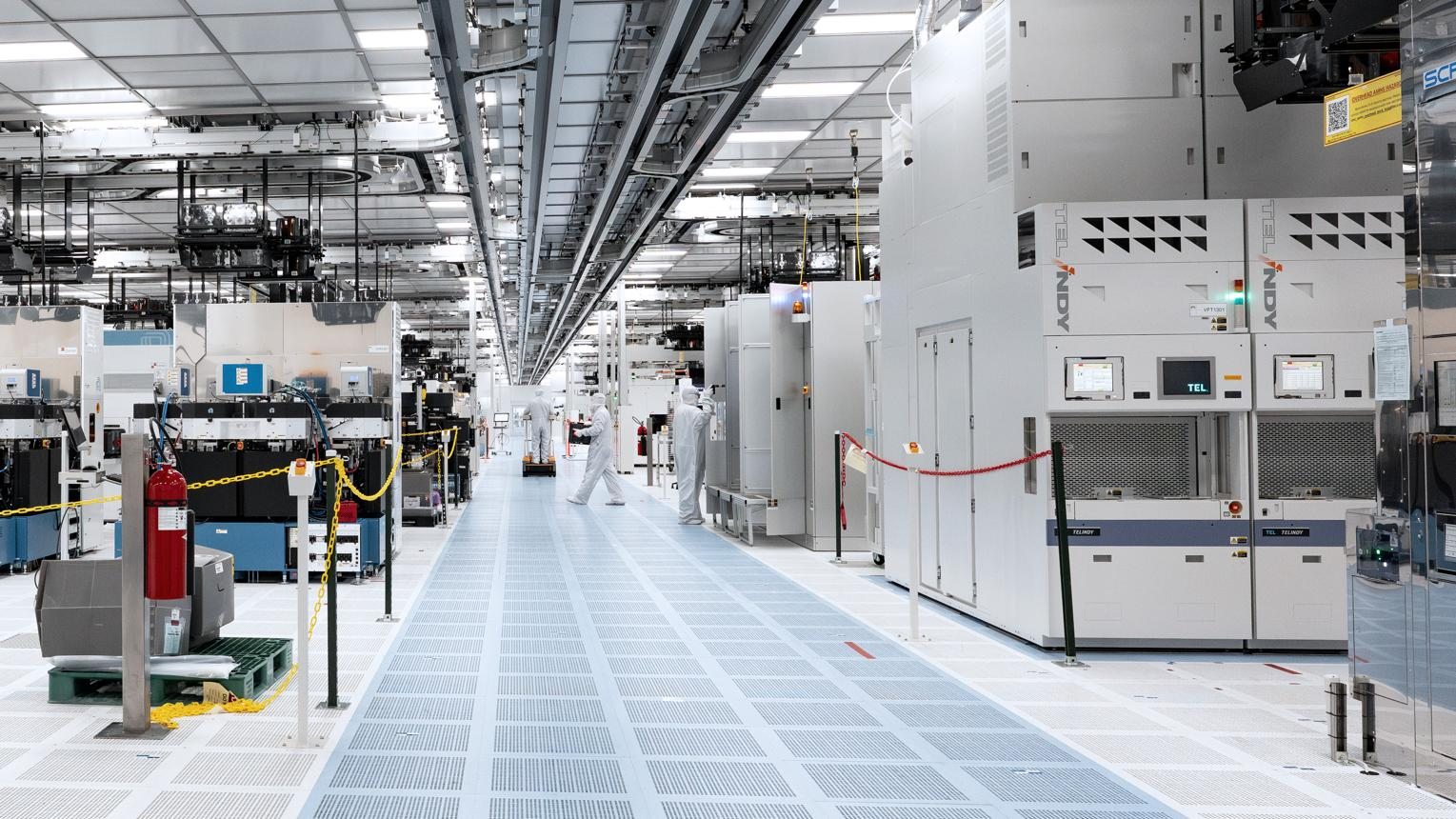
Artificial intelligence and semiconductor manufacturing have become central areas of competition between Washington and Beijing.
Stricter American export controls could limit China's access to certain advanced computing technologies.
However, they could also encourage Beijing to accelerate the development of its domestic semiconductor industry.
Two competing technology strategies
🇺🇸 United States
-
Maintain leadership in advanced AI.
Protect sensitive technology.
Strengthen domestic semiconductor production.
Preserve national security.
🇨🇳 China
-
Develop domestic processors.
Reduce foreign technology dependence.
Expand AI research capabilities.
Strengthen domestic supply chains.
An escalation could have consequences for international technology companies, semiconductor manufacturers and major global supply chains.
The controversy could also widen disagreements between Congress and the White House over the appropriate scope of restrictions on China.
scmp.com
9. How Could Ordinary Americans Be Affected?
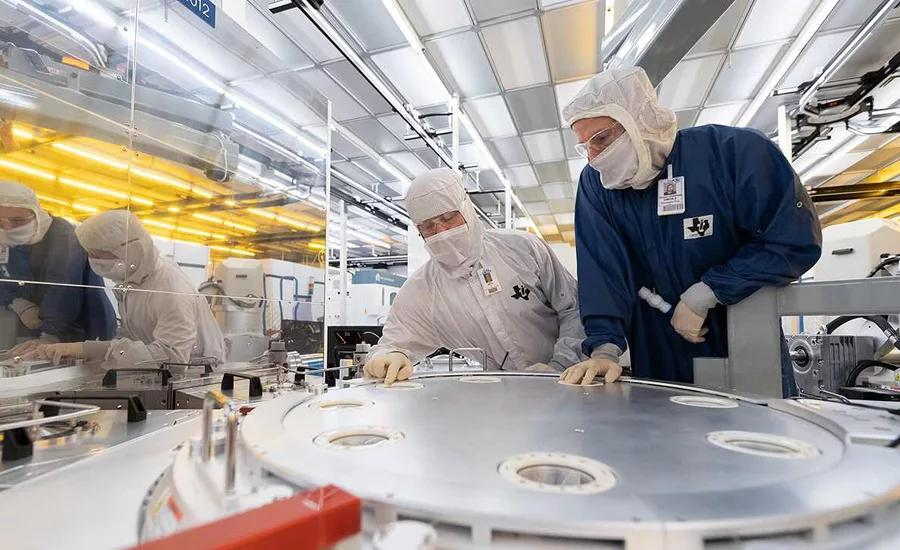
Although semiconductor export restrictions may appear to be a distant geopolitical issue, their economic consequences could eventually reach ordinary American households.
|
Area |
Potential impact
American jobs
Changes in technology investment and employment
Retirement savings
Market volatility affecting technology-related investments
Consumer electronics
Possible supply-chain and production-cost changes
Artificial intelligence
Changes in development costs and international competition
National security
Stronger safeguards against unauthorized technology transfers
The precise consequences would depend on the final legislation, corporate responses and China's reaction.
Higher consumer prices or widespread job losses are not inevitable outcomes.
10. National Security Versus Corporate Profits
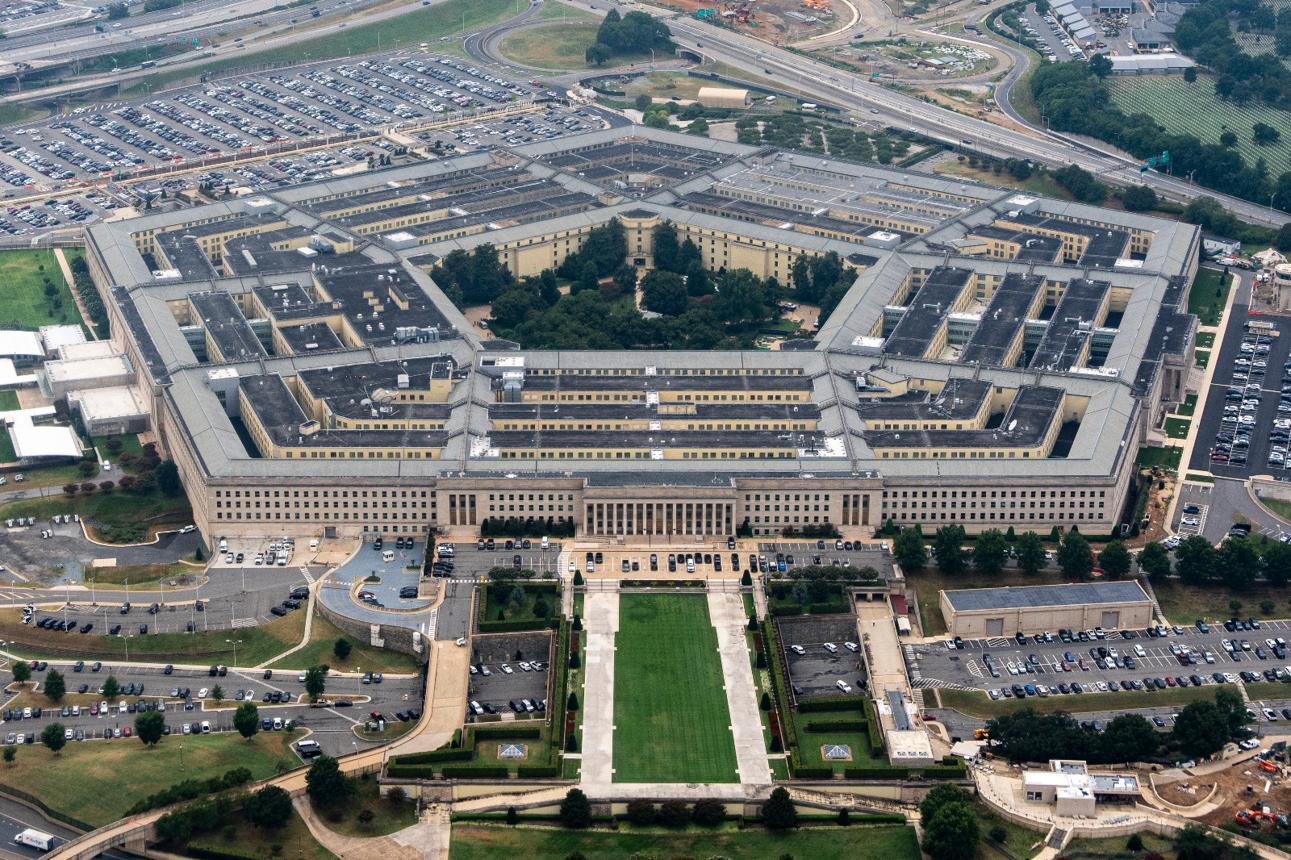
At the center of the controversy lies a difficult economic and strategic question.
Should American technology companies be allowed to compete extensively in international markets, or should access to the most advanced technologies be restricted to protect national security?
Supporters of tighter restrictions argue that advanced computing capabilities could strengthen a strategic competitor.
Those favoring carefully regulated exports argue that international sales provide revenue to support American research, innovation and technological leadership.
Both considerations are important when evaluating the long-term consequences of semiconductor export policy.
11. December 3 Could Become a Crucial Day for Nvidia
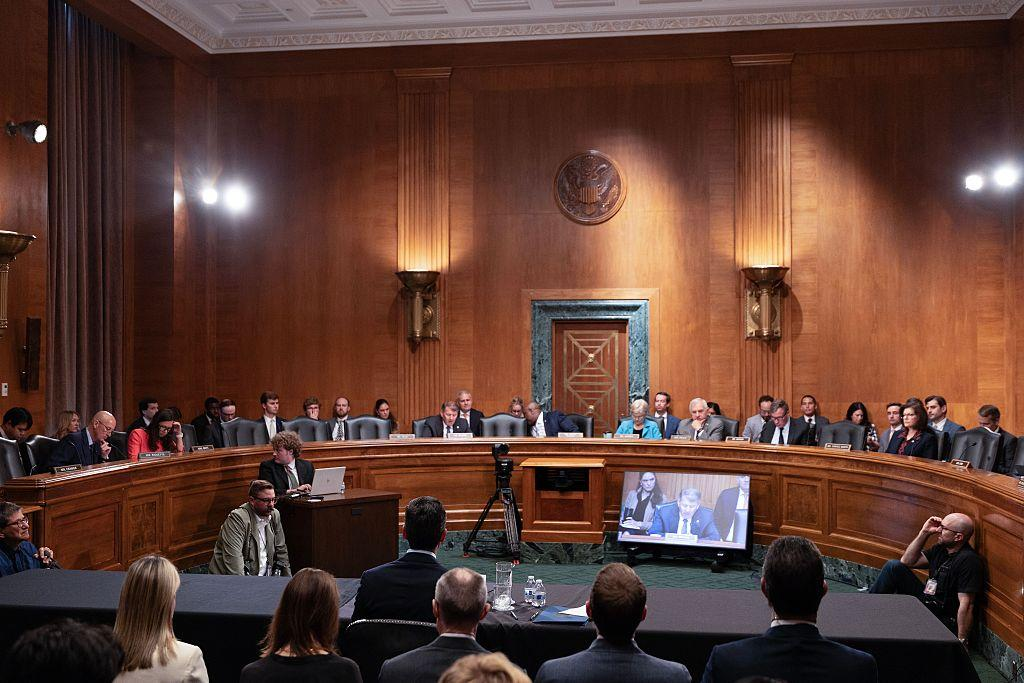
Huang's scheduled public testimony before the Senate Banking Committee on December 3 represents an important opportunity for lawmakers to seek answers.
Congressional investigators are likely to focus on export compliance, corporate oversight, government involvement and potential national security vulnerabilities.
The hearing could also influence the development of future semiconductor export legislation.
Until further evidence emerges, accusations of illegal technology transfers must remain distinct from established legal findings.
12. The Future of America's Technological Leadership Is at Stake
The Nvidia controversy illustrates how rapidly artificial intelligence has become intertwined with national security, international commerce and geopolitical competition.
America's ability to maintain technological leadership depends on continued innovation, investment and the effective protection of sensitive technologies.
At the same time, policymakers must consider the economic consequences of restricting access to major international markets.
The central question is no longer simply how many chips American companies can sell. It is how the United States can protect sensitive technology while maintaining the commercial strength that supports its global technological leadership.
The upcoming congressional hearings could help determine whether America's semiconductor export policies require stronger safeguards.
AMERICA, WHAT DO YOU THINK? SHOULD THE UNITED STATES IMPOSE STRICTER LIMITS ON ADVANCED AI CHIP EXPORTS TO CHINA, EVEN IF THOSE RESTRICTIONS COULD AFFECT AMERICAN TECHNOLOGY COMPANIES? SHARE YOUR OPINION IN THE COMMENTS BELOW!
Comments (0)
Loading comments...
May You Like


AMERICA’S NEW-GENERATION AIRCRAFT CARRIERS — MILITARY MIGHT BUILT AT THE EXPENSE OF THE PEOPLE

PACIFICA PIER IN CALIFORNIA COLLAPSE REVEALS MASSIVE CRACK BENEATH THE OCEANs!











Popular Posts


