
NYC EMERGENCY—MILLIONS FACE EVACUATION RISKS, MACY'S GIANT BALLOONS REMOVED FOR SAFETY!
NEW YORK — November 27, 2026 — New York City is confronting an unusual public safety challenge after a powerful Thanksgiving storm disrupted one of America's most recognizable holiday traditions, leaving city officials, emergency responders and event organizers facing difficult decisions about the future of this year's Macy's Thanksgiving Day Parade.
What was intended to be a historic celebration marking the parade's 100th edition has instead become a major test of the city's emergency preparedness. Heavy rainfall, destructive winds and coastal flooding have already disrupted transportation, damaged electrical infrastructure and forced authorities to reconsider arrangements for large public gatherings.
Mayor Zohran Mamdani and city officials have placed public safety at the center of their response, coordinating with emergency management agencies, police departments and parade organizers as weather conditions continue to influence preparations across Manhattan.
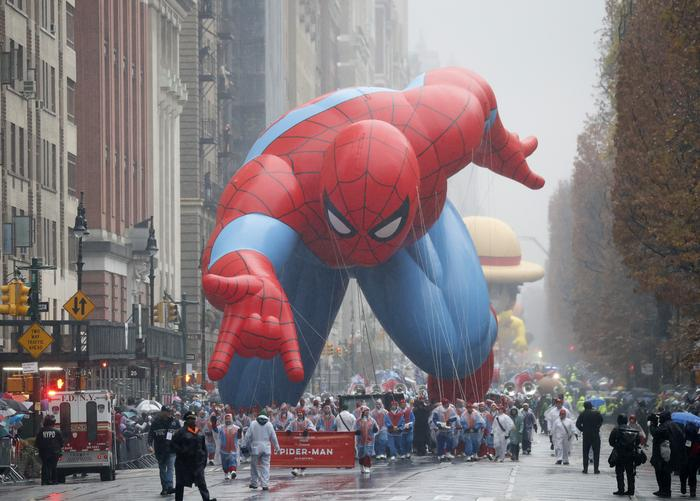
For nearly a century, the Macy's Thanksgiving Day Parade has occupied a distinctive place in American culture. Families gather around television screens, visitors travel to Manhattan, and enormous character balloons transform some of the country's busiest streets into a nationally televised celebration. The event has become as closely associated with Thanksgiving as family dinners and holiday football games.
The parade began in 1924 and gradually developed into one of the largest public celebrations in the United States. Its giant balloons, marching bands, decorated floats and musical performances attract audiences from across the country, making it an important cultural and commercial event for New York City.
However, the scale of the celebration also creates significant responsibilities for local authorities. Organizing an event involving thousands of participants and enormous crowds requires extensive coordination between police officers, firefighters, transportation agencies, medical personnel and private event organizers.
Under normal circumstances, these preparations take place over many months. Severe weather can change those arrangements within hours, forcing authorities to reconsider everything from pedestrian access and transportation schedules to the operation of the parade's signature balloons.
The Thanksgiving storm presented precisely that challenge. Meteorological projections indicated that powerful winds and heavy rainfall could create conditions incompatible with the safe operation of the enormous inflatable characters that have become synonymous with the celebration.
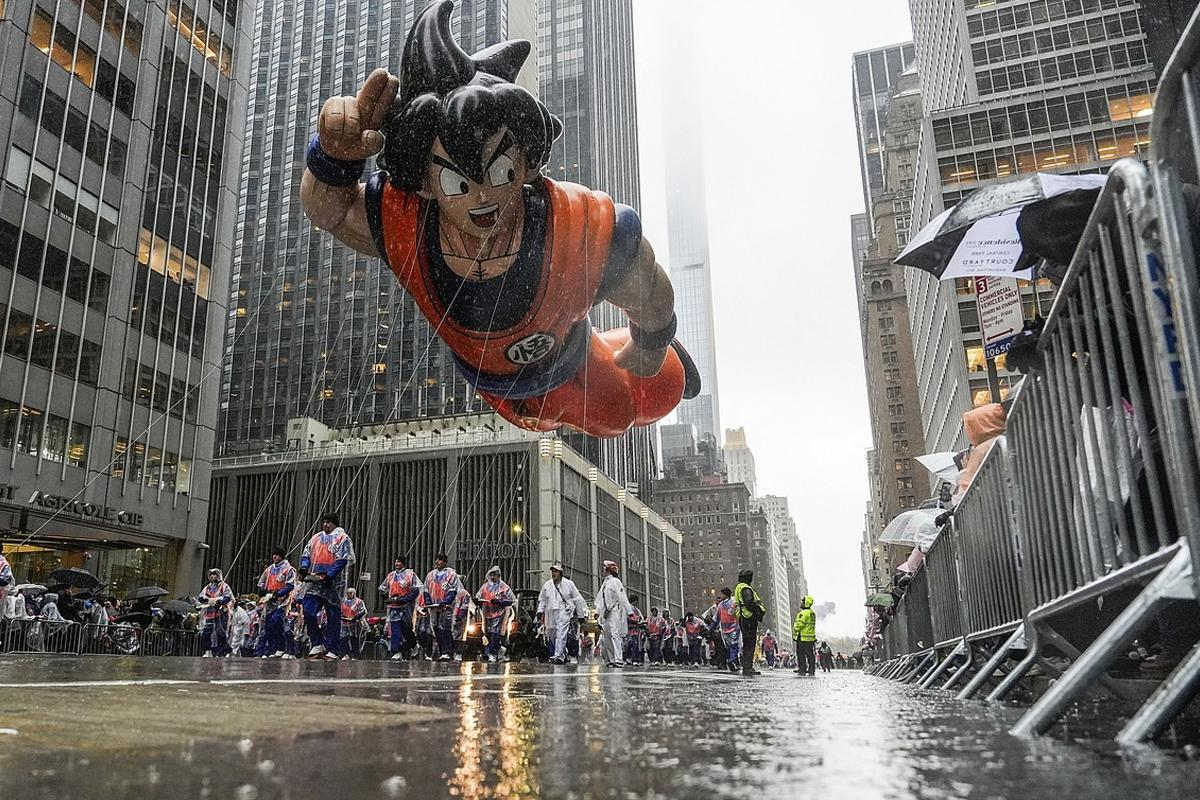
One of the most significant concerns surrounding the Thanksgiving parade involves the relationship between strong winds and Manhattan's distinctive urban environment. The city's tall buildings can influence airflow, creating localized conditions that differ considerably from measurements recorded in more open areas.
When powerful winds encounter densely constructed neighborhoods, air may be redirected between buildings and along narrow streets. Wind speeds can vary substantially between intersections, making conditions difficult to predict using a single weather station.
For pedestrians, sudden gusts can create difficulties maintaining balance or controlling umbrellas. For teams responsible for guiding enormous helium balloons, however, the consequences could be considerably more serious.
The parade's largest balloons present substantial surface areas to moving air. Even when dozens of trained handlers are working together, sudden changes in wind direction can place considerable pressure on the ropes and affect the stability of the inflatable structures.
The concerns surrounding this year's celebration are rooted partly in an incident that occurred during the 1997 Macy's Thanksgiving Day Parade. Powerful winds pushed the giant Cat in the Hat balloon against a streetlight, sending debris into the crowd and seriously injuring a spectator.
The accident prompted a reassessment of safety requirements governing the operation of large parade balloons. Authorities introduced stricter procedures intended to reduce the possibility of similar incidents during future celebrations.
Under the resulting safety framework, sustained winds exceeding approximately 23 mph or gusts exceeding 34 mph can trigger restrictions on the operation of giant balloons. Depending on conditions, authorities may require the balloons to be flown at reduced heights or prevent them from participating altogether.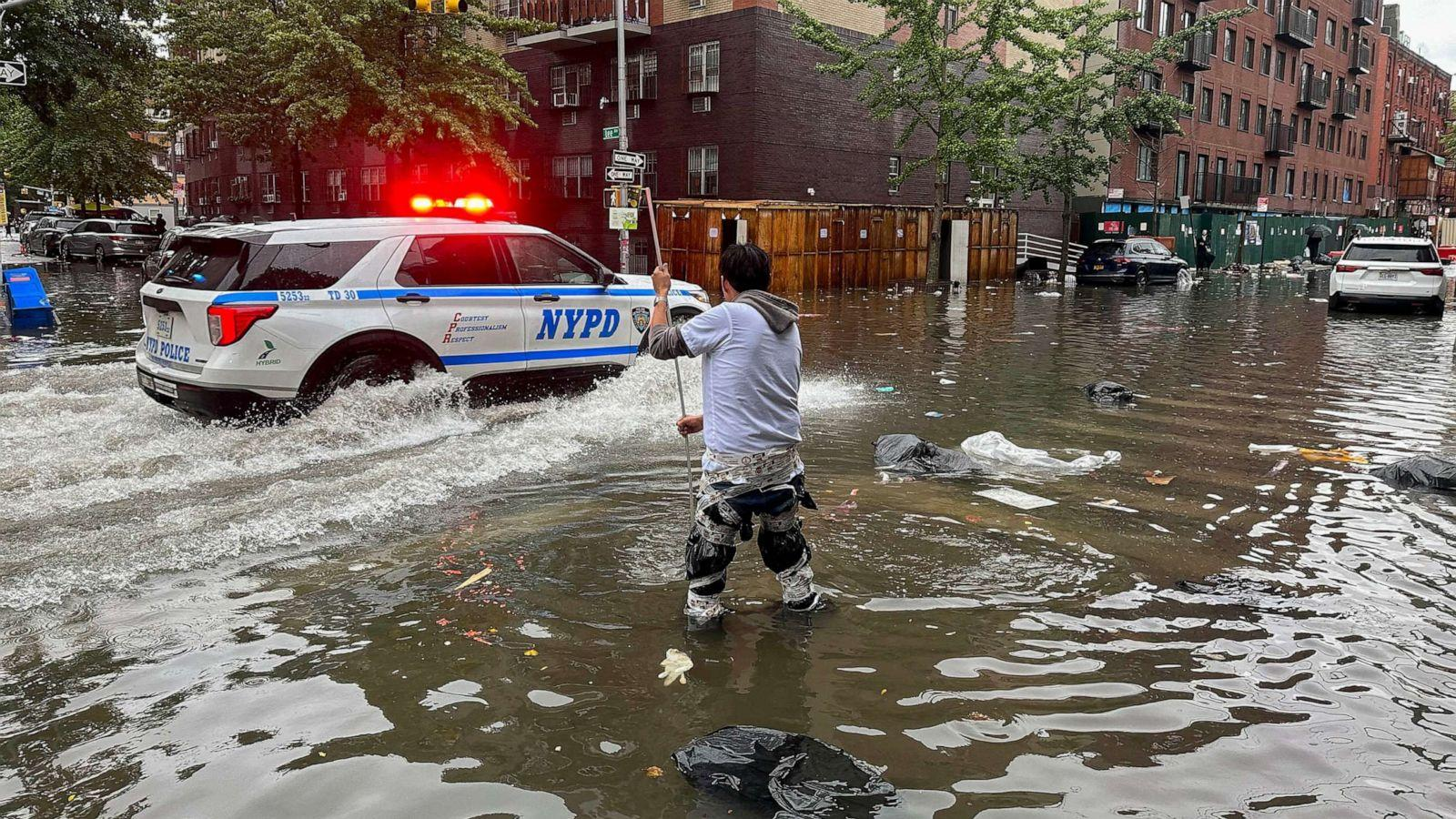
The distinction between sustained winds and individual gusts is particularly important. An average wind speed may remain within acceptable limits even while brief periods of stronger winds create dangerous conditions.
New York's experience in 1997 demonstrated that the consequences of losing control of a balloon could extend beyond the parade participants responsible for handling it. Spectators, nearby businesses and public infrastructure could also be affected.
Nearly three decades later, those safety considerations remain an important part of the city's decision-making process whenever severe weather threatens the annual celebration.
The approaching storm created concerns across a considerably larger geographical area than the parade route itself. According to New York City Emergency Management, the National Weather Service issued warnings covering high winds and coastal flooding, with heavy rainfall expected to affect the city during Thanksgiving.
The city's November 25 advisory anticipated sustained winds reaching 30 to 40 mph, with individual gusts potentially approaching 65 mph. Authorities expected the combination of rainfall, strong winds and elevated coastal water levels to create particularly difficult conditions during Thursday afternoon and evening.
These conditions presented different challenges across New York City's five boroughs. Manhattan faced concerns involving falling tree branches, loose objects and disruptions to transportation. Coastal sections of Queens, Brooklyn and Staten Island were more vulnerable to flooding associated with elevated water levels.
Low-lying neighborhoods and residential properties with basement living spaces required particular attention because water can accumulate rapidly during intense rainfall or coastal inundation. Residents in flood-prone buildings were advised to identify safe exits and move to higher floors before conditions deteriorated.
The threat extended into neighboring states, including New Jersey and Connecticut, where similar weather conditions could disrupt roads, electrical infrastructure and residential communities. The regional scale of the storm complicated preparations during a period when millions of Americans were already traveling.
New York's population density and extensive coastal geography make emergency planning particularly complicated during major storms. Millions of people live throughout the metropolitan region, including substantial populations in neighborhoods connected to waterways, coastal infrastructure and underground transportation systems.
However, the geographical reach of a weather warning is different from the number of residents who must leave their homes. Authorities generally evaluate evacuation requirements according to specific local hazards rather than the overall population living within a storm's projected path.
A coastal flood warning may cover communities with widely different levels of vulnerability. Elevated residential buildings, inland neighborhoods and properties located directly beside waterways may experience substantially different conditions during the same weather event.
New York City maintains designated hurricane evacuation zones to assist emergency planners in identifying areas susceptible to storm surge. During severe weather emergencies, authorities may issue targeted instructions based on the expected severity and geographical distribution of flooding.
For the Thanksgiving storm, the city's official advisory emphasized travel precautions, indoor shelter during dangerous conditions and movement to higher floors for residents of vulnerable properties. Associated Press subsequently reported that flooding had prompted rescues involving motorists in New York City.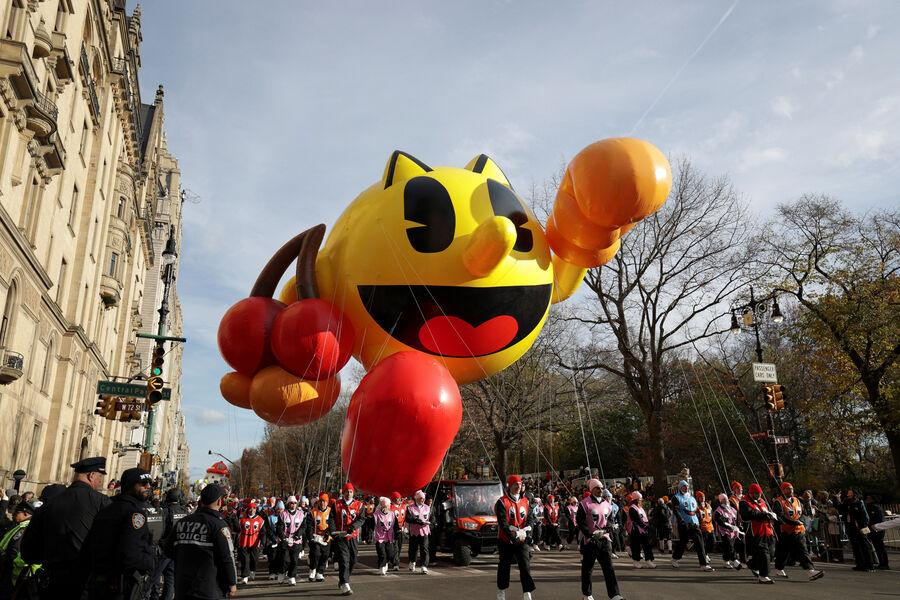
The immediate public safety challenge therefore involved protecting vulnerable residents and maintaining access for emergency personnel, rather than carrying out a metropolitan-wide evacuation.
The disruption placed Mayor Zohran Mamdani at the center of a highly visible emergency management operation. With national attention focused on New York's Thanksgiving celebrations, the administration had to balance the economic and cultural importance of the parade against the risks associated with severe weather.
The decision involved coordination between City Hall, the New York Police Department, New York City Emergency Management, the Fire Department and Macy's representatives. Each organization had responsibilities extending beyond the parade itself.
Emergency management officials monitored weather conditions and potential flooding, while police departments evaluated crowd safety and transportation requirements. Firefighters and medical personnel needed to remain available for emergencies elsewhere in the city.
The timing presented additional difficulties. Thanksgiving is traditionally associated with extensive family travel, and a significant weather emergency can produce simultaneous demands across multiple neighborhoods.
Speaking at a November 25 briefing, Mamdani emphasized the importance of protecting residents and visitors while acknowledging the inconvenience caused by changing a nationally recognized celebration. His administration encouraged residents to monitor emergency notifications and avoid unnecessary travel during the most dangerous conditions.
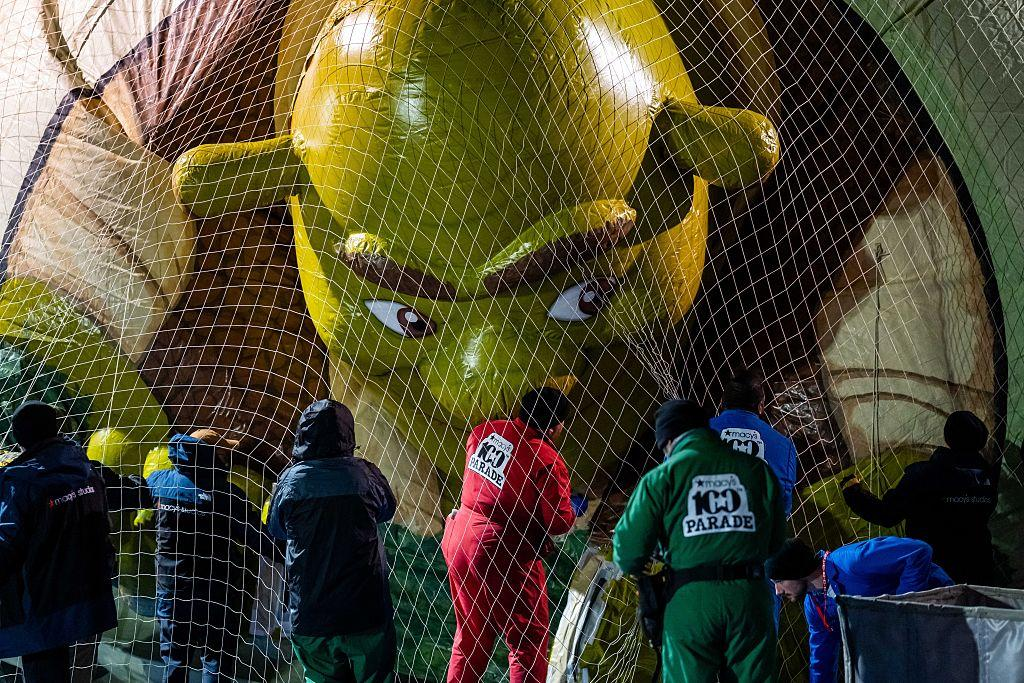
Preparing Macy's giant balloons involves considerably more work than inflating them immediately before the parade. The enormous structures require specialized handling, transportation, inspection and coordination between trained crews.
Many of the preparations for this year's celebration were already underway when weather forecasts prompted officials to reconsider the original schedule. Balloons had been transported into Manhattan and teams were preparing the inflatable characters for their planned appearance.
Changing the parade date therefore created a logistical problem extending beyond the cancellation of scheduled performances. The balloons had to be safely deflated and prepared for another deployment, while volunteers, marching bands and other participants faced changes to their travel and accommodation arrangements.
Reuters reported that Macy's Studios was required to return the balloons to its New Jersey facility and repeat preparations within a substantially compressed schedule. The company's executive producer indicated that the process ordinarily takes considerably longer.
The situation illustrated the complexity of rescheduling an event involving thousands of people and specialized equipment. Unlike a conventional indoor performance, the parade depends on infrastructure distributed across several locations and extensive coordination with municipal agencies.
Although the original Thanksgiving weather system disrupted preparations, the safety of the rescheduled celebration will depend on the conditions present when the event takes place.
Meteorologists must evaluate sustained wind speeds, individual gusts, precipitation and localized atmospheric conditions. Even a substantial improvement in regional weather does not necessarily eliminate every concern associated with giant balloons operating between tall buildings.
The Weather Channel's November 26 forecast projected more favorable conditions for Saturday, with sustained winds of approximately 10 to 15 mph and gusts around 20 mph. Those projections were considerably below the conditions expected during Thanksgiving itself.
weather.com
Nevertheless, outdoor event organizers routinely adjust their operations when meteorological conditions change. If wind speeds approach established safety thresholds, parade officials could reduce balloon flying heights or remove particular displays from the procession.
A parade without its signature giant balloons would represent a significant departure from the celebration familiar to contemporary audiences, but such an arrangement has historical precedent.
In 1971, unfavorable weather prevented the giant balloons from flying, while other parade attractions continued. Marching bands, decorated floats and performers allowed the celebration to proceed despite the absence of its most recognizable airborne characters.
The postponement also carries economic implications for businesses throughout Manhattan. Thanksgiving traditionally attracts visitors who spend money on hotels, restaurants, transportation, entertainment and retail purchases.
Changing the date of a major public celebration can create unexpected expenses for travelers with existing reservations and return transportation arrangements. Some visitors may need to extend their stays, while others may be unable to remain in New York until the rescheduled event.
Local businesses must similarly adjust staffing and inventory decisions. Restaurants expecting large Thanksgiving crowds may experience changes in customer demand, while hotels could encounter additional requests for accommodation during the weekend.
The broader storm also affected transportation networks throughout the eastern United States. Associated Press reported that the weather left nearly 1 million utility customers without electricity across affected regions, alongside flooding and holiday travel disruptions.
Such conditions create challenges extending beyond the parade itself, particularly for households and businesses attempting to resume normal operations before the end of the Thanksgiving weekend.
The most important clarification regarding the celebration came during the city's official November 25 security briefing. Macy's executive producer Will Coss explained that the balloons were being deflated, transported back to New Jersey and prepared for the rescheduled procession on Saturday, November 28.
Mayor Mamdani also indicated that the administration expected the giant characters to return to the parade, provided that conditions allowed their safe operation. His remarks described a celebration featuring the balloons rather than an event permanently stripped of its signature attractions.
NYC Mayor's Office
The distinction is significant. The decision to ground and deflate the balloons ahead of Thursday's storm was a precaution associated with the original event date. It did not constitute a permanent prohibition covering the rescheduled celebration.
The official preparations instead point toward restoring the traditional parade format after the dangerous weather has passed. Final operating decisions remain dependent on meteorological measurements and the safety requirements governing the event.
For New York City, the coming celebration represents more than an opportunity to preserve a century-old tradition. It provides a demonstration of how public institutions, private organizations and emergency services can adapt when severe weather interrupts an event watched by millions of Americans.
As Manhattan prepares for Saturday morning, the central question remains whether improving weather conditions will allow the city's enormous character balloons to return safely to the skyline. The answer will depend on the wind measurements, the readiness of parade crews and the safety assessments conducted before the procession begins.
Comments (0)
Loading comments...
May You Like

BANGCHAK REFINERY IN THAILAND SHUT DOWN, U.S. OIL PRICES JUMP 10%!

IOWA MILITARY EMERGENCY: 51 TONS OF UNSTABLE SUSPECTED BIOWEAPON WASTE FOUND AFTER 5-TON BLAST!

$1 BILLION DISASTER AT BANGCHAK REFINERY, THAILAND—40 BURNED, 8 AMERICANS DEAD!










Popular Posts



