OBAMA BREAKS HIS SILENCE — THEN THE WHITE HOUSE FACES A NEW STORM
OBAMA BREAKS HIS SILENCE — THEN THE WHITE HOUSE FACES A NEW STORM


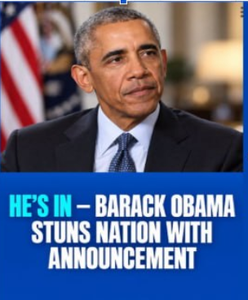
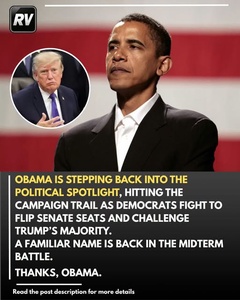
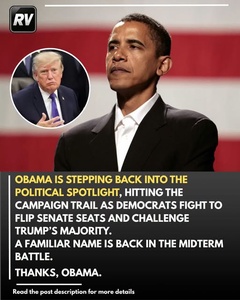
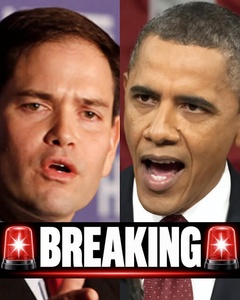
Former President Barack Obama has sharply criticized President Donald Trump’s decision to restrict access for CNN, MS NOW and Politico, saying the dispute raises fundamental questions about press freedom.
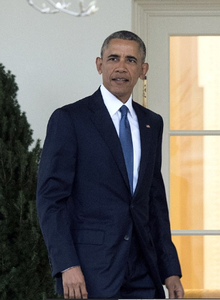
Obama addressed the controversy during an appearance at Salem State University, where he spoke with presidential historian Doris Kearns Goodwin before an audience of thousands.
His comments came days after the White House announced that three major news organizations would no longer receive access to the presidential complex.
Trump said the outlets had engaged in what he described as “FAKE NEWS,” announcing the restrictions through a post on Truth Social.
Reporters from the affected organizations were subsequently turned away from the White House, with press credentials reportedly deactivated during enforcement of the new restrictions.
The decision quickly became a larger confrontation between the administration and news organizations covering the president, with the affected outlets challenging the restrictions in federal court.
CNN, MS NOW and Politico argued that the administration’s action improperly restricted access because of their reporting, framing the dispute as a First Amendment issue.
The White House has presented a different interpretation, arguing that access to the presidential complex is subject to administration rules and is not automatically guaranteed to every news organization.
Obama nevertheless questioned whether a president should be able to exclude news organizations simply because their coverage is unfavorable, describing press freedom as a foundational democratic principle.
At the Salem State event, Obama also compared the current situation with a hypothetical decision during his own presidency involving Fox News.
He suggested that excluding a major conservative outlet because of unfavorable coverage would have been difficult to imagine, emphasizing that the principle should not depend on political affiliation.
Obama also criticized the lack of stronger opposition from some Republican politicians, asking how they might respond if a future Democratic president targeted conservative media organizations.
The controversy has expanded beyond the three affected outlets, with other major news organizations taking actions that highlighted concerns about access and the traditional White House press system.
Several major television networks suspended participation in White House pool coverage after the ban, creating an unusual disruption in the system used to distribute presidential video among broadcasters.
The New York Times and Washington Post also announced temporary restrictions on publishing pool photographs, adding another layer to the escalating confrontation between the administration and news organizations.
The affected outlets subsequently filed a federal lawsuit seeking restoration of their access, arguing that the government’s decision was based on the content of their reporting.
The White House has defended its position while maintaining that media access can be managed differently under the administration’s policies.
The dispute has also revived debate over earlier conflicts between presidents and news organizations, including disagreements during previous Democratic administrations involving access and press coverage.
FactCheck.org examined the White House’s comparison with Obama and Biden administrations and concluded that the current restrictions go beyond the specific examples cited by the Trump administration.
For Obama, however, the broader issue extends beyond one president or three specific organizations: he argued that Americans need to consider what happens when political leaders control which journalists can gain access.
The legal battle now puts the courts in the middle of the dispute, while the White House and major news organizations continue presenting sharply different interpretations of presidential press access.
For readers watching the confrontation, the biggest question may no longer be simply which outlets were banned — but what the final legal ruling could mean for White House coverage.
And that is why Obama’s latest comments have drawn renewed attention: the fight that began with three press credentials could become a much larger test of how presidential access works in Washington.
Comments (0)
Loading comments...
May You Like
FIGHT OVER OBAMA’S IRAN POLICY