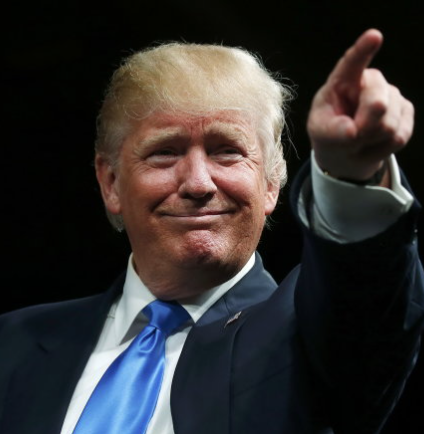
Obama Condemns Trump Video as “Deeply Troubling” as Debate Over Political Rhetoric Intensifies
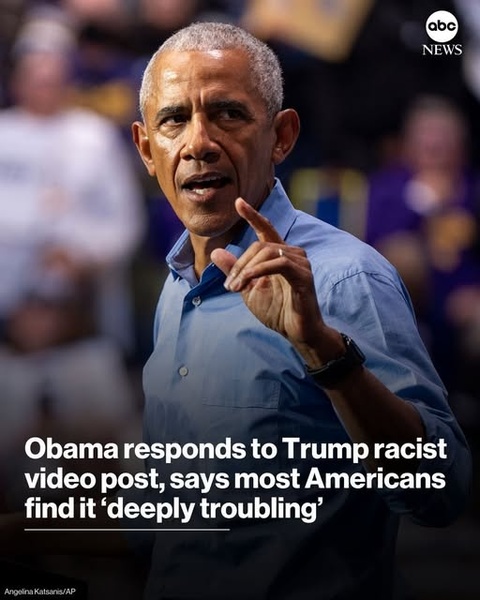
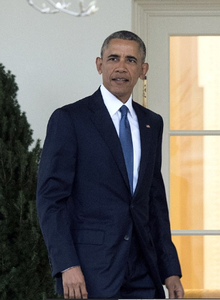
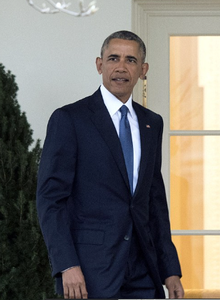
Former President Barack Obama has publicly condemned the increasingly hostile tone of American political discourse after President Donald Trump’s social media account shared a controversial video involving the Obamas.
Obama addressed the controversy during a February 2026 podcast interview, saying most Americans find the behavior deeply troubling and arguing that traditional standards of political decorum have been weakened.
The remarks came roughly a week after a video appeared on Trump’s Truth Social account featuring imagery that critics widely condemned as racist and dehumanizing toward Barack and Michelle Obama.
According to ABC News, the one-minute video was posted February 5 and primarily promoted debunked claims concerning the 2020 presidential election before abruptly showing offensive imagery near its conclusion.
The White House initially dismissed criticism as what officials called fake outrage, while defending the material as part of an internet meme involving Trump, Democrats, and imagery inspired by popular culture.
Later, a White House official said a staff member had erroneously posted the video, and the controversial material was removed after criticism intensified from Democrats, Republicans, and civil rights advocates.
Trump subsequently said he had not watched the entire video before it was posted, maintaining that he saw only the beginning and did not notice the disputed section at the end.
Despite that explanation, several Republican lawmakers publicly criticized the post, describing the imagery as offensive, unacceptable, or racist and urging the president to remove it and apologize.
Senator Tim Scott, a prominent Republican voice, was among those who demanded the video’s removal, while other Republicans including Susan Collins, Roger Wicker, and Mike Lawler also publicly condemned it.
The episode produced unusual bipartisan criticism, demonstrating how racially charged imagery can trigger opposition even within a political party that generally remains strongly aligned with the president.
Obama did not focus solely on Trump personally during his interview, instead describing a broader deterioration in public discourse and arguing that respect for political institutions and traditional standards had diminished.
He described the atmosphere as a “clown show,” suggesting that social media and television increasingly reward confrontation, provocation, and outrage rather than restraint, responsibility, and substantive political debate.
The former president also connected the controversy to broader concerns about political polarization, arguing that citizens should continue defending democratic values and rejecting behavior that normalizes cruelty or dehumanization.
The timing added another layer of sensitivity because the post appeared during Black History Month, when Americans traditionally recognize the achievements, struggles, and contributions of Black communities throughout United States history.
Critics argued that the imagery carried a particularly offensive historical meaning because racist comparisons between Black people and apes have long been used as tools of dehumanization and discrimination.
The controversy also highlighted the growing influence of artificial intelligence and digitally manipulated media, as political figures increasingly use memes, synthetic imagery, and viral videos to communicate directly with supporters.
Trump’s use of social media has become central to his political communication strategy, allowing him to reach millions of followers without relying entirely on traditional news organizations or established editorial gatekeepers.
Obama’s response reflects his continuing role in American political life, even years after leaving office, particularly when questions involving democratic norms, racial politics, and the country’s civic culture enter national debate.
The dispute also illustrates the difficulty of separating political satire from harmful imagery in an era when digitally edited content can spread rapidly, lose context, and reach enormous audiences.
Ultimately, the controversy has become part of a larger national argument over political civility, racial rhetoric, social media responsibility, and the standards Americans expect from their highest elected officials.


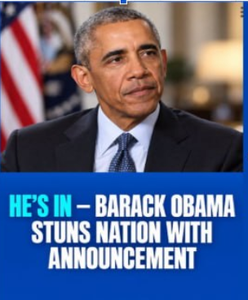
Editorial note: The supplied graphic is treated as illustrative material for this report rather than as independent evidence of the underlying event. The article is based on reporting from ABC News, CBS News and Al Jazeera.
Comments (0)
Loading comments...
May You Like
Obama Steps Back Into the Political Spotlight as Democrats Target Trump’s
OBAMA STEPS BACK INTO THE POLITICAL SPOTLIGHT