
Obama Mocks Trump's Gold-Plated White House as a “Cheesecake Factory” — Trump Fires Back With One Word: “Filth!”
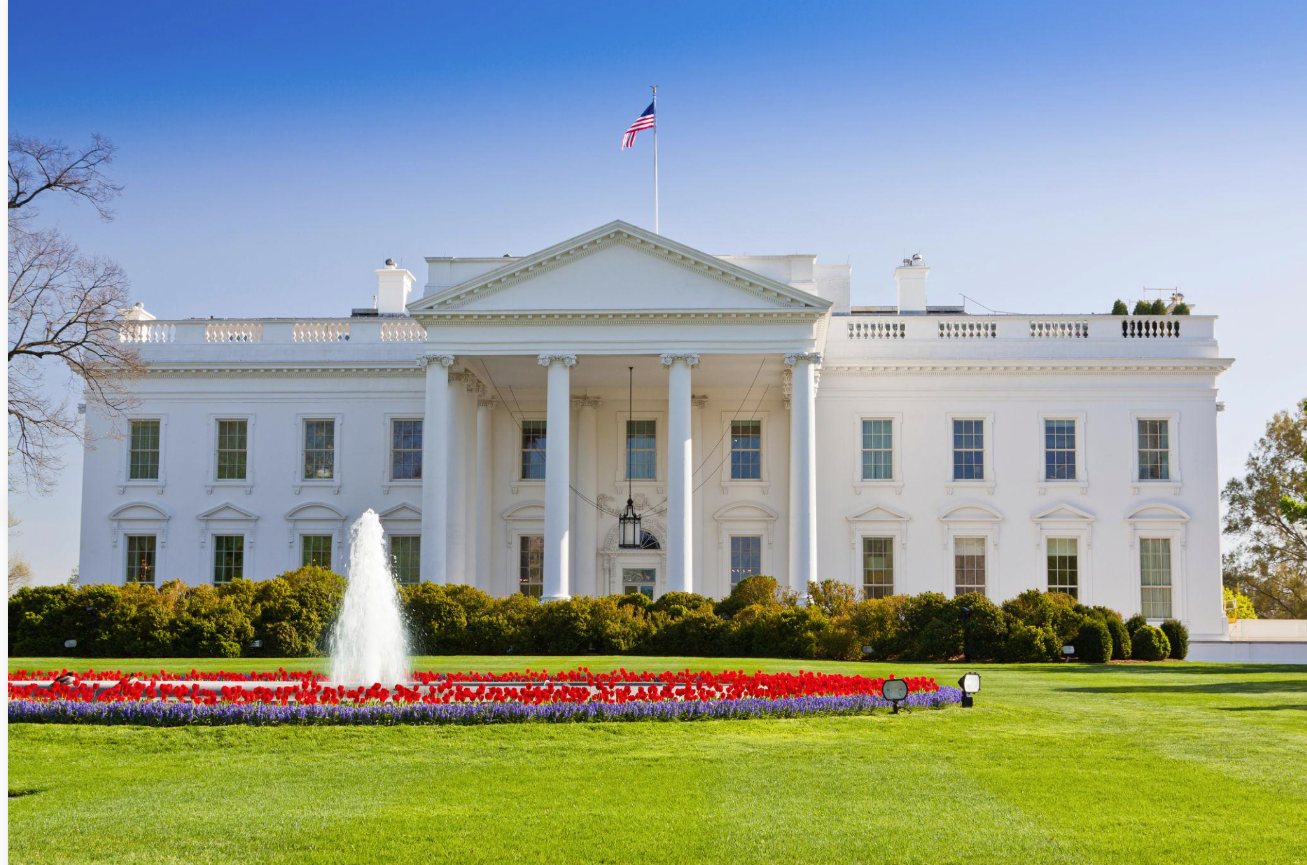
A new political clash between President Donald Trump and former President Barack Obama has turned an unlikely subject into a national talking point: the interior decoration of the White House. What began as Obama's criticism of Trump's lavish decorative tastes has escalated into a dispute involving presidential image, government priorities and the symbolism of America's most famous residence.
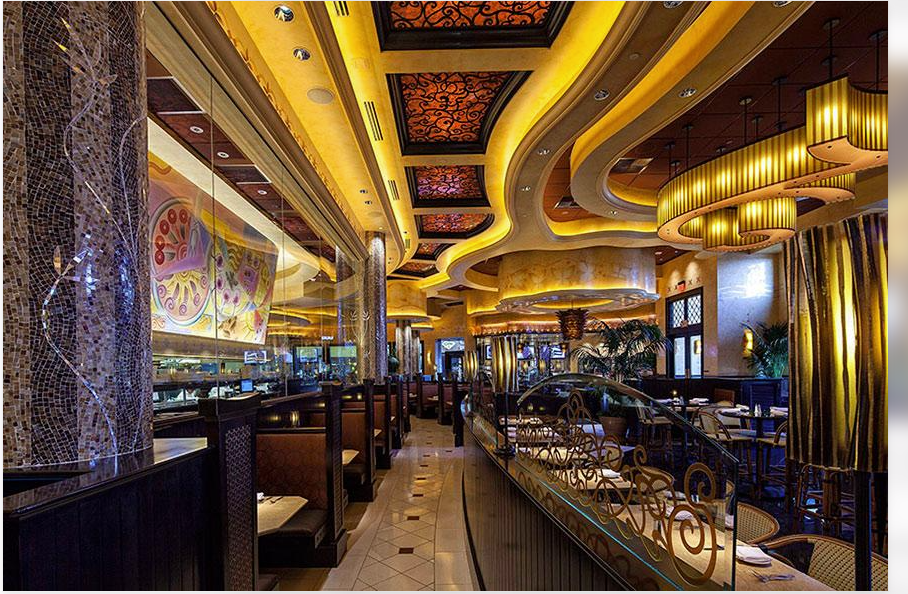
The controversy centers on Obama's comparison of the White House's increasingly ornate appearance to a Cheesecake Factory restaurant, a reference to the chain's famously elaborate interiors. Trump responded by defending his decorative changes and dismissing the criticism, adding another personal exchange to the long-running rivalry between the two presidents.
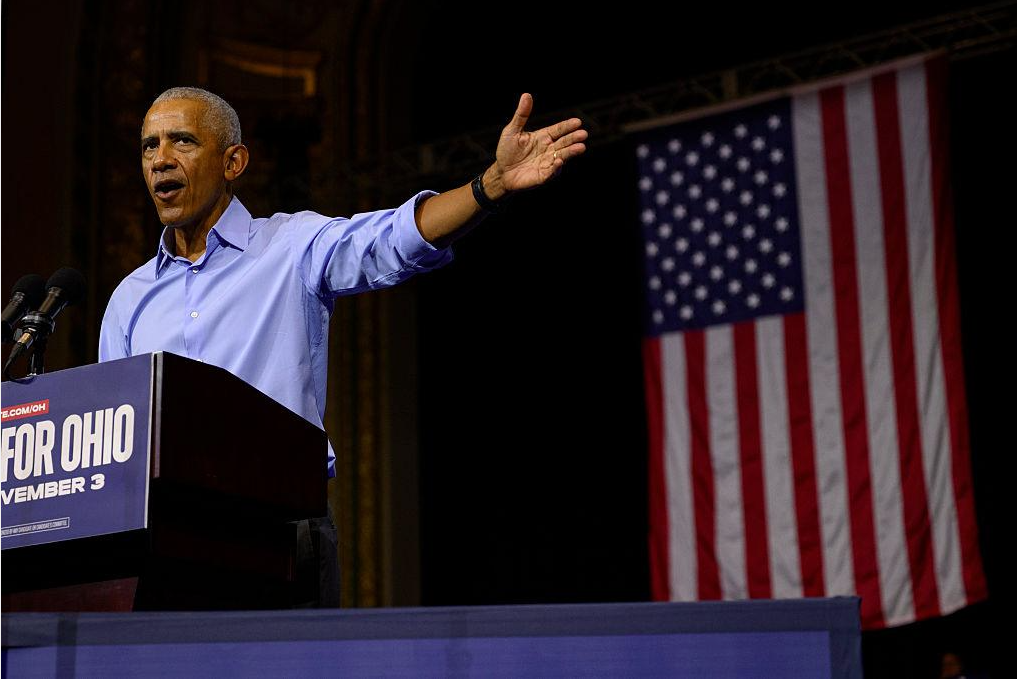
The exchange began on October 24, when Obama appeared at a Democratic campaign rally in Cleveland, Ohio, supporting gubernatorial candidate Amy Acton and Senate candidate Sherrod Brown ahead of the November 3 midterm elections.
Addressing an enthusiastic crowd, Obama questioned whether Trump was concentrating on the economic difficulties facing ordinary Americans. He suggested that the president appeared more interested in renovating the White House than addressing issues such as household expenses and the cost of living.
Obama then turned to Trump's extensive remodeling projects, including a proposed ballroom, changes to the Rose Garden and additional facilities on the White House grounds. He joked that Trump's apparent enthusiasm for home improvements made him better suited to hosting a television renovation program.
The former president reserved his sharpest humor for the gold-colored decorations that have become increasingly prominent inside the executive mansion. He compared the elaborate aesthetic to the kind of extravagant interior design associated with former Iraqi dictator Saddam Hussein, delivering a punchline that quickly spread across social media.
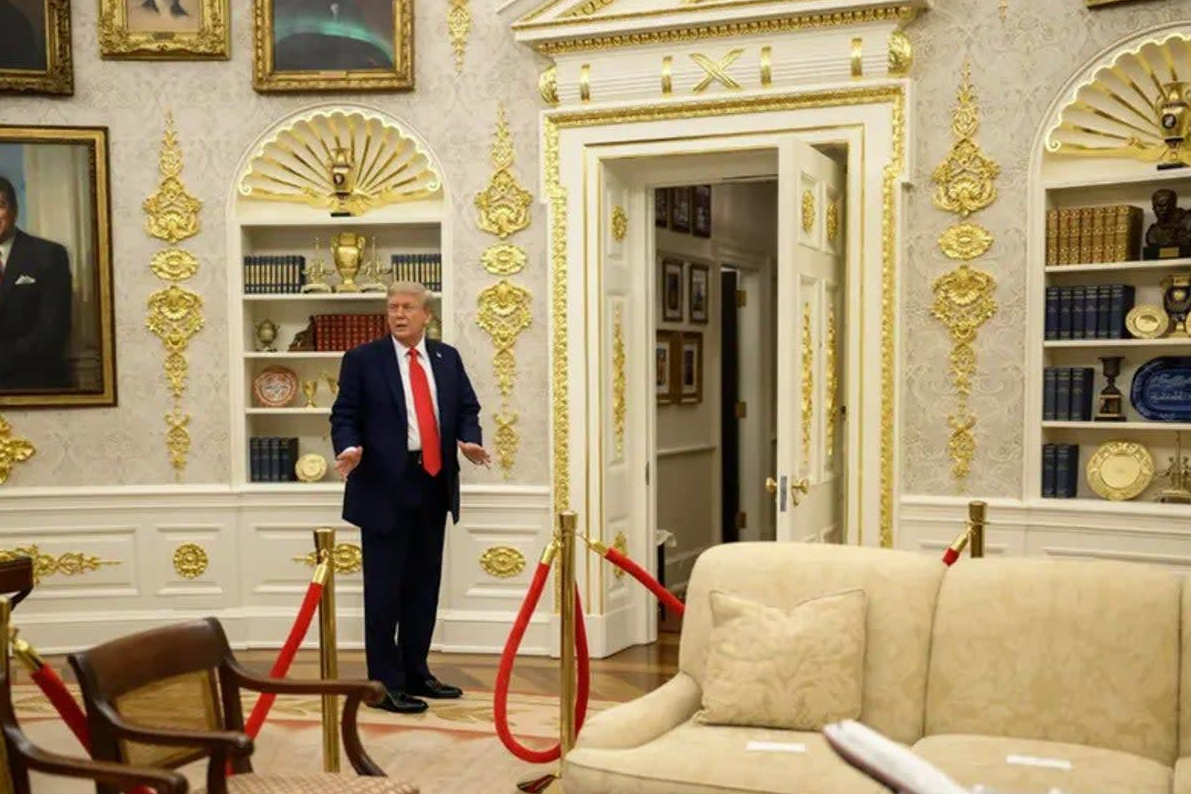
Trump responded on October 26 while speaking with reporters and later addressing supporters at a campaign rally in Corinth, Mississippi. Rather than dismissing Obama's comments, he defended the renovations as necessary improvements to one of the country's most important historic buildings.
The president argued that the White House had suffered from neglected maintenance, damaged architectural details and deteriorating surfaces. He said his administration had brought in skilled craftspeople to restore decorative elements and improve the building's appearance.
Trump also criticized Obama personally, arguing that his predecessor failed to appreciate the importance of maintaining the presidential residence. He accused Obama of overlooking dirt, damaged ornaments and what he described as filth that had accumulated over the years.
The word "filth" became a particularly memorable part of Trump's response. However, he used it to describe the condition he claimed to have encountered in the building, rather than simply shouting the word as a standalone insult at Obama.
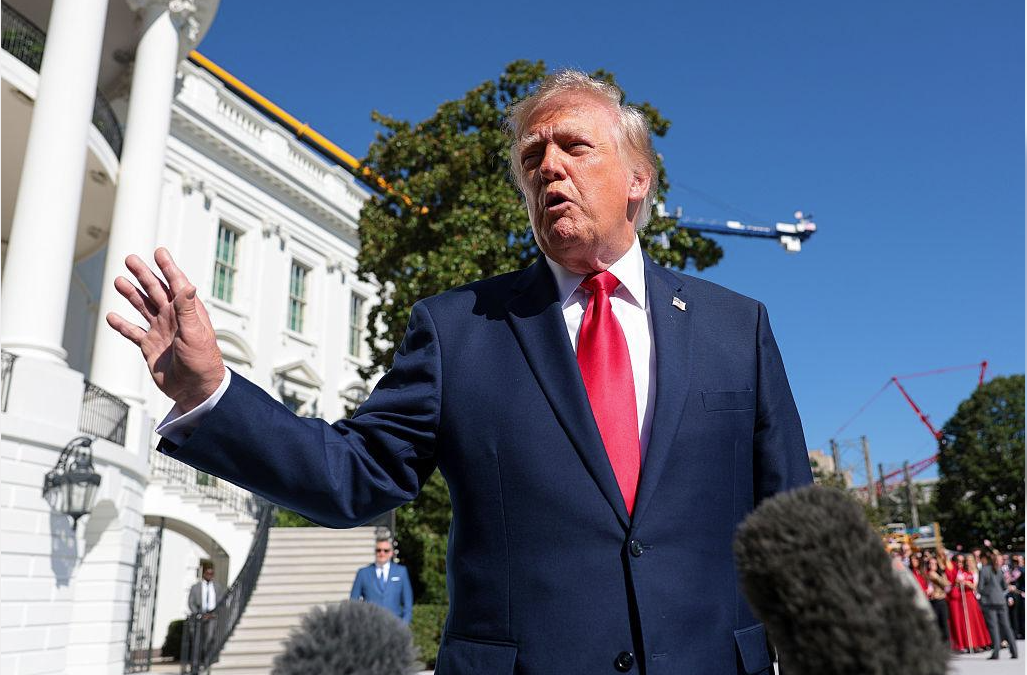
Trump further defended the Cheesecake Factory itself, describing the restaurant chain as a successful business. He suggested that Obama's joke reflected a failure to appreciate success, turning a comment about interior design into another disagreement over cultural attitudes and political values.
The dispute soon expanded beyond the two presidents. Conservative commentators accused Obama of looking down on a popular American restaurant chain, while Democratic supporters argued that his joke was directed at Trump's extravagant decorative choices rather than the restaurant's customers.
The controversy also brought unexpected attention to the Cheesecake Factory's distinctive design. The restaurant chain is known for elaborate interiors, decorative columns, dramatic lighting and an eclectic architectural style that makes its dining rooms instantly recognizable.
For some observers, the comparison was humorous precisely because the White House and a large commercial restaurant serve dramatically different purposes. One is a historic symbol of the American presidency, while the other is a familiar destination for casual dining.
Yet the political argument extended far beyond personal taste. Trump's White House renovation plans have generated questions about architectural preservation, the scale of proposed construction and whether the president should devote substantial attention to redesigning a nationally significant property.
Supporters of the president maintain that preserving and improving the White House is a legitimate presidential responsibility. They argue that structural repairs, restoration work and upgraded facilities can protect the building and strengthen its role as a venue for important national and international events.
Critics, meanwhile, question whether certain changes are consistent with the building's historic character. They have also raised concerns about the priorities represented by extensive renovation projects during a period when many Americans remain worried about everyday expenses.
The political timing has made the disagreement especially visible. With the midterm elections approaching, both Trump and Obama have been traveling to campaign events, attempting to influence voters and shape the national conversation about the direction of the country.
The clash illustrates how political campaigns can transform seemingly minor cultural disagreements into larger arguments about leadership. A joke about gold decorations quickly became a dispute about government priorities, presidential judgment and the meaning of American success.
It also highlights the enduring personal rivalry between Trump and Obama. Their political disagreements have stretched across multiple election cycles, involving everything from economic policy and immigration to presidential conduct and the international standing of the United States.
Obama subsequently returned to the controversy, arguing that the attention devoted to his restaurant joke was distracting from more substantial political issues. He urged voters to focus on their financial circumstances and the policies that could affect their lives after the election.
For Trump, the issue remains one of presidential stewardship. He has insisted that the White House should be maintained to the highest standards and that his administration's improvements reflect pride in the institution and the country it represents.
Ultimately, the confrontation demonstrates how even the decoration of the White House can become a political battleground. Whether Americans prefer Trump's ornate aesthetic or Obama's criticism of it, the larger question is whether voters will judge the president by the appearance of his residence or by the results of his policies.
Comments (0)
Loading comments...
May You Like

CAIRO INFERNO — CAR CARRYING SENIOR U.S. OFFICIAL SLAMS INTO FUEL TANKER, 31 DEAD, 21 INJURED!

TRUMP'S BIGGEST THANKSGIVING “PARDON”? WHY IS HE BACKING NVIDIA'S JENSEN HUANG?

TOLEDO I-75 TRUCK CRASH — POTENTIAL BRIDGE COLLAPSE AND MILLIONS IN DAMAGE!













