
Obama Takes Aim at Trump Over Corruption and Political Power — A Bitter Clash Raises New Questions About Washington's Future
The political rivalry between former President Barack Obama and President Donald Trump has returned to the spotlight, as accusations of corruption, questions about presidential accountability, and competing visions for America's future fuel another intense national debate.
Obama, who has increasingly spoken about the direction of American democracy since leaving the White House, has criticized Trump's political approach and warned about the dangers of weakening democratic institutions. Trump, meanwhile, has repeatedly rejected attacks from his predecessor and portrayed criticism from Democratic leaders as politically motivated.
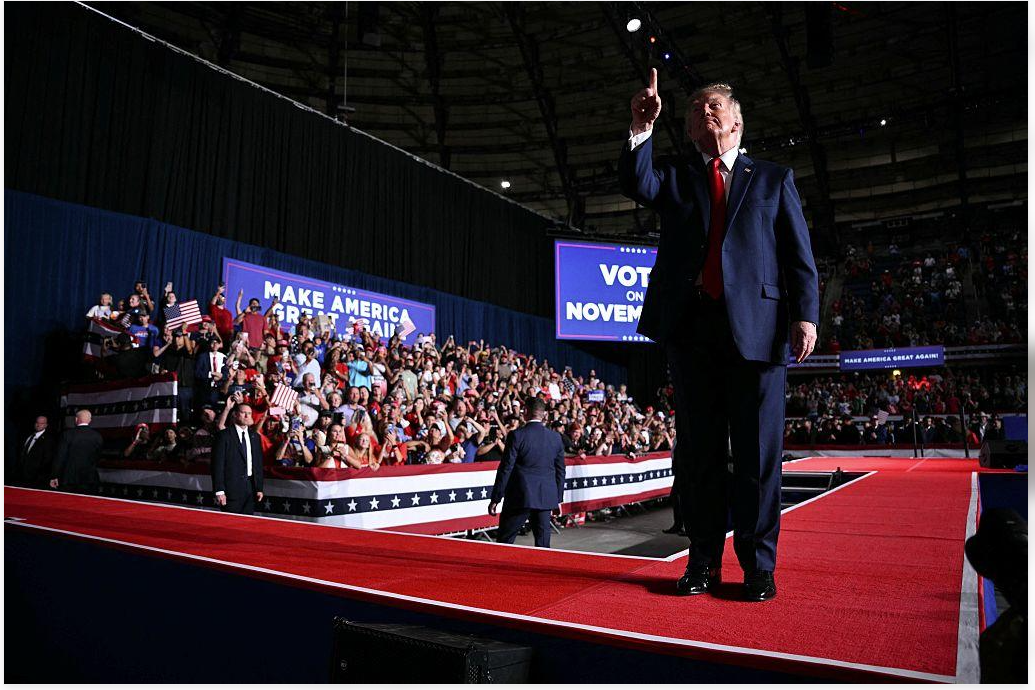
The latest controversy reflects a conflict that has shaped American politics for more than a decade. Although Obama and Trump represent different political generations and governing philosophies, their rivalry has remained a powerful force in national political discussion.
At the center of the dispute is a fundamental question: how should Americans judge allegations of corruption and the use of presidential power when political leaders offer dramatically different accounts of the same events?
Obama has frequently emphasized the importance of constitutional safeguards, independent institutions, and the rule of law. His public warnings have often focused on the consequences of political leaders treating democratic norms as obstacles rather than obligations.
Trump has approached those criticisms from a different perspective. He argues that established political institutions have sometimes been used unfairly against him and his supporters, a position that has become central to his political identity.
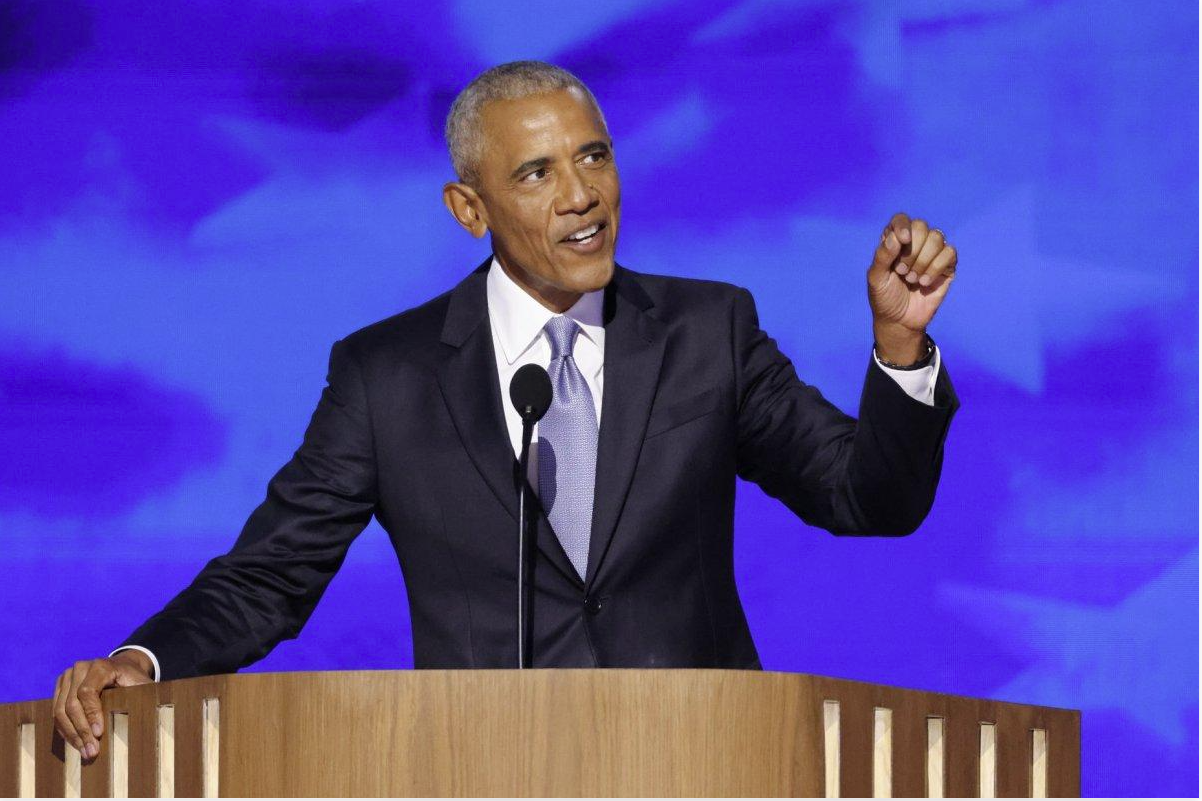
The disagreement is particularly significant because both men have occupied the presidency and understand the enormous authority of the office. Their competing arguments carry weight not only among their supporters but also among voters concerned about government transparency.
Corruption allegations are especially sensitive in Washington, where accusations can dominate headlines long before investigations establish whether wrongdoing occurred. Political criticism, however forceful, should not be confused with a verified legal finding.
For Obama and his Democratic allies, the broader concern has often involved whether executive power is being exercised with sufficient oversight. They argue that accountability mechanisms are essential regardless of which party controls the White House.
Trump and his supporters counter that investigations and public accusations can themselves become political weapons. They frequently question the motivations of opponents who accuse the administration of abusing its authority.
These contrasting interpretations have helped turn disputes over government ethics into larger arguments about the legitimacy of political institutions.
The confrontation became especially heated during Obama's October 24 campaign appearances in Cleveland, Ohio, and Detroit, Michigan. He accused Trump of prioritizing personal interests and criticized what he described as corruption and incompetence within the administration.
In Detroit, Obama went further, accusing Trump of using presidential power for personal financial benefit. These were serious political allegations, and the White House has denied wrongdoing related to claims that the president has improperly benefited from his office.
The former president also targeted Trump's handling of the war with Iran, arguing that the conflict had contributed to higher energy prices and increased financial pressure on American households.
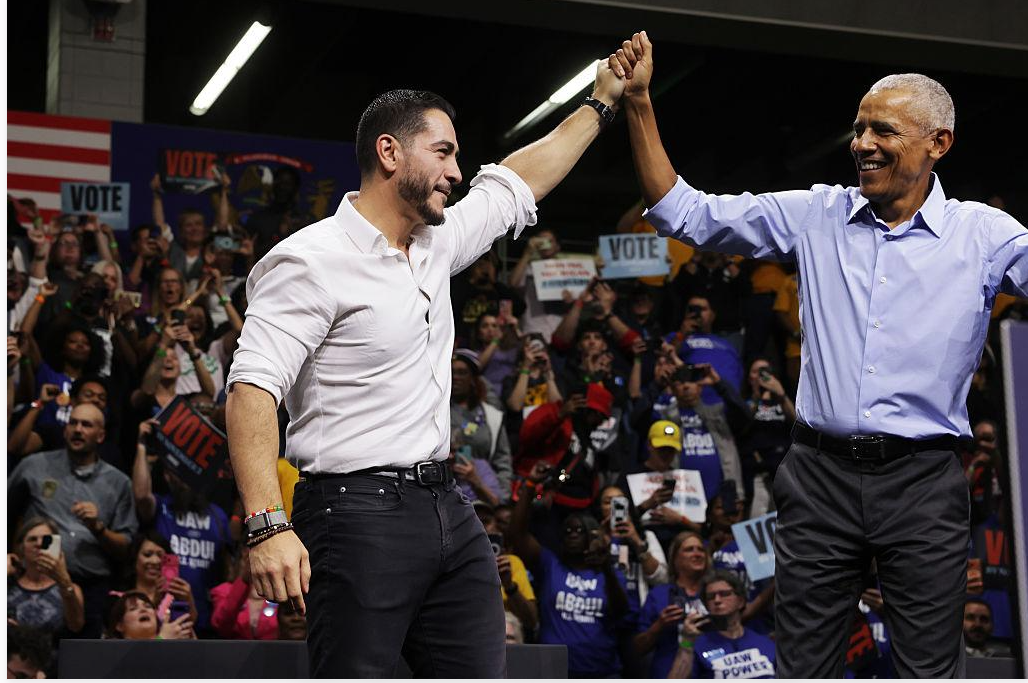
Trump responded forcefully. During a Michigan campaign appearance, he attacked Obama's record as president and called him incompetent. He also criticized Democratic Senate candidate Abdul El-Sayed, whom Obama had endorsed, using inflammatory language that drew additional scrutiny.
The exchange highlighted how the approaching November 3 midterm elections have intensified the rivalry. With control of Congress at stake, both parties are treating the contest as a referendum on Trump's second administration.
Obama has campaigned for Democratic candidates including Sherrod Brown and Amy Acton in Ohio, Abdul El-Sayed and Jocelyn Benson in Michigan, and Jon Ossoff and Keisha Lance Bottoms in Georgia. His appearances are intended to energize Democratic voters in competitive races.
Trump, meanwhile, has urged Republican supporters to view the election as a judgment on his administration's agenda. He has defended his economic and immigration policies while arguing that the country is growing stronger despite continued pressure over consumer prices.
Public concern about government ethics has added another dimension to the confrontation. Recent polling indicates that many Americans are worried about potential conflicts of interest, although voters remain divided over which political party they trust to address corruption.
The stakes extend beyond the personal feud between two presidents. A change in congressional control could affect investigations, legislative priorities, federal spending, and the administration's ability to advance its policies during the remainder of Trump's term.
Comments (0)
Loading comments...
May You Like

TRUMP'S BIGGEST THANKSGIVING “PARDON”? WHY IS HE BACKING NVIDIA'S JENSEN HUANG?

I-75 THANKSGIVING NIGHTMARE — MAIL TRUCK CRASH RAISES OVERPASS COLLAPSE FEARS!

CAIRO INFERNO — CAR CARRYING SENIOR U.S. OFFICIAL SLAMS INTO FUEL TANKER, 31 DEAD, 21 INJURED!














