
Obama Warns Trump’s Iran War Could Backfire — Has Washington Unintentionally Strengthened Tehran?
Former President Barack Obama has reignited a fierce debate over America's military confrontation with Iran, warning that a war intended to weaken Tehran could ultimately leave the Iranian government in a stronger strategic position.
The argument challenges one of the central assumptions behind military pressure on Iran: that overwhelming force will necessarily produce a more secure Middle East. Instead, critics warn that prolonged conflict could strengthen hardliners, destabilize neighboring countries, and complicate efforts to prevent Iran from rebuilding its military capabilities.
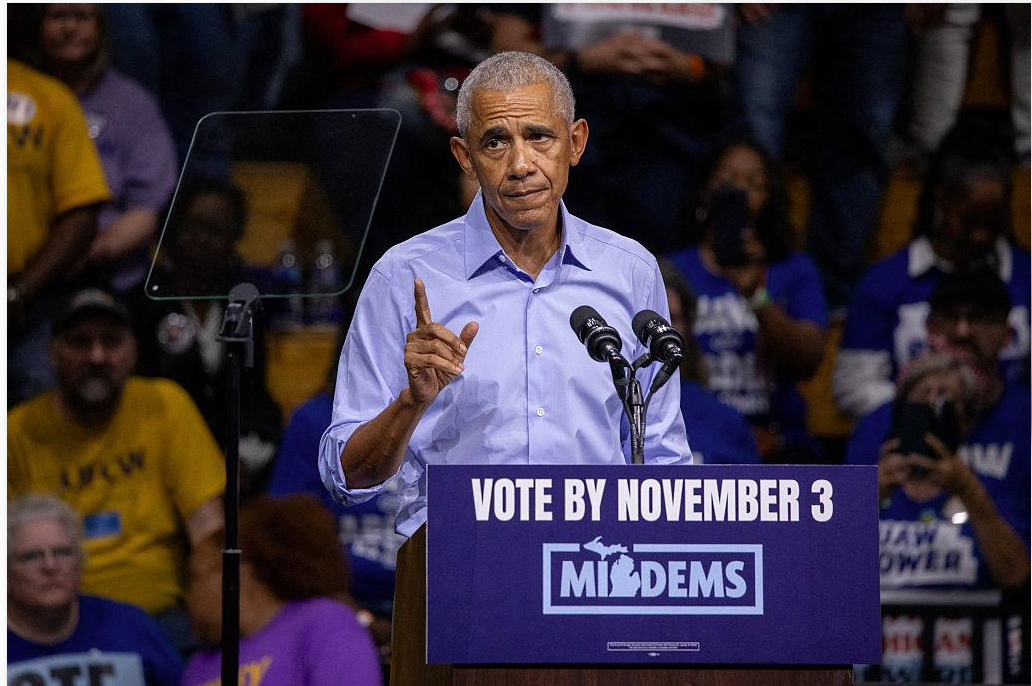
Obama's criticism reflects his long-standing preference for combining diplomatic pressure with international agreements, particularly when dealing with Iran's nuclear program. His administration negotiated the 2015 nuclear accord, which placed restrictions on Iranian enrichment activities in exchange for sanctions relief.
President Donald Trump has pursued a markedly different strategy, emphasizing economic sanctions, military deterrence, and direct pressure on Tehran. His administration has argued that Iran's nuclear ambitions and regional military activities require a stronger response than the Obama-era agreement provided.
The disagreement has become increasingly consequential as the conflict affects global energy markets, regional security, and the diplomatic relationships Washington depends on to contain Iranian influence.
For Obama, the danger is not limited to battlefield outcomes. A military campaign may destroy infrastructure or weaken specific capabilities while simultaneously creating political conditions that help an adversarial government consolidate domestic support.
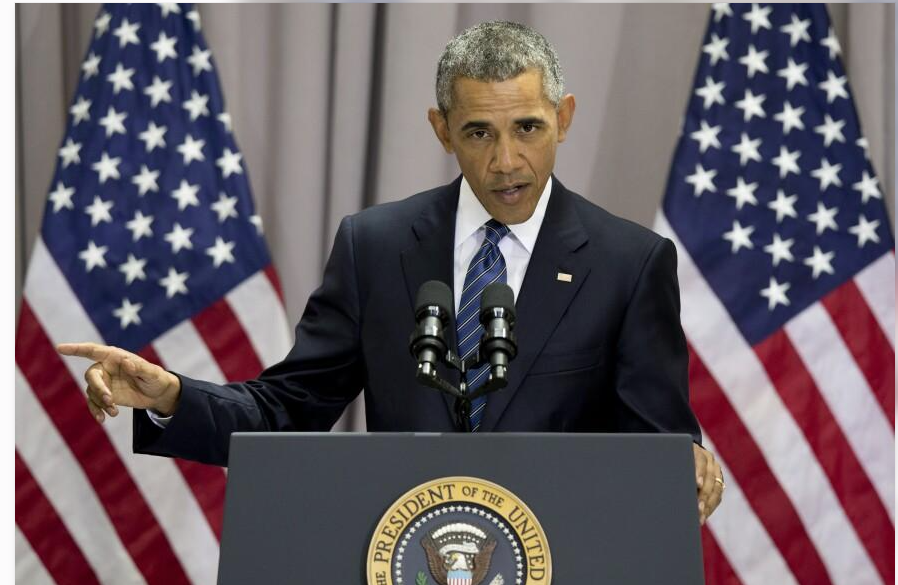
That possibility is especially important in Iran, where government officials have historically portrayed foreign military pressure as evidence that the country faces an existential threat from outside powers.
When a nation comes under attack, its leadership may attempt to use public fear and national solidarity to discourage internal dissent. Whether such efforts succeed depends on many factors, including the scale of destruction, economic hardship, and public confidence in the government.
Iran's political system also contains competing institutions and power centers. Military confrontation can alter the balance among them, potentially empowering security officials who favor confrontation over those advocating diplomatic engagement.
Yet military pressure can produce the opposite outcome as well. Severe economic disruption, battlefield losses, and damage to infrastructure can weaken a government's legitimacy and reduce its ability to project power abroad.
The latest controversy intensified during Obama's October 24 campaign appearances in Ohio and Michigan, where he criticized Trump's decision to launch the war and questioned whether the administration had achieved its stated objectives.
Obama pointed to attacks on American military facilities, casualties among U.S. personnel, and the depletion of missile stockpiles as evidence that the conflict had imposed substantial costs on the United States.
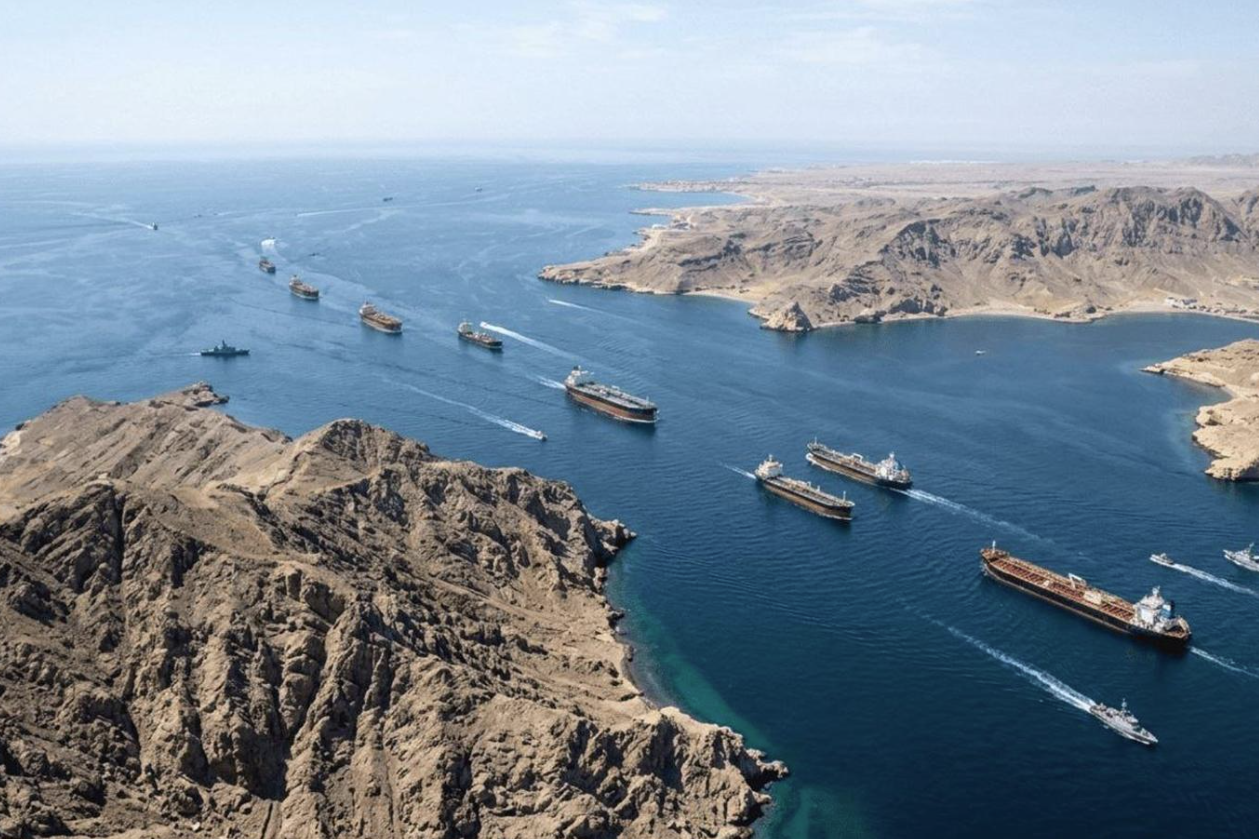
One of his most striking arguments concerned the Strait of Hormuz, the narrow waterway connecting the Persian Gulf to international shipping routes. Before the conflict, roughly one-fifth of global oil consumption passed through this strategically important corridor.
Obama argued that Iran's ability to threaten shipping through the strait had given Tehran additional leverage over international energy markets. His assessment was that this leverage could outweigh some of the military losses Iran had suffered.
The economic consequences have extended far beyond the Middle East. Disruptions to oil shipments have contributed to higher energy prices, increasing transportation and production costs for businesses and households around the world.
Trump has defended the military campaign, arguing that American operations severely damaged Iran's nuclear infrastructure and military capabilities. He has also rejected Obama's characterization of the earlier nuclear agreement, maintaining that it failed to provide lasting protection against Iran's ambitions.
The competing assessments highlight an important distinction between military success and strategic success. Destroying facilities and weapons can reduce an adversary's immediate capabilities without necessarily eliminating its influence over regional security or international commerce.
Diplomatic efforts have struggled to deliver a lasting settlement. A ceasefire reached in April and a subsequent understanding in June failed to produce durable peace, leaving major disagreements over sanctions, nuclear restrictions, and maritime security unresolved.
The political consequences are now reaching the American midterm campaign. Obama has urged voters to consider the financial and security costs of the conflict, while Trump continues to defend his administration's approach as necessary to protect the United States and its allies.
Comments (0)
Loading comments...
May You Like

FCC CLEARS SPACEX FOR ONE MILLION AI SATELLITES AS ASTRONOMERS SOUND ALARM

IRAN CLAIMS IT FIRED AT U.S. WARPLANES — WAS AN AMERICAN F-16 FORCED TO RETREAT?

TRUMP'S BIGGEST THANKSGIVING “PARDON”? WHY IS HE BACKING NVIDIA'S JENSEN HUANG?













