
Obama’s Bold Women-in-Power Remark Reignites a Global Debate
Obama’s Bold Women-in-Power Remark Reignites a Global Debate
The former president’s thought experiment is simple: give women the reins of every government for two years and see what changes. The real questions about representation, policy, and political power are far more complicated.
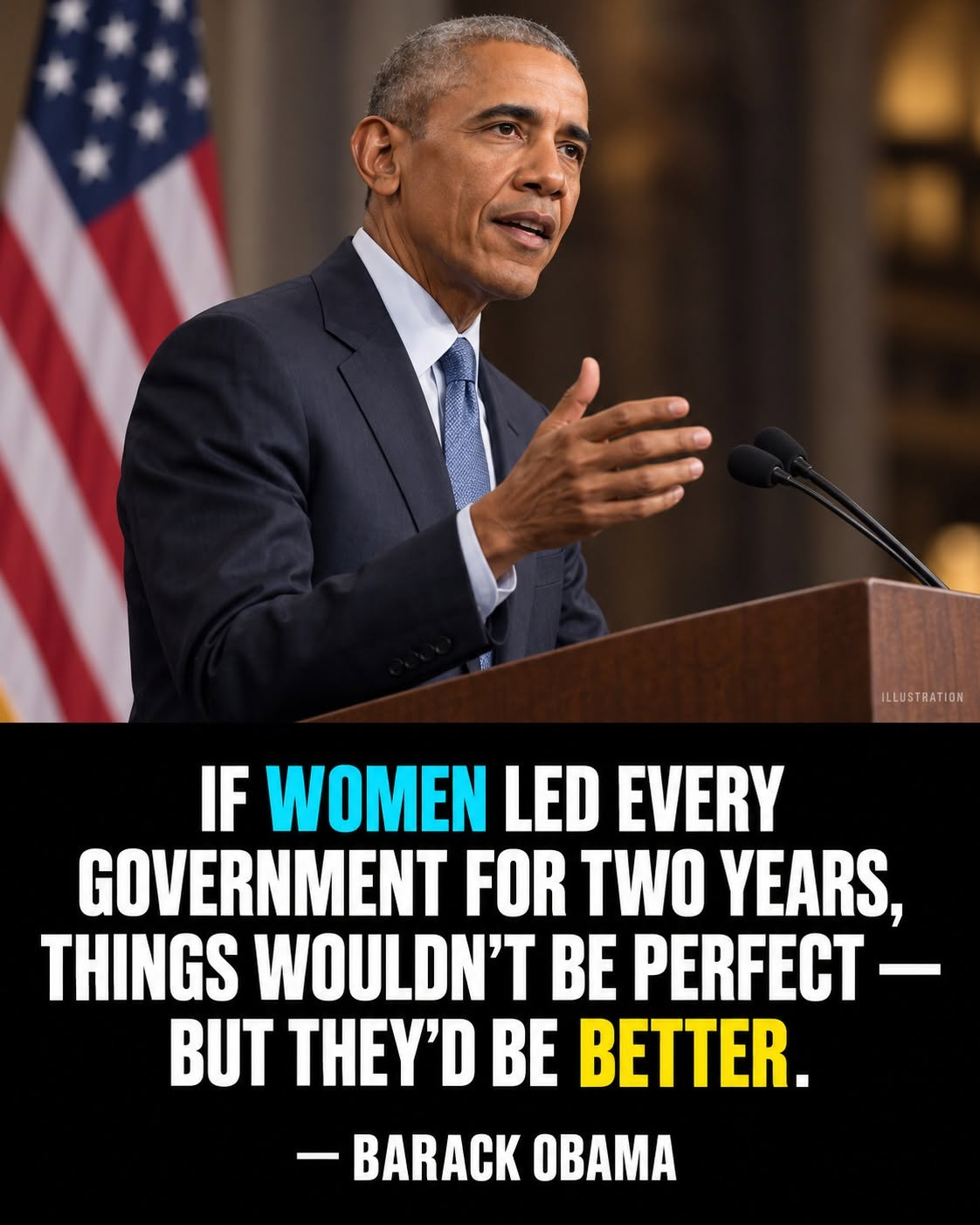
A short statement attributed to former U.S. President Barack Obama is drawing renewed attention to a question that has shaped political debate for decades: would governments make different choices if women held more of the world’s highest offices? The image circulating online presents the idea as a confident verdict. The underlying remarks, however, were a hypothetical argument about leadership—not a report of a real-world experiment.
Obama revisited the subject during a public conversation with presidential historian Doris Kearns Goodwin at Salem State University in Massachusetts on September 21, 2026. Reflecting on an idea he said he had considered even while president, he imagined placing women in charge of every government for roughly two years and then assessing the results. He said he believed things would not be perfect, but would be better.
The event was part of the university’s Salem State Series and attracted a capacity audience. The exchange quickly travelled beyond the room, with video clips and headlines focusing on the provocative premise. Its appeal is easy to understand: it compresses a sprawling argument about war, public services, accountability, and political culture into one memorable question.
It was not the first time Obama had expressed a similar view. In December 2019, while speaking at a leadership event in Singapore, he argued that more women in national leadership could improve living standards and outcomes for children while reducing conflict. The recent comment therefore represents a return to a long-standing belief, rather than a newly announced policy proposal.
“They wouldn’t be perfect, but they’d be better.”
The line is powerful partly because it challenges assumptions about who is seen as naturally suited to govern. For generations, political leadership in many countries has been associated with male authority, particularly in areas such as national security, finance, and foreign affairs. Obama’s thought experiment asks audiences to imagine what policy priorities might look like if that historical pattern were dramatically reversed.
The numbers reveal a persistent gap
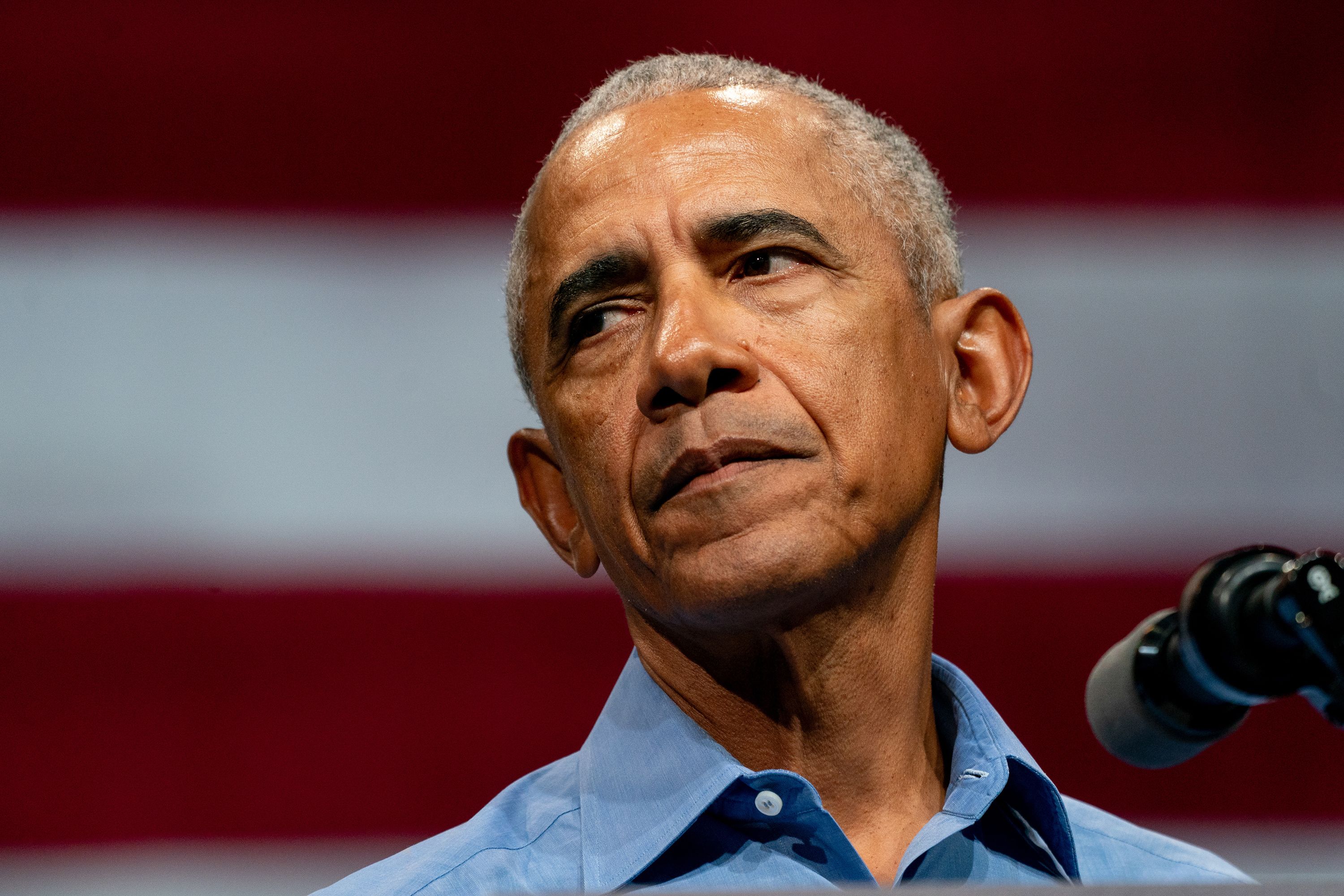
Current international data show that women remain underrepresented in the institutions that make national decisions. Data compiled by the Inter-Parliamentary Union and UN Women for January 2026 found that women led only 28 countries as heads of state or government. Women held 27.5 percent of seats in national parliaments and 22.4 percent of cabinet minister positions worldwide.
Those figures matter because political decisions affect nearly every part of public life, from taxation and transport to education, health care, housing, and military spending. When a large share of the population is missing from decision-making rooms, governments risk overlooking experiences and priorities that are not adequately represented by the people already in power.
Representation alone, however, does not guarantee a particular result. A woman leading a government may share the ideology of her party, face the same budget constraints as her predecessors, or depend on a coalition with competing demands. A leader’s gender is one aspect of political identity; institutions, incentives, experience, and public accountability also shape what a government can achieve.
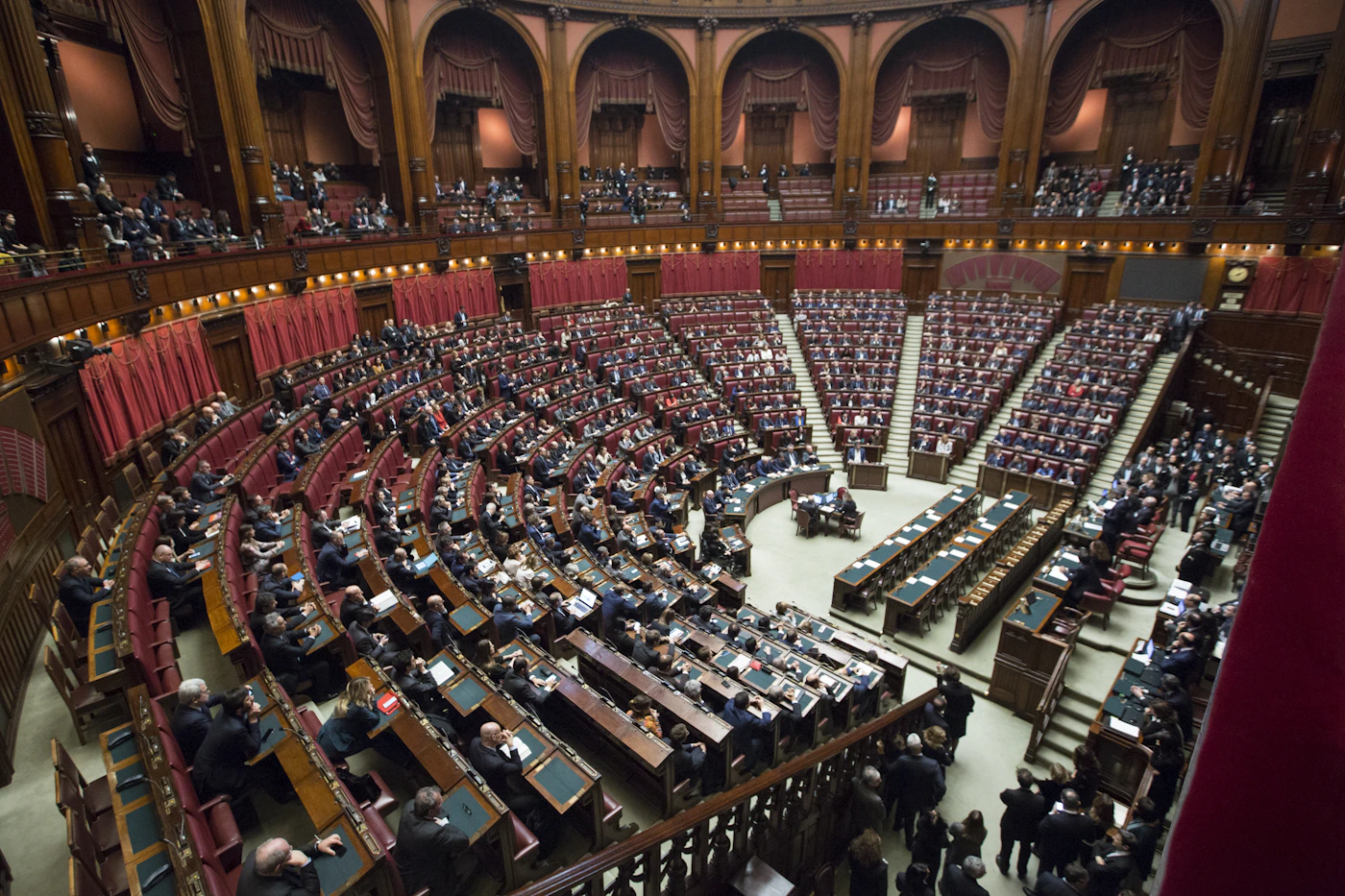
Research on women’s political participation has examined whether elected women place different emphasis on social services, family policy, education, public health, or equality legislation. In some settings, increased representation has been associated with changes in policy priorities. The effects vary by country and political system, making it difficult to reduce the findings to a universal claim that one gender always governs better.
That distinction is central to assessing Obama’s statement fairly. His remark is a political judgment and a thought experiment, not proof that women would automatically end wars or eliminate corruption. No global trial has placed women in control of every government for two years, and no credible analysis can know exactly what would happen under such an unprecedented scenario.
Even so, a hypothetical can be useful if it opens a serious conversation. Asking what might change under different leadership encourages people to examine the assumptions built into political institutions. It also shifts attention from the personalities of individual leaders to the broader question of who gets the opportunity to make decisions in the first place.

Why the debate is bigger than gender
One of the persistent barriers to women’s political advancement is the uneven distribution of power within parties and institutions. Candidates may face different expectations about family responsibilities, public image, fundraising, and their perceived suitability for high-security or economic portfolios. Harassment and threats—especially online—can also make public life more costly and dangerous for women.
Political systems can either reinforce or reduce those barriers. Transparent candidate selection, fair access to campaign resources, family-friendly parliamentary arrangements, protection from harassment, and credible routes into party leadership can help widen participation. Electoral quotas are another tool used in some countries, though their design and impact differ across contexts.
The issue is not simply whether women should replace men at the top. Sustainable representation means that qualified people have a fair chance to compete, that elected officials remain answerable to the public, and that institutions can draw on talent across the whole population. A government with more women can still fail if it lacks transparency, competent administration, or respect for the rule of law.
Supporters of Obama’s view may argue that bringing more women into power can broaden the range of lived experiences informing policy and challenge political cultures that reward aggression or personal dominance. Skeptics counter that good judgment is not exclusive to any gender and that leadership quality should be evaluated through decisions and outcomes rather than assumptions about men or women.
Both points can be considered without treating the debate as a contest between the sexes. The strongest case for women’s participation rests on equal citizenship and democratic legitimacy, supported by evidence about how inclusive institutions function. It does not require claiming that all women think alike, or that all men share one governing style.
There is also a practical question behind the two-year timeline. A government cannot transform every major public system overnight. Legislatures, courts, civil services, local authorities, markets, and international agreements all shape what a national leader can do. Any meaningful assessment of leadership would need to distinguish a leader’s choices from the constraints and conditions inherited from the past.
That is why measures of success would need to be defined before drawing conclusions. Analysts might examine conflict levels, household income, access to education and health care, public trust, corruption, and the distribution of public spending. They would also need to account for economic shocks, regional conflicts, demographic differences, and the quality of the data being compared.
The wider context is a slow and uneven global shift. Women have reached the highest offices in a growing number of countries, yet the latest international figures show that parity remains distant. Progress in parliament has been gradual, and women continue to be less represented in many of the executive roles that control defence, finance, internal security, and foreign policy.
Obama’s comments have also become part of a broader political argument about the meaning of leadership. Admirers hear a call to challenge entrenched power and make room for new voices. Critics see an overgeneralization that places too much weight on gender. The disagreement reflects a real tension between using a provocative statement to question the status quo and expecting a broad claim to stand up to rigorous evidence.
The most defensible conclusion is narrower, but still consequential: governments should not exclude women from leadership, and a society benefits when political institutions give people a fair opportunity to contribute. Whether a specific leader governs well should be judged by the decisions made, the results achieved, and the safeguards that prevent power from being abused.
The image’s central message is therefore best read as an invitation to debate, not as a settled scientific finding. Two years of all-women governments remain an imagined scenario. The real-world test is already underway in every country: whether institutions are expanding access to power, listening to the people they serve, and delivering policies that improve lives.
Editorial note: This article distinguishes Obama’s documented remarks from the broader interpretation of his hypothetical. Statistics cited in the text refer to international political-representation data available for 2026. Images other than the supplied illustration are loaded from external image hosts and require an internet connection to display.
Comments (0)
Loading comments...
May You Like

EAST COAST CATASTROPHE — $20 BILLION AT STAKE, 5 MILLION AT RISK OF LOSING POWER, WATER AND HEAT!

STAR DIED AT 38, $10M LIFE INSURANCE INCREASED JUST 30 DAYS BEFORE WWE BRONSON REED'S DEATH!

WWE BRONSON REED—STAR COLLAPSES AT COMPANY EVENT, FATAL DRUG REACTION SUSPECTED!









Popular Posts



