
Obama’s Eight Years Under Fire: Did His Presidency Divide America or Leave a Stronger Nation?
Obama’s Eight Years Under Fire: Did His Presidency Divide America or Leave a Stronger Nation?
A provocative image circulating online has revived one of the most enduring arguments in American politics: did Barack Obama’s eight years in the White House strengthen the country, or deepen divisions that still shape public life? The graphic claims that millions of Americans associate his presidency with division, decline and national embarrassment. That is a political judgment, not an established finding about what most Americans believe.
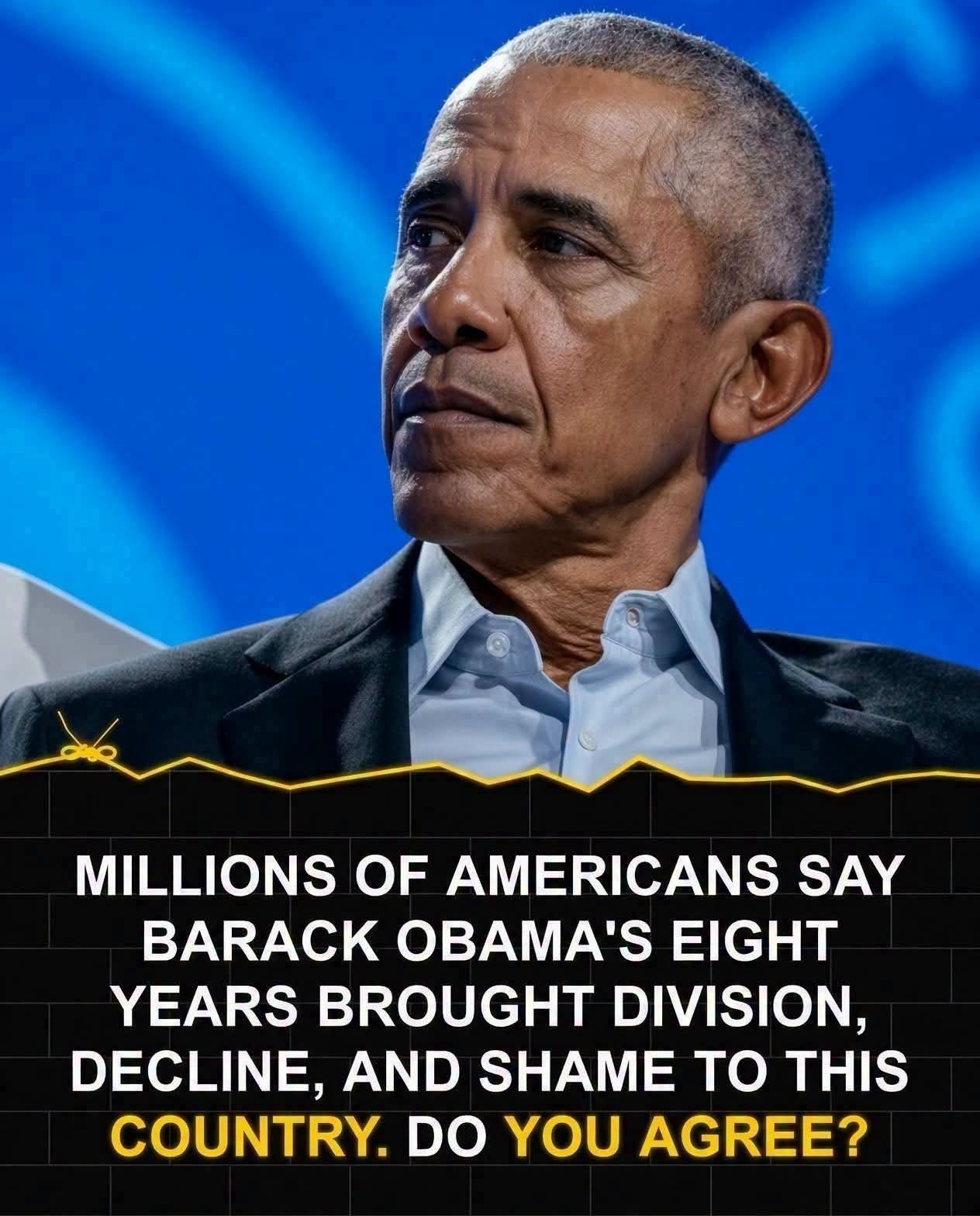
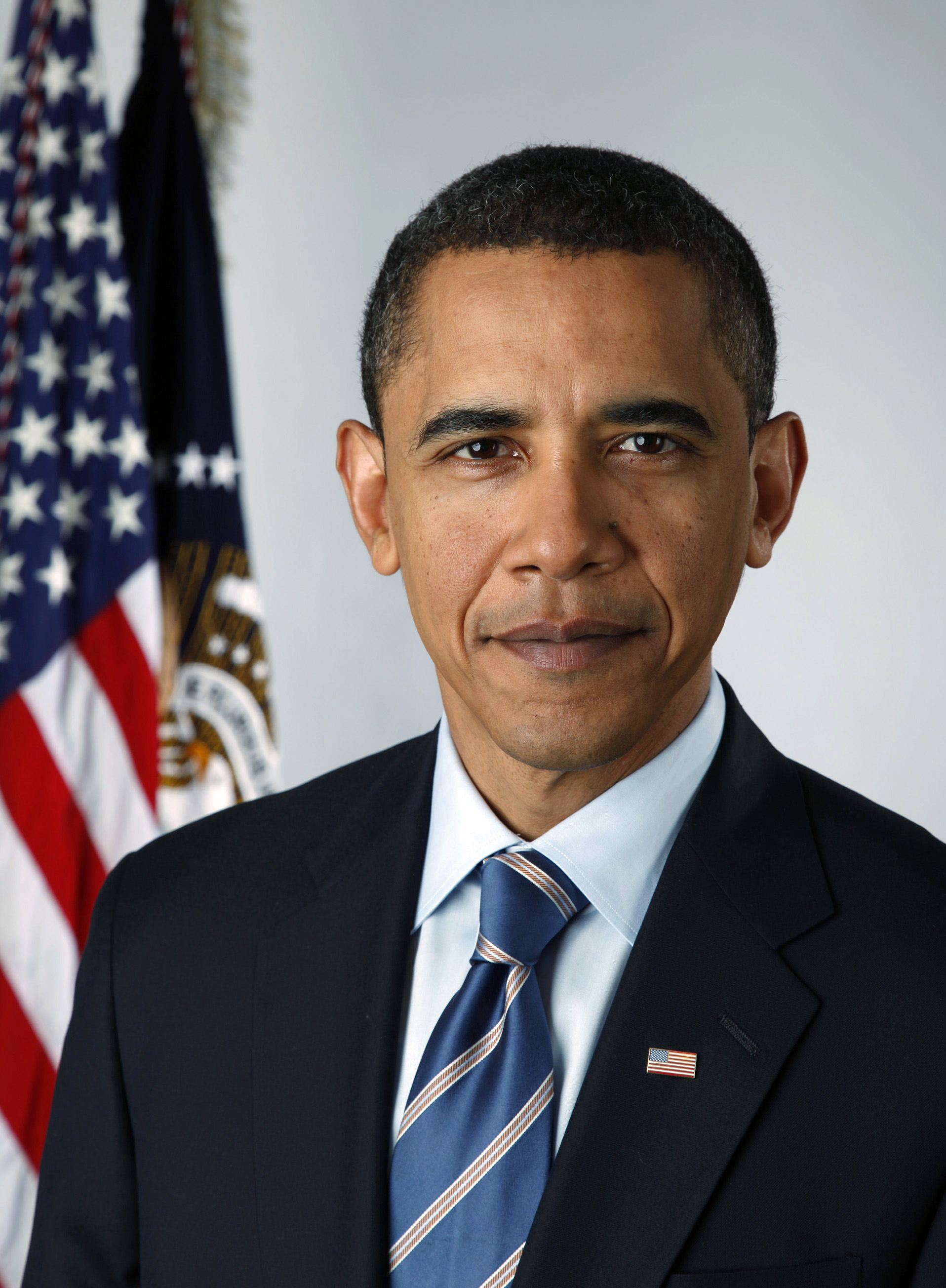
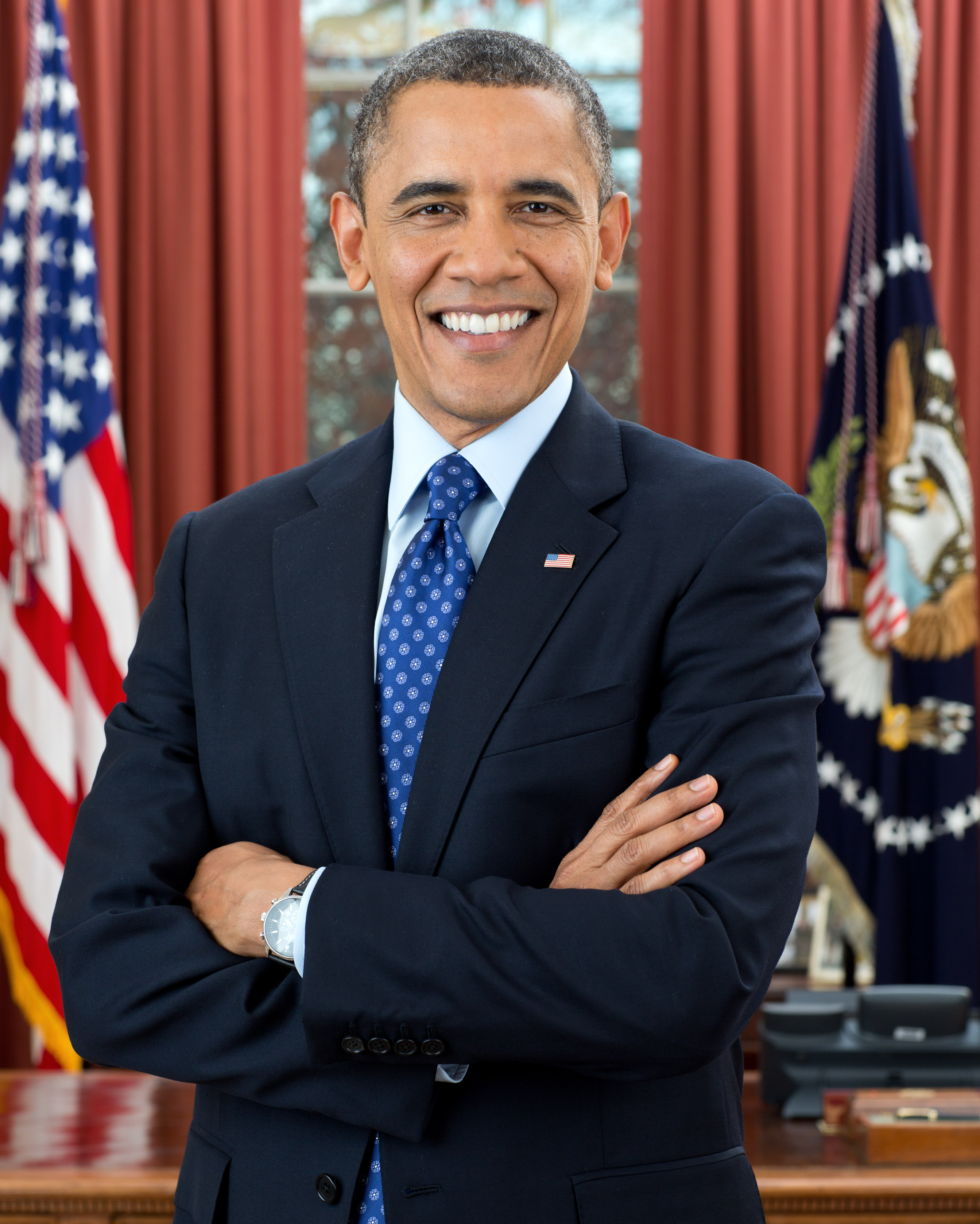
Obama served as the 44th president from January 2009 to January 2017, entering office amid a financial crisis and leaving as Donald Trump prepared to begin his first term. Nearly a decade later, his record continues to draw both admiration and sharp criticism.
For critics, Obama symbolizes an era when partisan conflict hardened, Washington expanded its reach, and disagreements over identity, policing and immigration became increasingly intense. They argue that his message of unity did not match the political climate of his presidency.
Supporters offer a different assessment. They point to economic recovery, expanded health coverage, and major diplomatic initiatives as evidence that the administration addressed difficult problems inherited from previous years.
The economic record provides an important starting point. When Obama took office, unemployment was 7.8 percent and the country was losing jobs during the Great Recession. The jobless rate reached 10 percent in October 2009 before gradually declining.
By January 2017, unemployment had fallen to approximately 4.7 percent. That improvement was substantial, although recovery was uneven and many households continued to struggle with wages, housing costs and financial insecurity.

Obama’s administration supported a major economic stimulus, measures to stabilize the financial system and assistance to the automobile industry. Those policies remain controversial, particularly among conservatives who questioned their costs and the federal government’s role.
Health care became another defining battleground. The Affordable Care Act expanded access to insurance through new marketplaces, subsidies and Medicaid expansion in participating states. It also triggered years of legal challenges and Republican repeal efforts.
To supporters, the law represented progress toward broader health coverage. To opponents, it imposed burdensome requirements and did not sufficiently address premiums, deductibles or the underlying cost of medical care.
The question of national unity is harder to measure than employment or insurance coverage. Americans were divided over race, religion, immigration and the role of government long before Obama took office, but these debates intensified during his years in power.
High-profile controversies involving police conduct and racial justice placed Obama at the center of difficult national conversations. His public remarks were praised by some as necessary leadership and criticized by others as politically divisive.
The rise of social media, partisan cable television and increasingly polarized electoral coalitions also changed how Americans encountered political arguments. Assigning those broad structural changes to any single president oversimplifies the historical record.
Foreign policy produced similarly mixed reactions. Obama negotiated the Iran nuclear agreement, pursued an opening with Cuba and oversaw the operation that killed Osama bin Laden. Critics questioned his approach to Syria, Libya and the expanding use of drone strikes.
The administration also faced scrutiny over immigration enforcement. Obama backed protections for certain undocumented immigrants brought to the United States as children, while deportations and border enforcement remained major issues throughout his presidency.
Republican lawmakers and conservative activists frequently challenged the administration’s executive actions. Obama, meanwhile, argued that congressional gridlock prevented progress on legislation that he believed the country needed.
Public opinion data complicates sweeping declarations that Americans uniformly reject his legacy. Gallup reported a 59 percent final job approval rating in January 2017, with 37 percent disapproving.
In a January 2025 Gallup survey, 59 percent of adults expressed a favorable view of Obama and 36 percent an unfavorable view. Those results do not erase criticism, but they contradict the suggestion that public sentiment is overwhelmingly negative.
Polls also reveal an important distinction between whether voters like a former president and whether they approve of particular decisions. Someone may respect Obama personally while opposing his health care law, or criticize his rhetoric while acknowledging economic gains.
Trump’s political rise added another layer to the debate. His campaigns drew energy from voters who believed established leaders had ignored their concerns, while Democrats argued that Trump’s own language and policies sharpened divisions. Both camps continue to invoke Obama’s presidency in competing accounts of how America reached its present political moment.
Ultimately, the viral image captures a real political sentiment, but it does not settle the historical argument. Obama’s record includes measurable achievements, consequential controversies and lasting disagreements. Whether his presidency represented progress or decline remains a matter for evidence, perspective and democratic debate—not a slogan alone.
Comments (0)
Loading comments...
May You Like


BLACK FRIDAY TENSIONS IN NYC — DID PROTESTERS CROSS THE LINE AT A DISNEY STORE?

AMERICA'S TRADE DEFICIT SURGES — WHAT DOES IT MEAN FOR AMERICAN FAMILIES?












