
Obama’s Iran Nuclear Deal vs. Military Force: The High-Stakes Decision That Still Divides America
Former President Barack Obama's defense of diplomacy with Iran has returned to the center of political debate, highlighting a fundamental disagreement over how the United States should prevent Tehran from developing nuclear weapons. Obama's argument was that a carefully negotiated international agreement could constrain Iran's nuclear program without requiring American military strikes.
The renewed attention centers on a statement attributed to Obama in which he emphasized that diplomacy, rather than missiles, was the instrument he chose to address Iran's nuclear ambitions. The message reflects a central theme of his foreign policy: that negotiations backed by international pressure and verification can sometimes accomplish objectives that military action cannot achieve as safely or sustainably.
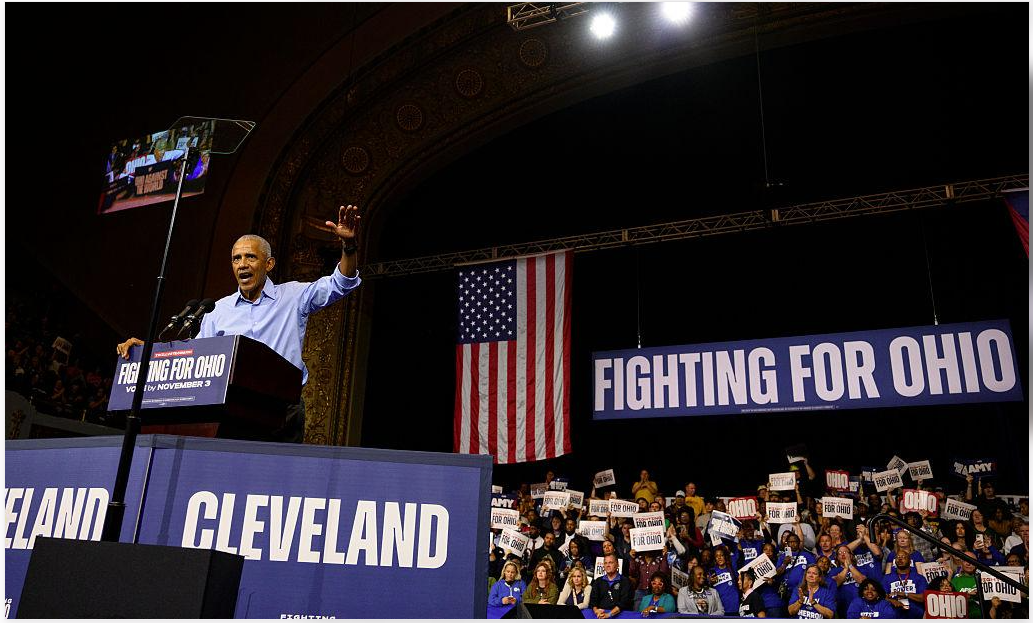
Obama revisited the issue during an October 24, 2026, campaign appearance in Ohio, where he criticized President Donald Trump's handling of the conflict with Iran. The former president argued that his administration had already established a diplomatic framework to restrict Tehran's nuclear activities, making military escalation an unnecessarily dangerous alternative.
During the speech, Obama reminded his audience that Iran did not possess nuclear weapons when his administration negotiated the agreement. He maintained that international cooperation and diplomatic engagement had produced meaningful restrictions on the country's nuclear program without launching a military attack.
The agreement Obama referenced was the Joint Comprehensive Plan of Action, commonly known as the JCPOA. Finalized in July 2015, it brought together Iran, the United States, Britain, France, Germany, Russia and China in an effort to limit Iran's nuclear capabilities in exchange for relief from economic sanctions.
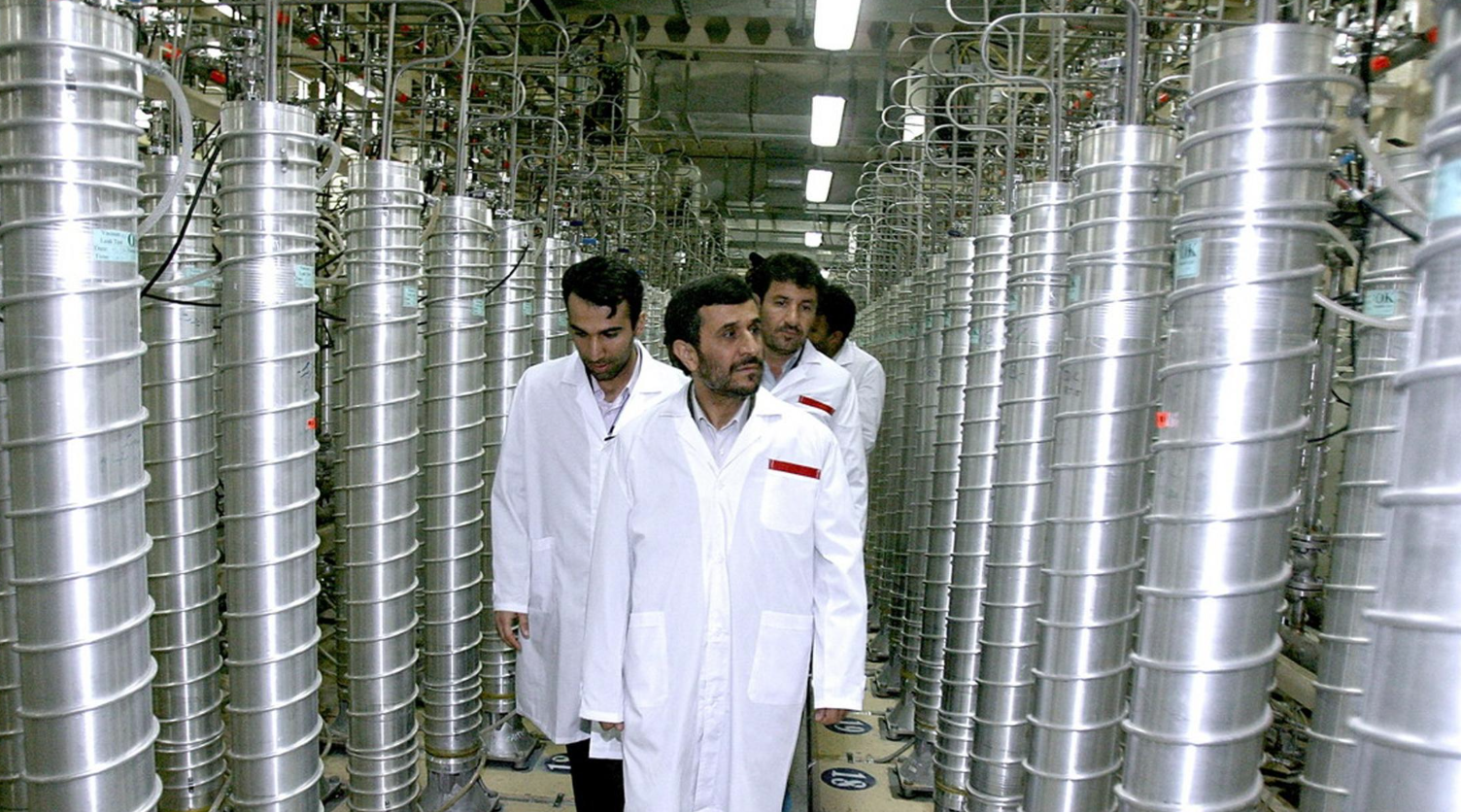
The deal required Iran to reduce its stockpile of enriched uranium, restrict enrichment activities and accept enhanced monitoring by the International Atomic Energy Agency. These measures were intended to extend the time Iran would need to produce enough weapons-grade nuclear material for a bomb if it chose to pursue one.
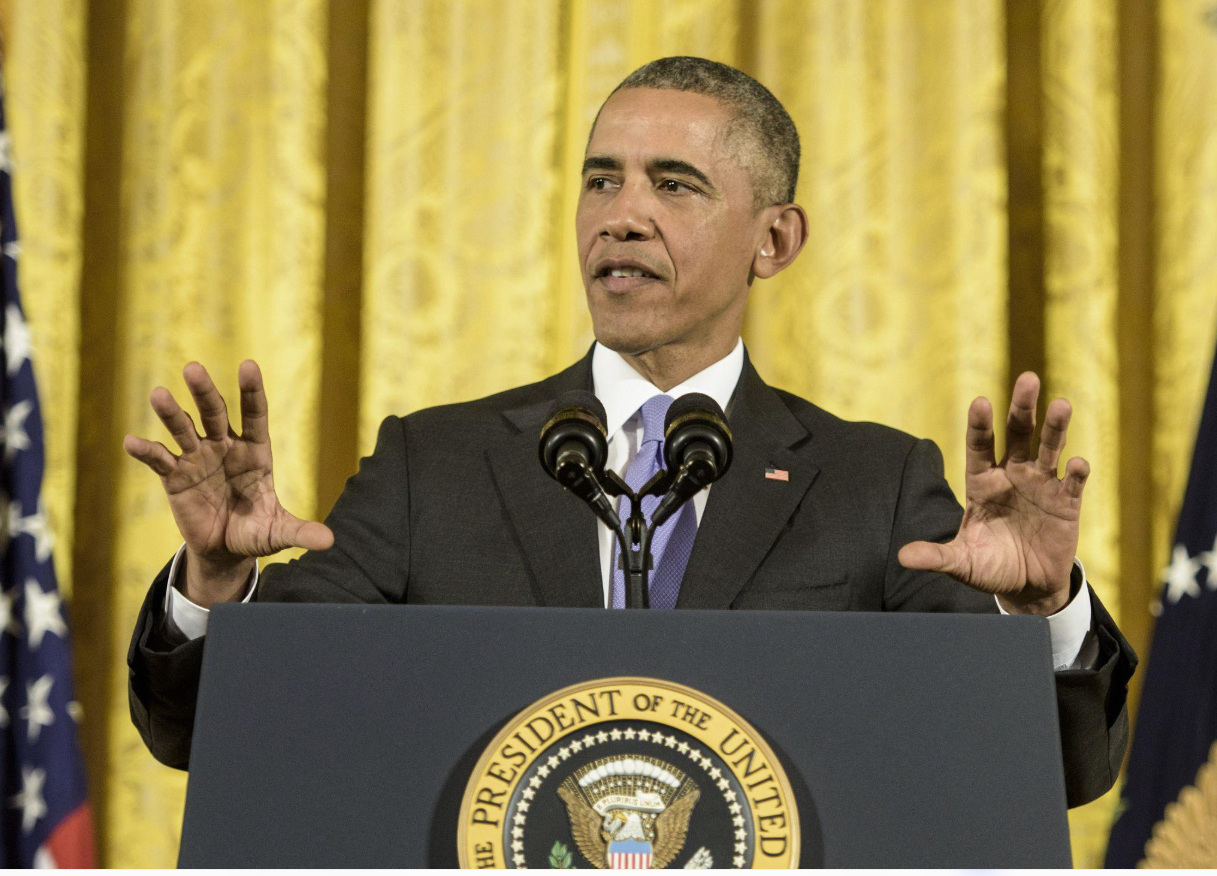
For Obama, the agreement represented one of his administration's most significant foreign-policy achievements. He argued that sustained negotiations, coordinated economic pressure and international verification offered a more reliable path to preventing nuclear proliferation than immediate military confrontation.
Supporters of the agreement pointed to the international inspectors' verification that Iran had implemented key initial nuclear restrictions in January 2016. That milestone triggered the lifting of certain nuclear-related sanctions and marked the beginning of the deal's full implementation.
However, the agreement also faced strong opposition from Republicans and some Democrats who believed its restrictions were insufficient. Critics argued that several provisions would eventually expire and that the deal did not adequately address Iran's ballistic missile development or its support for armed groups across the Middle East.
Trump became one of the agreement's most prominent opponents. During his first presidential term, he repeatedly described the deal as deeply flawed and argued that the United States had surrendered too much economic leverage without securing permanent restrictions on Iran's nuclear activities.
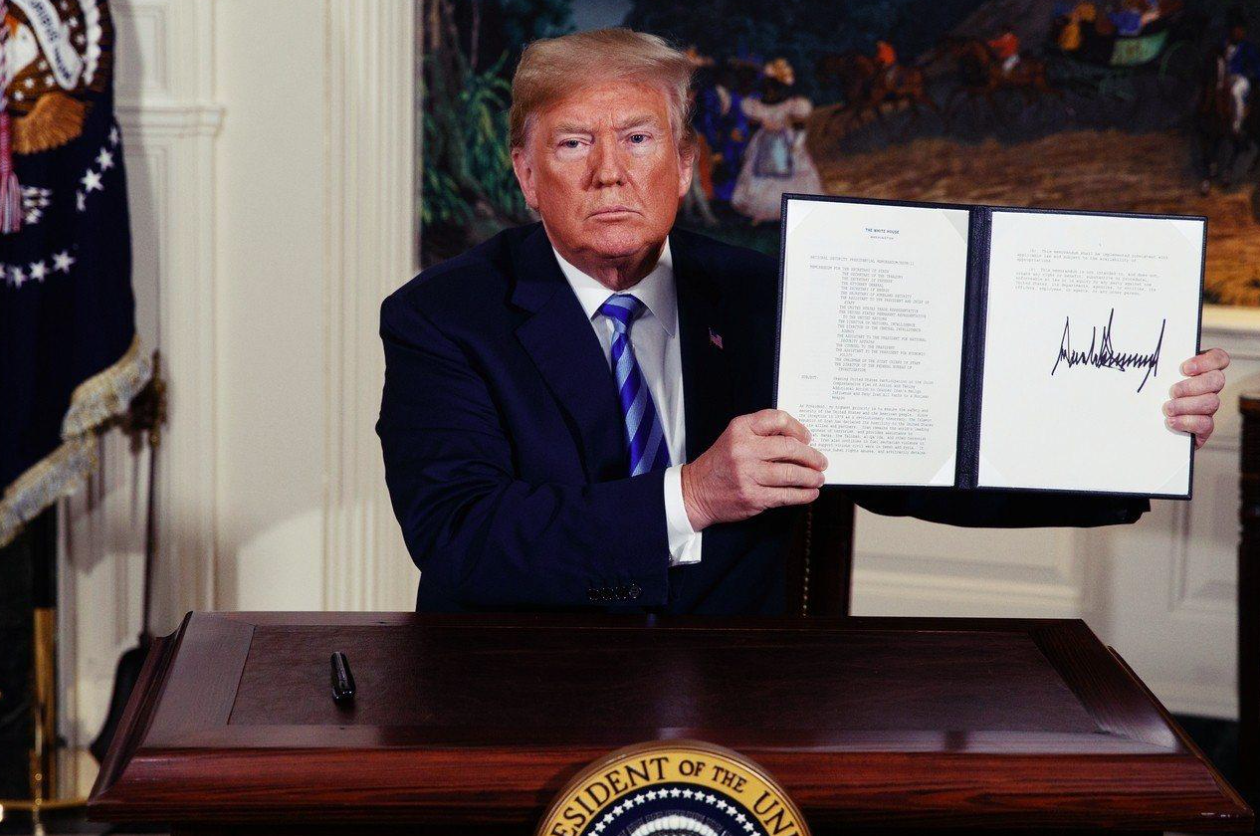
In May 2018, Trump formally withdrew the United States from the JCPOA and restored sweeping economic sanctions against Iran. His administration pursued a policy of maximum pressure, seeking to force Tehran into accepting a broader agreement covering nuclear activities, missile development and regional security.
The withdrawal fundamentally changed the diplomatic landscape. Iran initially continued observing major elements of the agreement, but later began exceeding several nuclear restrictions as tensions with Washington intensified.
International inspectors subsequently documented increases in Iran's uranium enrichment activities. The developments raised concerns that the collapse of the original agreement had reduced international oversight and shortened the time Iran might need to accumulate sufficient fissile material for a nuclear weapon.
The debate over the JCPOA has therefore remained central to discussions about whether diplomacy can effectively prevent nuclear proliferation. Supporters argue that the agreement placed verifiable limits on Iran's program, while opponents maintain that its temporary restrictions and limited scope left major security threats unresolved.
Obama's October 2026 remarks also reflected growing concern about the human and economic consequences of military confrontation. He criticized the Trump administration's handling of the Iran conflict, pointing to American casualties, attacks on regional bases and the depletion of military resources.
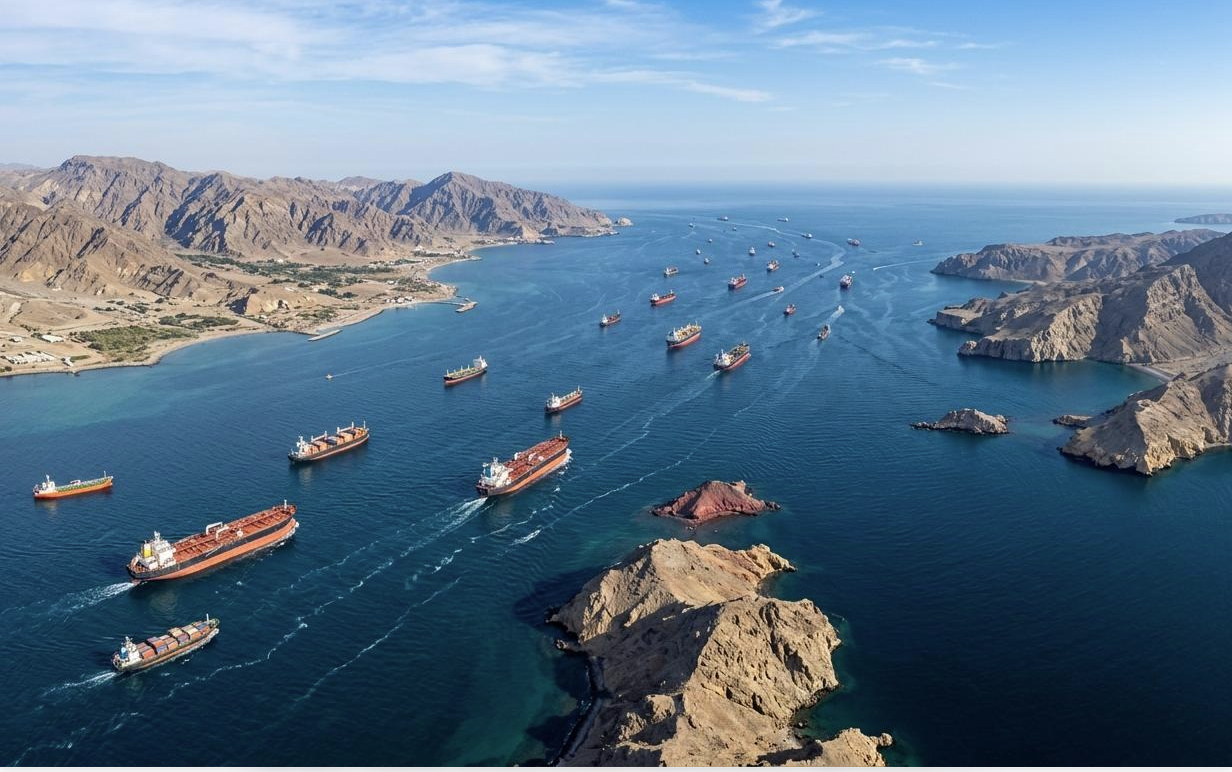
The former president further warned about instability around the Strait of Hormuz, a strategically vital shipping route connecting Persian Gulf energy producers with international markets. Disruptions in the waterway can have consequences far beyond the Middle East, affecting fuel prices, transportation costs and global economic activity.
The disagreement between Obama and Trump represents two contrasting approaches to national security. Obama has emphasized multilateral negotiations and enforceable international agreements, while Trump has frequently advocated stronger economic pressure and the credible threat or use of military force.
Neither approach eliminates every risk. Diplomatic agreements depend on compliance, verification and political commitment, while military operations can produce unintended consequences, including retaliation, regional escalation and prolonged instability.
For American voters, the renewed debate raises fundamental questions about the country's role in the world. Should Washington prioritize negotiated restrictions backed by international inspectors, or should it rely more heavily on sanctions and military pressure when confronting governments suspected of pursuing nuclear weapons?
The answer is complicated by Iran's changing nuclear capabilities, its regional relationships and the political challenges facing any future negotiations. A return to the conditions that existed when the JCPOA was negotiated would require significant diplomatic effort and credible assurances from multiple governments.
Obama's central argument remains that the United States once secured substantial nuclear restrictions through diplomacy without launching missiles. That historical achievement is documented, although it does not establish that the agreement would have permanently prevented Iran from obtaining nuclear weapons.
Ultimately, the confrontation over Iran's nuclear future is about more than the legacy of two American presidents. It is a continuing test of whether international diplomacy, economic pressure and military deterrence can be combined to prevent nuclear proliferation without triggering an even more destructive conflict.
Comments (0)
Loading comments...
May You Like

I-75 THANKSGIVING NIGHTMARE — MAIL TRUCK CRASH RAISES OVERPASS COLLAPSE FEARS!

U.S. REPORTEDLY STRIKES OIL TANKER NEAR IRAN — COULD GAS PRICES SURGE?

FCC CLEARS SPACEX FOR ONE MILLION AI SATELLITES AS ASTRONOMERS SOUND ALARM














