Obama’s ‘Saddam Hussein Opened a Cheesecake Factory’ Jab Puts Trump’s White House Renovations Under the Spotlight

A Political Joke That Quickly Became a National Talking Point
A sharp line from former President Barack Obama has reignited the political feud between two of America’s most prominent political figures, placing President Donald Trump’s White House renovations at the center of an increasingly heated debate ahead of the November 3 midterm elections.
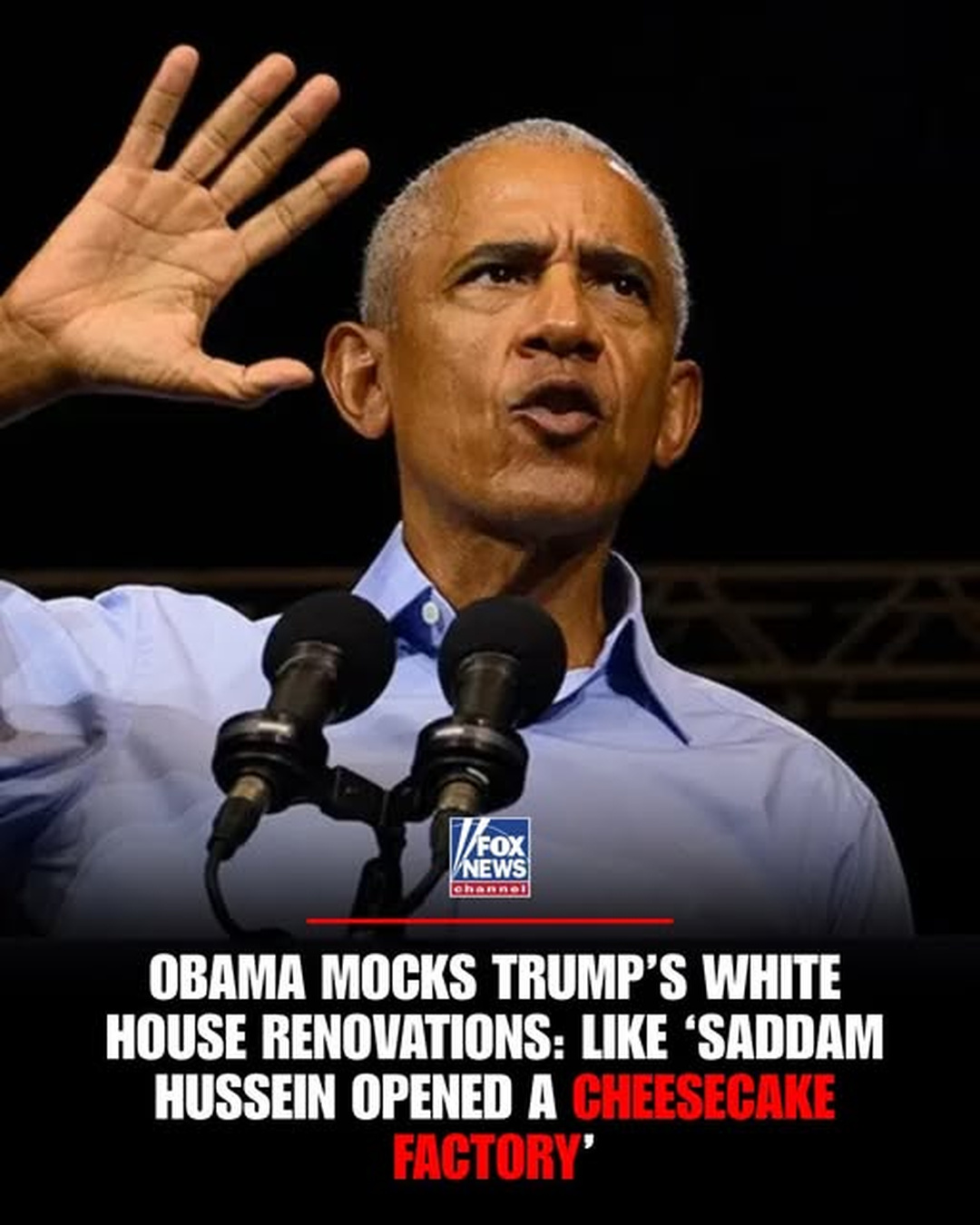
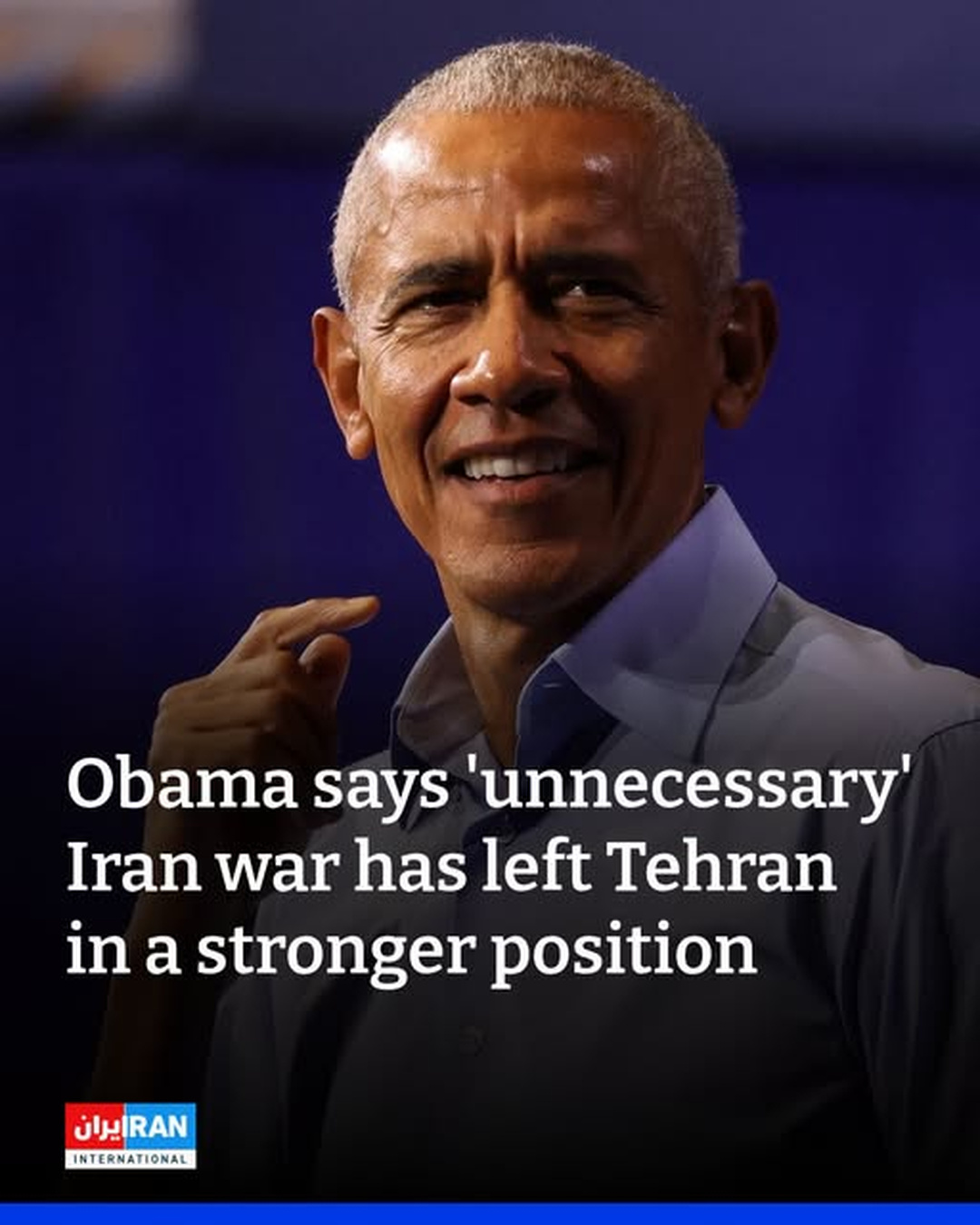
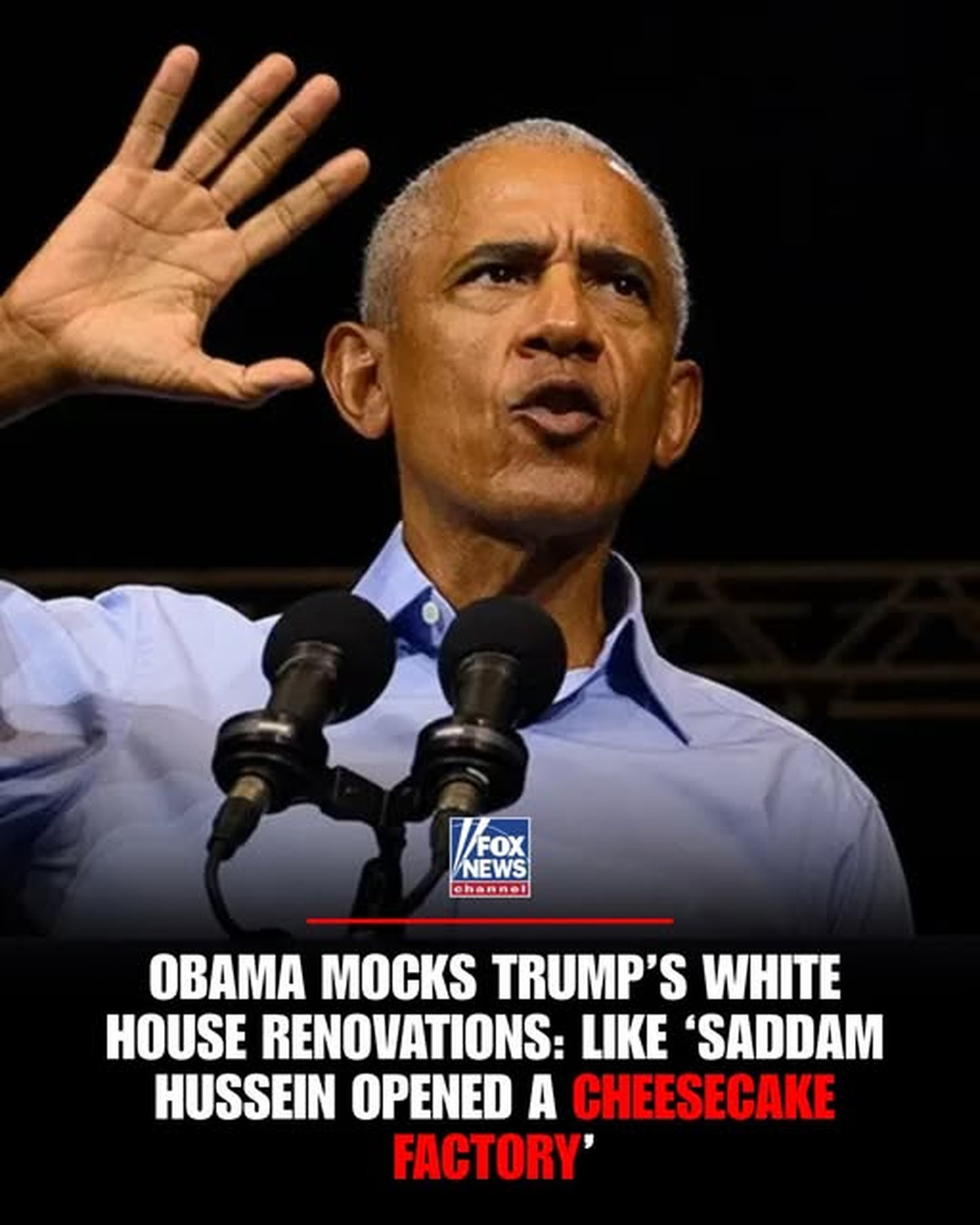
Speaking at a Democratic campaign rally in Cleveland, Ohio, on October 24, Obama mocked Trump’s extensive changes to the presidential residence, taking particular aim at the growing use of gold-colored decorations, the planned White House ballroom and alterations to the surrounding grounds.
“He’s got the White House looking like Saddam Hussein opened a Cheesecake Factory,” Obama quipped, drawing a strong reaction from the crowd.
The remark quickly spread across social media and became a major talking point in political coverage. More than a criticism of interior design, Obama’s joke was intended to challenge the president’s priorities, portraying him as unusually preoccupied with the appearance of the White House while Americans continue to confront economic and political concerns.
The comparison also drew attention because it combined two deliberately contrasting images: Saddam Hussein, the former Iraqi dictator widely associated with extravagant displays of gold, and Cheesecake Factory, a popular American restaurant chain known for its elaborate interiors and extensive menus.
For Obama, the line offered a memorable way to criticize Trump’s personal aesthetic choices. For the White House, it created another political confrontation at a time when the administration is seeking to defend its record before a consequential election.
What Obama Was Really Criticizing

The Oval Office’s gold-colored decorative elements have become a focal point in the debate over Trump’s approach to renovating the White House.
Obama’s comments went beyond the Oval Office’s appearance. During his speech, he listed several projects associated with Trump’s second term, including the construction of a large ballroom, the paving of the Rose Garden’s central lawn and the installation of a helicopter landing area on the South Lawn.
“He should be on HGTV,” Obama joked, suggesting that Trump appeared more interested in home improvement than in the issues dominating the national political conversation.
The ballroom project has attracted particular attention because of its scale and its impact on the historic White House complex. The East Wing was demolished in October 2025 to make way for the new construction, a major alteration to a site that has served as the center of the American presidency for generations.
Trump has defended the project as an investment in the White House’s facilities and its ability to host official events. However, the scale of the construction, the reported costs and the transformation of historic spaces have raised questions about the balance between modernization and preservation.
The Rose Garden has also become part of the debate. Its central lawn was replaced with limestone paving, creating a more formal paved area for outdoor events and entertaining while retaining roses around the perimeter. Supporters can view such changes as practical improvements; critics see them as a departure from the traditional character of the grounds.
Obama’s broader argument was political: at a moment when voters are concerned about living costs and other national priorities, he suggested that the president’s attention to decorative details sends the wrong message.
Trump Fires Back: “The White House Represents Our Country”

Trump defended his renovation projects during a campaign stop in Corinth, Mississippi, on October 26, arguing that the presidential residence needed repairs and improvements.
Trump did not let the criticism pass unanswered.
On October 26, during a campaign stop in Mississippi, the president devoted a substantial portion of his remarks to defending the renovations and responding directly to Obama’s comparison.
“The White House represents our country, and that has to be pristine,” Trump said, arguing that the building required attention and that its physical condition had been inadequate. He also described repairs to exterior plaster, damaged architectural details, windows and tiles, presenting the work as a necessary effort to maintain the historic property.
Trump also rejected the suggestion that he had devoted excessive time to the projects. He characterized the spending as relatively small in the broader context of government expenditures and insisted that improving the White House was a worthwhile undertaking.
In an especially revealing response, Trump defended the restaurant invoked in Obama’s joke, calling Cheesecake Factory a successful company and suggesting that his predecessor had a problem with successful businesses.
“I would try and explain that to a guy like Obama, but he wouldn’t understand,” Trump said, according to CBS News.
The exchange demonstrated how quickly a dispute over interior decoration had evolved into a broader political confrontation. Rather than simply dismissing the joke, Trump devoted considerable attention to answering it, giving the criticism additional visibility.
The president’s supporters have argued that the White House should be maintained to the highest standards and that renovations are a legitimate responsibility of the administration. Critics, meanwhile, contend that the scale and visibility of the projects make them a fair subject for scrutiny.
The Price Tag and the Question of Priorities

Construction associated with the proposed White House ballroom has intensified debate over the scope, cost and preservation implications of the renovation program.
The controversy is not solely about gold decorations or competing political personalities. It also raises questions about the cost of major renovations, how they are financed and what priorities the administration communicates through its spending decisions.
Trump has put the ballroom project’s cost at as much as $400 million. A contractor’s internal estimate reviewed by The Washington Post reportedly placed the potential cost at $600 million, highlighting uncertainty surrounding the final price. The project has been described as being funded largely through private donations, including contributions from major corporations.
Private financing does not automatically resolve every question about a project of this scale. The public may still debate its architectural impact, the transparency of donations, the oversight of construction and the long-term consequences for a historic government property.
The administration’s position is that the renovations will improve the White House and provide better facilities for official functions. From that perspective, construction is a practical undertaking rather than a distraction from governing.
Opponents see a different picture. They argue that prominent, expensive projects can become symbols of political priorities, particularly when household budgets and the cost of living are major concerns for voters.
The disagreement is therefore about more than whether the Oval Office looks elegant or excessive. It reflects competing ideas about presidential leadership, public symbolism and how the country’s most recognizable government building should represent the nation.
The Cheesecake Factory Becomes an Unexpected Political Player

The Cheesecake Factory, a mainstream American restaurant chain, unexpectedly became part of a national political argument after Obama’s comparison.
Perhaps the most unusual development is that a restaurant chain with no central role in the dispute has found itself pulled into a political argument involving the president and his predecessor.
Following Obama’s remarks, conservative commentators accused the former president of sounding elitist by using a popular restaurant as shorthand for excessive or unattractive decoration. Supporters of Obama argued that the target of the joke was Trump’s taste and the transformation of the White House, not the restaurant’s customers.
The Trump administration’s response extended the joke rather than ending it. The White House’s official social media account circulated a mock Cheesecake Factory-style menu featuring administration policy themes, including border security and energy. Treasury Secretary Scott Bessent also visited a Cheesecake Factory near the White House and used the occasion to criticize Obama.
The chain itself has not publicly commented on Obama’s remark, according to Fortune’s October 28 report.
Yet the controversy has coincided with striking business results. Cheesecake Factory reported record third-quarter revenue of $1.03 billion, up approximately 14% from $907.2 million a year earlier. Comparable sales at its namesake restaurants rose 15.2%, and adjusted earnings reached $1.02 per share.
The timing created an unexpected contrast: a restaurant used as a political punchline was simultaneously reporting strong financial performance.
It would be premature to attribute those results entirely to the political attention. The company’s performance reflects broader consumer behavior, restaurant operations and other business factors. Nevertheless, the controversy has given the brand an unusual level of national exposure.
Why the Exchange Matters Ahead of the Midterms

The November 3, 2026, midterm elections are approaching, giving both parties an incentive to frame political controversies around voters’ priorities.
The timing of the exchange is central to understanding its political significance.
Obama made the remarks while campaigning in Ohio for Democratic gubernatorial nominee Amy Acton and Senate candidate Sherrod Brown. His speech formed part of a wider effort to mobilize Democratic voters before the November 3 midterms. Trump, meanwhile, has been campaigning for Republicans as both parties seek to influence the national political environment in the final days before voting.
For Democrats, the renovation dispute offers a way to frame Trump as focused on personal preferences and highly visible construction projects rather than the everyday economic pressures facing voters.
For Republicans, defending the renovations provides an opportunity to emphasize property maintenance, presidential authority and the importance of preserving the White House in excellent condition. The backlash against Obama also allows Trump’s allies to portray the former president as dismissive of ordinary Americans and their tastes.
Both strategies rely on turning a seemingly superficial dispute into a larger argument about leadership and values.
However, the political consequences remain uncertain. A viral joke can dominate headlines without necessarily changing how voters cast their ballots. Some voters may view the exchange as entertaining political theater; others may see it as evidence of competing priorities. Still others may regard the entire controversy as a distraction from more pressing issues.
What makes the episode significant is not necessarily the joke itself, but how quickly both sides recognized its value as a campaign message.
A Familiar Rivalry Finds a New Stage

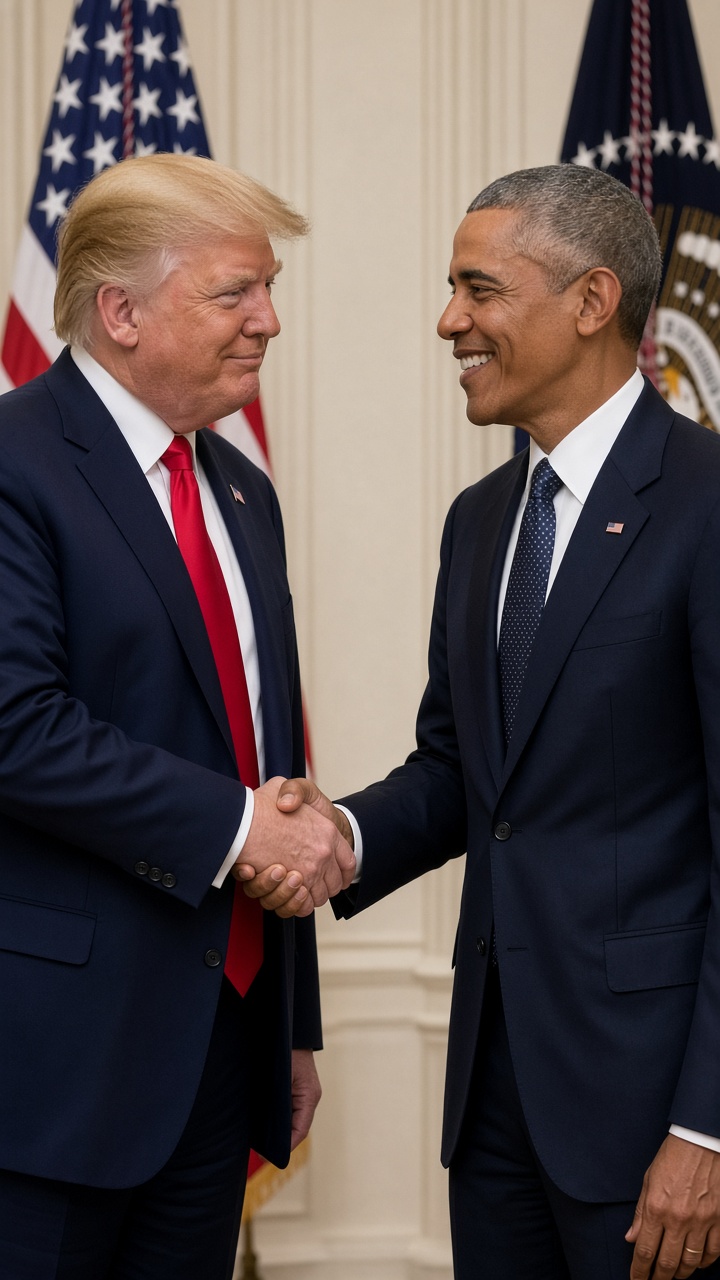
Obama and Trump have a long history of political conflict, and the latest exchange adds another episode to their public rivalry.
The clash also revives a rivalry that stretches back well beyond the current renovation controversy.
During the 2011 White House Correspondents’ Dinner, Obama mocked Trump’s ambitions and taste in a series of jokes, including a fictional image of the White House featuring Trump’s name and gold columns. At the time, Trump was a private citizen and television personality who was increasingly involved in political debate.
Their relationship has remained contentious in the years since, with each figure representing sharply different political identities and visions for the country.
The latest exchange follows that familiar pattern. Obama uses humor to challenge Trump’s judgment and priorities; Trump responds forcefully, framing the criticism as uninformed and defending his own decisions.
The difference today is the political context. With the midterm elections only days away, every public exchange carries the potential to shape media coverage, energize supporters and reinforce existing perceptions of both men.
Whether the controversy has a lasting electoral impact remains to be seen. But it has already demonstrated how a single memorable phrase can redirect attention toward a president’s personal choices and force an administration to defend a project on terms set by its critics.
The Bottom Line: More Than a Dispute About Decoration
The argument over Trump’s White House renovations has become a broader contest over presidential priorities, political messaging and the symbolism of the nation’s most important residence.
Obama’s comparison was designed to ridicule what he sees as excessive ornamentation and misplaced attention. Trump’s response framed the work as responsible maintenance and an effort to restore the building to a high standard.
Neither side appears likely to abandon its position. For Democrats, the controversy reinforces a message about leadership and economic priorities. For Trump and his allies, it provides an opportunity to defend the president’s vision while turning the criticism back on Obama.
Meanwhile, the Cheesecake Factory has become an unlikely participant in the news cycle, its name attached to a political exchange that has reached far beyond architecture or restaurant design.
As Americans prepare to vote on November 3, the ultimate test will be whether this dispute resonates beyond social media and campaign rallies. The White House is both a working government building and a national symbol, making changes to it inherently political.
One thing is already clear: a joke about gold decorations and a restaurant chain has become a much larger argument about how presidents govern, what they choose to prioritize and how those decisions are presented to the public.
Comments (0)
Loading comments...
May You Like

Latest Posts

Popular Posts