
PACIFICA PIER COLLAPSES AFTER MYSTERIOUS UNDERWATER MOVEMENT IN CALIFORNIA!
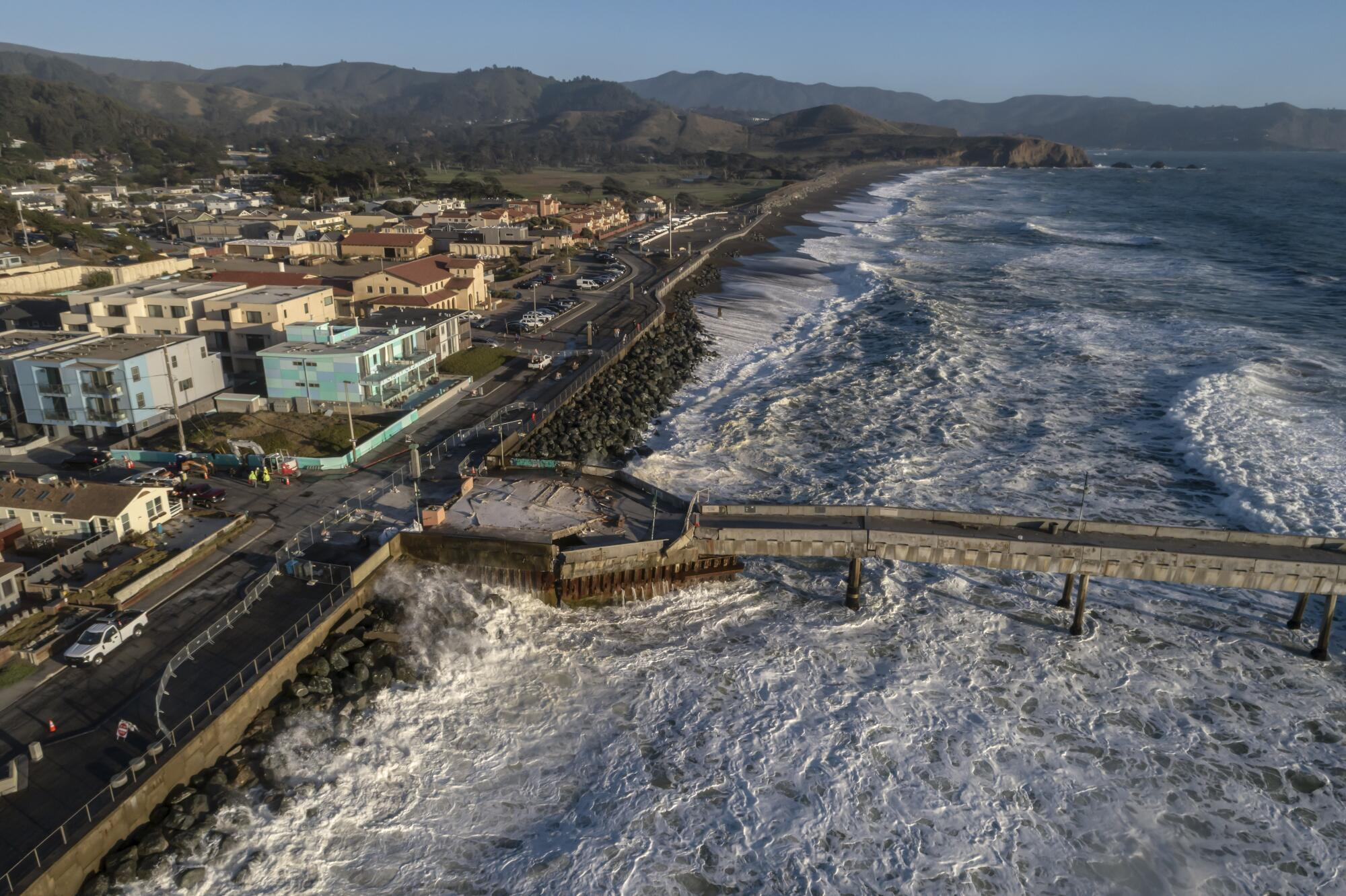
PACIFICA, California — November 26, 2026 — A major section of California's historic Pacifica Municipal Pier collapsed into the Pacific Ocean on Wednesday, November 25, after powerful waves struck the aging structure during an exceptionally severe period of coastal flooding. The destruction has raised questions about the condition of the pier's submerged foundations and the powerful natural forces operating beneath the ocean surface.
Video recorded during the incident showed a substantial section of the pier breaking away and disappearing into the turbulent water. The collapse occurred as communities throughout Northern California experienced unusually high tides, dangerous surf and widespread flooding ahead of the Thanksgiving holiday.
According to the Associated Press, authorities had already closed the 1,140-foot pier during the summer after discovering significant structural cracks. The National Weather Service had also warned of breaking waves reaching between 20 and 30 feet along affected sections of the coastline.
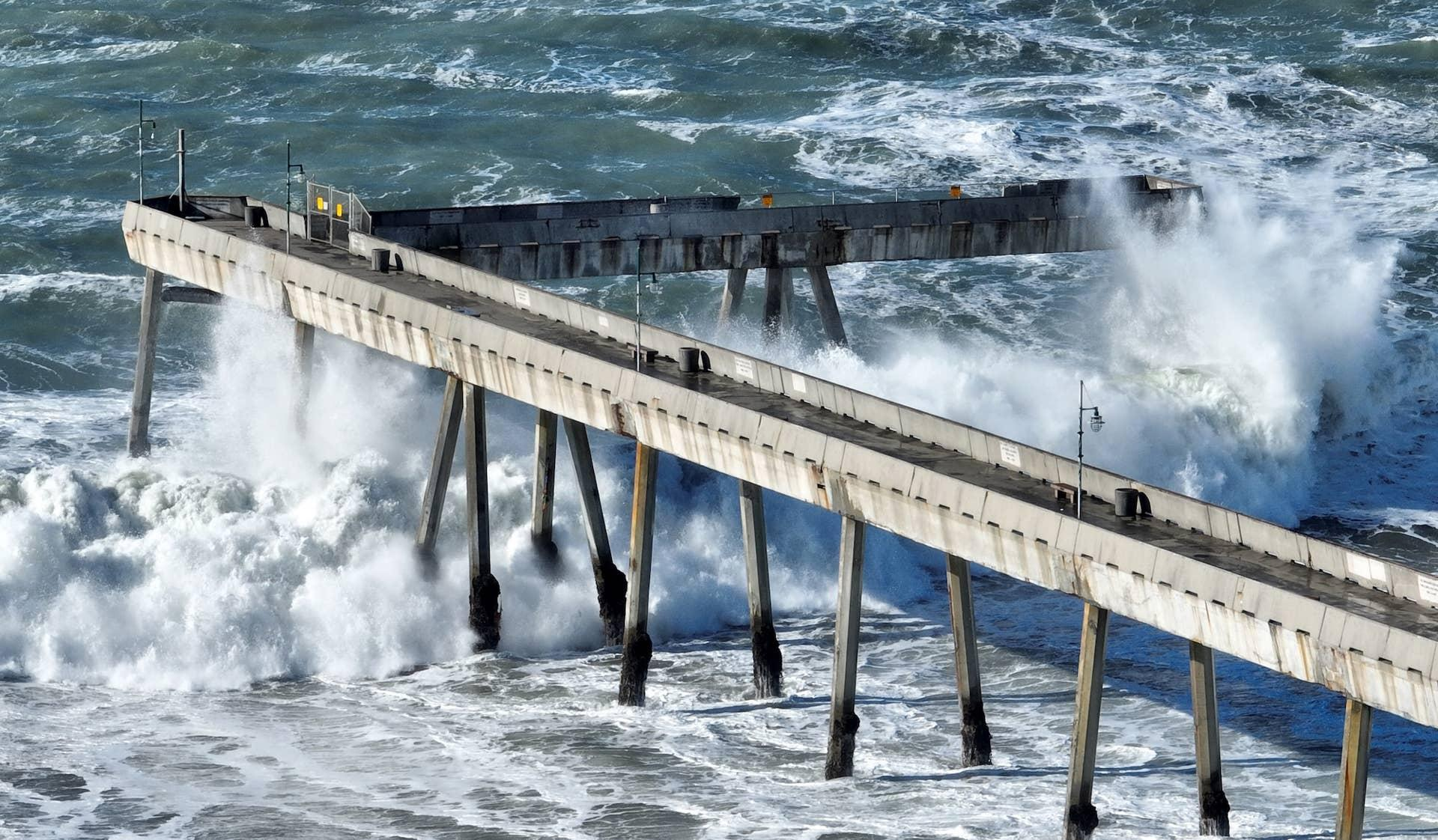
For more than 50 years, Pacifica Pier has been among the most recognizable structures along the Northern California coastline. Built in 1973, the concrete fishing pier attracted generations of residents, tourists and recreational fishermen despite its exposure to some of the most demanding ocean conditions along the San Francisco Peninsula.
Its distinctive design extended hundreds of feet into the Pacific Ocean, placing structural supports directly within an environment characterized by powerful currents, repeated wave impacts and constant exposure to saltwater. Over time, these conditions can gradually weaken even heavily reinforced marine structures.
The pier's deterioration had become sufficiently serious that city officials closed it to the public months before Wednesday's incident. According to ABC7 Bay Area, authorities identified substantial cracks in June and had been working to stabilize the surrounding waterfront. The latest collapse represents a major setback for those efforts.
The Pacific Ocean is a powerful source of natural vibrations that can travel through both water and solid ground. During periods of exceptional wave activity, interactions between ocean currents, waves and the seabed can generate measurable seismic signals.
Powerful offshore storms may increase this background seismic activity substantially. When waves interact with the coastline or with other ocean waves, they produce pressure variations capable of transferring energy into the Earth's crust.
The coastal conditions documented in Pacifica on Wednesday provide a scientifically plausible setting for such vibrations. However, establishing that a particular seismic signal occurred immediately before the collapse would require access to dated seismographic records and a detailed examination of their characteristics.
One of the more extraordinary explanations associated with the incident suggests that unusual underwater signals originated from three transmitting devices aboard unidentified submarines. Such a discovery, if established through authenticated maritime and scientific records, would introduce a substantially different question about activity off California's coastline.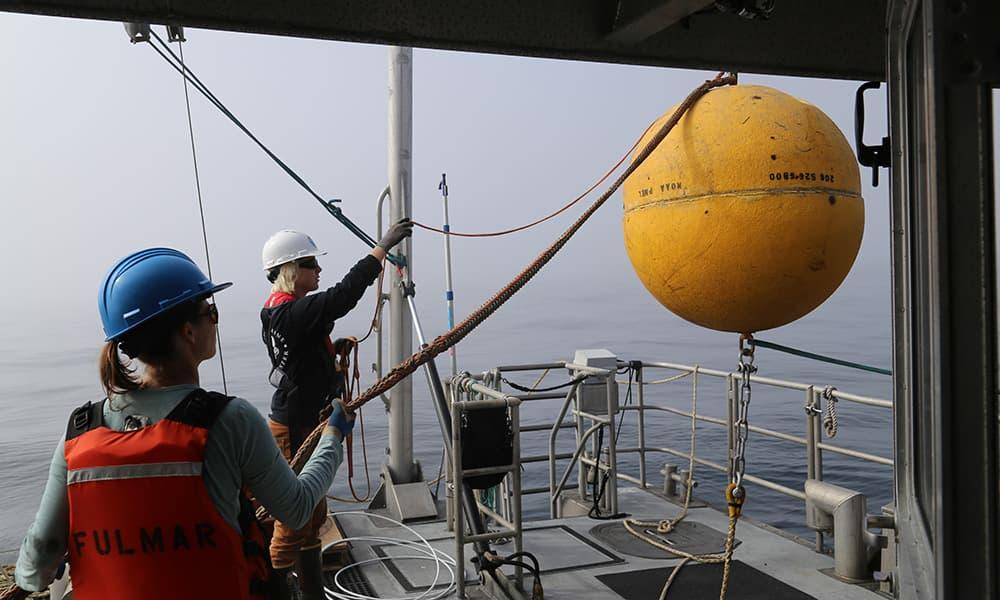
Identifying three separate transmitters would require evidence demonstrating that the recorded signals originated from distinct sources. Investigators would also need independent information establishing the nature of those sources and their relationship, if any, to the damaged pier.
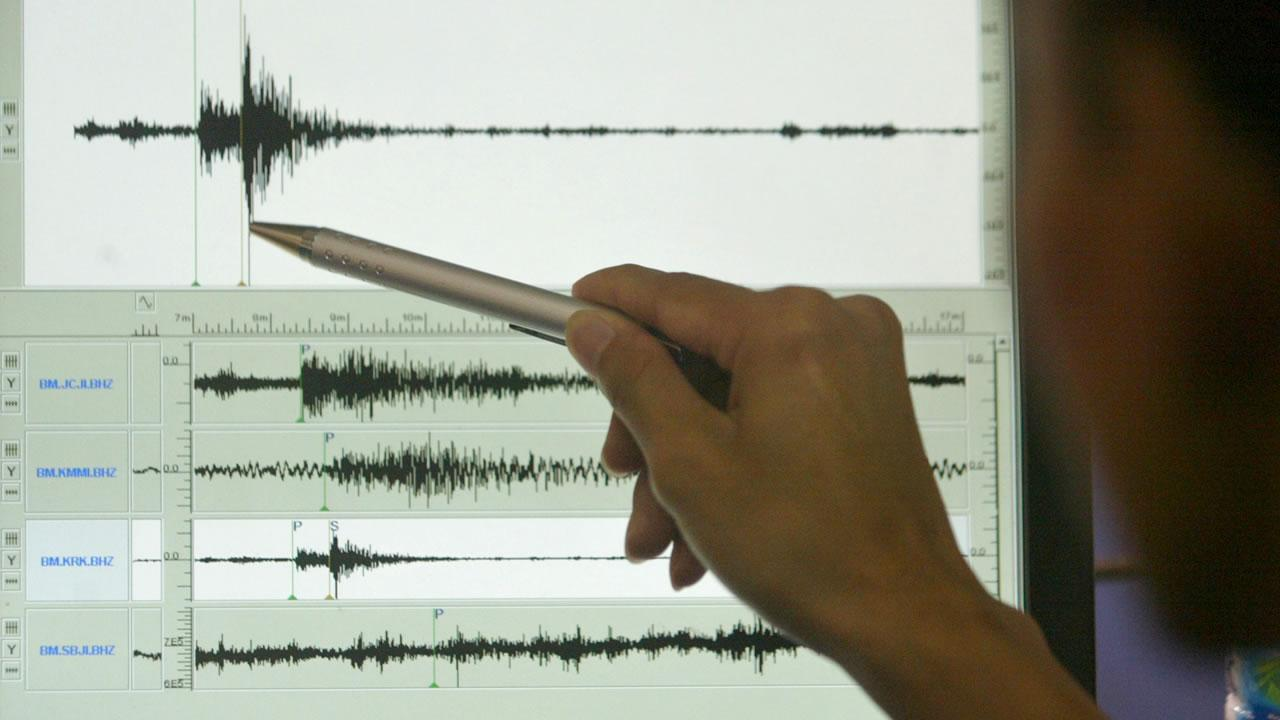
Although seismic and acoustic signals can both involve vibrations, they represent different forms of measurable energy. Seismometers primarily record ground motion, while underwater acoustic instruments known as hydrophones detect changes in water pressure associated with sound.
Natural events such as earthquakes, powerful waves and underwater geological disturbances may produce signals detectable by different categories of scientific instruments. Human activities can also contribute to the acoustic environment, particularly in coastal waters near major shipping routes.
Scientists distinguish between potential sources by examining recordings alongside information about environmental conditions and independently documented events. The process requires careful interpretation because signals can travel considerable distances and interact with complex marine environments.
For Pacifica, the distinction is especially important because the pier collapsed during an environmental emergency already capable of producing considerable natural vibration.
Wednesday's collapse coincided with exceptionally powerful ocean conditions. Coastal communities were experiencing the combined effects of high tides and large incoming swells, creating conditions capable of placing enormous pressure on existing marine infrastructure.
The National Weather Service warned that breaking waves could reach the equivalent height of a two- or three-story building. The elevated water levels increased the distance that seawater and waves could travel onto beaches and into residential areas.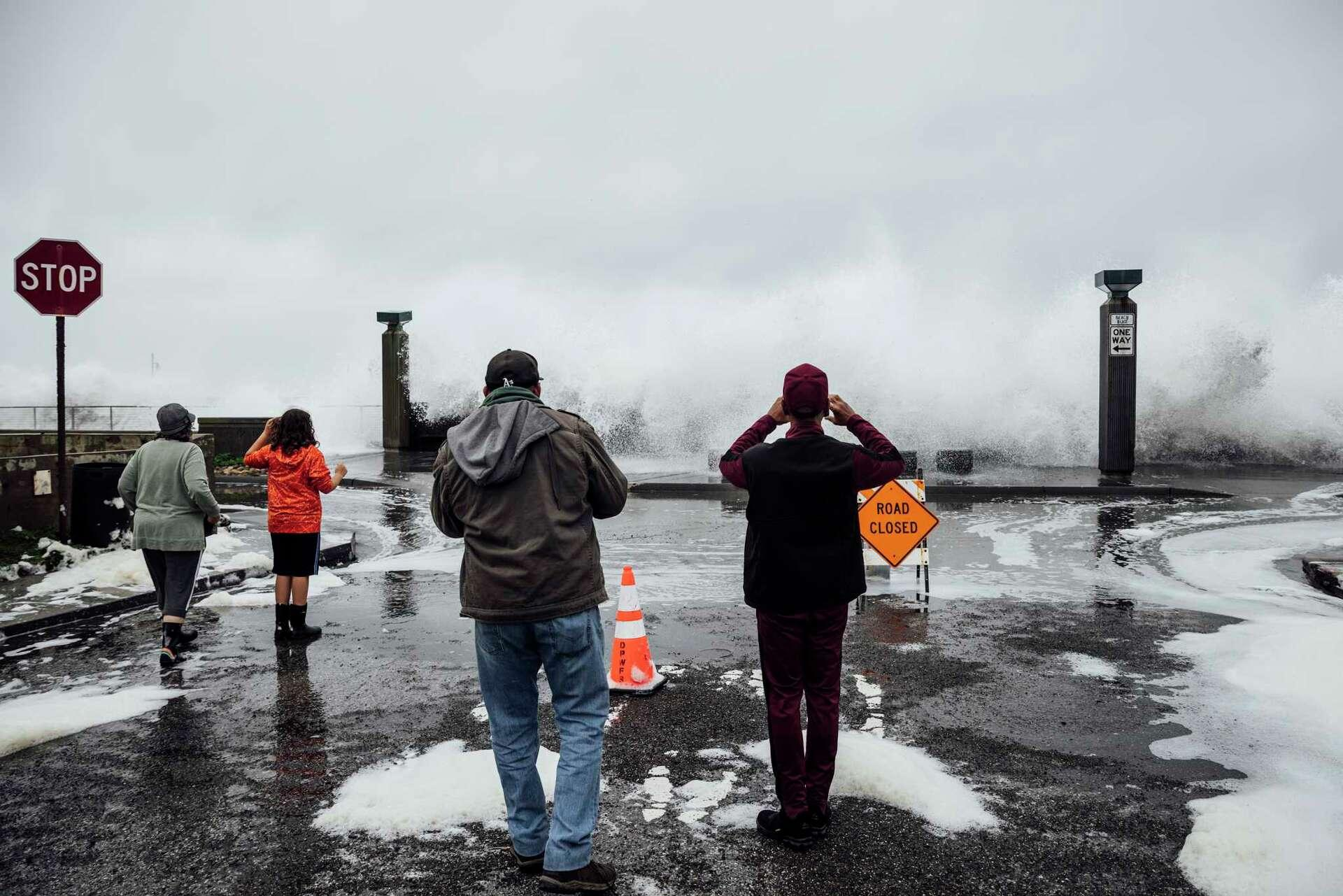
The San Francisco Chronicle reported offshore wave measurements reaching approximately 18 to 24 feet, with larger breaking waves expected along exposed sections of the coastline. Flooding disrupted transportation routes, damaged properties and led to temporary restrictions across affected communities.
For Pacifica Pier, these conditions were particularly significant because the structure had already experienced deterioration. Repeated wave impacts can place tremendous stress on weakened supports, potentially causing a localized structural failure that affects adjoining sections.
One of the most significant documents concerning the pier's condition predates Wednesday's disaster by several months.
A U.S. Coast Guard maritime safety notice dated September 9, 2026, recorded that the City of Pacifica had indefinitely closed the municipal pier following structural damage involving its landward connection and an adjoining section.
The notice identified falling material and debris entering the ocean as hazards to navigation. Boaters and members of the public were advised to remain clear of the damaged structure. The restrictions had been effective since July 31.
The document demonstrates that serious structural problems were already recognized before November's unusually powerful waves arrived. It also establishes that authorities considered the damaged infrastructure a potential hazard to people operating in the surrounding waters.
The subsequent collapse therefore occurred against a documented history of deterioration and safety restrictions. Understanding that history is essential when assessing other proposed explanations for the disaster.
 Another potential factor in the failure of coastal infrastructure is the gradual removal of sediment around submerged foundations. Engineers refer to this process as scour, which can occur when moving water transports sand and other material away from structural supports.
During ordinary conditions, changes in sediment distribution may develop slowly. Exceptionally strong waves and currents can accelerate the process, potentially altering the conditions surrounding a foundation.
Depending on the design of a marine structure, significant erosion around its supports may affect stability. If the structure has already experienced corrosion, cracking or other deterioration, additional environmental stresses can become particularly important.
However, underwater erosion must be established through physical measurements rather than inferred solely from the appearance of a collapsed structure. A detailed examination would need to distinguish between changes that occurred before the collapse and those caused by the collapse itself.
The possible contribution of seabed erosion remains a reasonable engineering question, separate from allegations involving unidentified submarines or deliberate underwater interference.
California lies within one of the world's most extensively studied regions of geological activity. Movement between major tectonic plates produces earthquakes, while coastal erosion and sediment movement continually reshape portions of its marine environment.
Because of this geological setting, unusual vibrations recorded near the California coastline can attract considerable public attention. Nevertheless, seismic activity and structural failure are not necessarily connected simply because they occur within the same geographical region.
Establishing that an earthquake contributed to the destruction of Pacifica Pier would require records identifying relevant ground movement and demonstrating that the movement was sufficient to affect the structure.
An engineering assessment would also need to consider the pier's earlier condition and the extraordinary wave impacts documented during Wednesday's collapse.
The discovery of unusual acoustic activity would represent only the beginning of an investigation, rather than proof of responsibility for a structural collapse. Establishing a connection between underwater vessels and damaged infrastructure would require several independent categories of evidence.
Scientific recordings would need to establish that unusual activity occurred. Authenticated maritime records would need to support the identification of its source. Structural engineers would then need to determine whether the activity was physically connected to the damage.
Until credible records establish otherwise, submarine involvement remains a separate allegation rather than a documented finding concerning Pacifica Pier.
The pier's destruction was among the most visible consequences of a broader coastal emergency. High water and powerful surf affected communities across Northern California, damaging roads, threatening homes and prompting local authorities to issue safety restrictions.
KQED reported that flooding disrupted parts of the North Bay and San Francisco Peninsula ahead of Thanksgiving. In Pacifica, the city's waterfront was exposed to unusually severe ocean conditions that extended well beyond the immediate vicinity of the pier.
The geographical extent of the flooding is particularly relevant when examining possible explanations for the collapse. Numerous communities were affected by the same broad environmental conditions, even where no comparable underwater infrastructure was located.
The Guardian also reported that unusually high Pacific water levels, intensified by a powerful El Niño, contributed to flooding along the California coast.
The destruction of the offshore section leaves Pacifica facing difficult decisions about the future of one of its most important landmarks. Repairing an aging marine structure requires more than replacing the portion that has disappeared into the ocean.
Engineers would need to evaluate whether the surviving sections remain stable, whether submerged foundations have sustained additional damage and whether continued exposure to large waves could cause further deterioration.
The financial implications could also be substantial. Marine construction involves specialized equipment, regulatory requirements and difficult environmental conditions. Any decision to rebuild would need to consider the long-term viability of maintaining the pier at its existing location.
For residents who have spent decades visiting the structure, its partial destruction represents the loss of an important community gathering place. For local authorities, it presents a broader challenge involving coastal protection, infrastructure investment and public safety.
The destruction of Pacifica Pier highlights the complex relationship between environmental forces above the ocean surface and physical processes occurring beneath it. Powerful waves can generate ground vibrations, transport sediment and impose substantial stresses on deteriorating marine structures.
Those processes offer several scientifically plausible explanations for unusual activity that could accompany a major coastal emergency. However, determining whether a particular signal was recorded before Wednesday's collapse would require authentic seismic or underwater acoustic data.
What is documented is a sequence of structural damage, an extended public closure, federal navigation warnings and an exceptionally powerful coastal event. Together, these facts provide a substantial foundation for understanding why the historic pier became vulnerable to collapse.
As Pacifica begins assessing the damage, further structural examinations and underwater surveys could help determine how the remaining foundations responded to Wednesday's extraordinary conditions. Those findings may ultimately reveal whether submerged deterioration played a greater role in the destruction than was visible from shore.
Comments (0)
Loading comments...
May You Like

THANKSGIVING CRISIS: NYC PARADE POSTPONED AFTER FBI WARNING—$900 MILLION LOST!

IOWA NIGHTMARE: SECOND ARMY BLAST, 10,000 EVACUATED, 201+ HOSPITALIZED!











Popular Posts



