
POPE FRANCIS' OMINOUS 2027 PROPHECY—FIRST SIGN APPEARS ABOVE CHRIST THE REDEEMER!
VATICAN CITY — November 26, 2026 — As the Catholic Church prepares for an international gathering in 2027, renewed attention is turning to the messages Pope Francis delivered during the final years of his pontificate, particularly his reflections on the future of humanity, international conflicts and the spiritual responsibilities of the next generation.
Among the most significant developments is the opening of registration for World Youth Day in Seoul, South Korea, an event originally announced by Francis in August 2023. His successor, Pope Leo XIV, formally invited young Catholics worldwide to participate on October 22, 2026, continuing an initiative that Francis had placed at the center of his vision for the Church's future.
The Vatican has confirmed that the international gathering will take place from August 3 to 8, 2027. Its preparations have renewed the relevance of Francis' teachings about hope, reconciliation and the interpretation of significant events during periods of global uncertainty.
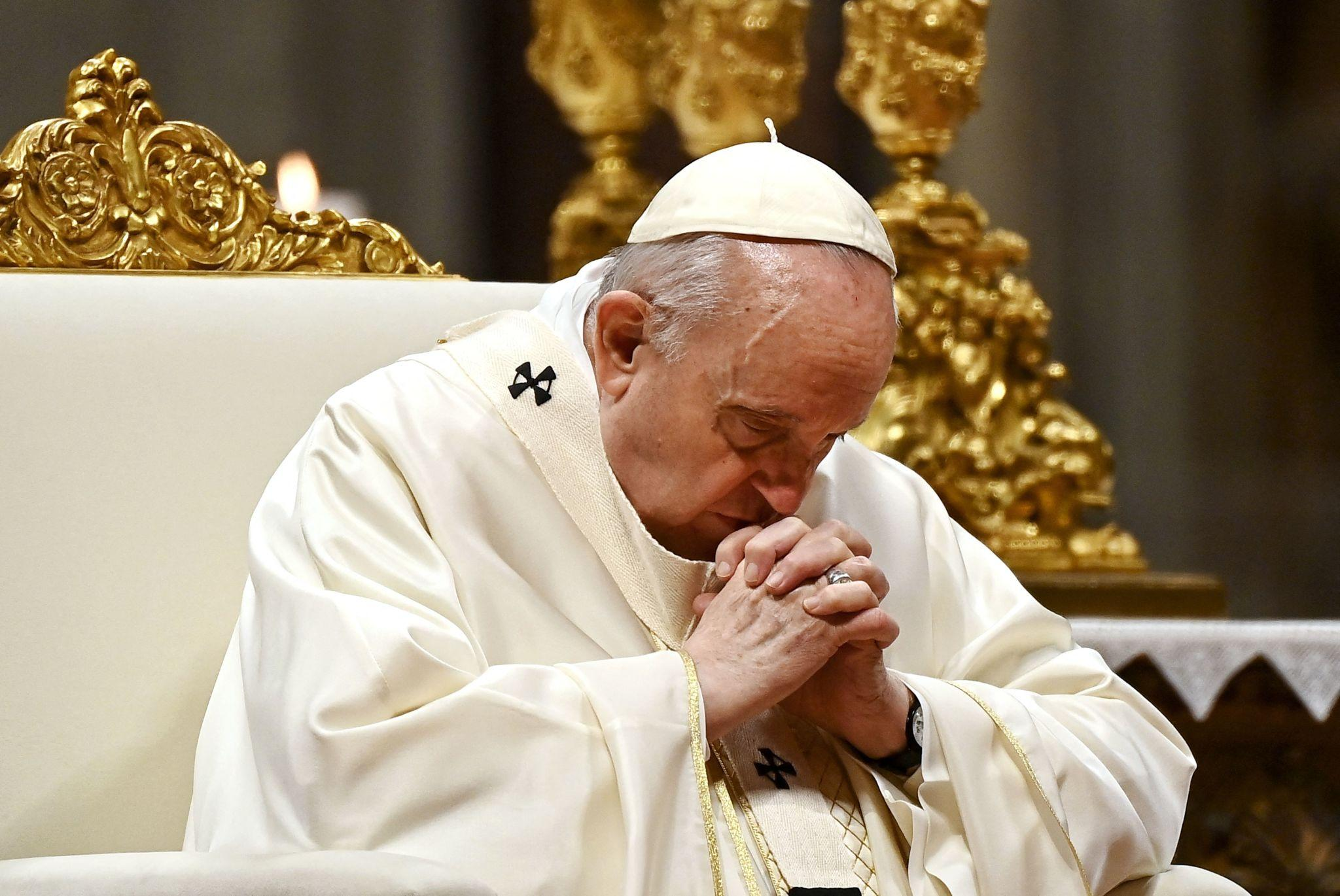
Throughout his pontificate, Francis repeatedly encouraged Catholics to examine developments in the modern world through the teachings of the Gospel. His reflections addressed subjects extending beyond traditional religious ceremonies, including international warfare, environmental destruction, economic inequality and the growing uncertainty experienced by younger generations.
In May 2024, Francis published Spes non confundit, the official document announcing the Catholic Church's 2025 Jubilee. Within that text, he devoted particular attention to what he described as signs of hope, encouraging believers to recognize opportunities for renewal even when surrounded by suffering and conflict.
One passage contains a particularly important statement about how Christians should interpret events unfolding around them.
“The first sign of hope should be the desire for peace in our world,” Francis wrote.
The wording provides an important distinction between a religious prediction and a spiritual interpretation of contemporary events. Rather than identifying a predetermined catastrophe, Francis encouraged humanity to recognize the consequences of its decisions and consider how those decisions could shape the future.
His approach placed responsibility on individuals, communities and governments rather than presenting the future as an unavoidable sequence of disasters.
Francis' identification of peace as the first sign of hope came during a period marked by serious international conflict. The war in Ukraine, violence in the Middle East and instability in other regions had already demonstrated how rapidly political disputes could develop into humanitarian emergencies.
For Francis, the significance of these developments extended beyond their immediate political consequences. They raised questions about whether humanity was learning from previous generations or continuing patterns of violence that had repeatedly produced suffering.
Under that interpretation, a genuine movement toward reconciliation could carry greater religious significance than another outbreak of warfare. Communities choosing dialogue, governments pursuing peaceful settlements and individuals assisting those affected by conflict would represent practical expressions of the principles Francis promoted.
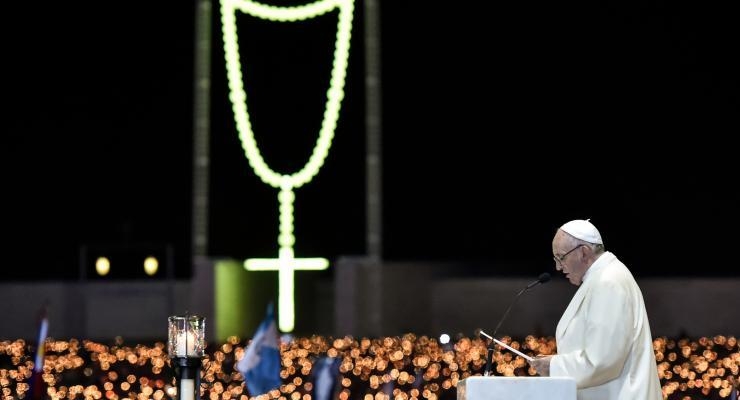
One of the most relevant connections between Francis' teachings and the year 2027 can be found in an address delivered on September 16, 2023, to pilgrims from South Korea.
During the meeting, the pope reflected on the life of Saint Andrew Kim, a Korean Catholic martyr who lived during a period of significant political and social upheaval. Francis emphasized the saint's dedication to reconciliation and his willingness to promote peace despite the violence surrounding him.
Francis described that example as “a prophecy for the Korean Peninsula and for the whole world.”
The reference was particularly meaningful because he had already announced that Seoul would host the next international World Youth Day in 2027. His address encouraged the Korean Catholic community to prepare for the gathering by strengthening its commitment to reconciliation and spiritual development.
The prophecy mentioned in that speech concerned the possibility of building a future founded on peaceful relationships. Its religious significance was connected to the example of Saint Andrew Kim rather than a chronological prediction identifying three supernatural events.
Nevertheless, the combination of the word prophecy and a confirmed international gathering in 2027 provides a compelling historical connection between Francis' spiritual message and the preparations now underway.
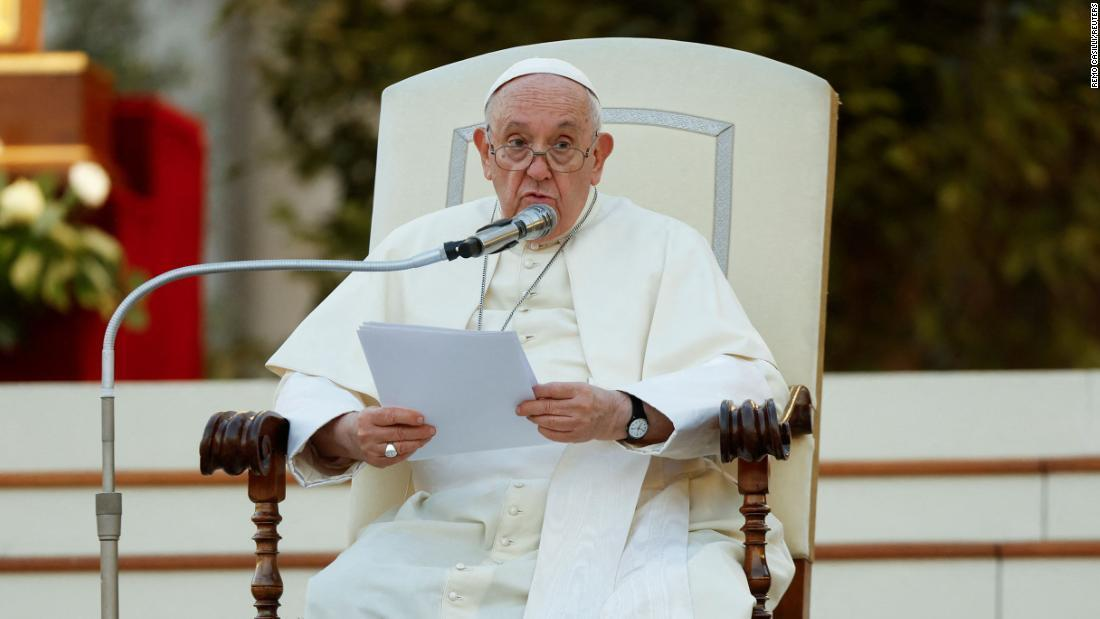 Another major theme in Francis' teachings concerned humanity's relationship with the environment. In October 2023, he published Laudate Deum, an apostolic exhortation addressing the global climate crisis and the consequences of environmental degradation.
His observations have particular relevance whenever unusual environmental phenomena attract widespread attention. Flooding, wildfires, extraordinary weather patterns and other natural events can generate both scientific questions and religious interpretations.
Francis generally approached environmental problems through the concept of human responsibility. His writings encouraged changes in behavior, cooperation between nations and greater protection for vulnerable populations affected by environmental conditions.
Consequently, an unusual natural phenomenon could be regarded by believers as an opportunity for reflection without establishing that Francis predicted its precise occurrence or timing.
Throughout history, extraordinary natural events have attracted religious interpretations. Eclipses, unusual atmospheric conditions, unexpected celestial observations and dramatic changes in weather have frequently prompted discussions about whether such occurrences possess significance beyond their physical explanations.
Modern scientific knowledge has made it possible to explain many phenomena that earlier generations regarded as mysterious. Astronomers can calculate eclipses years in advance, while meteorologists can identify atmospheric conditions capable of producing unusual appearances in the sky.
The question relevant to Francis' teachings is whether a particular phenomenon encourages constructive reflection or instead creates unnecessary fear. His writings repeatedly placed emphasis on responding to suffering through compassion, responsibility and hope.
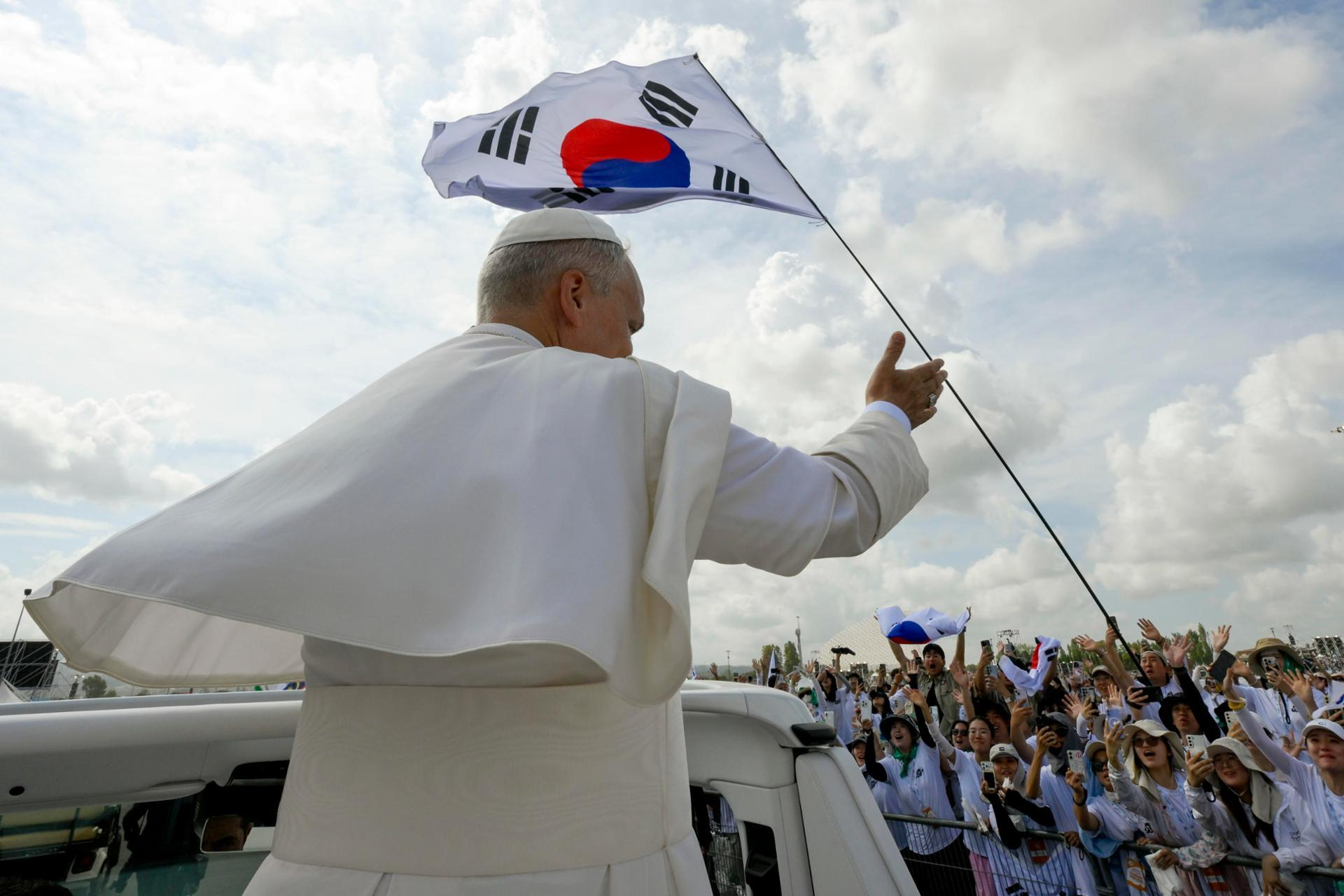
Among the clearest elements of Francis' future-oriented message was his commitment to younger Catholics. He viewed international gatherings such as World Youth Day as opportunities for young people to develop relationships across national and cultural boundaries.
On August 6, 2023, during the conclusion of World Youth Day in Lisbon, Portugal, Francis publicly announced Seoul as the location of the next international gathering. He presented the movement from Europe to East Asia as an expression of the Church's global character and its commitment to unity.
The announcement provided a concrete connection between his pontificate and the year 2027. Unlike an interpretation based on an unexplained phenomenon, it established a documented event with a clear destination and religious purpose.
The choice of South Korea also carries historical significance. The country has a Catholic community shaped by a distinctive history of missionary activity, religious persecution and social transformation. Its position on a divided peninsula gives messages of reconciliation additional relevance.
For Francis, the gathering represented an opportunity to promote dialogue and spiritual development among younger generations at a time when many societies face increasing political and cultural divisions.
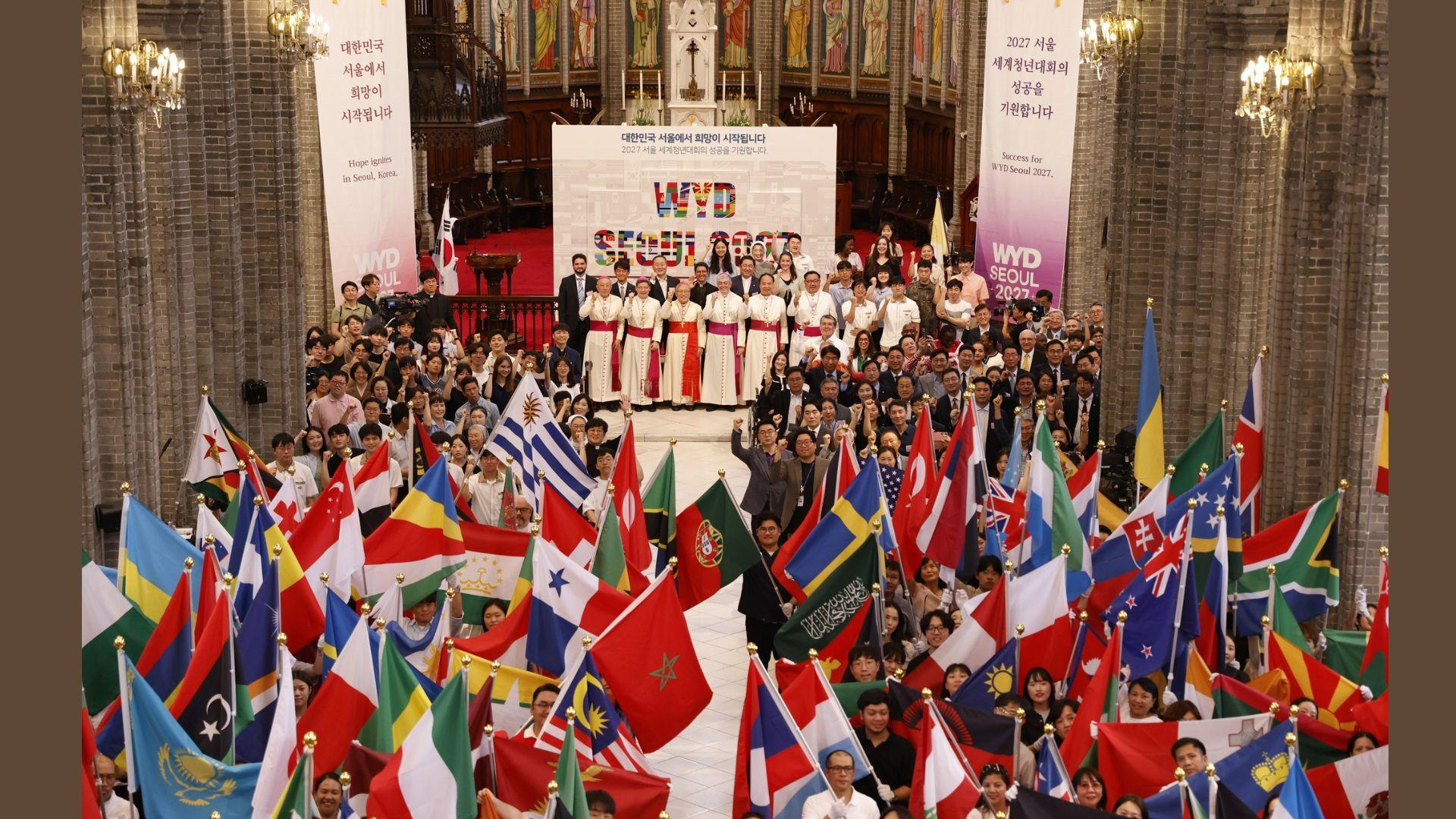
Following Francis' death in April 2025, Pope Leo XIV continued preparations for the international gathering. During the Jubilee of Youth in August 2025, Leo reaffirmed the invitation originally extended by his predecessor and confirmed the dates of the Seoul event.
The theme selected for the 2027 gathering comes from the Gospel of John: “Take courage! I have overcome the world.”
The reference places emphasis on overcoming fear through faith. It also continues Francis' broader effort to encourage younger generations to confront instability and uncertainty without surrendering to despair.
The preparations demonstrate that a significant part of Francis' vision for 2027 is already taking shape through a planned religious gathering under his successor.
The interpretation depends largely on what is meant by a sign. Within the framework of Francis' published teachings, developments that encourage peace, reconciliation and renewed spiritual commitment can be understood as expressions of hope.
The opening of preparations for World Youth Day represents a positive development connected directly to Francis' documented plans. At the same time, the international conflicts and environmental concerns addressed during his pontificate remain important subjects for religious reflection.
Francis' teachings repeatedly emphasized that religious faith should encourage constructive participation in the world rather than withdrawal from it.
The Seoul gathering is scheduled to bring together young Catholics from numerous countries for religious ceremonies, educational activities and opportunities for international交流. Its significance extends beyond the number of people expected to attend.
The event will offer Leo XIV an opportunity to develop his approach to youth engagement while continuing commitments established under Francis. It may also provide a platform for discussions concerning reconciliation, religious identity and the challenges facing younger generations.
In a message published by the Vatican in November 2026, Leo acknowledged concerns experienced by young people, including anxiety about the future and pressures created by unrealistic expectations and social comparisons. He encouraged them to find courage through their faith as preparations for Seoul continue.
When Francis' public documents are examined together, three prominent themes become apparent. His Jubilee document identifies the desire for peace as a sign of hope. His environmental teachings warn about the consequences of neglecting the natural world. His announcement of World Youth Day in Seoul establishes a concrete commitment to spiritual renewal in 2027.
These themes provide a meaningful framework for understanding his vision of the future. They originate from separate documents and addresses rather than a single prophecy predicting three events in a specific order.
The distinction is particularly important when interpreting claims that one of three supernatural signs has already appeared. A religious teaching can remain relevant when later events resemble the circumstances it describes, but that resemblance does not establish that the event was predicted in advance.
The documented connection between Francis and 2027 is nevertheless substantial. His announcement in Lisbon initiated preparations for a gathering that his successor is now overseeing, ensuring that an important element of his religious legacy continues beyond his lifetime.
The Vatican's preparations for Seoul provide a tangible continuation of the vision Francis presented during the final years of his pontificate. His messages on peace, environmental responsibility and spiritual hope remain central to understanding what he believed humanity needed to confront an uncertain future.
Rather than identifying a fixed date for disaster, those teachings placed emphasis on decisions that individuals and societies can make before their problems become irreversible. Their continuing significance will depend on how those principles are applied to the challenges facing communities across the world.
Comments (0)
Loading comments...
May You Like

CARIBBEAN PRINCESS: 5,000+ ABOARD, UNKNOWN VIRUS—CHINESE PASSENGER IS FIRST KNOWN CASE!
IOWA MILITARY DISASTER: 5 TONS OF SUSPECTED BIOWEAPON WASTE LEAK—300+ HOSPITALIZED, 20 CRITICAL!

IOWA NIGHTMARE: SECOND ARMY BLAST, 10,000 EVACUATED, 201+ HOSPITALIZED!










Popular Posts



