
PRINCESS CRUISES: 400 NEW MYSTERY VIRUS CASES ABOARD CARIBBEAN PRINCESS!
FORT LAUDERDALE, Florida — November 24, 2026 — The Caribbean Princess returned to Port Everglades on Monday following a 12-day voyage through the Caribbean and Panama Canal during which nearly 150 passengers and crew members reported gastrointestinal illness, prompting federal health officials to investigate the source of the outbreak and monitor the vessel's sanitation procedures.
The Princess Cruises ship departed South Florida on November 11 carrying more than 4,000 passengers and employees. Four days later, the outbreak was reported to the Centers for Disease Control and Prevention, following reports of vomiting and diarrhea among people aboard the vessel.
The incident has attracted particular attention because different versions of the CDC's published information provide different descriptions of the infectious agent responsible. While the original English-language incident report identifies the cause as unknown, the agency's outbreak registry and Portuguese-language incident page identify norovirus.
That discrepancy has raised questions about the timing of laboratory results, the updating of public health records and the information available to passengers during and after the voyage.
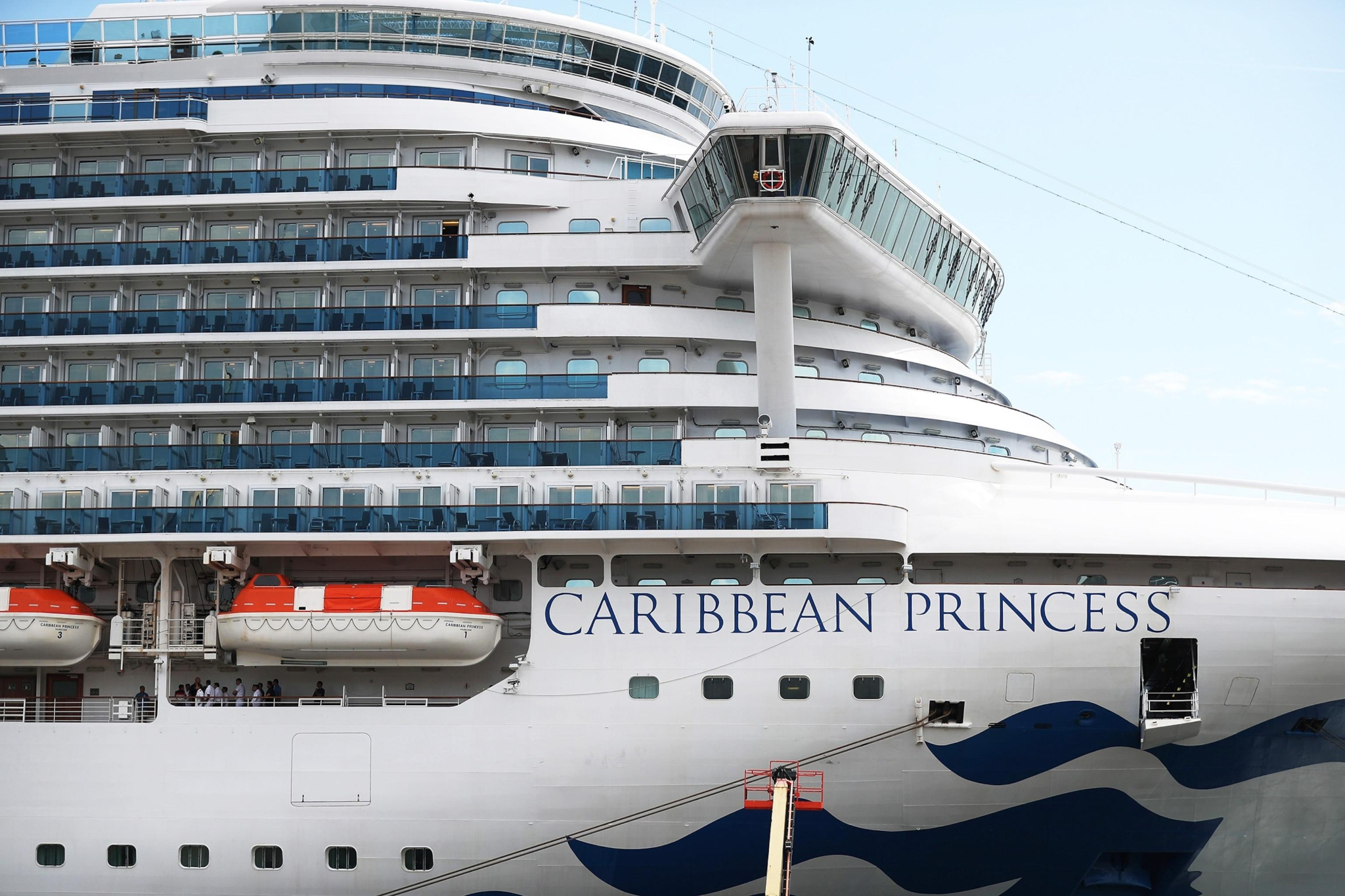
The Caribbean Princess departed Fort Lauderdale on what was intended to be a routine international cruise, with scheduled visits to destinations including Aruba, Colombia, Panama, Costa Rica and Grand Cayman. The itinerary offered passengers an opportunity to experience the Panama Canal while traveling through some of the region's most popular tourist destinations.
The emergence of gastrointestinal illness introduced a medical challenge into the journey. Unlike outbreaks occurring on land, infectious diseases aboard cruise ships must be managed within an environment where thousands of people share restaurants, entertainment facilities, transportation areas and accommodation spaces.
Passengers may also have limited access to medical facilities outside the vessel while traveling between destinations. Consequently, identifying an outbreak and implementing appropriate precautions become particularly important when symptoms begin appearing among multiple travelers.
Once the outbreak was reported, the CDC's Vessel Sanitation Program became involved in monitoring the situation. The voyage continued while cruise personnel introduced measures intended to reduce transmission and support passengers who had become ill.
According to federal records, the Caribbean Princess carried 2,936 passengers and 1,132 crew members during the November voyage. Among them, 134 passengers and 14 employees reported qualifying gastrointestinal symptoms.
The combined total of 148 reported illnesses represented approximately 3.6% of the vessel's 4,068 occupants. The reported illness rate among passengers was approximately 4.6%, compared with 1.2% among crew members.
These figures represent cumulative cases rather than the number of people experiencing symptoms simultaneously. Some patients may have recovered before the vessel returned to Florida, while others could have developed symptoms closer to the end of the journey.
Neither the published federal outbreak record nor the reporting reviewed establishes a death toll approaching 100, an additional 300 infections or the quarantine of 600 people.

One of the most important questions surrounding the Caribbean Princess outbreak concerns the terminology used by health authorities and news organizations.
Gastrointestinal illness describes a collection of symptoms affecting the digestive system rather than a specific infectious disease. Vomiting, diarrhea, abdominal discomfort and nausea can result from several different viruses, bacteria and other medical conditions.
The identification of a particular infectious agent therefore requires more information than the observation of common symptoms.
During the initial stages of an outbreak, investigators may have sufficient evidence to establish that an unusual number of people are becoming sick without knowing precisely which pathogen is responsible. Public health reporting can begin before the laboratory investigation is complete.
This approach allows sanitation measures and medical precautions to be introduced without delaying action until every diagnostic question has been resolved.
A comparison of the CDC's publicly available documents reveals an important development concerning the identity of the infectious agent.
The English-language incident page dated November 17 continues to list the causative agent as unknown. However, the agency's consolidated registry of cruise ship outbreaks identifies norovirus as the pathogen associated with the Caribbean Princess voyage. The Portuguese-language version of the incident page also lists norovirus.

For passengers seeking information about their possible exposure, consistency between official records remains important. Clear publication dates, laboratory updates and revised incident summaries could help travelers understand which information reflects the latest assessment.
Norovirus is a highly contagious virus associated with acute gastroenteritis. It affects people of different ages and can spread rapidly in environments where individuals share dining facilities, accommodation and other communal spaces.
Symptoms commonly include vomiting, diarrhea, nausea and abdominal cramps. Some individuals may also experience fever, headaches or body aches. The illness generally resolves within several days, although complications can develop in vulnerable patients.
One of the principal medical concerns is dehydration. Repeated episodes of vomiting and diarrhea can cause substantial losses of water and electrolytes, particularly among older adults, young children and people with underlying medical conditions.
For patients who cannot maintain adequate fluid intake, additional medical treatment may become necessary.
The presence of norovirus aboard a cruise ship does not necessarily indicate a failure of food safety procedures. The virus can also be introduced by infected individuals and spread through direct contact or contaminated surfaces.
Determining the original source of an outbreak requires a separate epidemiological investigation.
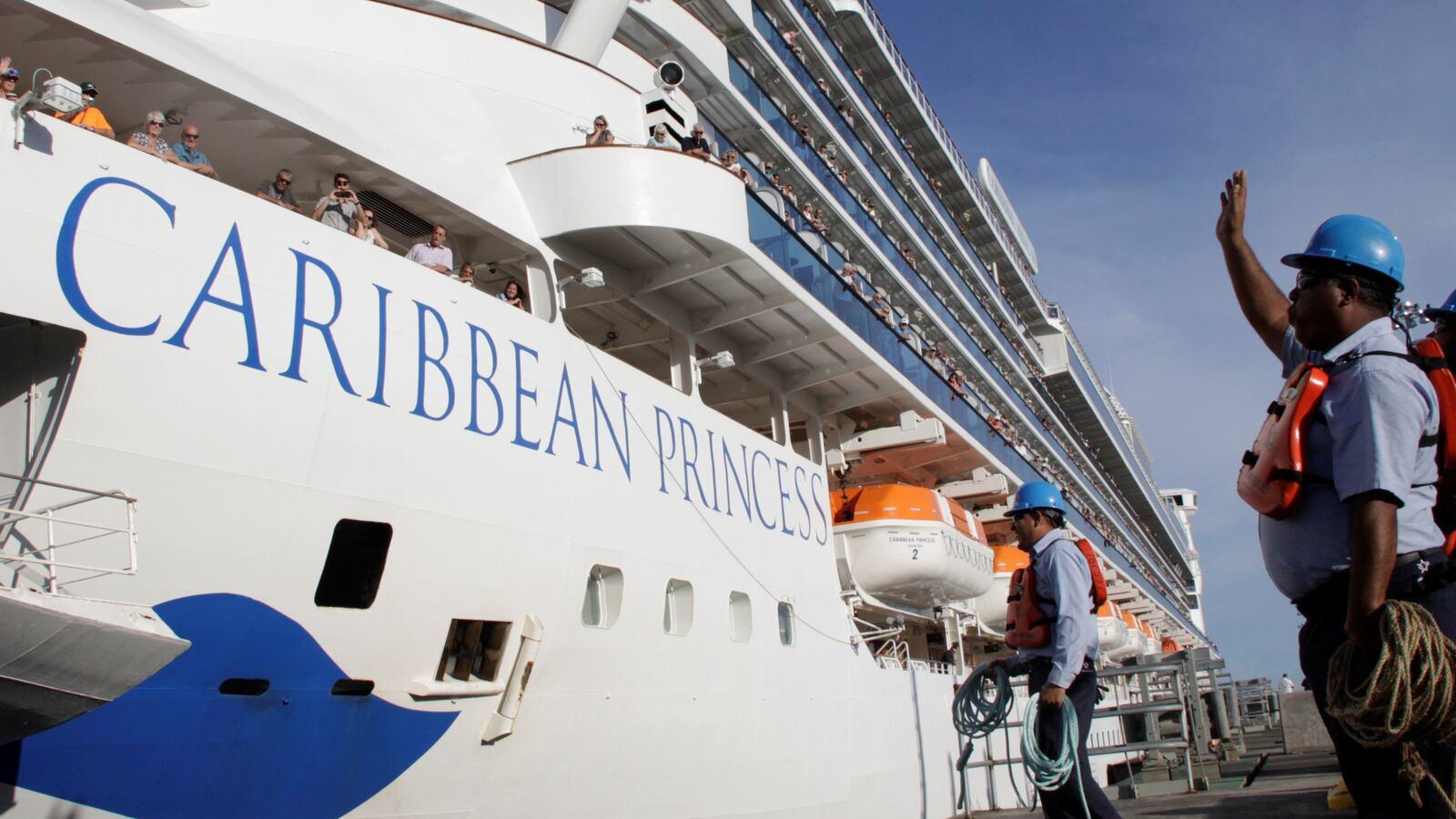
Passengers returning to South Florida described several changes to daily operations after the illness began spreading.
In interviews with WPLG Local 10, travelers reported that employees assumed greater responsibility for distributing plates, silverware and food in communal dining areas. Passengers also noticed more frequent cleaning of surfaces throughout the vessel.
NBC 6 South Florida reported that some travelers chose to eat in dining rooms rather than buffet areas after learning about the outbreak. Others increased the frequency of handwashing and followed onboard hygiene instructions.
The modified dining arrangements illustrate how operators may attempt to interrupt potential transmission pathways without suspending every activity aboard a vessel.
The possibility of additional illnesses developing after passengers returned home was raised by infectious disease specialists before the Caribbean Princess completed its voyage.
Dr. Aileen Marty of Florida International University explained to CBS News Miami that people exposed to an infectious agent could still be incubating the illness when they reached Fort Lauderdale.
The incubation period is particularly significant in international travel. Passengers may leave a vessel before experiencing symptoms, making it more difficult to connect subsequent illnesses to their original exposure.
For norovirus, symptoms commonly develop between 12 and 48 hours after exposure. A traveler who becomes infected near the end of a cruise could therefore feel well during disembarkation but become ill later.
Public health officials must distinguish between infections that can reasonably be connected to the voyage and unrelated illnesses occurring after travelers return home.
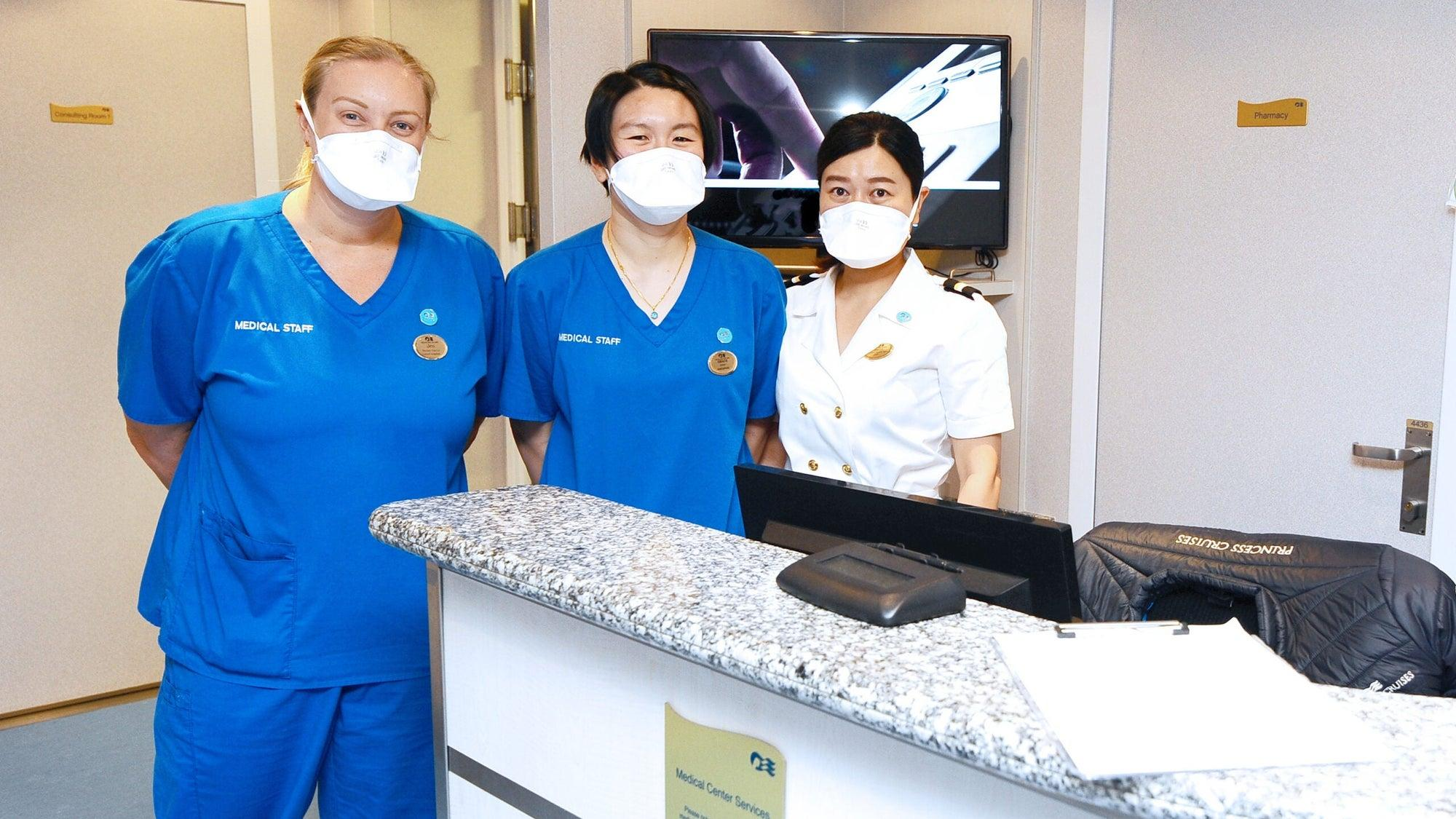
Medical facilities aboard cruise ships are intended to provide initial assessment and treatment for a range of conditions, including injuries, infections and unexpected medical emergencies.
During an infectious disease outbreak, these facilities may experience additional demand as multiple passengers seek assistance within a relatively short period. Medical teams must evaluate symptoms, determine the appropriate treatment and identify patients whose condition requires more advanced care.
The Caribbean Princess outbreak response included the collection of biological specimens and the separation of symptomatic individuals from other passengers and crew members.
The cruise line also consulted with federal authorities regarding sanitation practices and case reporting.
An outbreak involving numerous symptomatic individuals can place pressure on medical resources even when most patients recover without serious complications.
The terms isolation and quarantine are sometimes used interchangeably in public discussions, although they describe different disease control measures.
The documented Caribbean Princess response involved isolating sick passengers and employees. Cruise operations continued, and the vessel completed its scheduled return to Florida.
Understanding the distinction helps explain why a vessel can experience an outbreak while continuing parts of its itinerary. Public health measures may focus on symptomatic individuals and specific transmission risks rather than restricting every person aboard.
Federal records document another norovirus outbreak during a voyage that began on April 28 and concluded on May 11. The final assessment of that incident recorded 145 passenger illnesses and 15 crew illnesses, producing a combined total of 160 cases.
The earlier voyage therefore experienced slightly more documented illnesses than the November sailing.
Norovirus can be introduced independently by different travelers. Each outbreak requires its own investigation into potential exposure sources, transmission patterns and the effectiveness of control measures.
The previous incident nevertheless provides relevant historical context for evaluating the vessel's disease prevention procedures.
Princess Cruises announced that employees had introduced enhanced sanitation measures following the identification of the outbreak. The company described the reported illnesses among its guests as mild and said that most travelers remained unaffected.
Following the ship's arrival in Fort Lauderdale, the cruise line indicated that additional cleaning and disinfection would take place before its next scheduled departure.
The decision to prepare the vessel for another voyage brings attention to the procedures operators use when one group of passengers disembarks and another prepares to board.
Cleaning efforts must address potentially contaminated accommodation spaces, public restrooms, dining areas and other shared facilities. Disease prevention also depends on employee health monitoring and appropriate responses to newly reported symptoms.
Federal oversight provides an additional mechanism for evaluating sanitation practices and assisting operators in controlling outbreaks. The CDC's updated incident information describes its involvement in an environmental assessment and outbreak investigation.
A gastrointestinal outbreak involving nearly 100 fatalities would represent a substantially different public health emergency from the event documented aboard the Caribbean Princess.
Establishing such a mortality figure would require reliable medical and administrative documentation linking individual deaths to the voyage. Investigators would also need to determine whether the infectious agent directly caused those deaths or contributed to complications involving other health conditions.
Similarly, differences between government website entries concerning the identity of a pathogen do not independently establish that authorities concealed deaths or substantial numbers of infections.
The most significant documented discrepancy concerns the description of the causative agent. Some official records identify norovirus, while another continues to describe the pathogen as unknown.
Resolving that inconsistency would contribute more directly to understanding the outbreak than interpreting unsupported mortality figures.
For passengers, the important considerations include whether symptoms persist, whether additional illnesses develop and whether further medical attention becomes necessary after returning home.
For federal investigators, the longer-term questions concern the original source of infection, the effectiveness of the measures introduced aboard the vessel and the consistency of information supplied to the public.
The published records already provide an important answer to the question surrounding the virus's identity: norovirus is listed in the CDC's outbreak registry for the November voyage.
The discrepancy between that registry and the original incident notice illustrates why transparent and consistent public health reporting remains important. Travelers must be able to distinguish early assessments from later diagnostic findings, particularly when information concerns an exposure they may have experienced personally.
For Princess Cruises, preventing further transmission and protecting passengers on subsequent voyages remain central responsibilities. The continuing assessment of the Caribbean Princess outbreak may also provide lessons for the wider cruise industry as it confronts the recurring challenge of infectious disease at sea.
Comments (0)
Loading comments...
May You Like

10,000 CIA AND U.S. SPY RECORDS LEAKED—3 INTELLIGENCE AGENCIES ORDER EMERGENCY REVIEWS!

PUTIN RAISES LUKOIL DEAL WITH TRUMP’S ENVOYS AS UKRAINE PEACE TALKS CONTINUE

AMERICA'S LUCAS DRONE — A POTENTIAL GAME CHANGER IN THE SOUTH CHINA SEA?












