
PRINCESS CRUISES OUTBREAK LEAVES NEARLY 100 DEAD, 600 ISOLATED. WHAT DID THE HOSPITAL FIND?
Three Deaths, Hundreds Monitored: How Hospitals Uncovered a Hantavirus Outbreak Spanning 33 Countries
GENEVA — November 23, 2026 — An outbreak of severe respiratory illness aboard a cruise ship triggered an international health investigation after passengers fell critically ill and three people died. What initially appeared to be an unexplained medical emergency became a complex cross-border response involving hospitals, laboratories and health authorities in 33 countries and territories.
The outbreak was linked to the Dutch-flagged expedition ship MV Hondius. Investigators ultimately identified Andes hantavirus, a pathogen capable of causing serious respiratory disease.
More than 650 people who may have been exposed were identified and followed by public-health authorities.
The World Health Organization declared the outbreak over on July 2 after the final monitored contact completed quarantine, tested negative and returned home.
The episode raised important questions about how an infection spread among travelers, why early cases were difficult to recognize and what laboratory evidence revealed about the illness.
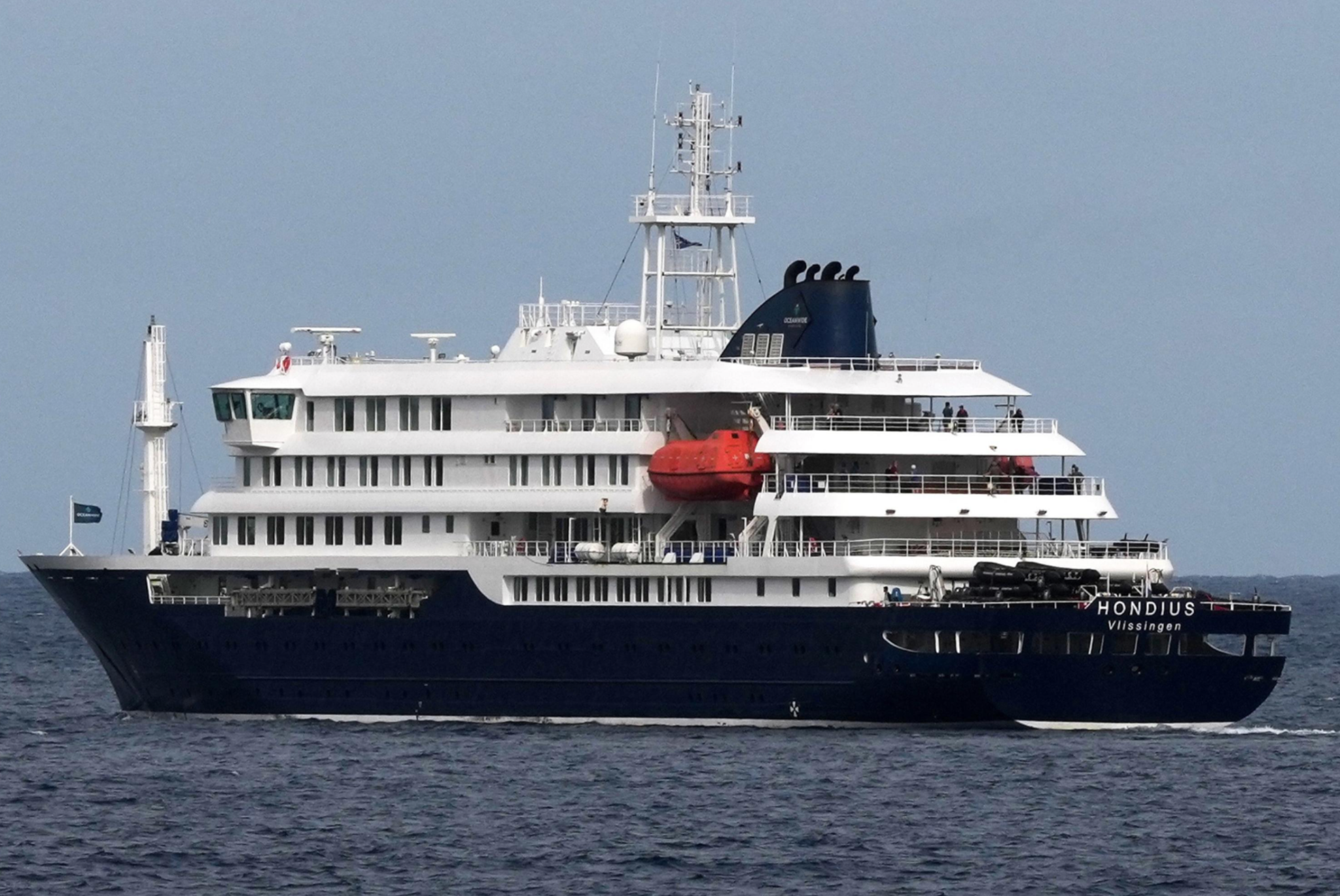
On May 2, 2026, the World Health Organization received a report from the United Kingdom concerning severe respiratory illness among people who had traveled aboard MV Hondius.
At the time, two people had died and another passenger was critically ill.
The cause had not yet been established.
The ship had traveled through multiple locations, creating a complicated investigation involving passengers and crew who were no longer together.
Some travelers had already disembarked.
Others had continued their journeys through international airports.
The situation required health authorities to reconstruct movements and identify potential exposures across several countries.
A medical problem that began aboard one vessel had become an international public-health concern.
The critical breakthrough came through laboratory testing.
Doctors treating severely ill passengers had to determine whether the respiratory symptoms were caused by a known infection.
According to WHO, laboratory testing identified Andes virus, a type of hantavirus.
The identification changed the investigation.
Health authorities could now focus on a specific pathogen rather than a broad category of unexplained respiratory illnesses.
By May 8, WHO reported eight confirmed or probable cases, including three deaths.
Six of the cases had been laboratory-confirmed at that point.
The findings gave investigators a clearer understanding of the illness while raising additional questions about transmission.
The challenge was no longer simply identifying the pathogen.
It was determining who might have been exposed and whether additional infections could occur.
Hantaviruses are a group of viruses generally associated with rodents.
Different hantaviruses can cause different forms of disease in humans.
Andes virus is particularly important because limited person-to-person transmission has been documented, unlike many other hantaviruses.
That characteristic makes close-contact investigations essential when an Andes virus infection is identified.
Health authorities must assess whether family members, caregivers or other close contacts were exposed.
The disease can begin with symptoms that resemble other infections.
Some patients later develop serious respiratory complications.
The severity of illness among the cruise ship passengers therefore required hospital care, laboratory confirmation and careful tracing of potential contacts.
The identification of Andes virus provided an explanation for the illness, but it did not immediately answer how every patient had become infected.
WHO's early investigation identified a passenger who had spent more than three months traveling in Argentina, Chile and Uruguay before boarding the ship.
The man boarded on April 1.
He developed symptoms on April 6 and died aboard the vessel on April 11.
Because microbiological testing was not performed, he was classified as a probable case.
His travel history was important because Andes virus is associated with parts of South America.
Investigators examined the timing of symptoms and possible exposures before and during the voyage.
However, a travel history alone cannot prove where an infection occurred.
The investigation needed to consider other patients, their movements and the intervals between illnesses.
Those details helped authorities assess possible chains of transmission.
Another passenger, a woman who had traveled with the first patient, became ill during the voyage.
She disembarked at Saint Helena on April 24 after experiencing gastrointestinal symptoms.
Her condition deteriorated during a flight to Johannesburg, South Africa, the following day.
She died at a Johannesburg clinic on April 26.
Laboratory testing subsequently confirmed hantavirus infection on May 4.
That result was a major development.
It provided direct evidence linking a severe illness to the pathogen.
It also connected the case to the earlier probable infection through close contact and shared travel.
Investigators could now examine the timing and circumstances of exposure more closely.
The result helped establish that the illnesses were part of a recognizable outbreak rather than unrelated medical emergencies.
A third passenger developed symptoms on April 24.
He was evacuated from Ascension Island on April 27 and admitted to intensive care in Johannesburg.
His hospitalization showed the severity of the illness among affected travelers.
It also demonstrated how the outbreak involved medical facilities across international borders.
Patients were being treated in different locations, while investigators needed to connect their clinical histories.
Hospitals played a central role in recognizing severe disease and collecting diagnostic samples.
Public-health authorities then used the findings to identify additional people who might require monitoring.
The investigation depended on coordination between clinicians, laboratories, ship operators and government agencies.
That cooperation became increasingly important as the number of identified contacts grew.
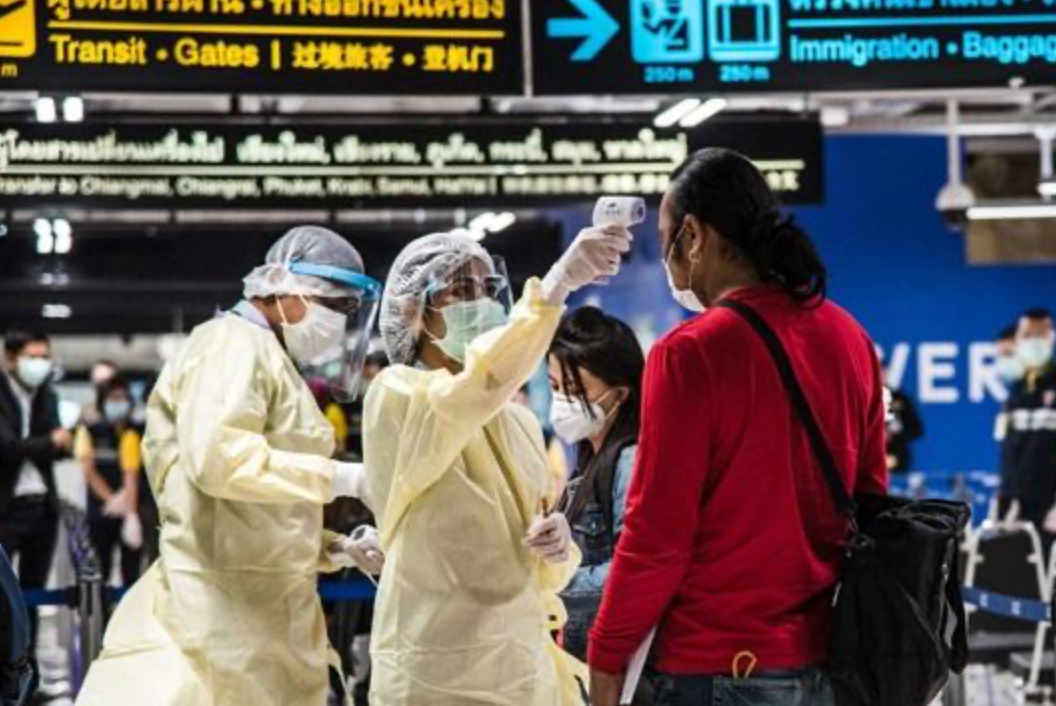
The number of people monitored grew because passengers and crew had traveled through multiple countries.
Some had left the ship before the outbreak was recognized.
Others had taken international flights.
Health authorities therefore needed to identify people who might have experienced relevant exposure.
By May 21, WHO reported that more than 600 contacts had been identified across at least 30 countries and territories.
Those individuals were under quarantine or health monitoring, depending on their circumstances.
The group included former passengers, crew members, airline travelers and people who had interacted with patients.
The number represented contacts requiring assessment, not 600 confirmed infections.
That distinction was central to the public-health response.
One of the most difficult parts of the investigation concerned travelers who had already disembarked.
WHO reported that 30 passengers left the ship between April 14 and April 27, before the outbreak was detected.
Another 146 passengers and crew disembarked in Cabo Verde, Tenerife and Rotterdam.
Their movements created a large tracing operation.
Health authorities had to determine where those individuals traveled and whether they had symptoms.
Some contacts were located through travel records.
Others required coordination among national public-health agencies.
The challenge was not simply counting people.
Investigators needed to assess exposure, identify symptoms and ensure that appropriate follow-up was completed.
The operation demonstrated how quickly an illness aboard a vessel can become an international investigation.
More than 100 passengers on two flights were identified as contacts of the second confirmed patient.
Those travelers were not automatically considered infected.
They were included because investigators needed to assess possible exposure during travel.
Air travel can create complex tracing requirements.
Passengers may disperse to different cities or countries shortly after landing.
Airlines, health authorities and international agencies may need to exchange information to locate them.
The investigation therefore extended beyond the ship itself.
Airport workers, healthcare personnel and other individuals who had interacted with affected travelers were also considered.
WHO coordinated information sharing under international public-health arrangements.
The goal was to identify potential cases before additional transmission could occur.
Quarantine and medical monitoring are related but different public-health measures.
Quarantine generally involves restricting movement after a possible exposure during a defined period.
Medical monitoring involves checking for symptoms and following instructions from health authorities.
Not everyone identified as a contact necessarily requires the same restrictions.
Officials assess factors such as the nature of exposure, the time since contact and the likelihood of infection.
During the MV Hondius investigation, WHO described more than 600 contacts as being under quarantine or health monitoring.
That wording is important.
It does not mean hundreds of people were hospitalized.
It also does not mean that every person had tested positive.
The measures were designed to identify additional infections and prevent further transmission.
Health authorities used a 42-day follow-up period for contacts associated with the outbreak.
The period reflected the need to monitor individuals long enough to identify possible illness after exposure.
A person who remained healthy throughout the required monitoring period could complete follow-up under the applicable public-health procedures.
The timeline also helped officials determine when the outbreak could be considered over.
Monitoring hundreds of people across many countries required accurate records and communication.
Authorities needed to know who had completed follow-up and whether any new cases had appeared.
That work continued after the last reported infection.
The absence of additional cases became an important part of the evidence supporting the decision to end the outbreak.
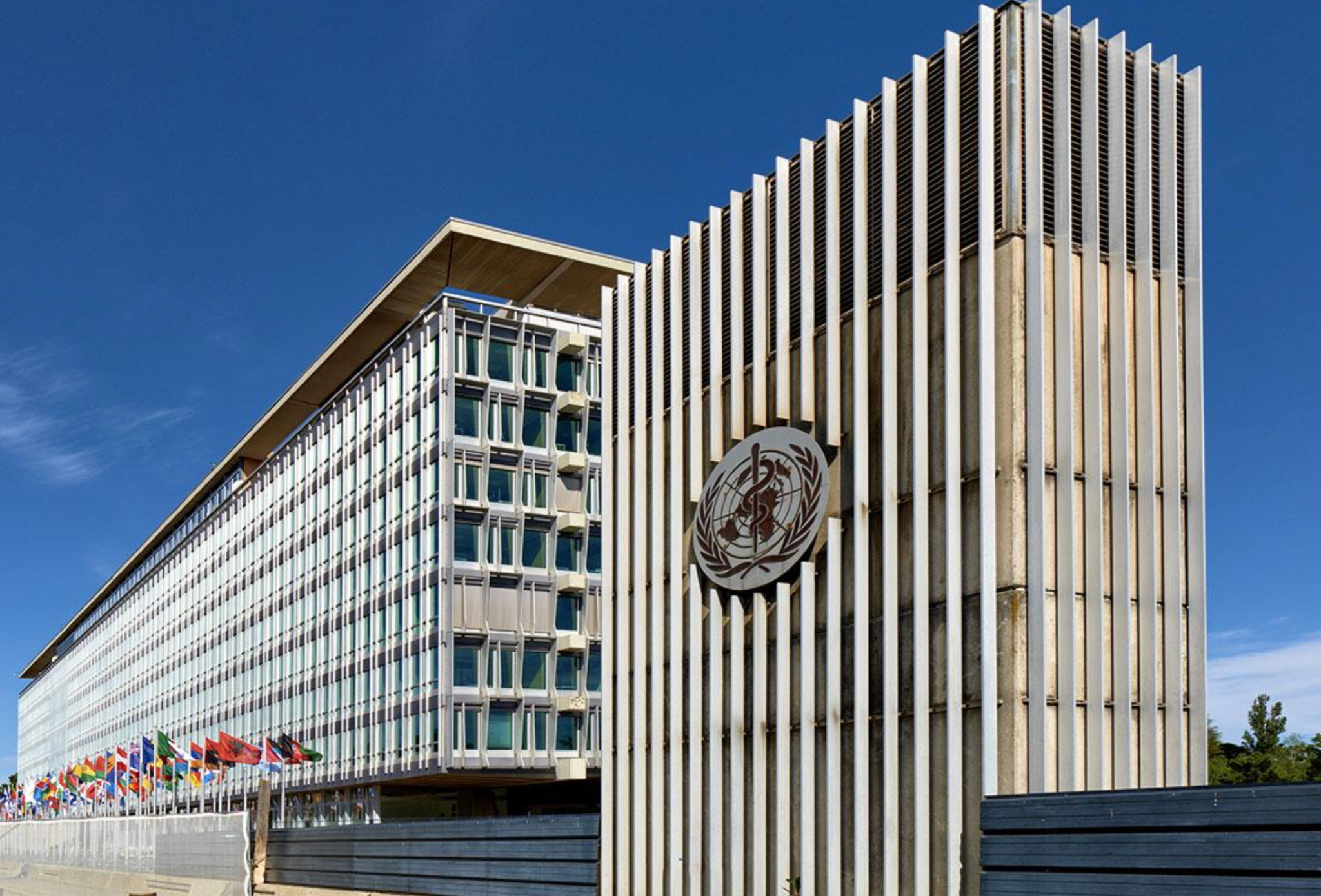
WHO coordinated with national governments and public-health agencies throughout the investigation.
The response involved several regions and numerous countries.
Authorities exchanged information about cases, laboratory findings and potential exposures.
The organization also provided technical guidance on diagnosis, patient management, infection prevention and environmental sampling.
Spain coordinated the disembarkation of passengers and crew in Tenerife.
The Netherlands worked with other countries on arrangements involving crew members who had returned home or required repatriation.
The international response also involved authorities in South Africa, where critically ill patients received hospital care.
WHO classified the event as a Grade 2 emergency on May 7.
The classification reflected the coordination required to manage the outbreak.
The MV Hondius was more than a location where several people became ill.
It was a shared environment connecting passengers and crew who had traveled together for an extended period.
Investigators needed to understand when each person boarded, when symptoms began and which individuals had close contact.
The ship's itinerary also helped authorities identify where passengers might have traveled after disembarking.
Environmental investigations were conducted to examine possible sources of exposure.
WHO reported that partners collected samples aboard the vessel.
Such investigations can help identify conditions that may have contributed to an outbreak.
However, laboratory confirmation of the virus does not automatically establish the precise source of every infection.
That requires separate epidemiological and environmental evidence.
The outbreak produced a striking contrast between the number of confirmed cases and the number of monitored contacts.
More than 650 people were eventually identified for follow-up.
Only 13 cases were recorded in the final outbreak count.
That difference demonstrates why contact-tracing figures should not be interpreted as infection totals.
A contact may have been near an infected person without becoming ill.
Monitoring allows health authorities to identify the smaller number of individuals who develop symptoms or test positive.
It also helps establish whether transmission is continuing.
In this investigation, the extensive tracing effort did not lead to hundreds of confirmed infections.
Instead, the final case count remained limited.
The international response was substantial because the consequences of missing additional cases could have been serious.
On July 2, WHO announced that the outbreak was over.
The final count was 13 cases, including three deaths.
More than 650 contacts had been identified and followed in 33 countries and territories.
No new cases had been reported since May 25.
The final contact completed quarantine, tested negative and returned home.
Those findings allowed WHO to conclude that the outbreak had ended.
The announcement did not mean every scientific question had been resolved.
Researchers still wanted to understand how the infection spread among travelers and what could be learned from the response.
But the immediate public-health emergency associated with the ship had concluded.
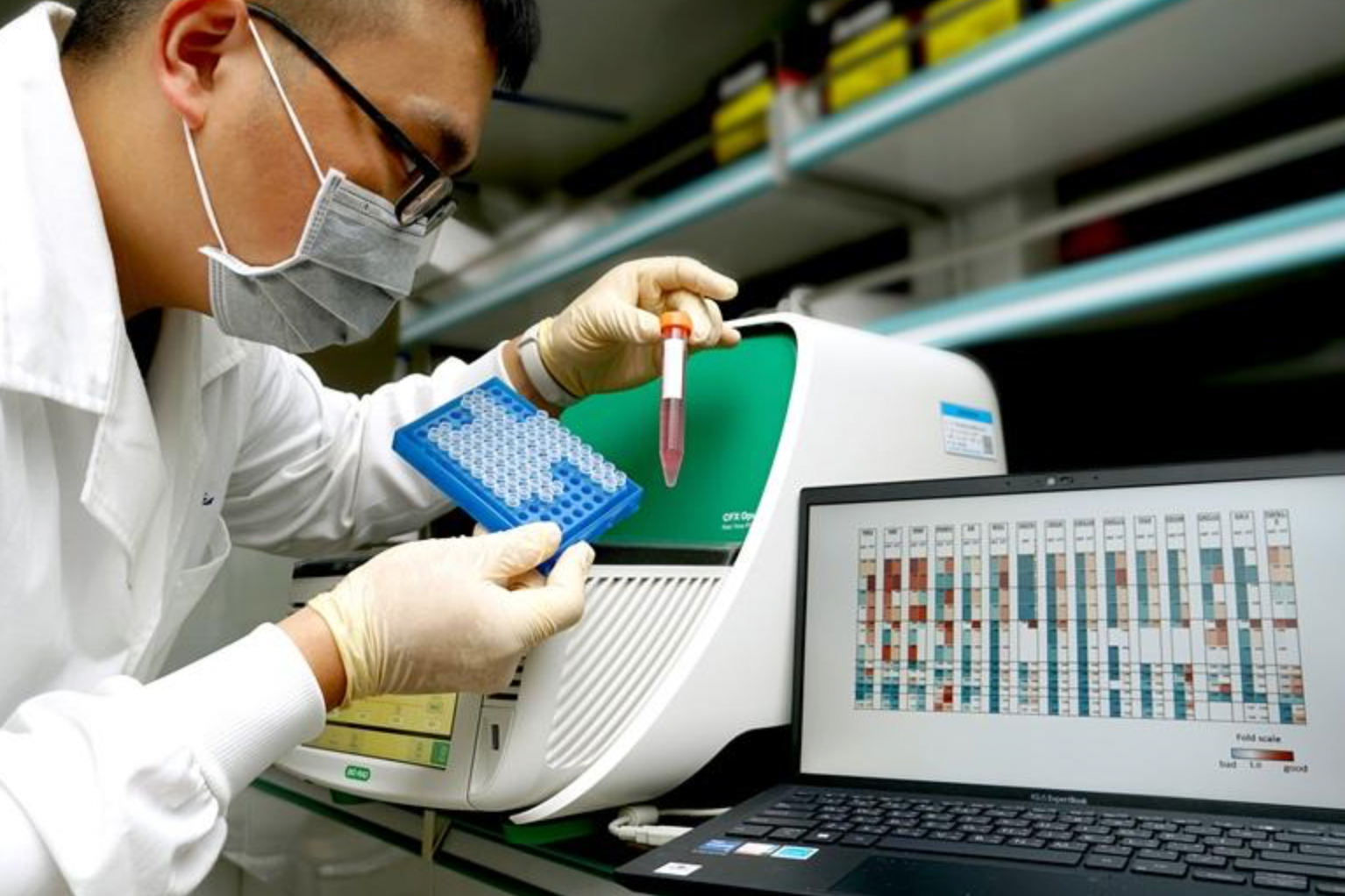
Medical records can help investigators reconstruct an outbreak.
They may document when symptoms began, how a patient's condition changed and which treatments were provided.
Laboratory reports can identify pathogens and distinguish infections from other possible causes.
Hospital admission and discharge dates can help establish the timing of illness.
When information from several patients is examined together, investigators can identify patterns.
In the MV Hondius outbreak, clinical histories and laboratory testing were essential to recognizing Andes hantavirus.
The public WHO reports described important findings, including the timing of illness and laboratory confirmation.
They did not constitute a release of confidential individual hospital files.
The evidence available to the public came through official epidemiological summaries.
The strongest medical finding was the identification of Andes virus.
WHO reported that confirmed cases were identified using virus-specific polymerase chain reaction testing or sequencing.
These techniques can detect genetic material associated with a pathogen.
That evidence helped distinguish hantavirus infection from other illnesses that may cause severe respiratory symptoms.
Laboratory confirmation also allowed investigators to classify cases more accurately.
The results supported the conclusion that the patients were affected by a common infectious threat.
However, detecting a virus does not independently reveal where a person acquired it.
That requires additional investigation involving travel history, exposure patterns and other evidence.
The laboratory results answered the question of what caused the illness while leaving some questions about transmission.
Severe infections can initially produce symptoms resembling more common illnesses.
Fever, gastrointestinal complaints and respiratory problems may occur with multiple diseases.
Doctors often begin by considering several possible causes.
The first probable case died before microbiological testing could establish a diagnosis.
The second patient's infection was confirmed only after her death.
These circumstances complicated early recognition.
By the time the outbreak was formally reported, passengers and crew had traveled to different locations.
That delay increased the complexity of contact tracing.
The case demonstrates the importance of connecting unusual clinical findings with travel histories and possible exposure to other patients.
Once the pathogen was identified, authorities could focus their response more precisely.
Severe hantavirus infection can involve serious respiratory complications.
Patients may require intensive monitoring and supportive treatment.
In the MV Hondius outbreak, one patient was evacuated from Ascension Island and hospitalized in intensive care in Johannesburg.
Such evacuations require coordination among medical teams, transport providers and receiving hospitals.
The objective is to provide appropriate care while managing infection-control risks.
Intensive care does not guarantee recovery, but it can support patients through life-threatening complications.
The need for specialized treatment was one reason the outbreak attracted international attention.
The hospital response also provided clinical information that helped public-health investigators understand the illness.
The three deaths were part of a small but serious cluster.
By the end of the investigation, WHO had recorded 13 cases.
Three of those patients died.
That corresponds to approximately 23% of the identified cases.
However, a fatality proportion calculated from 13 cases should not be treated as a precise estimate of the risk for every person infected with Andes virus.
Small outbreaks can produce unstable percentages.
The patients' characteristics and severity of illness may also influence outcomes.
The final count demonstrates that the disease can be dangerous.
It does not support a claim that nearly 100 people died in this outbreak.
The actual number of recorded deaths was three.
WHO said it would continue working with governments and partners to understand the outbreak after the emergency ended.
The organization announced a study involving 21 countries.
The research was intended to improve understanding of how the disease develops.
It could also support work on diagnostics, treatments and vaccines.
Investigators continued examining the outbreak's epidemiological and environmental evidence.
The scientific questions extended beyond the immediate response.
Understanding the circumstances of exposure could help authorities recognize similar events more quickly.
Studying the clinical course of illness could also improve future care.
The investigation therefore remained scientifically important even after all identified contacts completed monitoring.
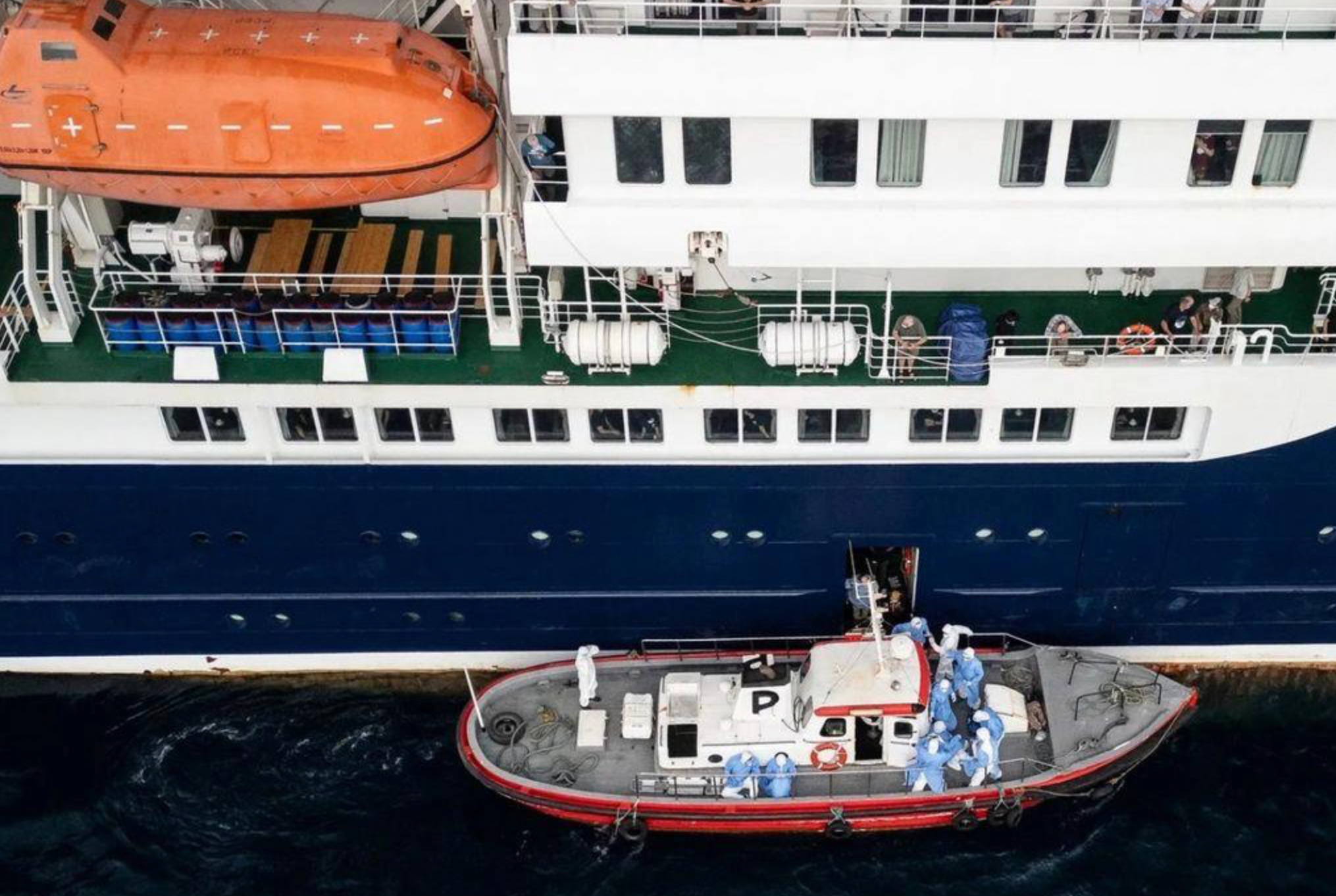
The MV Hondius outbreak demonstrated how international travel can complicate the investigation of an infectious disease.
Passengers and crew may begin a journey in one country, develop symptoms elsewhere and receive treatment in another.
By the time an outbreak is recognized, potential contacts may have dispersed across several continents.
Health authorities must then work across borders to reconstruct movements.
The investigation involved travelers, medical workers, port officials, airline passengers and other contacts.
More than 650 people were followed in 33 countries and territories.
That scale of coordination was unusual for an outbreak involving only 13 recorded cases.
It showed that the complexity of a response is not determined solely by the number of infections.
The outbreak required extensive use of the International Health Regulations, the framework through which countries coordinate responses to public-health threats.
WHO reported that more than 12 provisions of the regulations were activated by participating countries and the organization.
The rules support the exchange of information about potentially significant health events.
They also help authorities coordinate measures when an outbreak crosses borders.
In this case, countries needed to share information about travelers and their health status.
They also needed consistent guidance on follow-up and infection prevention.
Without international cooperation, identifying hundreds of contacts would have been more difficult.
WHO credited timely information exchange with supporting containment of the outbreak.
The event became an example of how a relatively small cluster can require a large international response.
The central findings are clear.
A cluster of severe respiratory illness occurred among people who traveled aboard MV Hondius.
Laboratory testing identified Andes hantavirus.
Thirteen cases were recorded, including three deaths.
More than 650 contacts were followed across 33 countries and territories.
No new cases were reported after May 25.
WHO declared the outbreak over on July 2.
These findings answer several of the most important questions raised by the early medical emergency.
They also establish the limits of the available evidence.
Nor were 600 people still under quarantine in November.
The figures describe an earlier international response that had already concluded.
The immediate outbreak has ended, but research continues.
WHO and participating countries have been studying the illness, possible transmission patterns and lessons from the response.
Future findings may help clinicians recognize similar infections earlier.
They may also improve the coordination of contact tracing across international borders.
The outbreak highlighted the value of laboratory testing and rapid communication among hospitals and public-health authorities.
For travelers, it demonstrated why unusual clusters of severe illness require careful investigation.
For health officials, it showed that identifying a pathogen is only the beginning.
The next task is determining who was exposed, whether transmission is continuing and when the emergency can safely be declared over.
The medical mystery aboard MV Hondius began with unexplained severe illness and deaths among travelers.
Hospitals and laboratories ultimately identified Andes hantavirus.
The finding triggered an international investigation involving more than 650 contacts.
Health authorities traced travelers across 33 countries and territories and monitored them for possible infection.
The response concluded without a continuing chain of reported cases.
Comments (0)
Loading comments...
May You Like

IOWA MILITARY DISASTER: 5 TONS OF SUSPECTED BIOWEAPON WASTE LEAK—301+ HOSPITALIZED, 20 CRITICAL!

IOWA MILITARY EMERGENCY: 51 TONS OF UNSTABLE SUSPECTED BIOWEAPON WASTE FOUND AFTER 5-TON BLAST!

PACIFICA PIER IN CALIFORNIA COLLAPSE REVEALS MASSIVE CRACK BENEATH THE OCEANs!












