
PUTIN RAISES LUKOIL DEAL WITH TRUMP’S ENVOYS AS UKRAINE PEACE TALKS CONTINUE
WASHINGTON — NOV 26, 2026 — A proposed change in ownership of a major Russian oil company’s overseas business has placed energy assets and American government investment at the center of a continuing debate over Ukraine.
The agreement brings together private investors and a US government development agency at a time when Washington and its allies are still using economic restrictions to pressure Moscow.
It also intersects with diplomatic contacts between American representatives and the Kremlin, raising questions about how commercial arrangements fit into efforts to end Russia’s war against Ukraine.
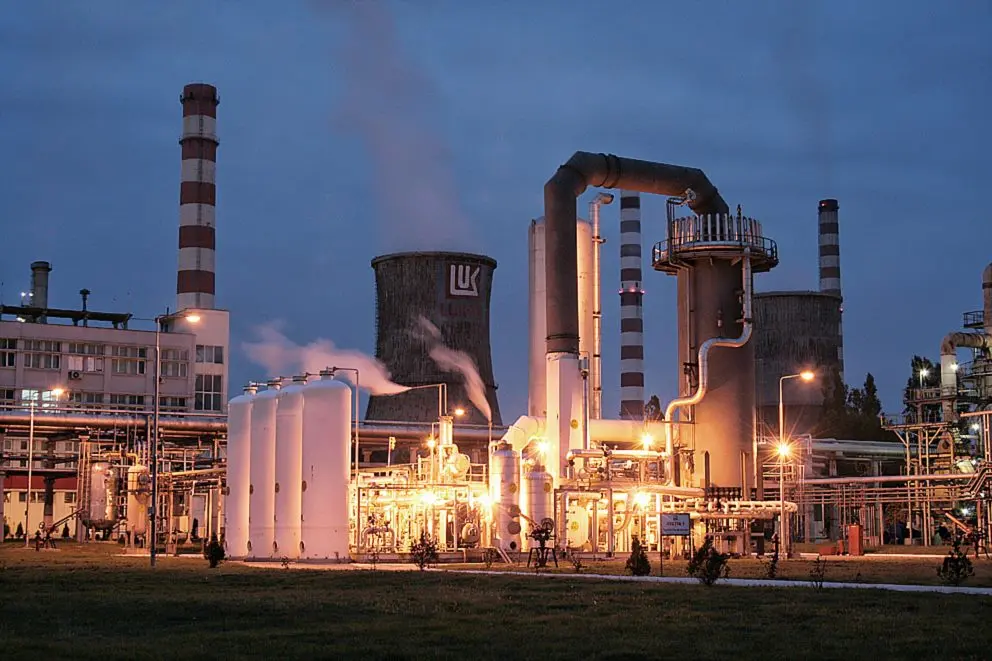
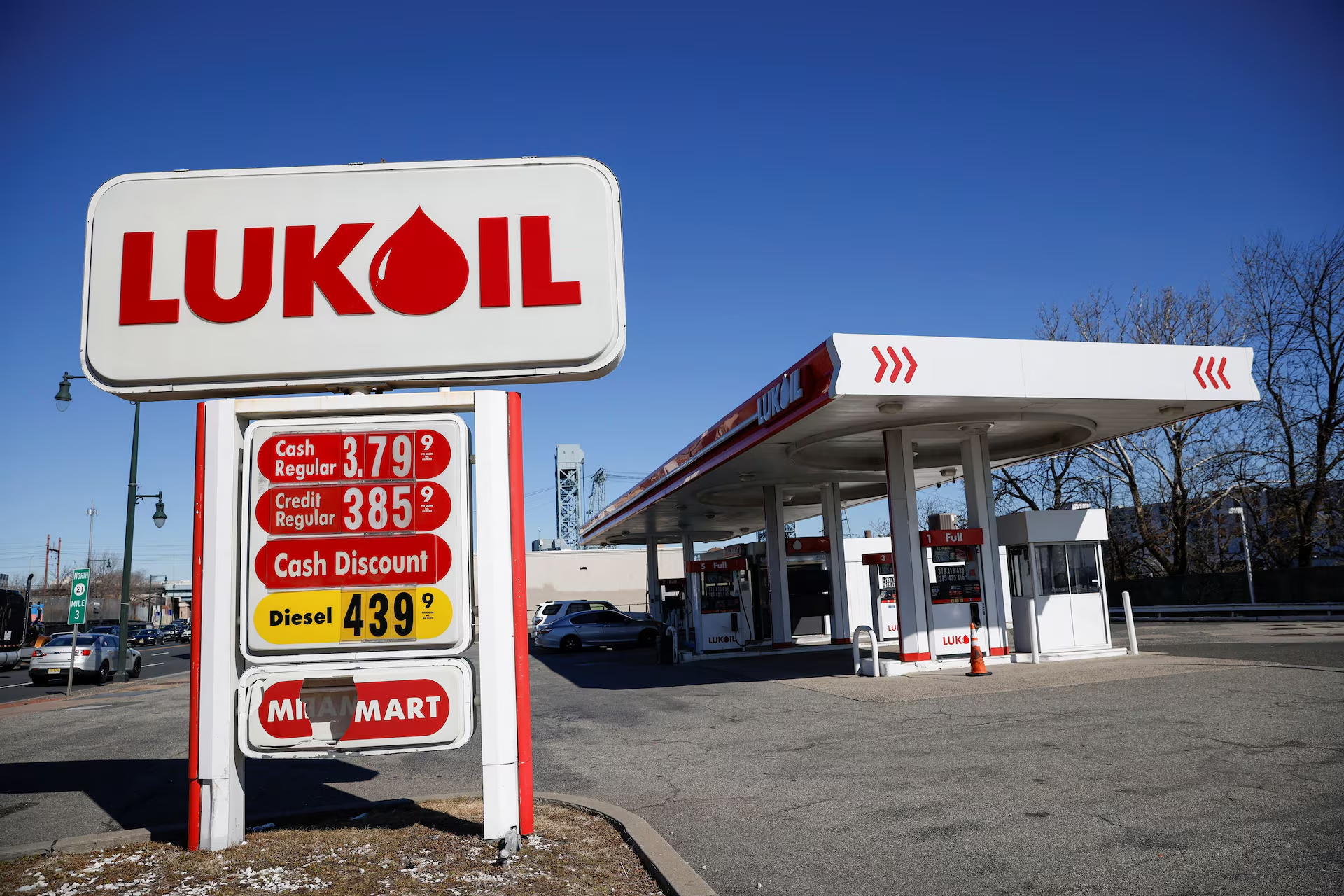
Lukoil’s international portfolio includes oil and gas production, refineries, trading operations and retail stations serving customers across several regions outside Russia, including facilities supplying fuel to customers in Europe and gas stations in the United States.
The businesses under discussion include production assets in 11 countries and three European refineries, according to the group proposing to buy them from the Russian parent company.
Its retail network comprises more than 2,000 service stations across 16 countries, while the refineries are located in Bulgaria, the Netherlands and Romania.
Washington sanctioned Lukoil and fellow Russian oil producer Rosneft in October 2025 as part of an effort to increase pressure on Moscow over the war.
Lukoil subsequently sought a buyer for its foreign assets, but earlier proposals involving trading company Gunvor and investment firm Carlyle did not result in completed sales.
On Nov 25, a group led by billionaire Todd Boehly’s Eldridge announced a definitive agreement to acquire Lukoil International, the company that holds the overseas portfolio.
The other members are the US International Development Finance Corporation, or DFC, the United Arab Emirates based Catena Investment Holding and US investment bank Xtellus Partners.
The parties propose exchanging restricted Russian securities for the international company’s equity, and Boehly and a US official valued the securities at $10 billion.
The buyers say the structure avoids a direct cash payment to Russia, while the securities would be held in a restricted account in the United Arab Emirates.
The consortium says the consideration would remain restricted for five years or until sanctions are lifted, and the transaction still requires approvals and other closing conditions.
Boehly said completing the transaction could take up to a year, while a DFC official said the agency would receive an ownership stake and a role on the governing board.
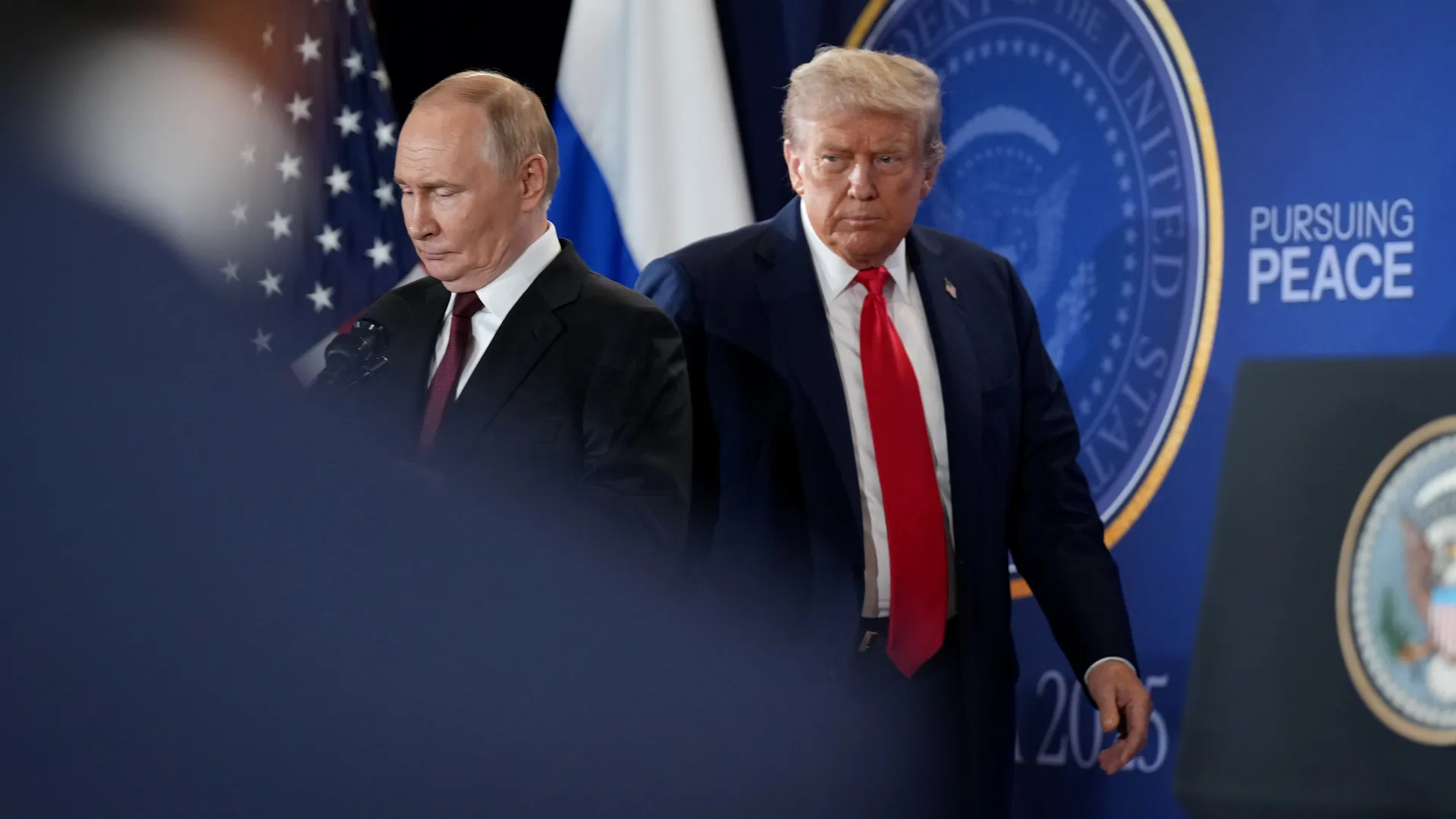
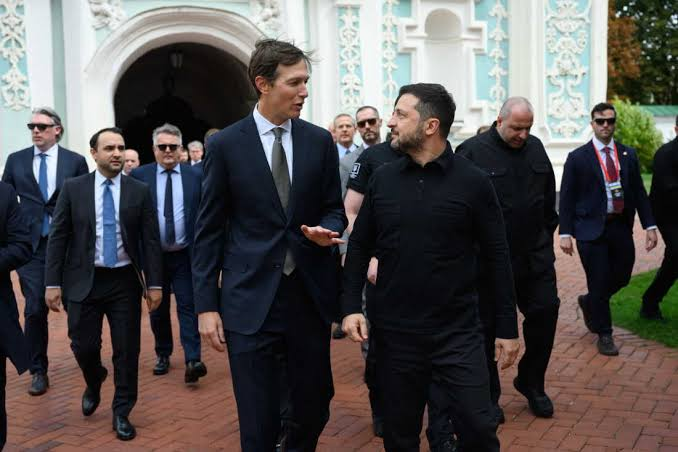
The connection to Ukraine reaches beyond the sanctions that prompted the sale: Russian President Vladimir Putin raised the proposed Lukoil transaction with US envoys Steve Witkoff and Jared Kushner in September.
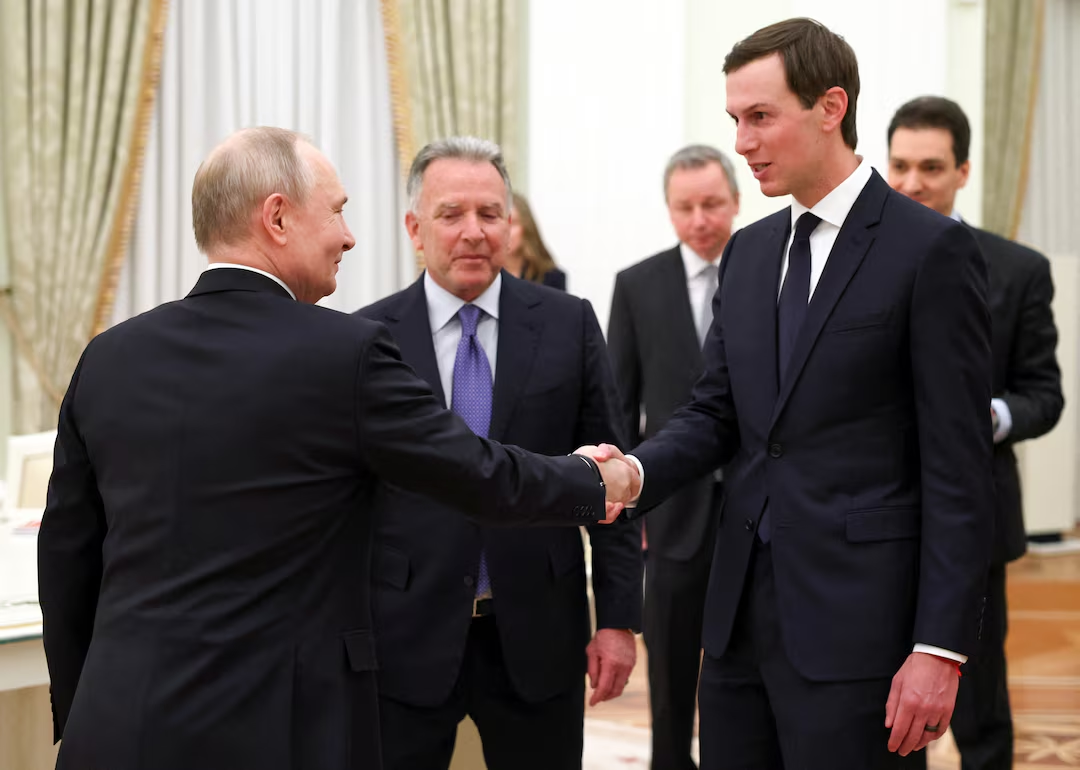
According to people familiar with that meeting, Putin presented completing the transaction as a way to show Russians that they could conduct business with the United States.
The DFC official and Boehly argue that transferring the overseas assets to American and allied ownership would reduce Moscow’s ability to finance the war and shift control of strategic infrastructure.
Representative Gregory Meeks, the senior Democrat on the House Foreign Affairs Committee, argues that US agency participation circumvents a congressional restriction on DFC investment in Russia.
The transaction does not itself establish a ceasefire, provide new security guarantees to Ukraine or show that Kyiv has agreed to any terms with Moscow.
Its practical effect on sanctions pressure and the war remains uncertain, with the transfer subject to review and the treatment of the restricted securities central to that assessment.
Comments (0)
Loading comments...
May You Like

TRUMP CALLED FOR KIMMEL’S FIRING—THE FCC ACTED THE VERY NEXT DAY

IRAN THREATENS SHIPS OVER HORMUZ PASSAGE AFTER CLAIMING A MINE STRIKE

CARIBBEAN PRINCESS: 5,000+ ABOARD, UNKNOWN VIRUS—CHINESE PASSENGER IS FIRST KNOWN CASE!







Popular Posts





