
PUTIN’S NATO REJECTION SPARKS EUROPEAN FURY OVER ALLEGED U.S.–RUSSIA DEAL
BERLIN — NOV 21, 2026 — A new dispute over Ukraine’s future security has exposed competing expectations among Washington, Moscow and European capitals as negotiators seek a path toward ending Russia’s war.
The disagreement comes as Ukraine’s allies work on protections meant to discourage another invasion, while Russia demands that its own security concerns be addressed in any settlement.
European leaders are also weighing how to defend their role in decisions that could shape the continent’s security long after the fighting in Ukraine ends.
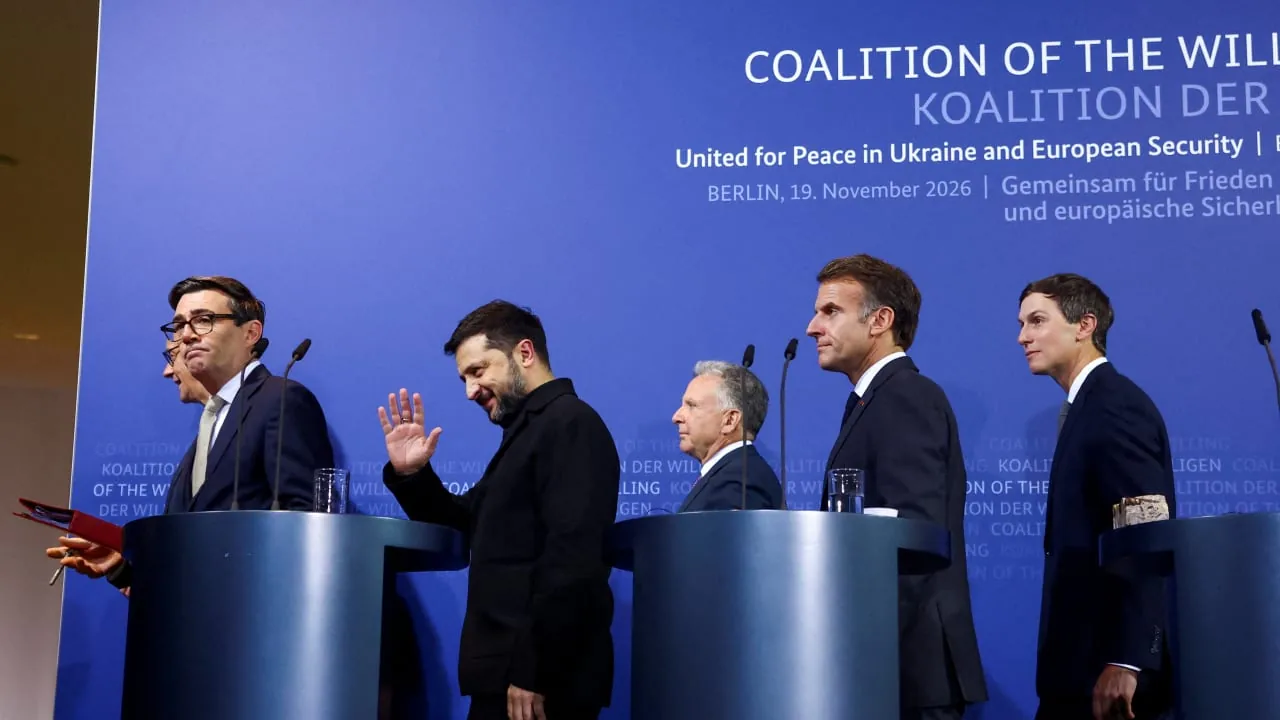
President Donald Trump’s envoys Jared Kushner and Steve Witkoff have held discussions with Russian officials and met Ukrainian and European representatives as Washington seeks a negotiated agreement.
Ukraine has long sought reliable military protection against another attack, arguing that a ceasefire without a credible deterrent could give Russia time to rebuild its forces.
NATO’s Article 5 says an armed attack against one ally is considered an attack against all, with each member taking the action it considers necessary to assist.
An agreement modeled on that provision could involve individual countries making commitments to Ukraine, but it would not automatically make Ukraine a NATO member or extend the treaty itself.
The strength of any separate guarantee would depend on its wording, the countries that sign it, their domestic approval procedures and the assistance they actually pledge.
European leaders have proposed a package that could include continued military aid, ceasefire monitoring and a multinational force, alongside a legally binding commitment to respond to future aggression.
At the same time, Ukrainian and European officials have warned against arrangements that would allow Moscow to dictate the security choices of countries outside Russia’s borders.
The discussions have unfolded alongside continued fighting, including a major Russian air attack on Ukraine and the fall of Russian weapons on Polish territory on Nov 20.
Polish officials said no one was injured in their country and described the incident as a possible deliberate provocation, an assessment that remains separate from the question of a negotiated settlement.
The Kremlin has previously demanded limits on NATO’s eastern presence, while Washington has raised the possibility of discussing a wider European security framework as part of peace efforts.
Those broader discussions have prompted concern in Europe that decisions about allied defense might be negotiated without the governments expected to carry out and finance the resulting commitments.
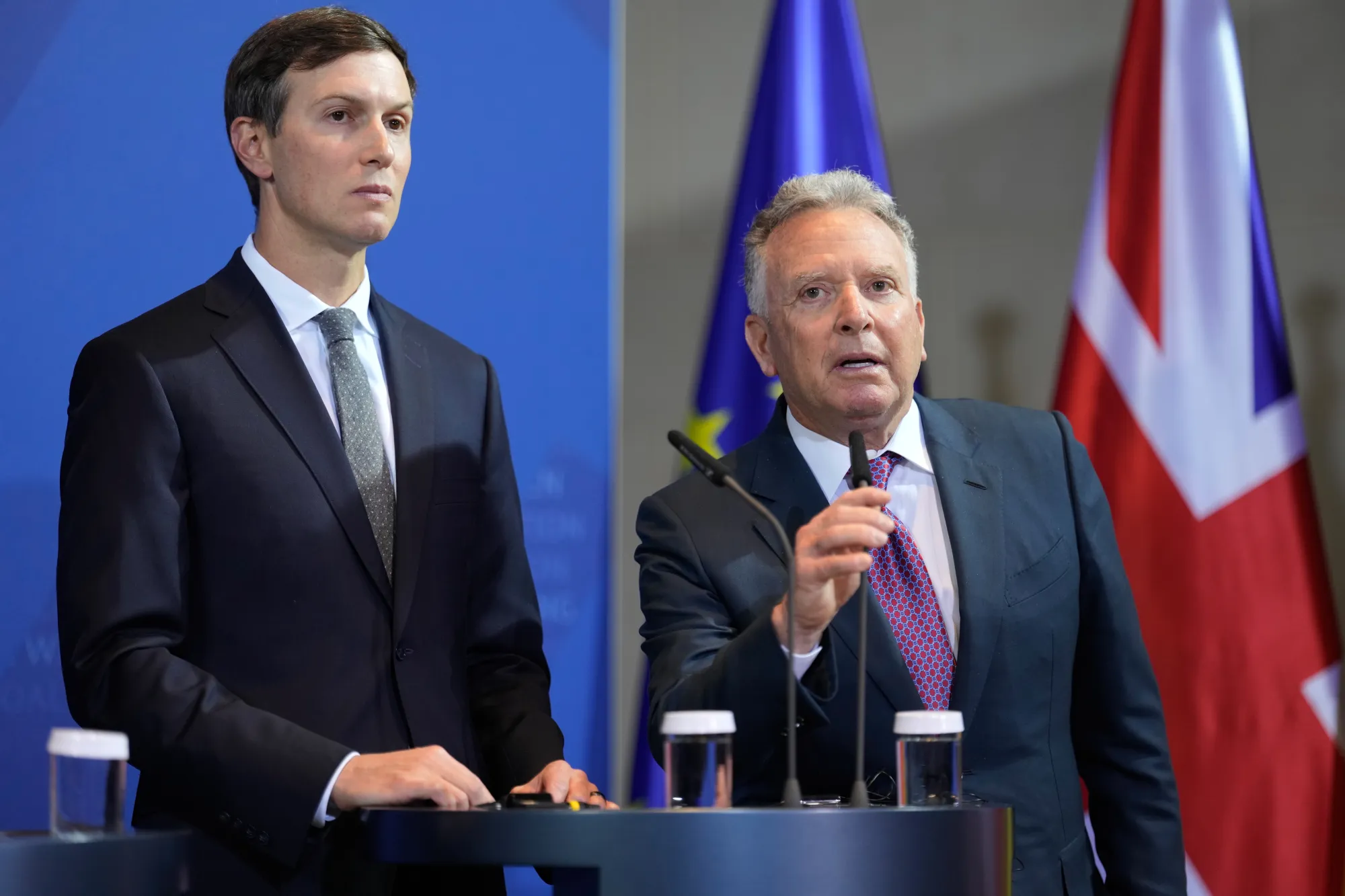
In Berlin on Nov 19, Kushner said he believed Russia was comfortable with the idea that security guarantees for Ukraine would be based on Article 5.
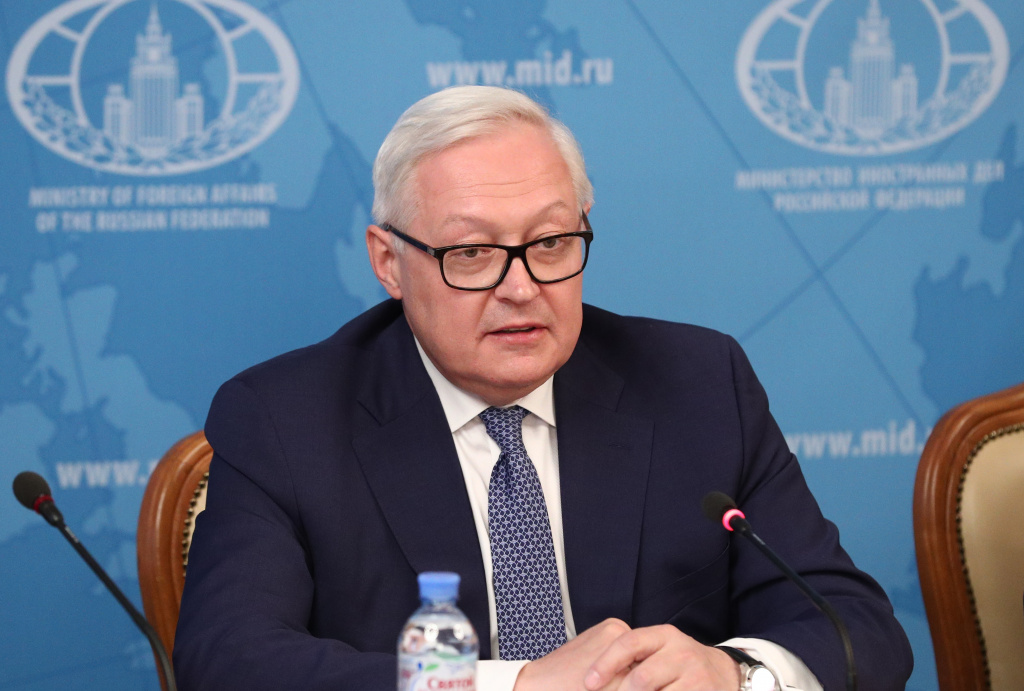
The following day, Russian Deputy Foreign Minister Sergei Ryabkov said any form of Ukrainian quasi-membership in NATO was unacceptable, publicly challenging the optimism of Kushner’s account.
A confidential negotiating outline now circulating among the participants proposes a ceasefire monitored by several countries, followed by separate talks on Ukraine’s defense commitments and European security.
Under that outline, Moscow would seek restrictions on foreign forces near its borders, while Washington would seek a settlement that gives Ukraine written guarantees and keeps European partners involved.
European officials have objected to any arrangement allowing Russia to veto allied deployments, demanding a direct role in the negotiations and a clear right to defend their own territory.
The game in this scenario is a contest over who sets the rules after a ceasefire: Washington wants an agreement, Moscow wants limits on NATO, and Europe wants a binding seat at the table.
Comments (0)
Loading comments...
May You Like

IRAN THREATENS SHIPS OVER HORMUZ PASSAGE AFTER CLAIMING A MINE STRIKE

10,000 CIA AND U.S. SPY RECORDS LEAKED—3 INTELLIGENCE AGENCIES ORDER EMERGENCY REVIEWS!

AMERICA'S LUCAS DRONE — A POTENTIAL GAME CHANGER IN THE SOUTH CHINA SEA?














