
PUTIN’S PRICE FOR UKRAINE SECURITY PLAN THREATENS TO DERAIL TALKS
BERLIN — NOV 20, 2026 — A new round of diplomacy over Russia’s war in Ukraine has brought American envoys and European leaders together as negotiators confront competing demands over security, territory and sanctions.
The discussions followed President Donald Trump’s meeting with Russian President Vladimir Putin in China and a gathering of Ukraine’s European partners in Berlin, where officials considered how to move negotiations forward.
At stake is whether Ukraine and its partners can secure a durable peace while addressing Russia’s stated interests, with the governments involved still far apart on several fundamental issues.
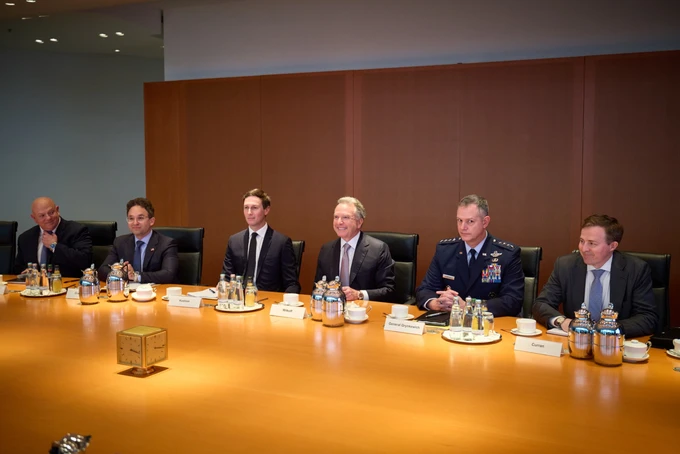
U.S. envoys Jared Kushner and Steve Witkoff attended the Berlin meeting alongside Ukrainian President Volodymyr Zelenskyy and European leaders seeking a direct role in decisions affecting their security.
European governments have argued that neither Ukraine’s future nor the security arrangements of the continent should be settled without the countries whose commitments and territory would be affected.
Their joint statement said any negotiation involving the European Union or NATO would require the consent of the relevant EU institutions and member states or the alliance’s members.
Zelenskyy has called for security guarantees strong enough to deter another Russian invasion, together with continued military and financial support for Ukraine after any ceasefire.
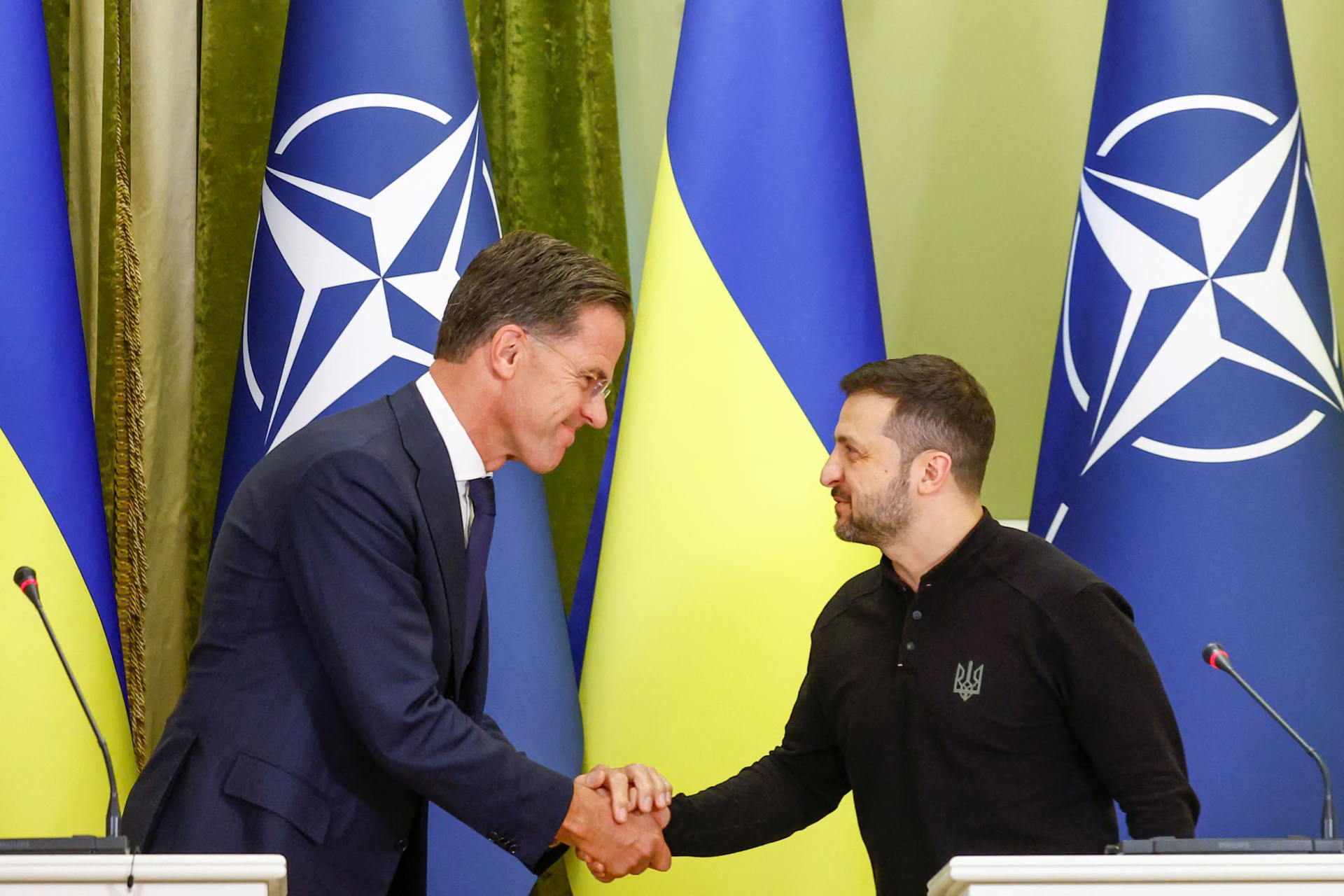
Russia, which launched its full-scale invasion in February 2022, has sought restrictions on Ukraine’s relationship with NATO and broader changes to European security arrangements.
Among Moscow’s reported demands is a reduction of NATO’s military presence in parts of Eastern Europe, a proposal that has alarmed governments in the region and formed part of its broader call for changes to the security arrangements in Europe.
Western governments have imposed sanctions on Russia’s financial system, energy trade and other sectors, describing them as a means to constrain resources available for the war.
Moscow has previously sought sanctions relief in negotiations, including in connection with an energy truce, while European officials have argued that restrictions give them leverage.
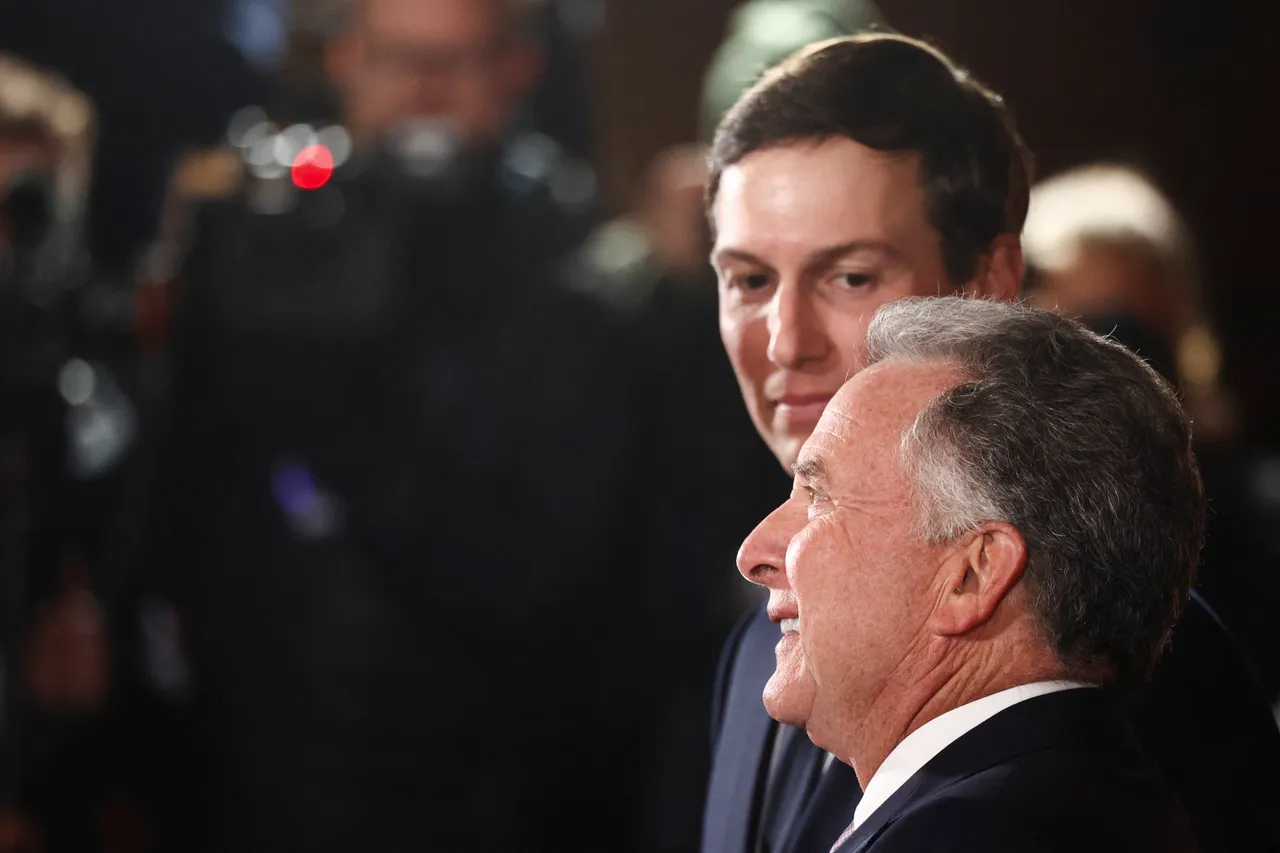
The United States has already eased some restrictions related to Russian diesel sales, illustrating that Washington and European capitals can make separate decisions about their respective sanctions.
The European Commission has said it intends to retain its own sanctions until Russia stops the war and Ukraine obtains a just and lasting peace.
European leaders also called for an immediate ceasefire and said wider European security arrangements could not be agreed while Russia continued its invasion.
In Berlin, Kushner said he believed Russian officials were comfortable with a security guarantee for Ukraine based on the concept of NATO’s Article 5, which concerns collective defense.
He said Trump was open to such a guarantee if it served American interests and formed part of a broader package, while acknowledging skepticism about Russia’s intentions.
An Article 5-style promise would depend on its actual terms and signatories, and it would not automatically make Ukraine a NATO member or confer the alliance treaty’s protections.
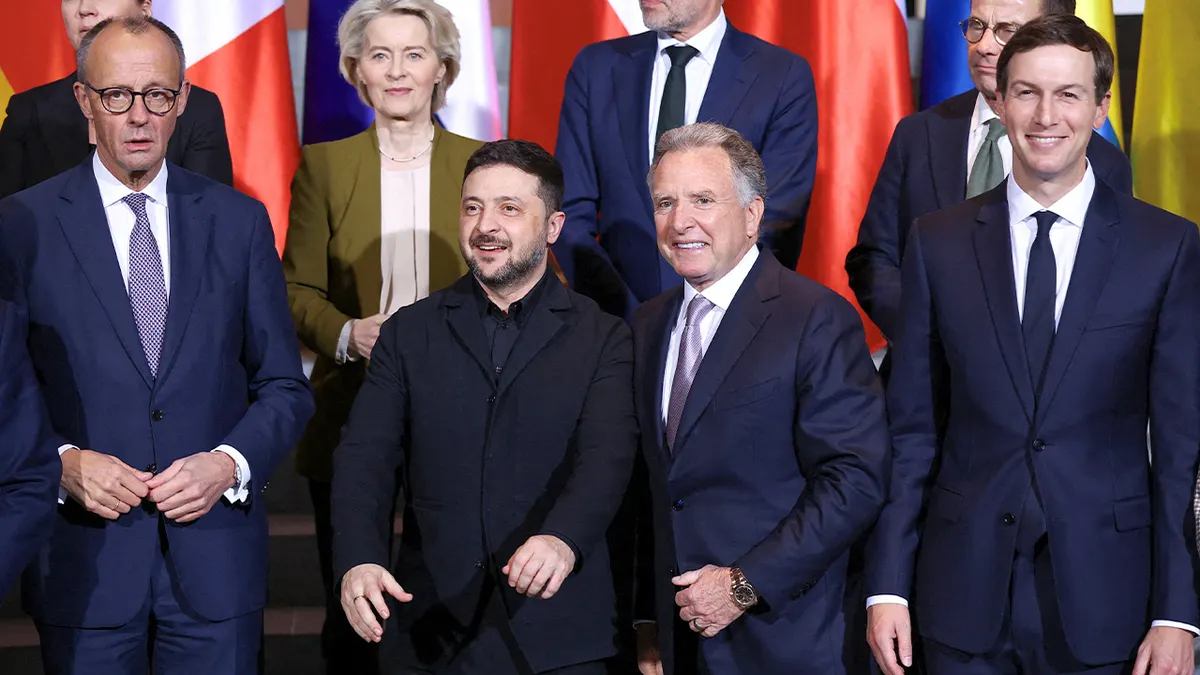
The European leaders’ statement described possible legally binding commitments, a monitoring mechanism and a European-led force after a ceasefire, subject to national procedures and further decisions.
Neither Kushner’s description nor the Berlin statement establishes that Moscow has formally accepted a specific guarantee or that Europe has rejected a particular proposed sanctions bargain.
What could break the deadlock remains negotiation over a ceasefire, credible security commitments, territory and the future of sanctions, but no comprehensive agreement resolving those issues has been announced.
Comments (0)
Loading comments...
May You Like

THANKSGIVING NIGHTMARE: OVER 1M BLACKOUTS, NEARLY 2M WATER ALERTS!

FIVE-STAR LUXURY RESORT FOR SENIORS — UPSCALE RETIREMENT LIVING WITHOUT THE PRICE TAG?

ELON MUSK'S MILLION-SATELLITE MEGAPROJECT — THE NEXT FRONTIER OF AMERICAN SPACE POWER?








Popular Posts




