
RASKIN’S FBI SIGNAL WARNING REVIVES FIGHT OVER DISAPPEARING GOVERNMENT MESSAGES
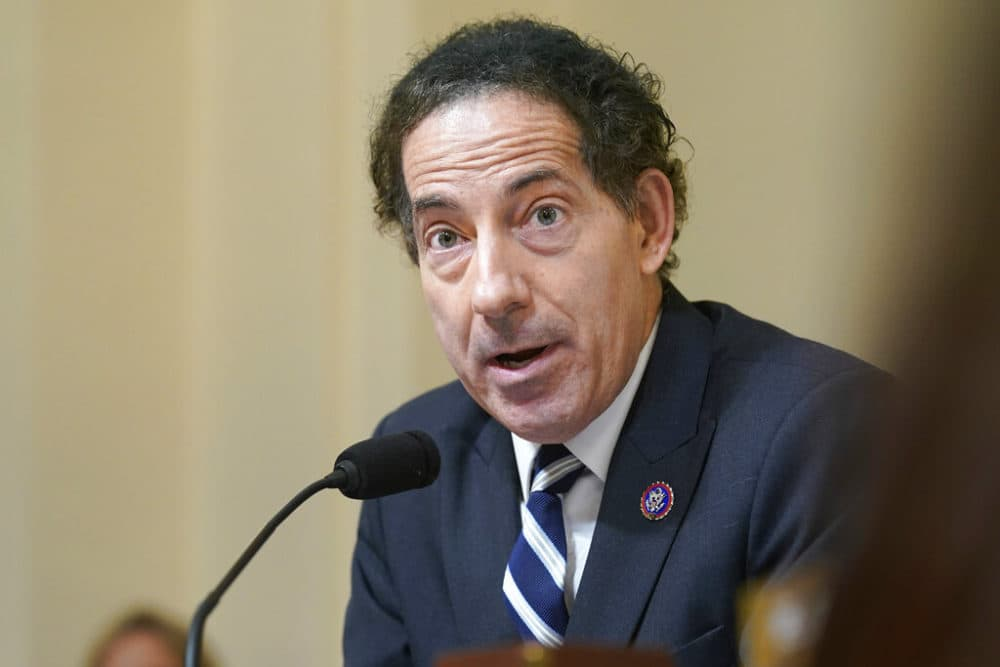
WASHINGTON — NOV 21, 2026 — A fresh dispute over how federal officials use encrypted messaging has brought Representative Jamie Raskin into a broader confrontation over the government’s handling of sensitive communications.
The Maryland Democrat is pressing agencies to preserve official records as congressional Democrats prepare to assume greater investigative authority following the November elections and examine the administration’s decisions.
At stake is whether conversations conducted outside government email systems can be reliably identified, preserved and reviewed when lawmakers seek to understand how officials conducted public business.
Signal offers encrypted messaging, which helps protect communications from interception, along with an optional feature that can remove messages from devices after a selected period.
Those features address different concerns: privacy may protect a conversation from outsiders, while automatic deletion may complicate an agency’s duty to retain records of official actions.
Federal recordkeeping obligations can apply to government business conducted on commercial applications or personal devices, depending on the content and the applicable rules for retaining the records.
Raskin’s letters went to the Justice Department, the FBI, the Department of Homeland Security, Immigration and Customs Enforcement and the Bureau of Prisons.
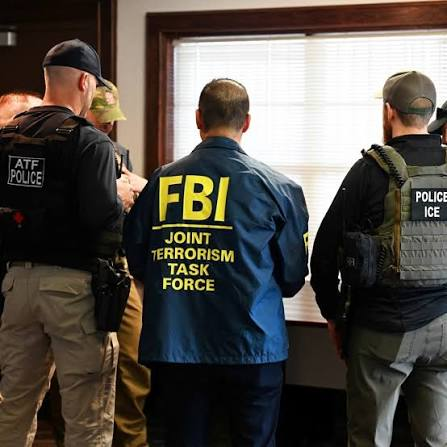
He asked officials to preserve relevant communications, examine whether records were improperly deleted and take steps to recover them where required, including material exchanged through outside applications.
The Justice Department says it follows legal requirements for managing federal records, and the Department of Homeland Security says it complies with applicable laws governing document retention.
A timer alone does not establish that a federal record was unlawfully destroyed because officials may have preserved a copy elsewhere, a question that depends on the facts of each exchange.
The dispute also carries a practical problem for oversight: a screenshot can capture a portion of a conversation while leaving questions about earlier messages, other participants or separate archives.
Committee staff could compare agency preservation policies with communications held on government devices, personal accounts and other authorized systems before deciding which additional records to request in the future.
That potential review would need to distinguish between evidence of a preservation failure and the separate issue of whether officials used an appropriate channel for sensitive material.
Raskin included an image he identified as a Signal exchange between FBI General Counsel Samuel Ramer and Drew Lynch, an associate of President Donald Trump’s son Donald Trump Jr.
The screenshot displays an apparent one-week deletion setting and material concerning a person wanted on health care fraud charges, rather than a discussion of military operations in Yemen.
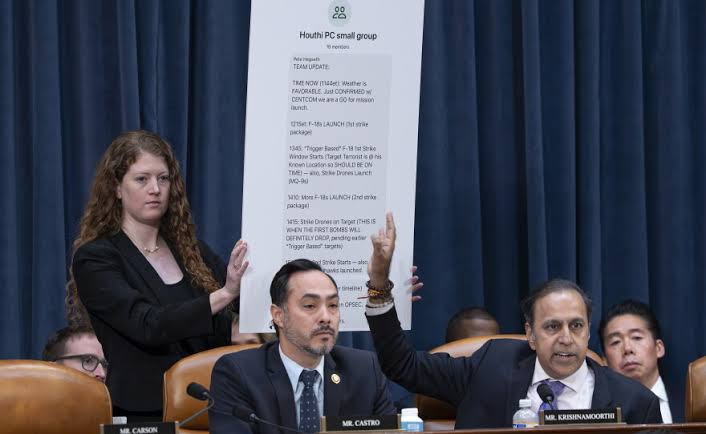
Yemen enters the story through a separate Signal group in March 2025, when senior administration officials discussed planned strikes against Houthi forces and a journalist was inadvertently included.
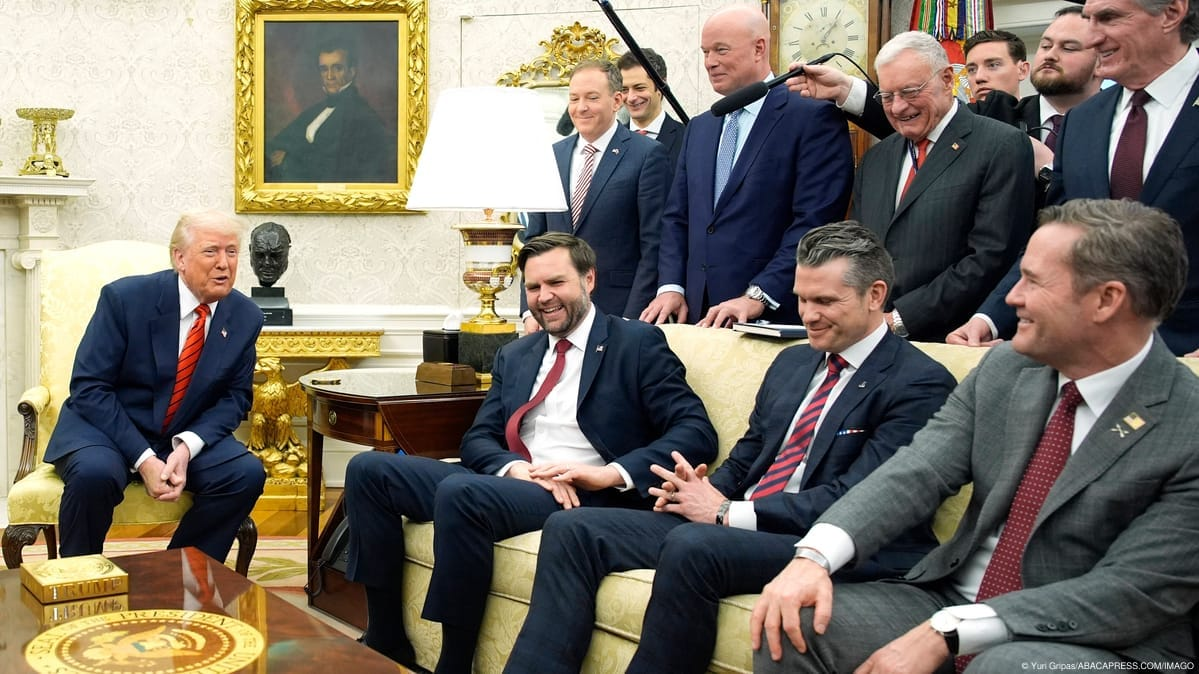
Defense Secretary Pete Hegseth shared operational information before the strikes, and the Pentagon inspector general later found that some messages had disappeared from the partial record supplied by the department.
The inspector general said the information created operational security risks, while recognizing Hegseth’s authority to determine classification and his position that the summary was unclassified.
A federal judge also ordered preservation of messages from the Yemen conversation, making that episode a concrete example of why disappearing communications can become a records dispute.
The connection is therefore the recurring question of preserving official communications, not evidence that the FBI lawyer’s separate exchange discussed Yemen or belonged to the military group.
Comments (0)
Loading comments...
May You Like

ELON MUSK’S $18 BILLION SPACEX STOCK GIFT FOR EVERY AMERICAN CHILD


IRAN WARNS WASHINGTON — HOW SERIOUS IS THE THREAT TO U.S. MILITARY BASES?












