
RASKIN’S SIGNAL SCREENSHOT SPARKS FURY OVER FBI LAWYER’S DISAPPEARING CHAT
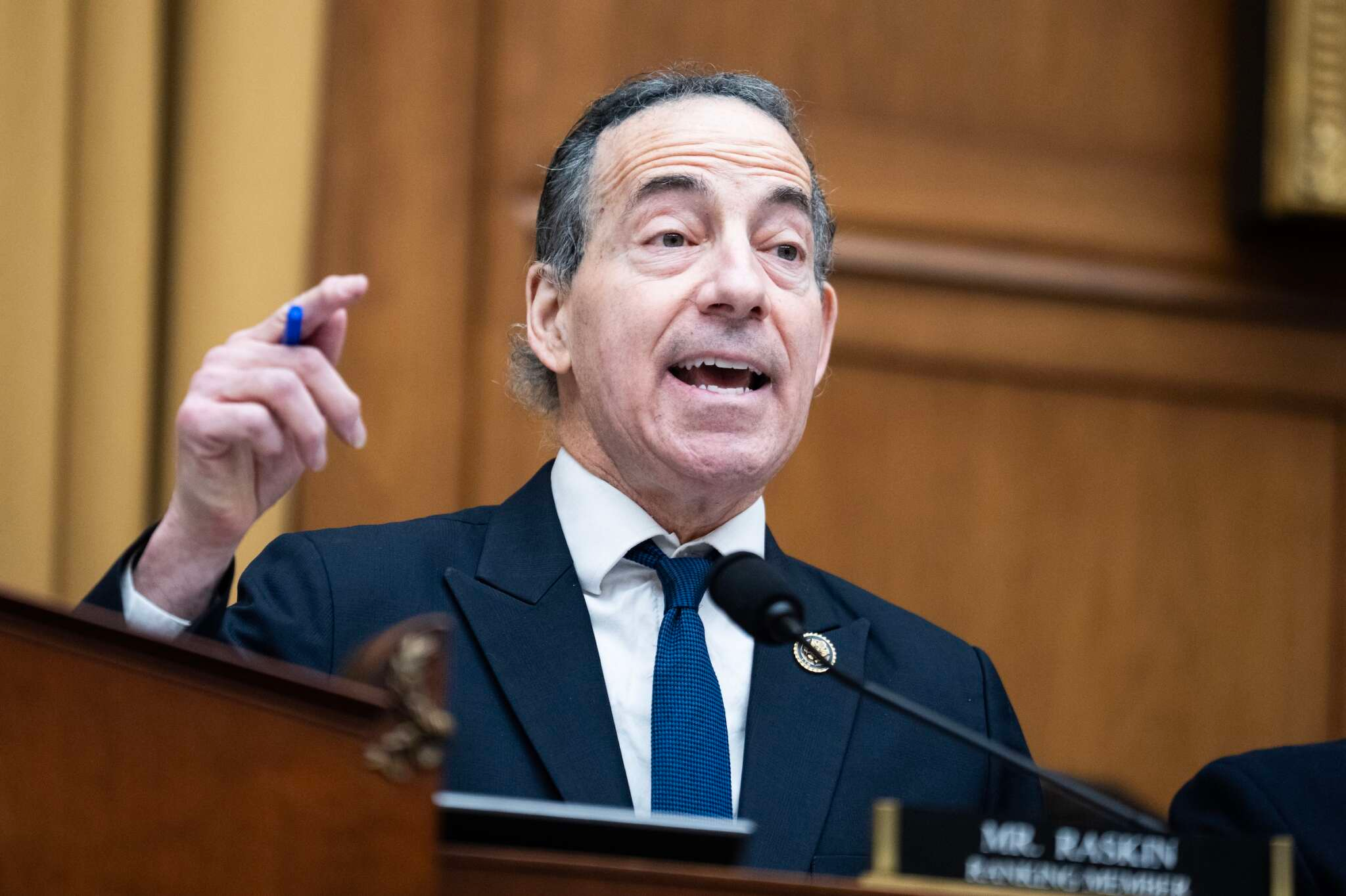
WASHINGTON — NOV 21, 2026 — A congressional dispute over how federal officials communicate has put Representative Jamie Raskin at the center of a new confrontation over government records and accountability.
The Maryland Democrat’s intervention comes as members of Congress prepare for a change in leadership and consider how aggressively to examine the Trump administration’s handling of official business.
At issue is the relationship between modern messaging technology and longstanding requirements to preserve records that help lawmakers, courts and the public understand government decisions.
Federal officials increasingly use encrypted applications to communicate quickly, but the privacy features that make those services attractive can complicate recordkeeping when messages disappear from a device.
Encryption protects communications from outside interception, whereas a disappearing-message setting controls how long a conversation remains visible, making the two features distinct questions for oversight.
Federal records rules cover official business regardless of whether employees use government email, a personal account or a commercial messaging application, according to Raskin’s letter to the FBI.
Preserving such material can involve making an appropriate copy or forwarding it to an official account, with the required process depending on agency policy and the circumstances.
The Justice Department says it follows legal requirements for managing federal records, while the Department of Homeland Security says it complies with applicable laws governing document retention.
Whether any individual conversation was improperly destroyed depends on the content, preservation measures and facts surrounding its use, not simply on the presence of a disappearing-message timer.
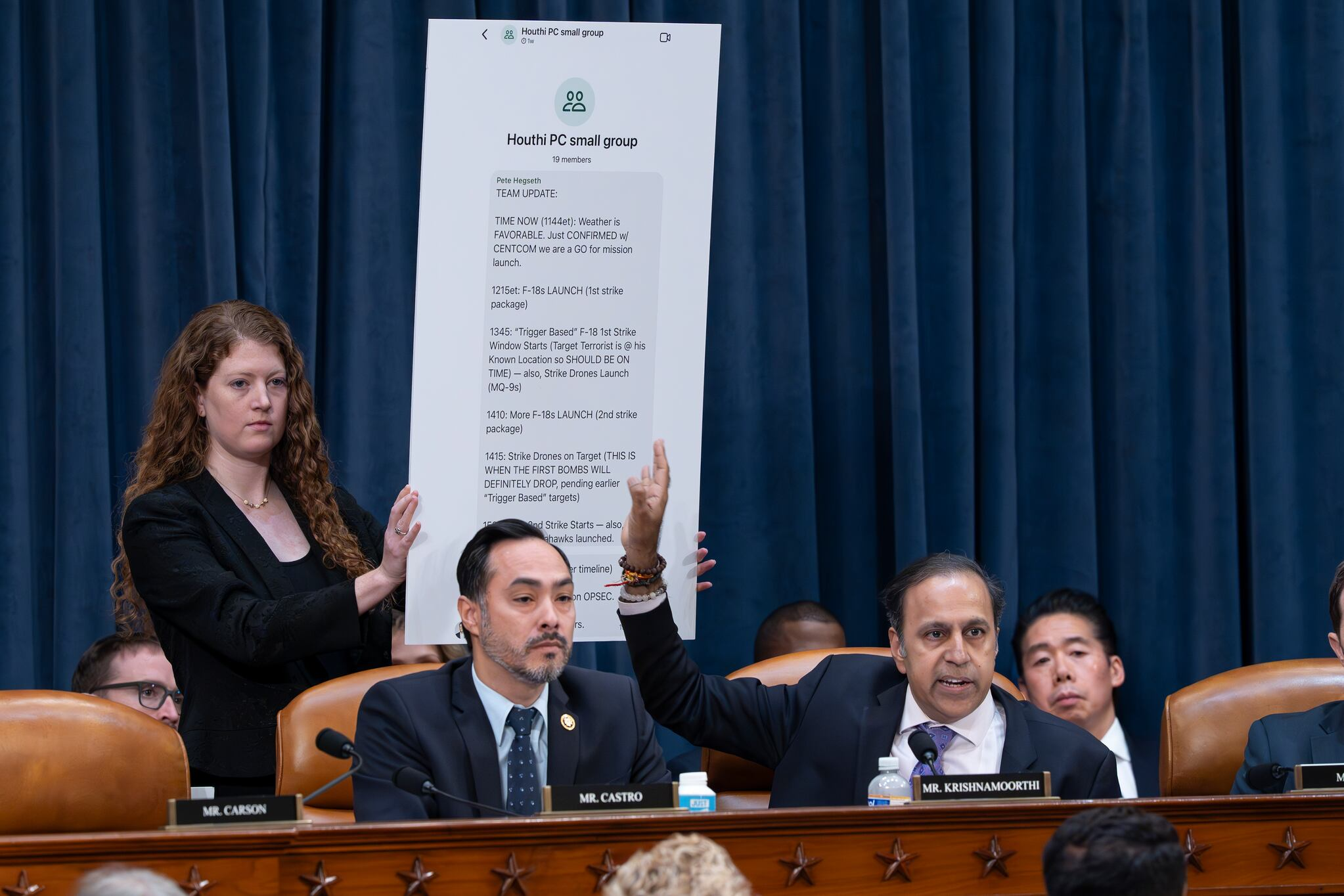
Congress has previously examined the administration’s use of Signal after a journalist was accidentally included in a separate group conversation involving military plans in 2025.
That earlier episode prompted questions about both information security and the preservation of government communications, although it involved different officials and a different subject from the current dispute.
Raskin’s latest letters ask officials across multiple parts of the federal government to preserve communications on outside platforms and examine whether government records have been improperly deleted.
The agencies named are the Justice Department, the FBI, the Department of Homeland Security, Immigration and Customs Enforcement and the federal Bureau of Prisons, each responsible for distinct functions.
His request also seeks action to recover records if officials identify material that should have been preserved, a task that could depend on copies held by participants or agency systems.
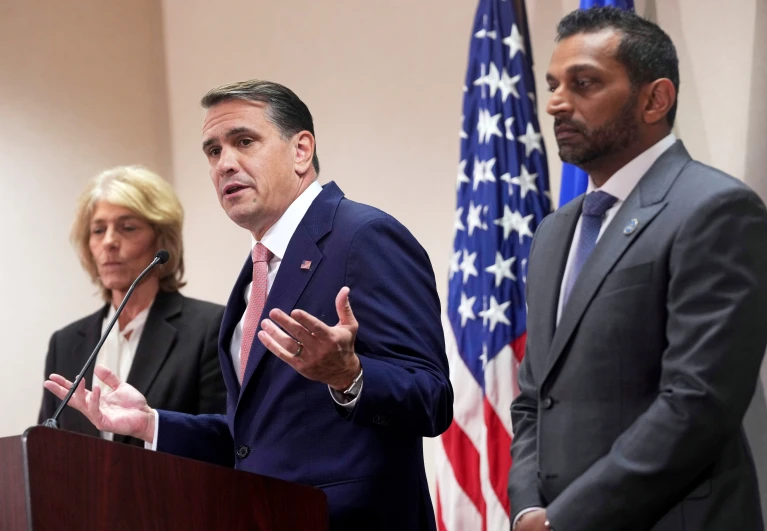
Raskin attached a screenshot he identified as a Signal exchange between FBI General Counsel Samuel Ramer and Drew Lynch, an associate of President Donald Trump’s son Donald Trump Jr.
The image shows an apparent one-week disappearing-message setting and a shared letter addressed to FBI Director Kash Patel, alongside a link concerning a person wanted on health care fraud charges.
Raskin argues that the exchange raises questions about whether official communications were preserved, while the FBI has not publicly answered questions about this specific screenshot and request.
The material visible in the screenshot concerns Abubakar Atiq Durrani, who was indicted on federal charges in 2013, and includes a news link about his reported location in Pakistan.
A possible next stage of the dispute would involve committee investigators examining whether an additional message once appeared between the shared documents and what is now visible in the conversation.
The answer remains unresolved: the public screenshot does not disclose the contents of any deleted message, and determining whether one existed would require preserved records or reliable evidence from the participants.
Comments (0)
Loading comments...
May You Like

ELON MUSK’S $18 BILLION SPACEX STOCK GIFT FOR EVERY AMERICAN CHILD

PENTAGON'S PATRIOT MISSILE DELAY — A MAJOR SETBACK FOR UKRAINE'S AIR DEFENSE?

AMERICA’S NEW-GENERATION AIRCRAFT CARRIERS — MILITARY MIGHT BUILT AT THE EXPENSE OF THE PEOPLE












