
Real Israel-Iran Strains Fuel Fake Online Clash Between Leaders
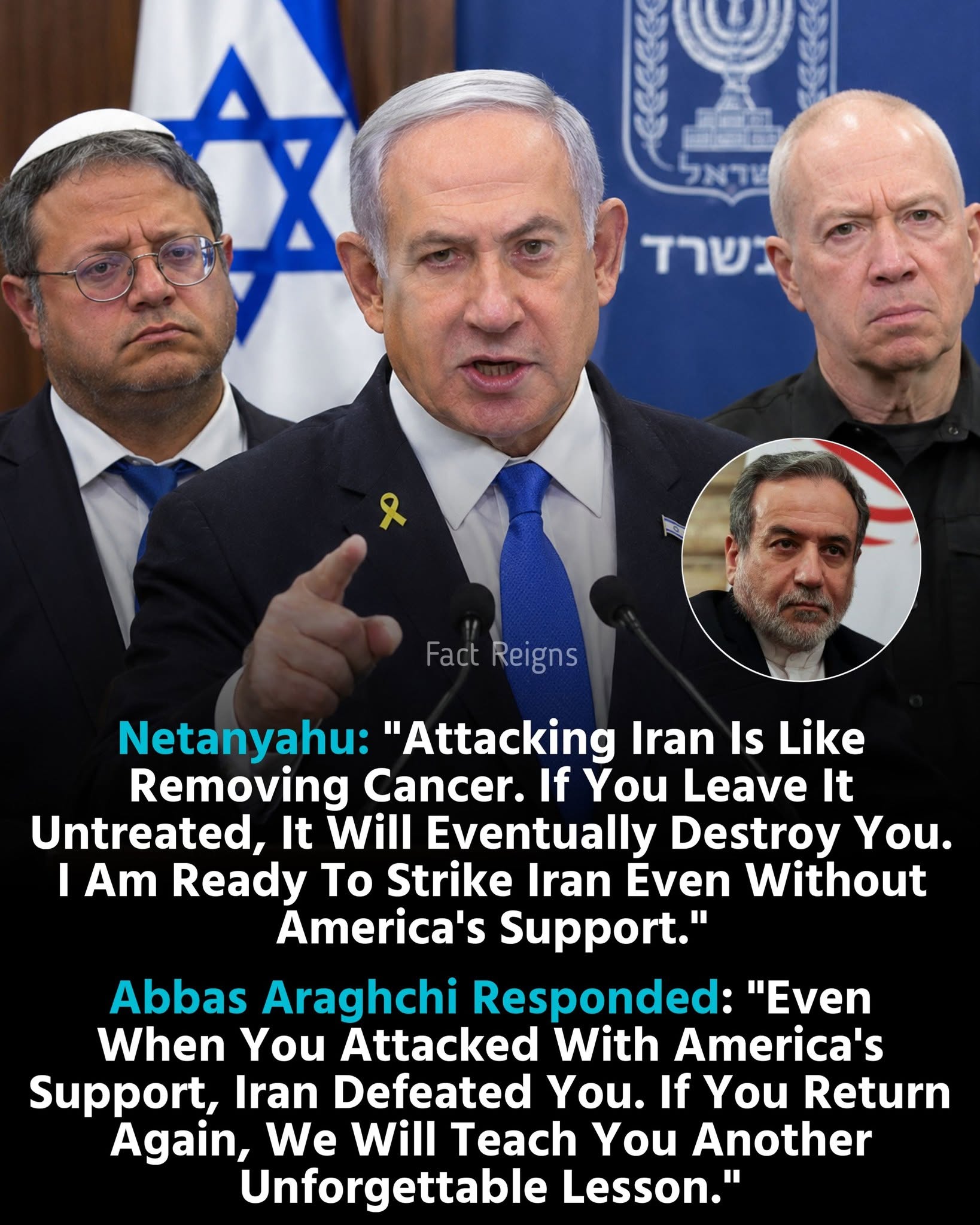
Netanyahu's Iran Threat and Araghchi's Alleged Retort: What Is Real and What Is Fabricated?
November 7, 2026 | Middle East | Fact Check
Israeli Prime Minister Benjamin Netanyahu has intensified his warnings against Iran, declaring that Israel may act independently if necessary, even without American approval or military support.
The statement reflects a genuine shift in Israel's publicly expressed security doctrine, emphasizing independent military capabilities and the willingness to launch preemptive operations against perceived threats.
On October 18, Netanyahu presented an updated national security doctrine, declaring that Israel's objectives against Iran did not depend on American approval.
“I always seek it,” Netanyahu said of American approval, while emphasizing that it had never been a precondition for Israel's actions.
He also stated that Israel would act independently if necessary, arguing that the Iranian nuclear threat and the broader threat posed by Tehran's government required decisive action.
His remarks came amid growing uncertainty about Washington's willingness to support another major military campaign against Iran, following months of conflict and disagreements over the next diplomatic steps.
The cancer comparison in the viral graphic also has a real origin. In a September 30 CNN interview, Netanyahu compared the Iranian nuclear threat to cancer that would eventually kill a person if left untreated.
However, the image's wording appears to combine separate statements. The exact sentence about “attacking Iran is like removing cancer” and the complete declaration about striking without American support are not verified as one continuous quotation.
Netanyahu's position is nevertheless clear: Israel must retain the ability to act against Iran independently, particularly if its government believes Tehran is rebuilding dangerous military or nuclear capabilities.
The second half of the image attributes a dramatic response to Iranian Foreign Minister Abbas Araghchi, claiming he said Iran had already defeated Israel even with American support.
The alleged response continues with a warning that Iran would teach Israel another unforgettable lesson if it launched another attack.
However, searches of available reporting, official statements, and published remarks have not established that Araghchi made these specific comments.
No reliable transcript, video, or official Iranian Foreign Ministry statement has been identified confirming the supposed exchange.
Araghchi has repeatedly criticized Israeli military operations and defended Iran's right to respond to attacks. Those broader positions, however, do not authenticate the specific quotation in the graphic.
The image also uses photographs of Netanyahu, Iranian officials, and Israeli political figures to create the appearance of a direct confrontation. The photographs themselves do not establish that the exchange occurred.
The broader tensions are real. Israel has repeatedly identified Iran's nuclear program, ballistic missile development, and regional military influence as major national security concerns.
Iran, meanwhile, maintains that its nuclear activities are peaceful and has rejected Israeli military pressure, describing attacks against Iranian territory as violations of international law.
The United States remains central to this confrontation. American military assistance, intelligence cooperation, and diplomatic decisions can significantly affect Israel's ability to sustain another large-scale operation.
Netanyahu's October declaration therefore carries strategic significance beyond its rhetoric. It signals that Israel wants to preserve freedom of military action even when Washington disagrees with its decisions.
That position could create further tension between the two allies, particularly if Netanyahu considers another strike while the Trump administration prioritizes negotiations or regional stability.
For Iran, the possibility of an independent Israeli attack creates pressure to maintain military readiness while continuing to seek diplomatic and strategic support from regional partners.
The central issue is whether either government will choose renewed military confrontation or pursue arrangements that prevent another escalation.
Ultimately, the viral image combines genuine Israeli security statements with an unverified Iranian response. It should not be treated as evidence of a direct verbal exchange between Netanyahu and Araghchi.
Comments (0)
Loading comments...
May You Like


TRUMP CALLS GDP FIGURE “FAKE” AFTER GOVERNMENT’S SCHEDULED REVISION

Latest Posts








Popular Posts




