
Republicans Face Election Showdown as Dispute Over Election Clerks and Mail Ballots Raises New Questions
A growing dispute over election administration is drawing attention in the final days before America's November 3 midterm elections, as Republicans and Democrats prepare for a high-stakes contest that could determine control of Congress.
At the center of the debate are election clerks, mail-in ballots, and the rules governing how Americans cast and count their votes. A viral claim suggesting that a key state has blocked election clerks from performing their duties has added urgency to the conversation, although the image circulating with that claim does not identify the state or establish what action actually occurred.
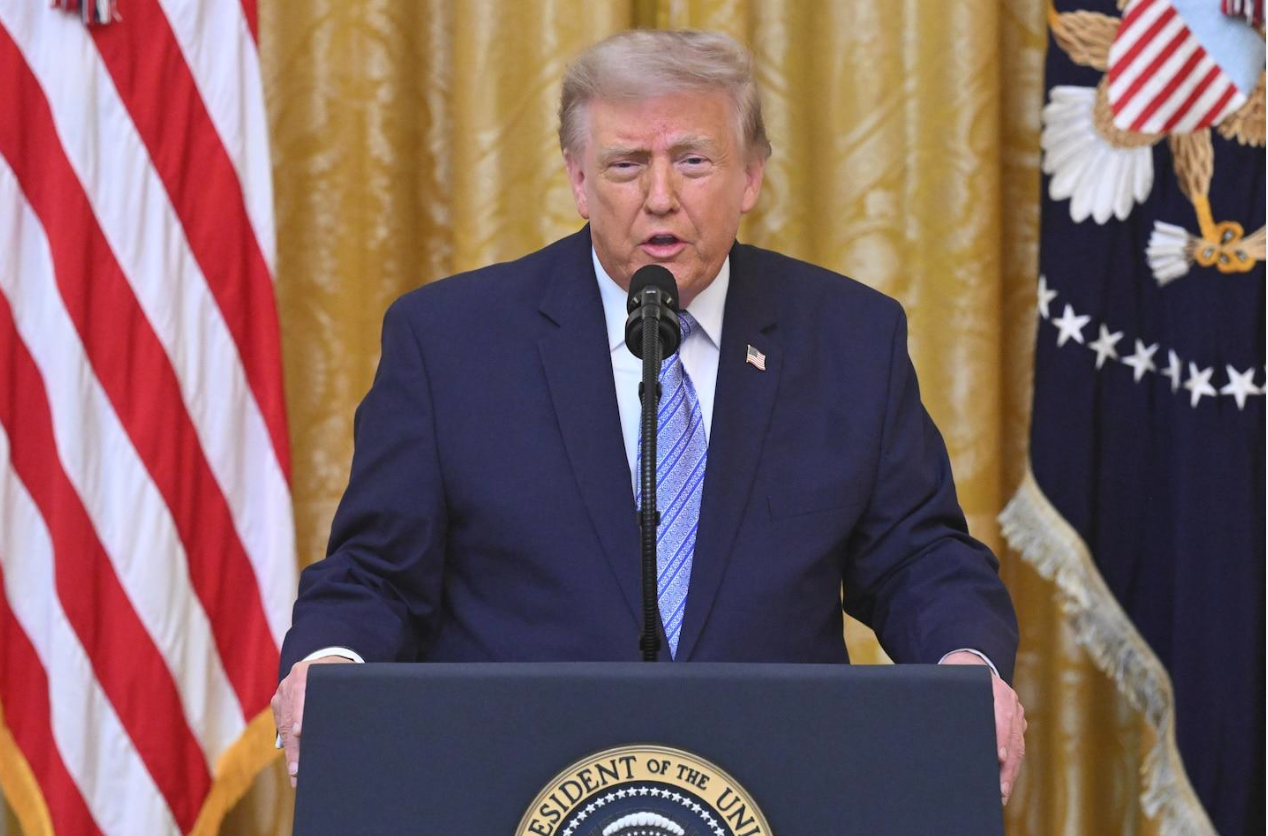
With Election Day approaching, even relatively technical disputes about election procedures can quickly become national political controversies. Decisions involving ballot collection, voter eligibility, and local election administration may influence how smoothly voting proceeds.
Republican officials have long argued that election procedures must include strong safeguards against fraud and unauthorized ballot handling. Many Democrats, meanwhile, have emphasized the importance of making voting accessible while ensuring that every eligible ballot is counted.
The disagreement is particularly intense over mail voting, which has become an established part of American elections. States have different rules governing who can vote by mail, when ballots must arrive, and how they are processed.
Ballot drop boxes have become one of the most visible symbols of this debate. Supporters argue that properly secured and monitored boxes offer voters a convenient way to return completed ballots without relying on postal delivery.
Critics have raised concerns about security, supervision, and the potential for improper ballot collection. Election officials generally respond that safeguards such as locks, chain-of-custody procedures, surveillance where required, and documented collection practices are intended to protect ballots.
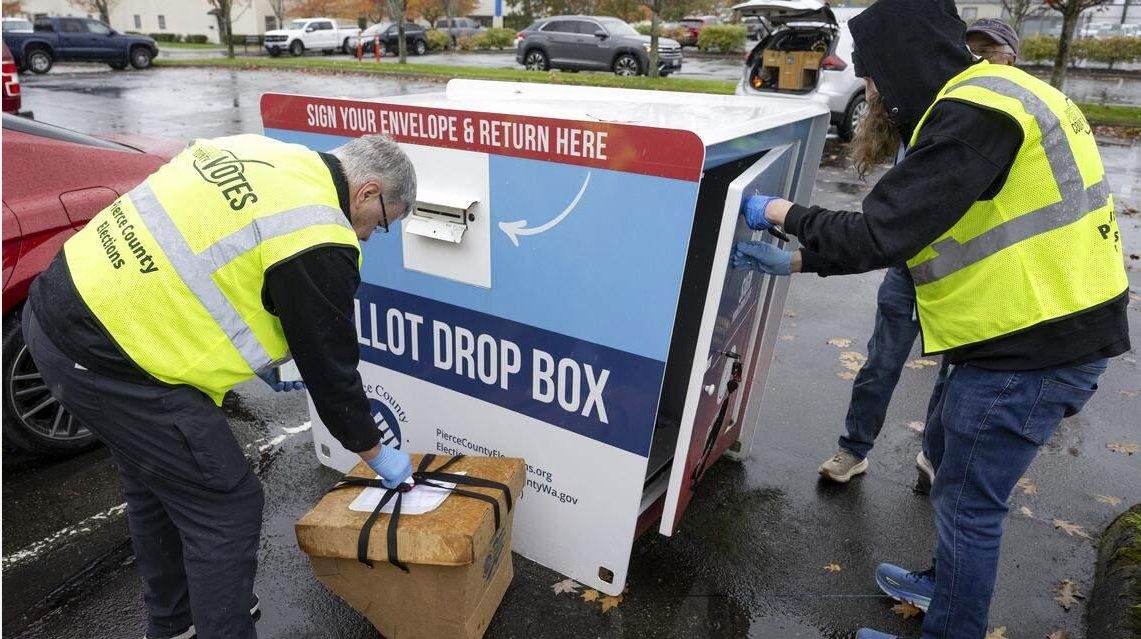
Election clerks play a critical role in administering these procedures. Depending on the jurisdiction, their responsibilities can include maintaining voter records, preparing polling locations, processing absentee ballots, and coordinating vote tabulation.
A court order or administrative decision restricting a particular election activity can therefore attract significant attention. However, the legal significance depends on the exact state, the authority issuing the decision, and the specific activity affected.
A restriction on one ballot-handling practice does not necessarily mean election clerks have been prohibited from administering an election. Nor does it automatically mean that voting has been suspended or that previously cast ballots have been invalidated.
A major legal development has already altered the election landscape. On September 14, the U.S. Supreme Court left in place an injunction blocking new Postal Service restrictions on mail voting ahead of the November election. The decision prevented the proposed requirements from taking effect while litigation continued.
The Trump administration had argued that its proposed rules were lawful measures to improve election administration. Opponents maintained that introducing new requirements so close to Election Day would create confusion and risk preventing eligible voters from receiving ballots.
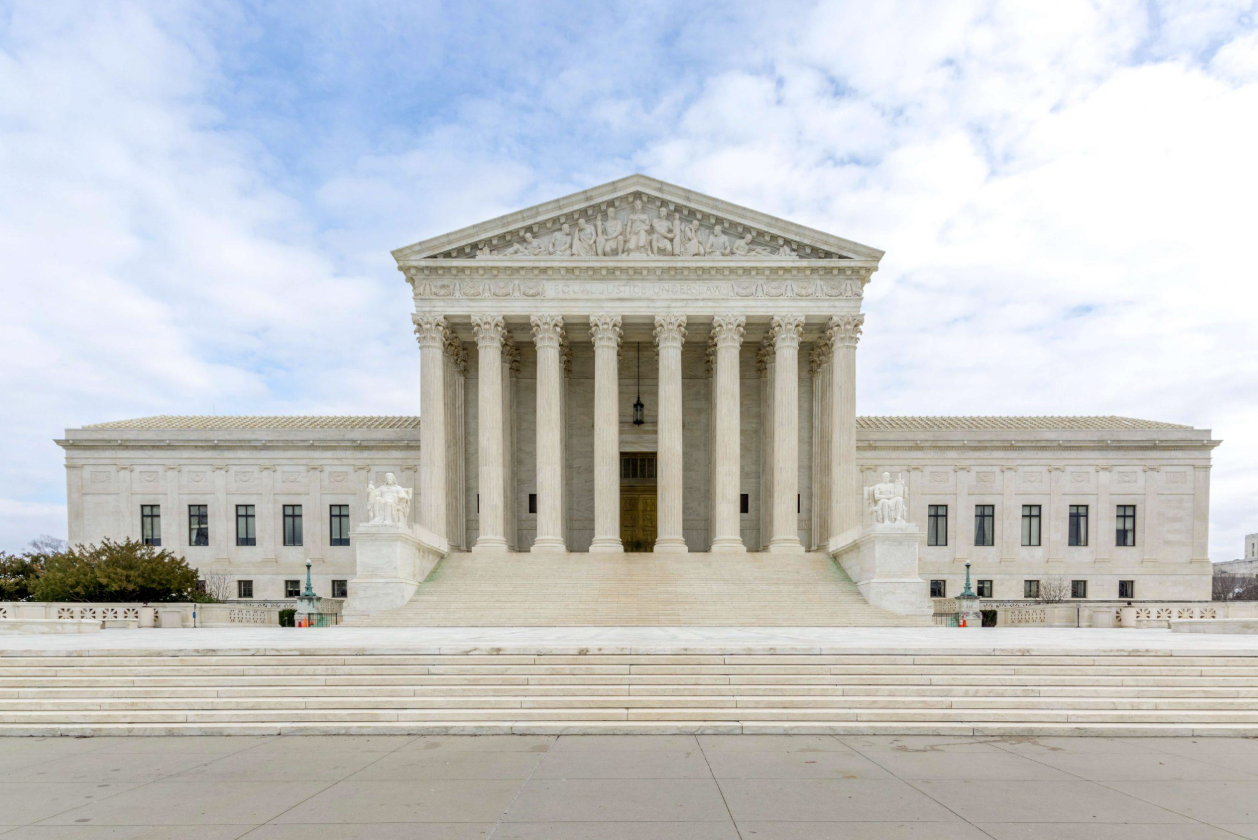
The consequences are especially visible in Colorado, where county election clerks publicly reaffirmed their commitment to administering the election under state law. On October 27, officials said they were preparing for heavy turnout and possible disruptions while reassuring voters that their ballots would be handled properly.
In New Jersey, election officials have also encouraged voters to consider secure ballot drop boxes as Election Day approaches. Their advice reflects concerns about postal delivery timing rather than a finding that mailed ballots are inherently insecure.
Meanwhile, the administration's election-related actions have generated additional legal confrontations. In California, federal officials requested that certain ballots associated with suspected noncitizen registrations be set aside, prompting objections from local election administrators who questioned the reliability of the underlying information.
These developments show how quickly election administration can become entangled in broader political conflict. Disputes that begin with technical procedures can escalate into courtroom battles with potential consequences for thousands of voters.
For Republicans, the political challenge is to maintain public confidence in election security while defending the administration's proposed reforms. Democrats and voting-rights advocates argue that new restrictions must not unnecessarily prevent eligible citizens from participating.
The central issue is whether election officials can carry out their responsibilities consistently and independently while courts, political campaigns, and federal agencies continue debating the boundaries of their authority.
Comments (0)
Loading comments...
May You Like

IRAN CLAIMS IT FIRED AT U.S. WARPLANES — WAS AN AMERICAN F-16 FORCED TO RETREAT?

I-75 THANKSGIVING NIGHTMARE — MAIL TRUCK CRASH RAISES OVERPASS COLLAPSE FEARS!

AMERICA'S TRADE DEFICIT SURGES — WHAT DOES IT MEAN FOR AMERICAN FAMILIES?













