
RETIREES CONFRONT JOHNSON OVER SOCIAL SECURITY CUTS AND PAYROLL TAX CAP
WASHINGTON — NOV 19, 2026 — A debate over Social Security’s future has returned to Congress as millions of Americans weigh the reliability of a program central to retirement income.
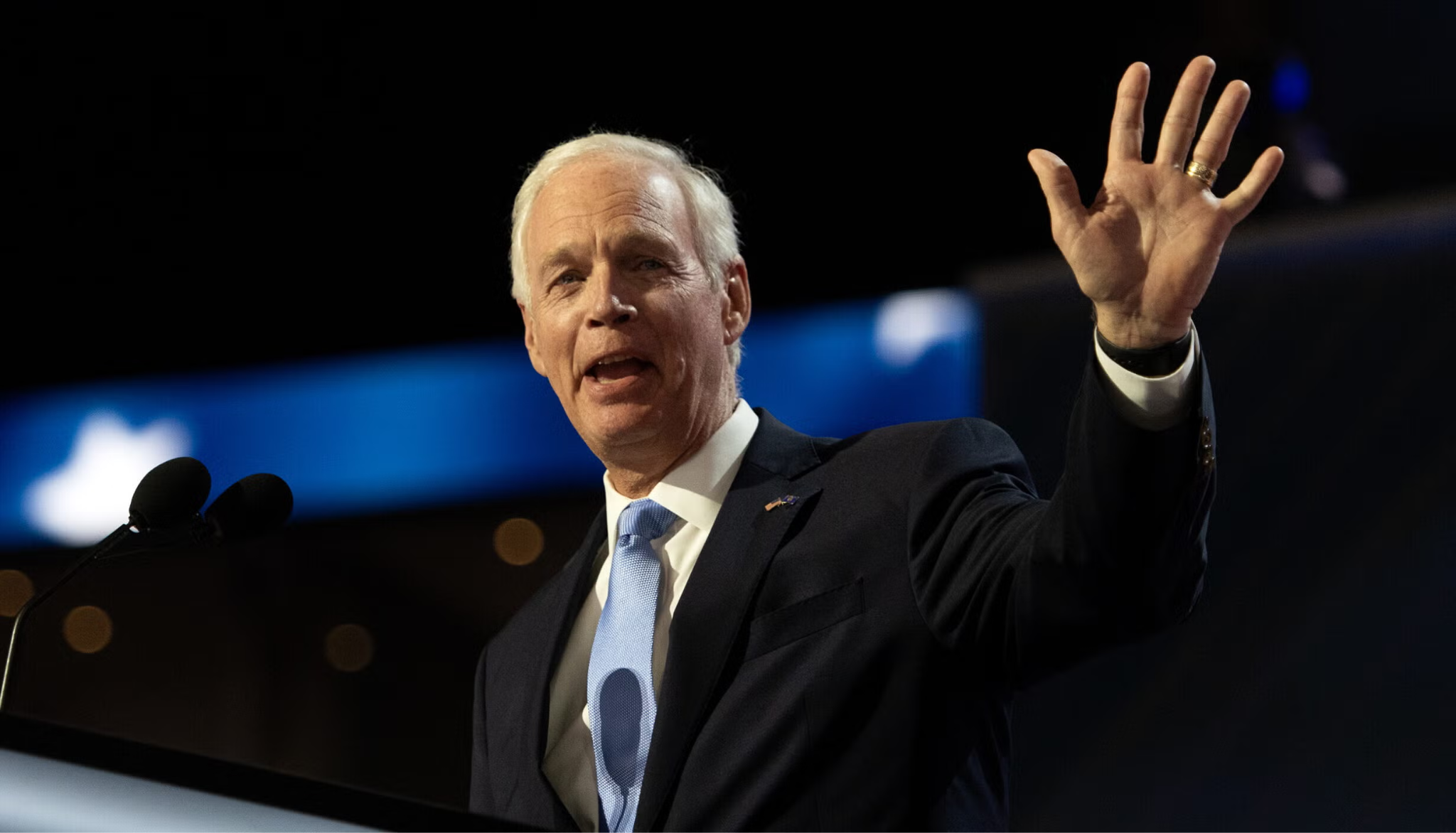
Senator Ron Johnson, the Wisconsin Republican who chairs the Senate Budget Committee, has intensified the discussion with comments about how the federal benefit system is financed and whether Congress can keep its commitments to retirees.
The dispute comes as lawmakers consider competing approaches to a long-term funding challenge that affects current retirees, surviving family members and workers planning for the future.
Social Security is financed primarily by payroll contributions from workers and employers, with today’s income helping pay benefits to people who are currently eligible.
Employees and employers each pay 6.2% in Social Security payroll tax on covered earnings up to an annual limit, while self-employed workers generally pay both shares under rules governing their own covered net earnings.
The earnings limit is $184,500 for 2026 and is scheduled to rise to $192,300 in 2027, according to the Social Security Administration.
Wages above the applicable limit are exempt from Social Security payroll tax, although they can still be subject to federal income tax and Medicare payroll tax.
Benefits are linked to a worker’s earnings history, with the current taxable maximum also limiting the earnings counted when the administration calculates retirement benefits.

The program faces increasing pressure as the population ages and the ratio of workers paying into the system to beneficiaries receiving payments declines over time.
Trustees project that the separate retirement and survivors trust fund will exhaust its reserves in the fourth quarter of 2032 if current law remains unchanged.
At that point, continuing income would cover about 78% of scheduled retirement and survivor benefits, implying a roughly 22% funding gap rather than the disappearance of every payment.
That projection is not an enacted cut today, and future legislation or changes in economic and demographic assumptions could alter the outcome for millions of beneficiaries who depend on these payments for essential living costs.
Johnson has called the program a scam and a legal Ponzi scheme, arguing that benefits depend on contributions from later workers and that Congress has mismanaged its finances.
After saying in an interview that a Ponzi scheme should be shut down, Johnson told a Senate hearing that his wording was imprecise and he was not proposing to end Social Security.
His description is a political characterization: Social Security is a public insurance program established by law, rather than a fraudulent private investment operation concealing its finances.
Among the competing proposals, Democratic Senator Elizabeth Warren and Republican Senator Bernie Moreno have supported raising the earnings subject to Social Security payroll taxes.
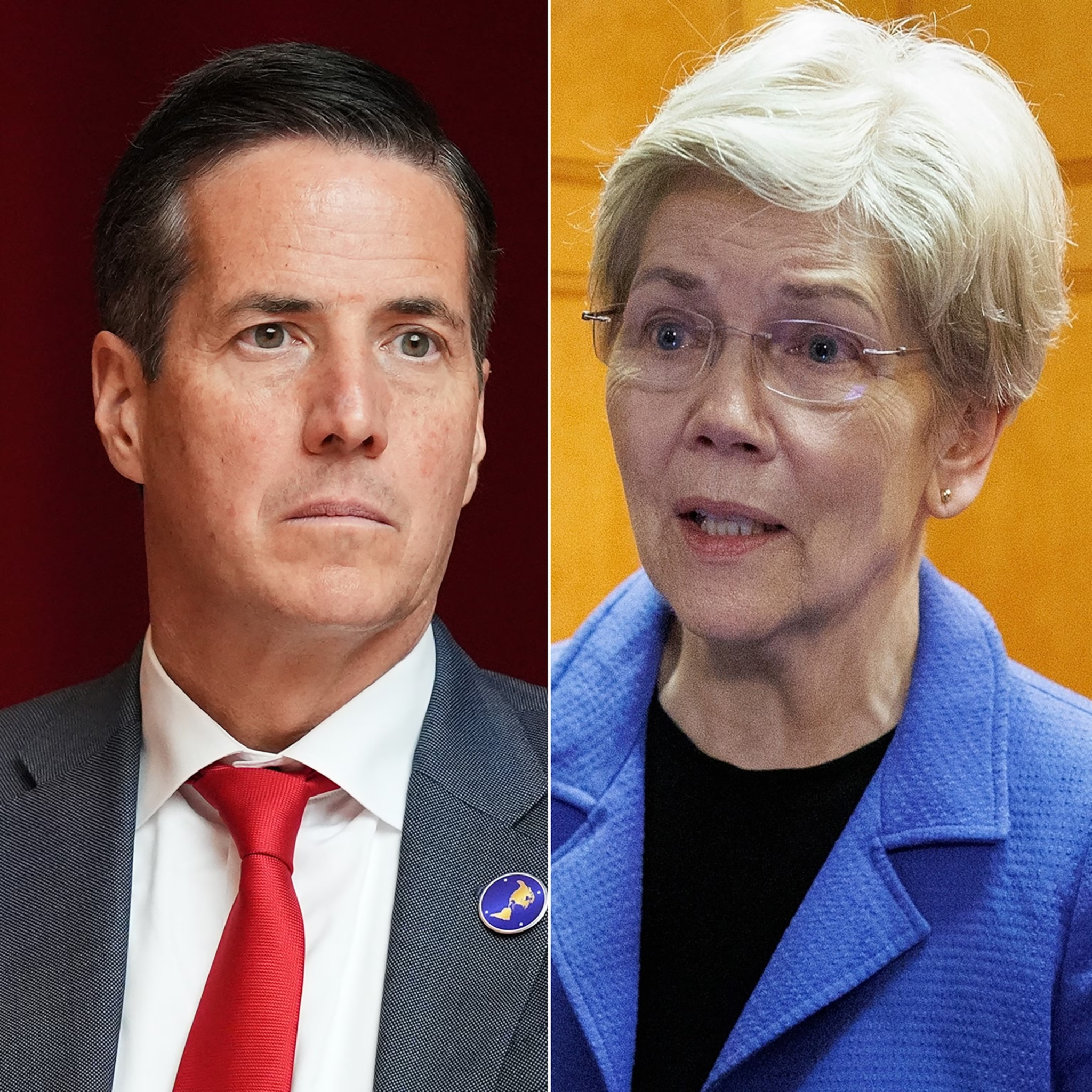
The question is whether applying the tax above the current cap would generate enough additional revenue to preserve benefits, and how any new contributions would affect future benefit calculations.
SSA actuaries estimate that eliminating the cap from 2027 without crediting extra earnings toward benefits would close 58% of the combined program’s projected 75-year funding shortfall.
If those additional earnings instead receive benefit credit, the same agency estimates the change would close 45% of that long-term shortfall, because higher future benefits would offset some new revenue.
Removing the cap could therefore help protect checks and substantially improve financing, but those estimates show it would not by itself close the full 75-year gap or guarantee every scheduled payment.
Comments (0)
Loading comments...
May You Like

IOWA ENVIRONMENTAL DISASTER: 5-TON WASTE BLAST DISPLACES 3,000 FAMILIES!

THANKSGIVING NIGHTMARE: OVER 1M BLACKOUTS, NEARLY 2M WATER ALERTS!

AMERICA'S LUCAS DRONE — A POTENTIAL GAME CHANGER IN THE SOUTH CHINA SEA?









Popular Posts




