Rick Santorum Says Obama Reignited Racism, Rejects Claim Trump Was Most Divisive President
Rick Santorum Says Obama Reignited Racism, Rejects Claim Trump Was Most Divisive President
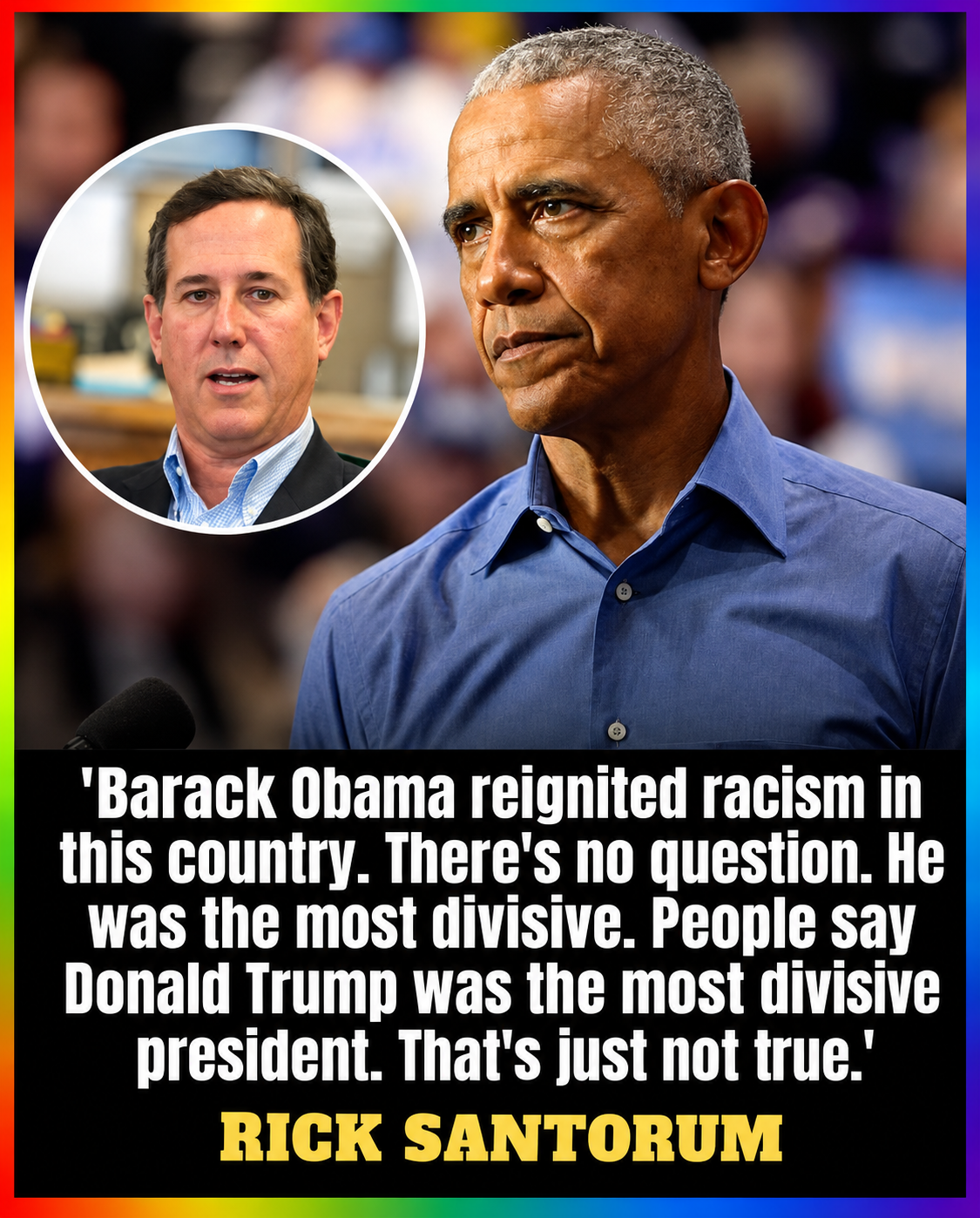
Former Republican senator Rick Santorum has renewed a familiar argument about race and political division in the United States, accusing former President Barack Obama of intensifying racial tensions and disputing the claim that Donald Trump was the country’s most divisive president.
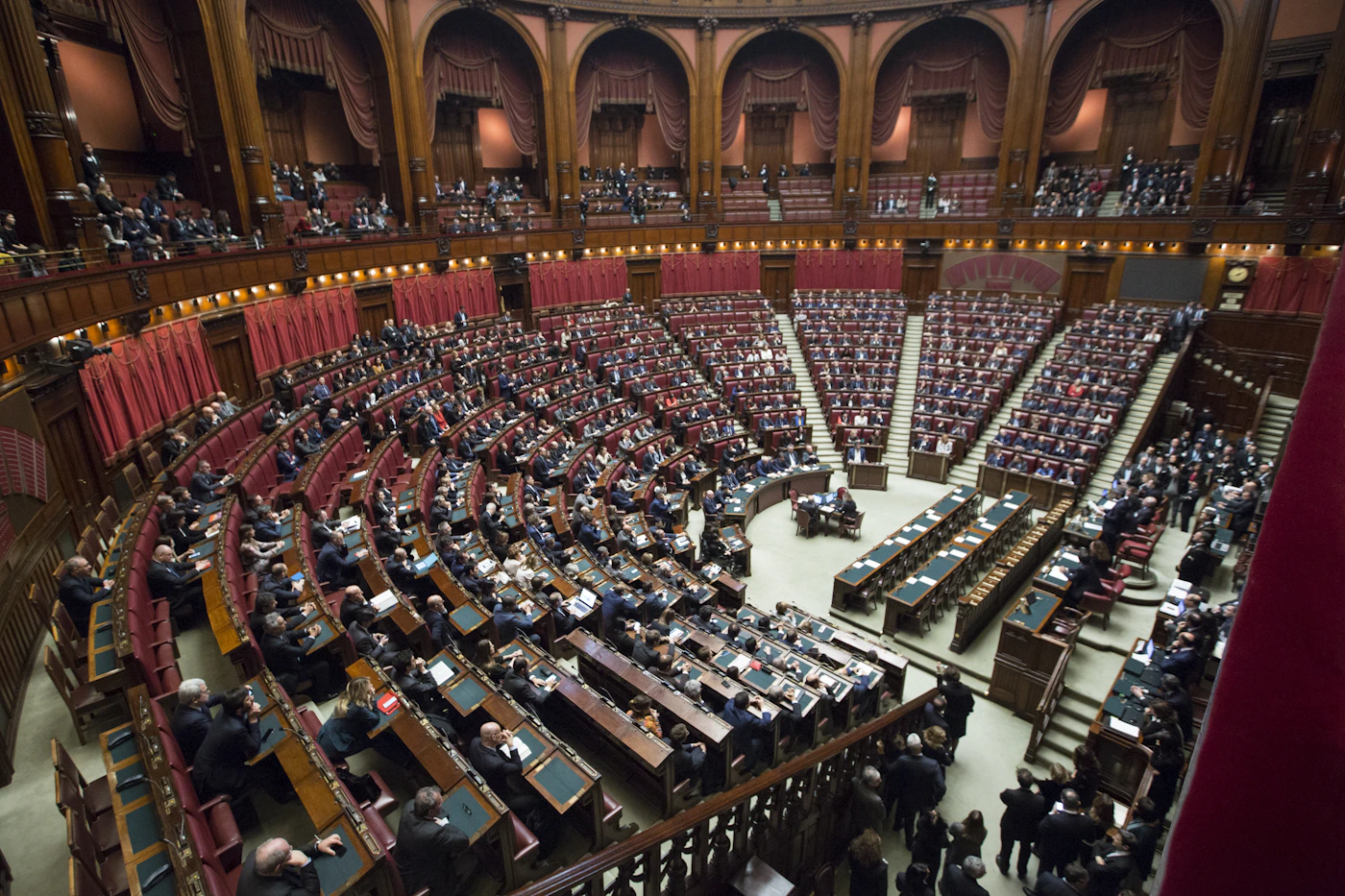
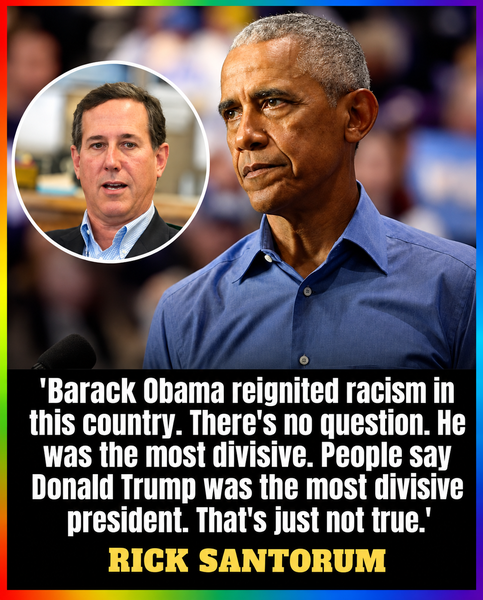
The remarks appeared in a Newsmax “National Report” segment circulated online on October 27, 2026. In the clip, Santorum argues that Obama’s presidency contributed to racial division and says the widespread description of Trump as the most divisive president is wrong. The graphic accompanying the clip presents the comments in especially emphatic language.
The claim is political commentary, not a measurable finding. There is no single official index that ranks presidents by how divisive they were, and people may assess division through different indicators: public opinion, partisan voting, protests, political violence, rhetoric, or trust in institutions.
Santorum has made similar arguments before. During a CNN “State of the Union” panel in June 2018, he said Obama had done more to “exacerbate racism” by how he responded to controversies involving people of color and police. The exchange became heated when other panelists challenged Santorum to explain the claim.
In August 2024, Santorum again argued on Newsmax that Obama had “reinstilled racism” through his behavior. Media Matters for America published a transcript of that discussion, placing the latest remarks within a longer-running criticism rather than treating them as a wholly new position.
Santorum’s argument focuses in part on Obama’s responses to high-profile cases involving race and policing, including the 2012 killing of Trayvon Martin. Supporters of Santorum’s view say Obama’s interventions were divisive or politically selective. Critics counter that discussing racial disparities and questioning particular law-enforcement actions is not itself evidence that a president caused racism.
Obama’s presidency was historic: he became the first Black president of the United States in 2009. His election inspired many Americans, while also provoking intense opposition. The rise of the Tea Party movement, persistent disputes over his legitimacy, and the “birther” conspiracy promoted by Trump were all part of the political climate of his years in office.
Those developments make it difficult to assign responsibility for polarization to one person alone. Political division has multiple causes, including partisan media, geographic sorting, economic and cultural changes, social media, campaign strategy, and institutional incentives that reward confrontation.

Trump’s own political style has been a central subject of debate. His campaign rhetoric, attacks on opponents and news organizations, and conduct surrounding the 2020 election and January 6, 2021, attack on the U.S. Capitol have led many critics to describe him as unusually polarizing. His supporters often see that same confrontational approach as a willingness to challenge entrenched institutions.
Whether Trump is the “most divisive” president depends on the standard being used and the historical comparison. Earlier presidents also governed during periods of severe conflict, including the Civil War, the Vietnam era, and the civil-rights struggles. A sweeping ranking needs a clear definition and evidence, rather than relying only on a commentator’s impression.
That does not mean Santorum’s criticism should be dismissed without examination. Presidents influence national conversations through their speeches, public reactions to crises, and choices about which disputes to elevate. It is reasonable to ask whether particular statements eased tensions, intensified them, or had different effects among different audiences.
But the claim that Obama “reignited racism” is an interpretation that would need specific evidence to establish as fact. Santorum has pointed to Obama’s responses to policing controversies; opponents argue that his interventions reflected concerns about unequal treatment and were often responses to events already generating public conflict.
Obama sometimes urged restraint and national reflection after racially charged incidents, while also acknowledging the personal and social realities of being a Black American. His comments were debated at the time, and people continue to disagree about their tone, implications, and political impact.
The wider political context also matters. The election of the first Black president did not erase racism, nor did it produce a single, uniform reaction across the country. Researchers and commentators have documented both the hopes associated with Obama’s election and the backlash that followed, though they differ over how much weight to give each factor in explaining later polarization.
Media framing can make a familiar argument appear newly explosive. Short clips and graphic quotations highlight the sharpest wording, but may omit the question that prompted a response, the rest of the interview, or any qualifications. Readers should distinguish the original broadcast from captions added by social-media accounts.

The recent Newsmax clip is therefore best understood as part of a continuing political dispute over who bears responsibility for America’s divisions. Santorum offers a conservative interpretation that places substantial responsibility on Obama; critics of Trump argue that his own rhetoric and political conduct are central to the polarization story.
Neither a partisan accusation nor a viral quote settles the historical question. A stronger assessment would compare evidence across administrations, use consistent measures of public attitudes and political behavior, and consider events that occurred beyond any one president’s control.
At the same time, the argument shows how debates over race remain intertwined with debates over presidential legacy. The same event can be interpreted by one group as a necessary response to injustice and by another as an intervention that deepens conflict. Those competing readings often reflect deeper disagreements about policing, identity, fairness, and the role of government.
Santorum’s comments are likely to resonate with audiences who believe Obama’s presidency sharpened cultural conflict and that Trump has been judged by a different standard. They are likely to be rejected by those who see Trump’s own rhetoric and actions as a major driver of division. Both reactions illustrate the very polarization the debate is about.
The most careful conclusion is that Santorum has voiced a longstanding political argument, not established an objective ranking of presidential divisiveness. The record includes fierce disputes during Obama’s presidency and deep divisions during Trump’s, but determining who was “the most divisive” requires clear criteria and evidence—not just a memorable slogan.
Comments (0)
Loading comments...
May You Like
Trump Floats Venezuela as a Possible 51st State Amid Oil Deal
Serbia and Hungary Deepen Ties as EU Border Disputes Fuel Debate Over Europe’s Political Future
Bill Clinton Mocks Trump’s Rose Garden Redesign as ‘Liberace’s Bathroom’
Popular Posts