
Rising fuel and everyday food costs are forcing U.S. households to reconsider weekly spending as inflati
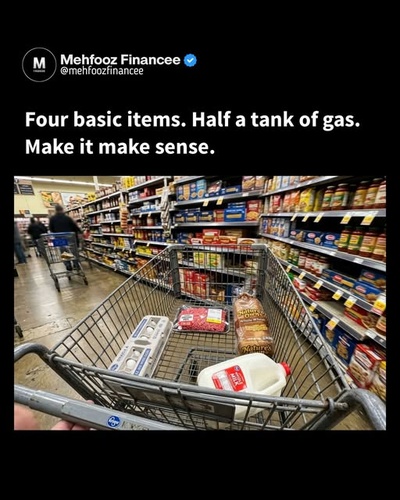
Consumer prices rose 3.4% in August from a year earlier, while prices increased 0.4% from July, driven largely by another increase in gasoline costs, according to recent economic data.
The latest figures arrive as shoppers across the country continue confronting higher prices for necessities, leaving many families balancing grocery purchases against gasoline, housing, utilities and other recurring expenses.
Food costs have remained an important part of that pressure. Earlier government data sh
Prices for groceries consumed at home were
Some su
Bread prices were 3.7% higher than a year earlier, while rice increased 6.2%, illustrating how inflation continues to affect basic products regularly purchased by households across the country.


The
Those adjustments have extended beyond supermarkets. Gasoline prices have become another major concern for drivers following renewed volatility in global energy markets and disruptions connected with fighting in the Middle East.
G
Fuel costs have risen further since then. During the Labor Day period, regular gasoline averaged about $4.14 per gallon nationally, nearly one dollar above le
For households dependent on ca
Diesel prices are creating another layer of pressure. The national average reached nearly $6.06 per gallon Friday, compared with $5.85 one week earlier and roughly $3.71 last
The increase matters beyond truck drivers. Diesel powers much of the
Perishable products can be particularly vulnerable because meat, produce and other fresh foods require frequent transportation and restocking, allowing higher freight expenses to eventually reach consumers through retail prices.
Businesses in other industries are also responding to transportation costs. Some delivery companies and retailers have introduced or increased fuel-related charges as they attempt to offset more expensive distribution operati
Pressure is also emerging before products reach consumers. U.S. wholesale prices rose 5.4% in August from one year earlier, accelerating from a 4.8% annual increase recorded in July.
Wholesale prices increased 0.4% between July and August, with higher energy expenses contributing significantly to the increase and raising concerns that additional costs could eventually appear on store shelves.
The combination of food, gasoline and transportation expenses means headline inflation alone may not fully capture the pressure experienced by households that devote larger portions of their income to necessities.
Consumers are responding by comparing prices, purchasing store brands, reducing discretionary spending and changing meal plans, strategies that have become increasingly common as families attempt to protect already-stretched household budgets.
With energy markets remaining volatile and transportation costs elevated, economists and policymakers are closely watching whether higher fuel expenses continue filtering through supply chains and placing additional upward pressure on consumer prices.
For millions of Americans, the immediate concern remains simpler: how far a paycheck can stretch when the weekly grocery trip and a visit to the gas station both cost more.
Comments (0)
Loading comments...
May You Like

Shocking news from Ohio: an unexpected development ahead of Trump's rally














