
Robert De Niro's Explosive Attack on Donald Trump: Why the Hollywood Legend Called Him a "Punk," a "Pig," and "Blatantly Stupid"
Hollywood icon Robert De Niro has never been afraid to speak his mind, but his fierce criticism of President Donald Trump has become one of the most talked-about celebrity-political feuds in modern American history. From calling Trump a "punk" and a "pig" to describing him as "blatantly stupid," the legendary actor has repeatedly made his opposition unmistakably clear.
The extraordinary clash between two of America's most recognizable public figures has fueled years of heated debate, dividing audiences between those who admire De Niro's willingness to confront political power and those who believe his language crosses the line.
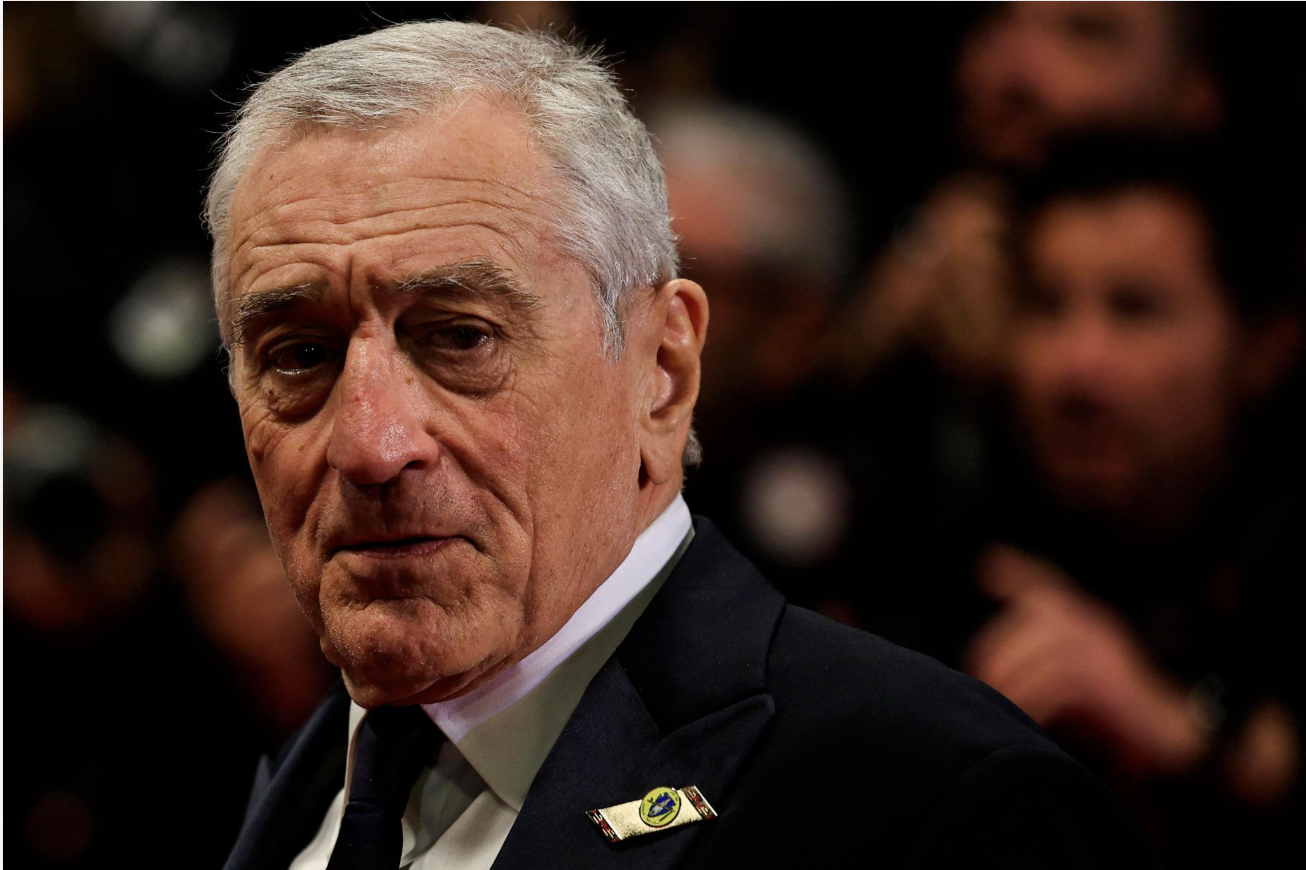
The controversy dates back to October 2016, when De Niro appeared in a widely circulated video criticizing Trump during his first presidential campaign. The actor delivered a series of harsh personal insults, questioning Trump's intelligence, character and suitability for the nation's highest office.
Among his most memorable remarks were the descriptions "punk," "pig," and "blatantly stupid." The statements quickly attracted national media attention, transforming De Niro from a celebrated Hollywood performer into one of Trump's most outspoken celebrity critics.
For supporters of De Niro, the remarks represented an unusually candid expression of political frustration. They argued that the actor was exercising his right to speak freely about a candidate he believed was unfit to lead the country.
For critics, however, the language was unnecessarily hostile. They questioned whether a prominent entertainer should resort to personal insults rather than focusing on substantive disagreements over political policies and leadership.
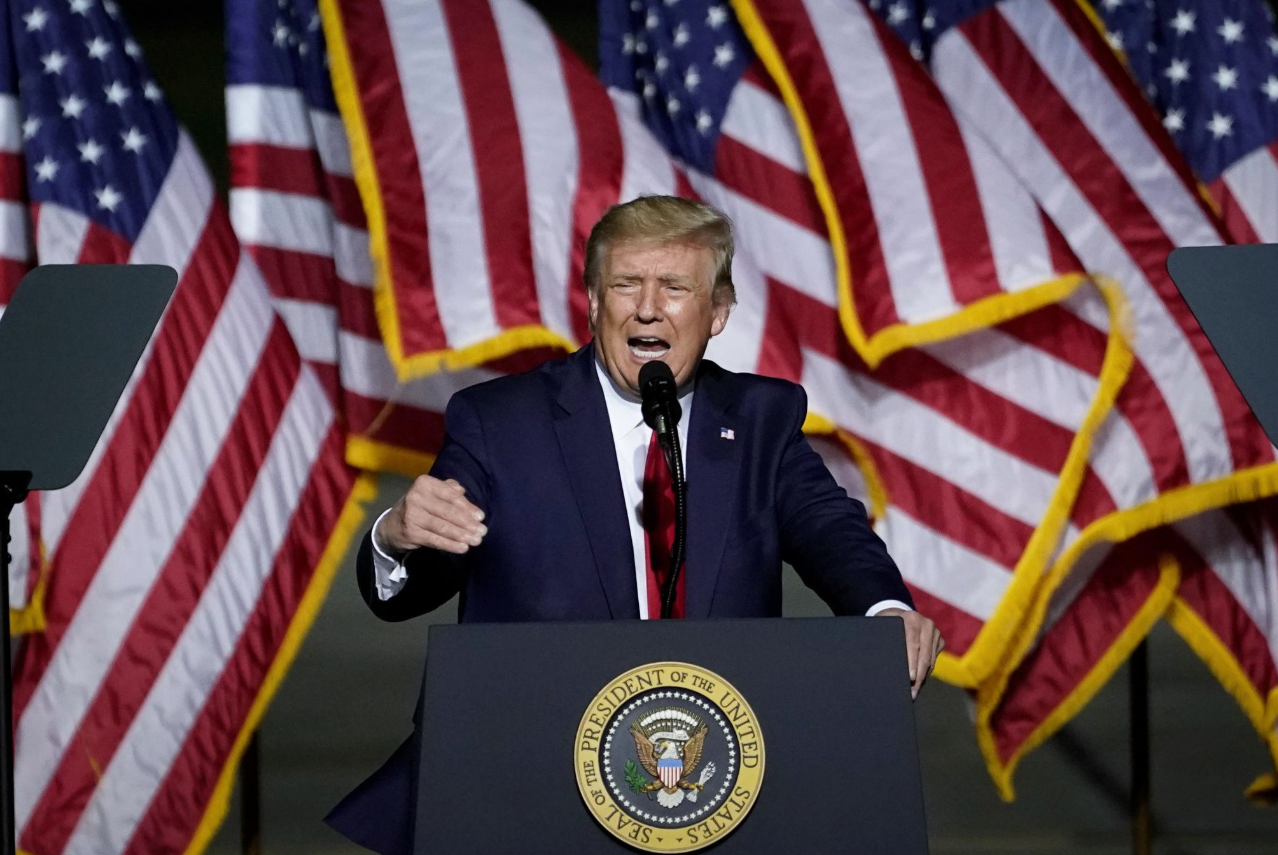
De Niro's criticism did not end with the 2016 election. Throughout Trump's first presidency, the actor continued to challenge his leadership publicly, frequently using interviews, award ceremonies and political appearances to express his concerns.
One of the most memorable moments came during the 2018 Tony Awards, when De Niro delivered a profanity-laced denunciation of Trump. His remarks received enthusiastic applause inside the theater but sparked criticism from viewers who felt that an entertainment ceremony should not become a platform for political attacks.
The incident demonstrated how deeply divided Americans had become over the relationship between celebrity culture and politics. Some celebrated De Niro's directness, while others saw his statements as another example of Hollywood's hostility toward conservative voters.
Despite the backlash, De Niro remained committed to his position. His public criticism repeatedly centered on Trump's conduct, leadership style and what the actor perceived as threats to American democratic institutions.
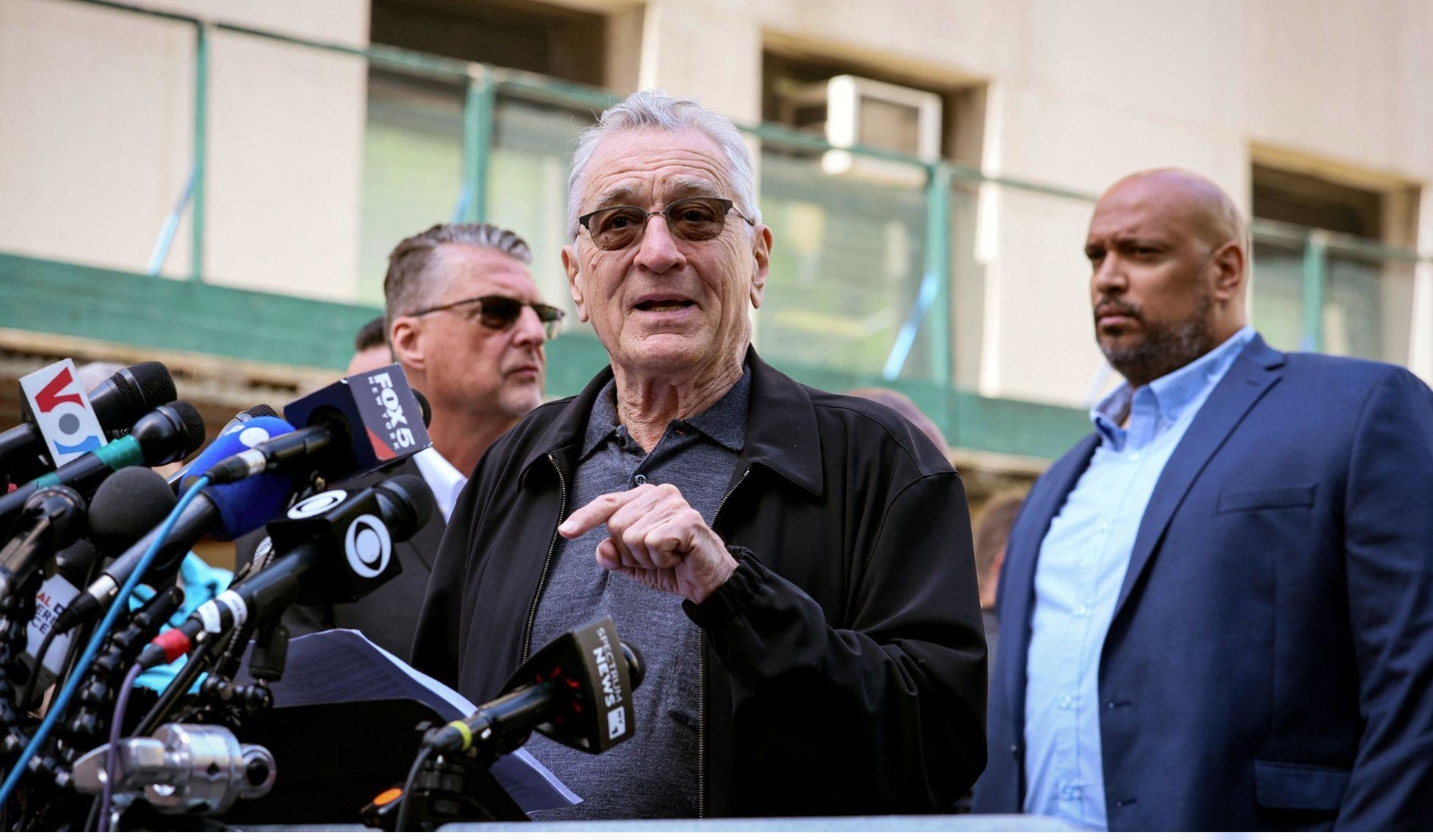
In May 2024, De Niro intensified his involvement in the political debate when he appeared outside the Manhattan courthouse during Trump's criminal hush-money trial. Speaking at an event organized by Joe Biden's presidential campaign, he warned voters about the potential consequences of Trump's return to the White House.
The appearance drew immediate attention because it combined a celebrity endorsement, a presidential campaign and a high-profile criminal trial. Trump's allies criticized the event, while Democrats defended De Niro's participation as an expression of legitimate political concern.
Trump has also responded sharply to De Niro over the years. Rather than ignoring the actor's criticism, he has publicly attacked De Niro's credibility and intelligence, adding another layer of personal hostility to their long-running feud.
Their exchanges have illustrated the increasingly confrontational nature of American political discourse, in which celebrities and elected officials frequently engage in public disputes amplified by television coverage and social media.
De Niro's political activism is particularly notable because of his extraordinary career in film. With acclaimed performances in Taxi Driver, Raging Bull, Goodfellas, Casino and The Irishman, he has established himself as one of the most influential actors of his generation.
His enormous cultural visibility means that even relatively brief political statements can attract widespread attention. For some fans, his activism adds another dimension to his public identity; for others, it complicates their appreciation of his work.
The broader question is whether celebrity criticism actually changes political opinions. While prominent entertainers can generate headlines and encourage political engagement, researchers have found that the electoral influence of celebrity endorsements varies considerably.
De Niro's comments have also raised questions about the limits of political rhetoric. Free expression protects the right to criticize public officials, but the effectiveness and appropriateness of deeply personal attacks remain subjects of public debate.
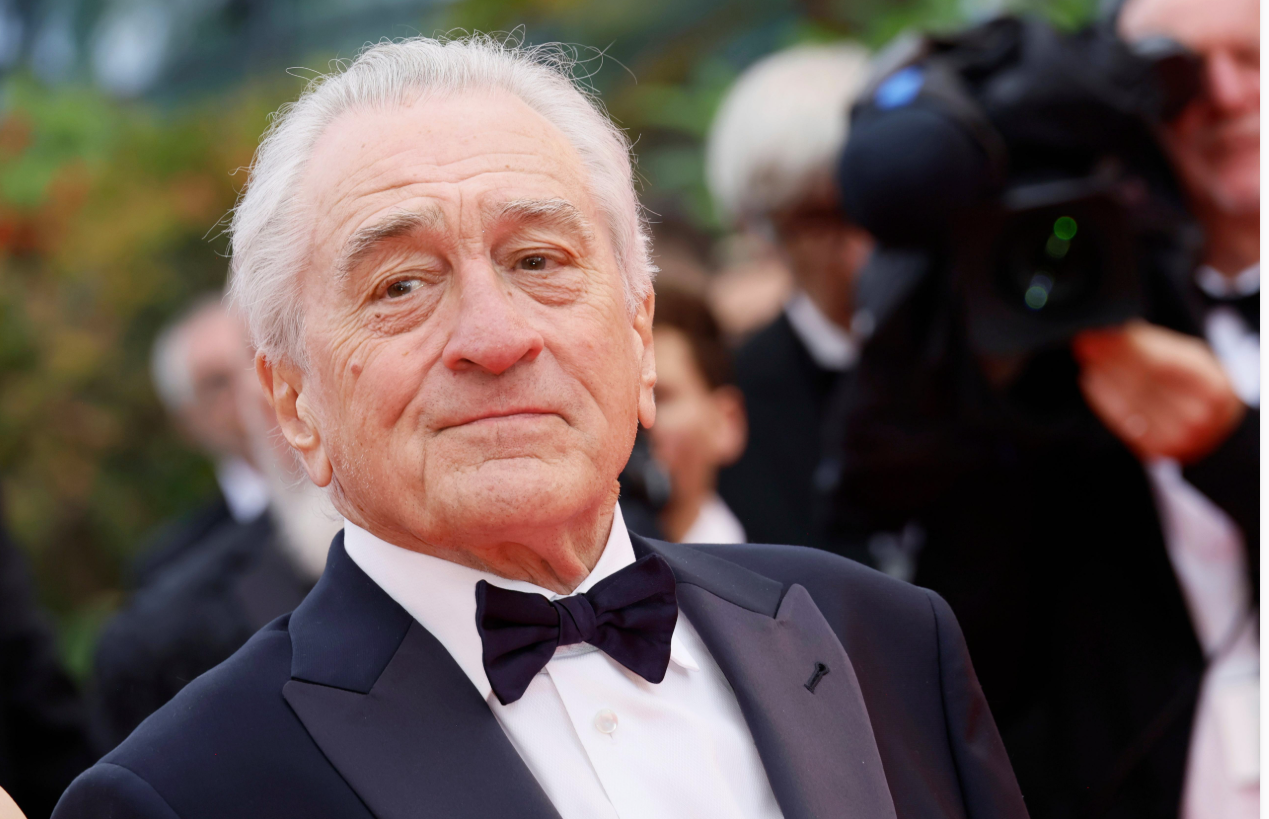
Years after his original remarks, De Niro's words continue to circulate online, sometimes presented without the historical context in which they were delivered. The descriptions featured in the viral image originated in his 2016 criticism and should not be mistaken for a newly issued statement in October 2026.
Ultimately, the feud between Robert De Niro and Donald Trump reflects something larger than a disagreement between a famous actor and a political leader. It captures the tension between freedom of expression, public responsibility and the increasingly personal nature of American politics. Whether audiences agree with De Niro's harsh assessment or reject his language, the controversy continues to provoke discussion about how celebrities should use their influence in political life.
Comments (0)
Loading comments...
May You Like



EAST COAST DISASTER—179 THOUSANDS OF HOMES AT RISK, CAUSING $50 BILLION IN DAMAGE!









Popular Posts



